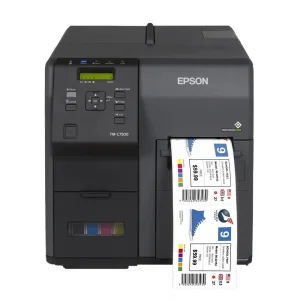
Explore our high-performance solutions engineered to streamline industrial workflows, improve precision, and maximize manufacturing throughput.

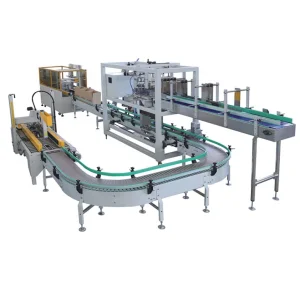
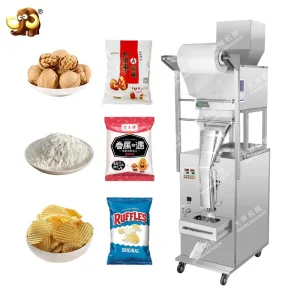
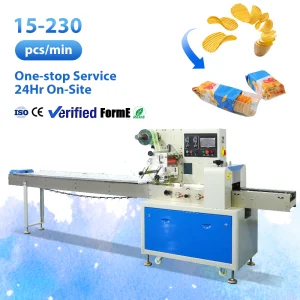
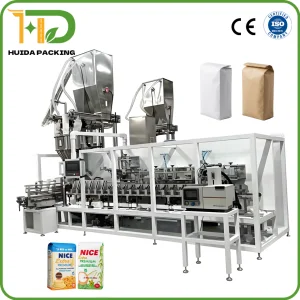

Ningbo Econe Machinery Co., Ltd. delivers global-standard packaging line solutions from high-precision capping systems to integrated end-of-line automation.
In modern packaging lines, capping is no longer a simple mechanical closure operation. It has evolved into a critical stage that determines product integrity, shelf-life, and consumer trust. As global manufacturing transitions into Industry 4.0, packaging machinery suppliers in China are pioneering this transformation. High-speed capping machinery must maintain consistent torque, eliminate cross-threading, prevent leakage, and support clean-in-place (CIP) environments.
Ningbo Econe Machinery Co., Ltd. stands at the forefront of this industrial shift. As a premier Industrial Packaging Machinery Manufacturer, the company specializes in automated packaging systems, conveying equipment, and end-of-line automation solutions. By integrating servo-driven smart cap application heads, advanced vision systems, and robust mechanical engineering, Chinese manufacturers have closed the technology gap with European and North American counterparts, offering unprecedented price-to-performance metrics to global brands.
"Reliability in industrial packaging is defined by the weakest seal. Modern capping technology bridges the gap between high-speed production demands and precise hermetic closure requirements." — Ningbo Econe Technical Whitepaper
Capping machines are designed around the mechanical requirements of the closures and containers they process. Choosing the correct technical architecture is essential for optimizing line efficiency and minimizing downtime.
Designed for high-speed applications (up to 600 BPM). Multiple capping heads rotate in synchronization with container transport, providing precise magnetic or servo torque application.
Ideal for flexible lines requiring frequent container and cap changeovers. They use progressive spinning discs to tighten screw caps as containers travel continuously down the conveyor.
Specialized mechanisms for press-on caps or aluminum closures (such as wine or pharmaceutical bottles) that require thread forming under physical rollers.
A key factor that separates China's premium capping equipment manufacturers is the transition from magnetic slip clutches to closed-loop servo-motor technology. Servos allow real-time programming of torque curves, active rejection of improperly aligned closures, and digital recording of capping force data for pharmaceutical audit trails.
Top-tier Chinese suppliers prioritize heavy-duty materials, utilizing SUS304 and SUS316L stainless steel for all contact surfaces. These materials ensure durability, chemical resistance, and compliance with strict food and pharmaceutical cleanroom standards.
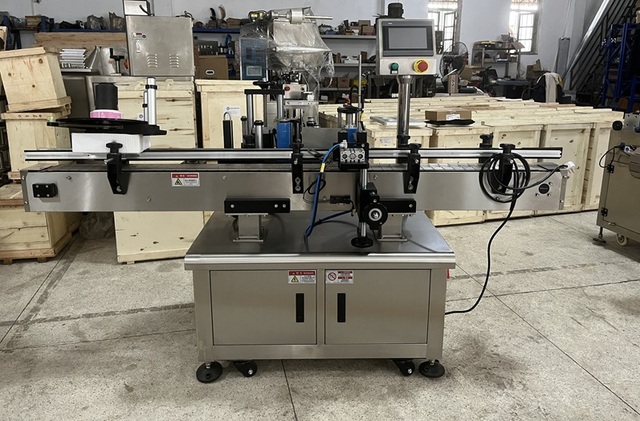
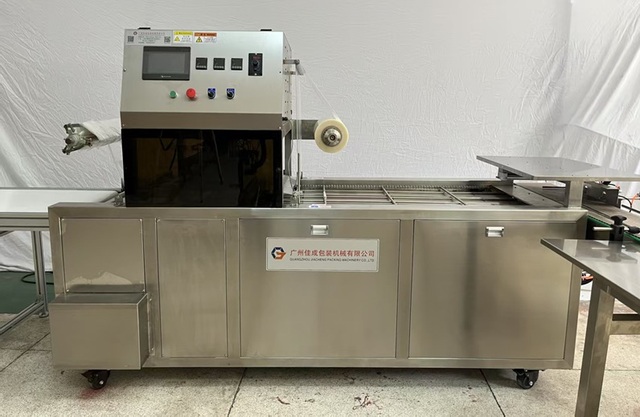
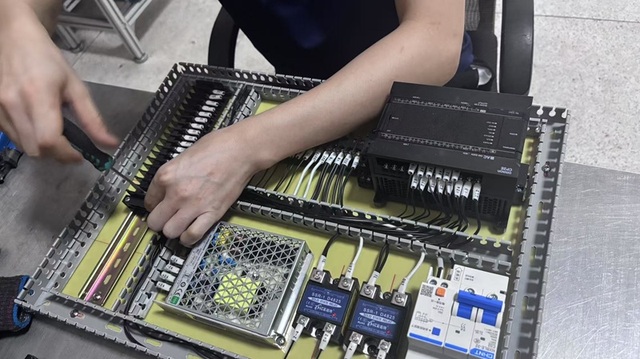
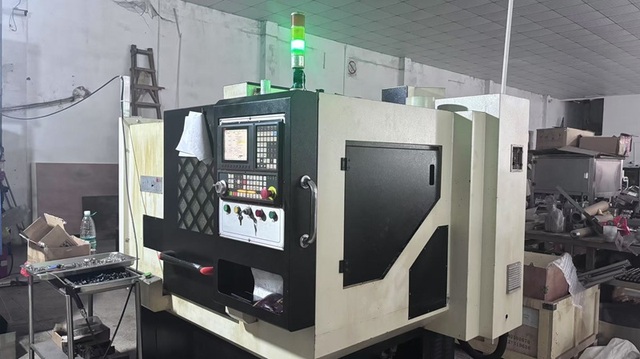
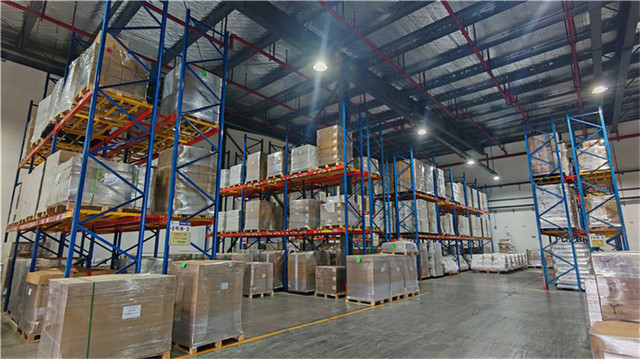
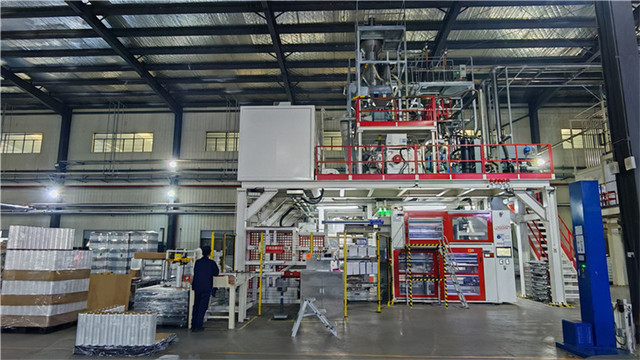
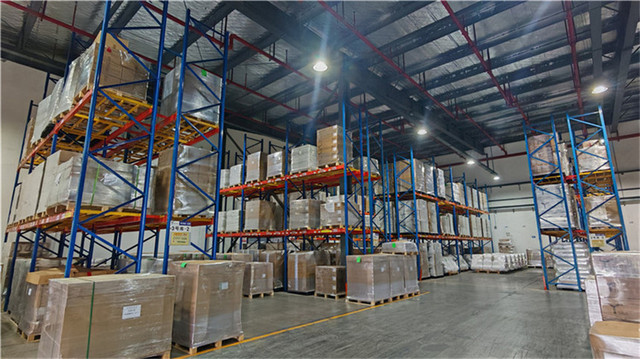
A key differentiator in modern capping systems is vertical-specific design. Each sector presents unique challenges that off-the-shelf machinery cannot address.
In this sector, hygiene is the highest priority. Modern capping systems feature wash-down designs (IP69K protection ratings), quick-release toolless changeovers for various container sizes, and hot-fill compatibility. Cleanliness extends to cap handling: cap hoppers can be fitted with HEPA-filtered air showers and UV sterilization tunnels to eliminate airborne spores before the closure contacts the bottle neck.
This industry requires compliance with strict global standards, including FDA 21 CFR Part 11. Capping machines used here must feature active torque verification systems that record the application torque of every bottle. Rejection stations automatically discard bottles with under-torqued or crooked caps, and detailed logs are kept for compliance audits.
Handling aggressive, corrosive, or volatile chemicals requires specialized engineering. Capping machines for these applications feature chemical-resistant coatings, explosion-proof motors (ATEX/IECEx certified), and custom seal profiles designed to withstand harsh chemical contact.
Procurement heads and system integrators face complex decisions when sourcing packaging machinery internationally. The traditional challenge of choosing between low cost and high quality is changing. Modern Chinese manufacturers offer advanced engineering that balances cost and performance effectively.
When evaluating suppliers, global buyers should assess:
The capping machine sector is moving toward greater integration with intelligent diagnostic tools. AI-enabled inspection systems inspect each container for correct cap placement, thread alignment, and seal integrity. Ningbo Econe Machinery integrates high-speed AI inspection technology directly into their production lines, reducing QC overhead and preventing defective products from reaching distribution.
Future developments will focus on reducing energy consumption and carbon footprints. Energy-efficient servo drives and lightweight capping heads help lower operational costs. Real-time predictive maintenance metrics, powered by IoT sensors tracking vibration, temperature, and current spikes, warn operators of component wear before it leads to unplanned downtime.
Technical guidance on purchasing, operating, and optimizing industrial capping equipment.
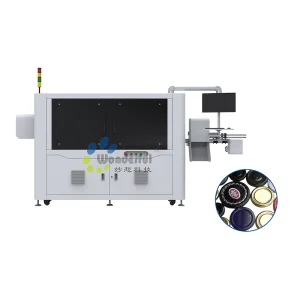
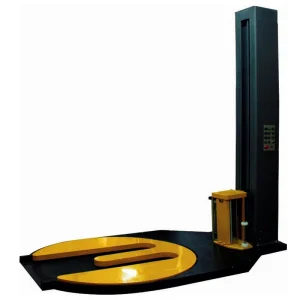
Explore our additional automated solutions, including inspection, packaging, and sorting equipment designed for high-efficiency production lines.
 Econe Machinery