Discover our comprehensive collection of industrial vacuum sealers, thermoforming machinery, and high-performance packaging equipment engineered for reliability, hygiene, and efficiency.
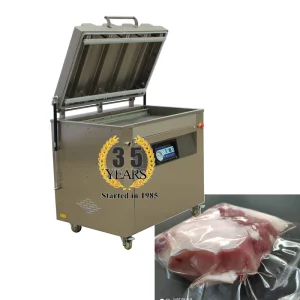
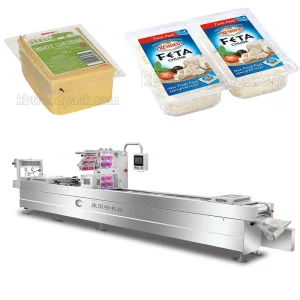
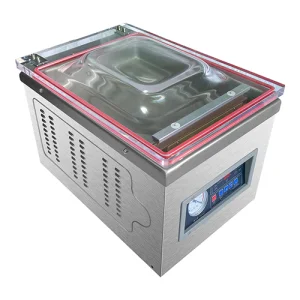
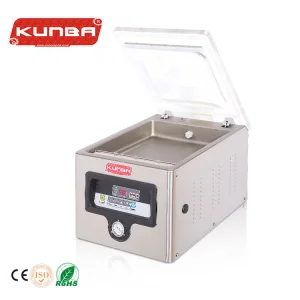
Ningbo Econe Machinery Co., Ltd. is a professional Industrial Packaging Machinery Manufacturer specializing in automated packaging systems, conveying equipment, and end-of-line automation solutions for global manufacturing industries. Based in Ningbo, China, the company focuses on the design, engineering, and production of integrated packaging machinery that helps manufacturers improve productivity, reduce labor costs, and optimize packaging efficiency.
With extensive experience in industrial automation, Econe Machinery provides a comprehensive range of solutions including automated conveying systems, product feeding equipment, weighing and counting systems, bagging solutions, wrapping systems, labeling integration, inspection systems, case handling equipment, and customized end-of-line packaging automation. These systems are widely applied in food processing, consumer goods, pharmaceuticals, chemicals, electronics, hardware, and industrial manufacturing sectors.
The company emphasizes engineering innovation, production reliability, and flexible customization. Its technical team works closely with customers to develop packaging solutions tailored to specific production requirements, factory layouts, and operational objectives. From standalone equipment to fully integrated packaging lines, Econe Machinery supports projects throughout planning, manufacturing, installation, and commissioning stages.
Equipped with modern manufacturing facilities and strict quality control procedures, Ningbo Econe Machinery is committed to delivering durable, efficient, and user-friendly equipment that meets international standards. The company continuously invests in automation technologies and intelligent manufacturing solutions to help customers adapt to evolving market demands.
As global supply chains place an increasingly high premium on speed-to-market and capital efficiency, partnering with a leading Chinese vacuum packaging factory offers substantial competitive benefits. China’s packaging machinery sector, centered in advanced manufacturing hubs like Ningbo and Zhejiang, has progressed from basic machine assembly to offering fully integrated, smart automated packaging solutions. The following structural elements drive this competitive edge:
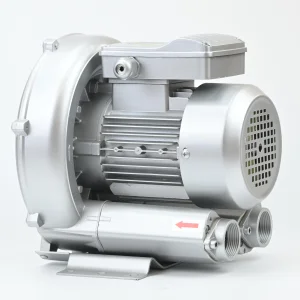
First, the concentration of the supply chain in China reduces component sourcing cycles to a fraction of European or North American timelines. Key pneumatic parts, precision CNC-machined panels, electric motors, and vacuum pump components are manufactured in close geographic proximity, minimizing freight bottlenecks and logistics overhead. This allows companies like Ningbo Econe Machinery Co., Ltd. to deploy custom configurations—from thermoforming cheese packagers to nitrogen gas-flush machines—at highly aggressive price points.
Second, Chinese manufacturers offer deep vertical engineering integration. Instead of merely shipping individual standard models, factories offer customized auxiliary equipment, such as integrated metal detectors, multihead weighing systems, automated labeling heads, and robotic carton-packing arms. This turnkey capability significantly reduces integration risks for global buyers, ensuring that the entire line operates as a single, unified system rather than isolated modules.
"Econe Machinery bridges the gap between sophisticated Western engineering standards and highly cost-efficient Eastern manufacturing processes, delivering top-tier performance without excessive capital expenditure."
Enterprise procurement departments must look beyond the initial purchase price to analyze the Total Cost of Ownership (TCO) when choosing a vacuum packaging equipment manufacturer. High-speed, high-volume production facilities in regions like North America, Europe, and Australia prioritize three main operational factors:
Econe Machinery addresses these needs by integrating international-standard components and offering comprehensive documentation packages. This documentation includes electrical schematics, exploded-view parts diagrams, and detailed pneumatic drawings, simplifying integration for local maintenance engineers.
Key design developments and engineering directions reshaping the modern global packaging industry.
Modern applications require modified atmosphere packaging (MAP) with high-purity nitrogen gas flushing to protect delicate food structures, maintain color, and extend shelf life beyond traditional vacuum sealing.
Continuous thermoforming technology forms the film in-line, doses the product, seals, and cuts in one automated process, maximizing speed and reducing labor overhead.
Industrial machinery must handle biodegradable vacuum bags and thinner multi-layer barrier co-extrusions without melting or wrinkling, requiring precise heat sealing control.
Vacuum packaging technology is used across many industrial sectors. By matching machinery design to localized product requirements, factories can protect product integrity and extend shelf life.
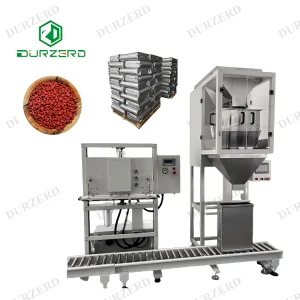
Outside of the food sector, automated vacuum packaging plays an important role in industrial parts preservation. In high-humidity climates, electronic components, semiconductor wafers, and precision automotive hardware are highly susceptible to oxidation and corrosion. Storing these parts in thick, static-shielding vacuum bags helps prevent environmental damage during long ocean transit cycles. Similarly, chemical manufacturers use heavy-duty 20kg to 25kg vacuum sealing machines to pack reactive plastic granules, preventing moisture absorption and contamination.
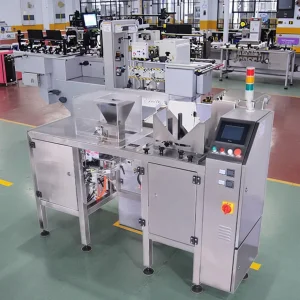
Agriculture is another major application area. Silage forage, herbage, and livestock feed are packed using fully automatic zipper premade bag vacuum sealers. Sealing these feeds maintains their nutritional value and prevents bacterial growth, showing the versatility of modern industrial vacuum packaging lines.
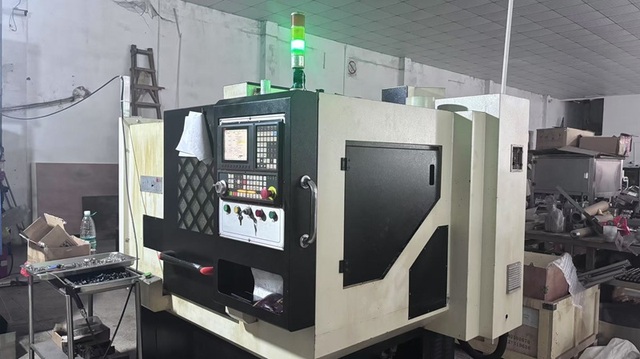
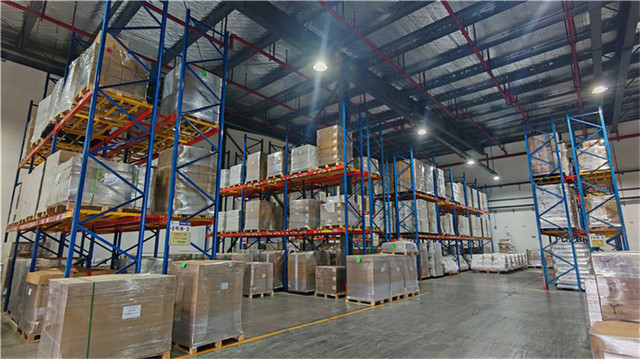
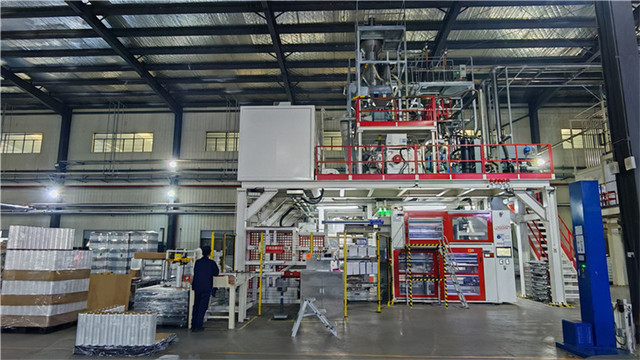
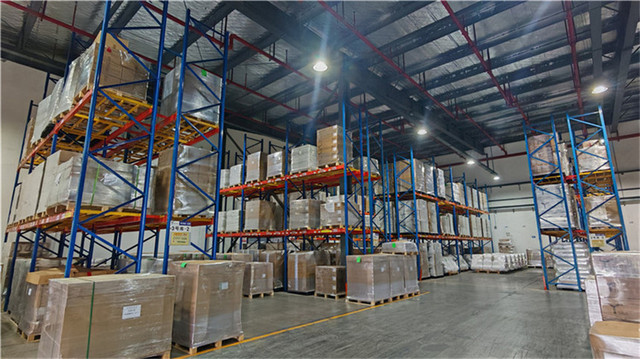
An inside look at our manufacturing operations, design facilities, and high-precision assembly lines in Ningbo, China.
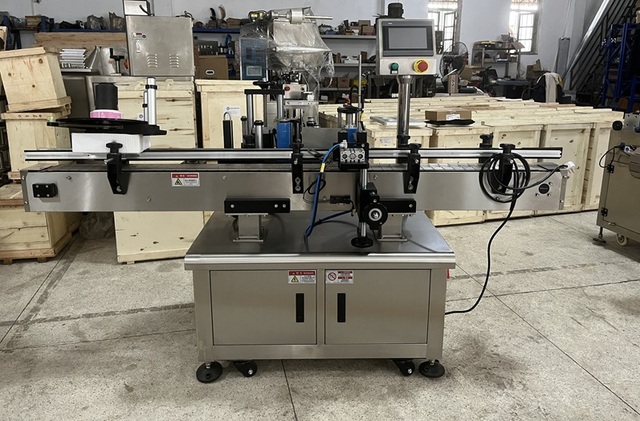
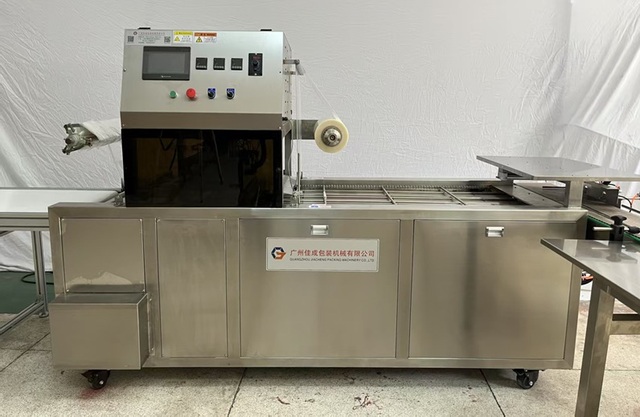
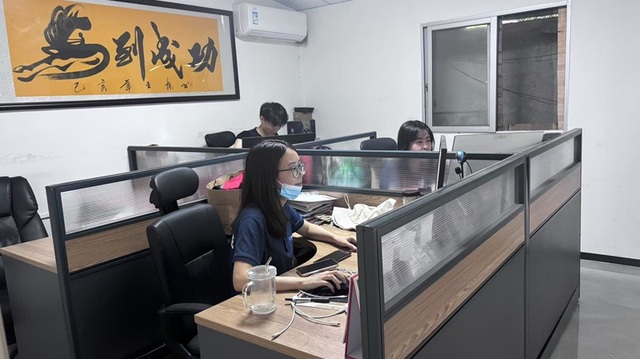
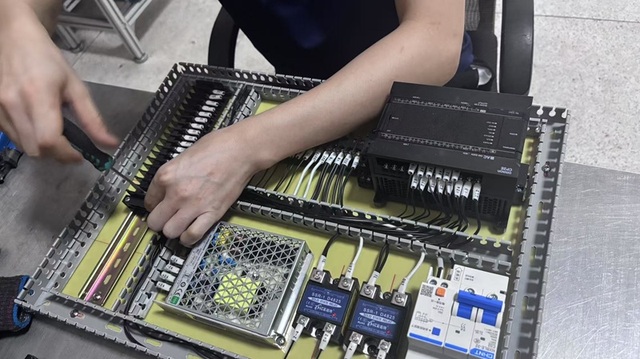
Technical and practical answers for global procurement professionals regarding industrial vacuum packaging machinery.
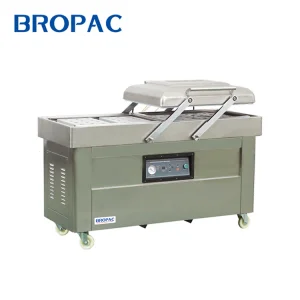
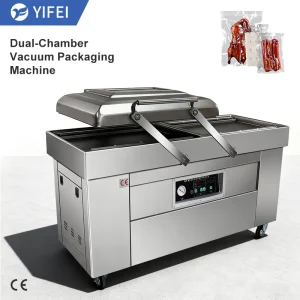
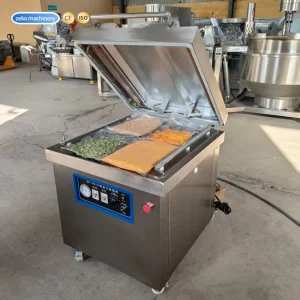
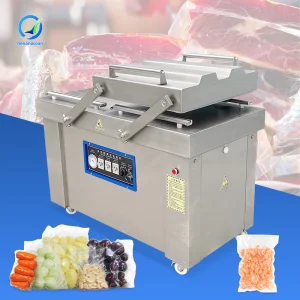
Single-chamber sealers contain one sealing compartment and are suited for low-to-medium volume facilities or test labs. Double-chamber vacuum sealers feature two chambers operating on a shifting swing-lid system. While one chamber processes the sealing cycle, the operator loads the second, nearly doubling production throughput and reducing idle operator time.
A simple vacuum can crush delicate foods, like potato chips, salad greens, or soft cheeses. Nitrogen gas flushing replaces the oxygen inside the bag with inert nitrogen gas. This prevents atmospheric oxidation, protects structural integrity, and inhibits anaerobic bacteria without crushing the product.
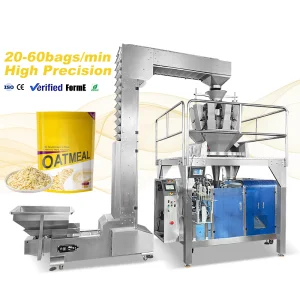
Thermoforming machinery uses rolls of flexible or rigid plastic film to form, fill, seal, and cut pouches in-line. It requires a higher initial capital investment but offers a lower per-package material cost and higher speeds, making it ideal for high-volume cheese, sausage, and medical device packaging. Premade pouch packaging machinery is more flexible for switching bag sizes and is suitable for low-to-medium production runs.
Key parameters include sealing temperature, sealing pressure (pneumatic jaw pressure), and sealing dwell time. Modern PLC-controlled systems use digital sensors to monitor these values, ensuring consistent seal strength even during high-temperature washing or sterilization cycles.
Yes, but they require precise temperature profiling. Biodegradable materials have narrow sealing temperature windows compared to traditional PE/PA co-extrusions. Machines must be equipped with digital impulse sealing timers or PID temperature controllers to prevent burning or weak seals.
Heavy-duty industrial sealing machines, specialized bags, blower pumps, and high-capacity packaging equipment.

 Econe Machinery