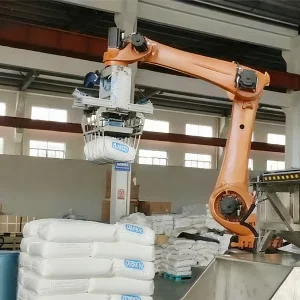
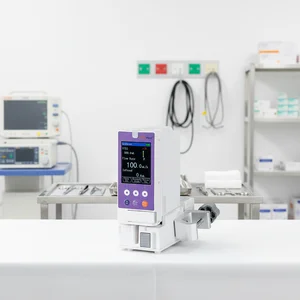
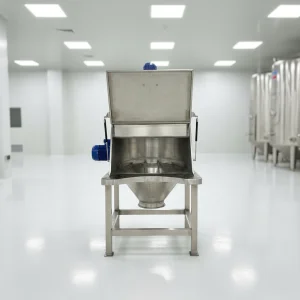
Explore our foundational range of feeding systems designed for medical, agricultural, and specialized industrial workflows.

In the era of Industry 4.0, Product Feeding Systems represent the critical physical link between raw inventory storage and active processing. Whether handling micro-components in cleanrooms or bulk materials in massive manufacturing corridors, the precision of a feeding system dictates the overall equipment effectiveness (OEE) of the entire factory. Modern industrial dynamics demand highly customized, reliable, and compliant feeding setups that mitigate human-handling errors, optimize energy consumption, and guarantee continuous manufacturing loops.
Globally, factories are transiting away from manual batching interfaces toward closed-loop telemetry systems. From a market perspective, regions such as Europe, North America, and East Asia are enforcing stricter mechanical compliance certifications, pushing factories to source equipment from specialized, established manufacturers. The integration of high-performance materials (such as food-grade virgin polypropylene and 304/316L stainless steel) is no longer optional but a regulatory default under global inspection frameworks.
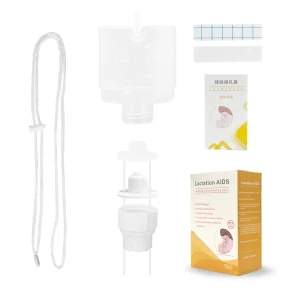
The commercial requirements differ extensively across market verticals. In consumer goods and hardware, high-volume production requires fast-acting mechanical vibration bowls and automated sorting lines to handle rigid items like O-rings or fasteners. Conversely, in the pharmaceutical and medical equipment sectors, enteral feeding pumps and sterile lactation delivery systems demand strict micro-dosing precision, thermal control, and biocompatible material formulations.
To address diverse operational environments worldwide, product feeding systems must be customized to meet localized regulatory standards, local ambient temperatures, and specific plant layout blueprints.
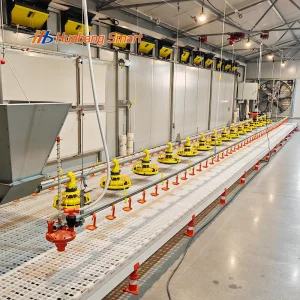
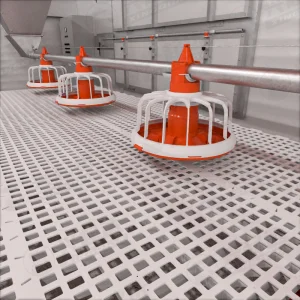
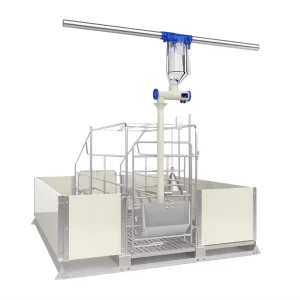
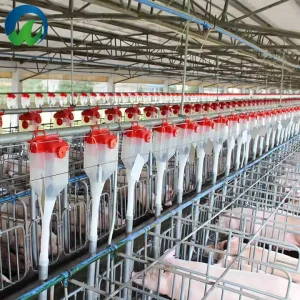
In modern intensive animal husbandry, system failures quickly impact biological output. Econe's automatic poultry and swine feeding systems utilize UV-stabilized, high-impact PP (polypropylene) to withstand ammonia gases and acidic environments typical of modern farms.
Localization focus: For large-scale farms in North America and Eastern Europe, the automated drop-feed systems and continuous chain lines are designed to handle variable bulk feed densities and operate reliably under freezing winter temperatures. Features include intelligent real-time feed drop control, preventing feed wastage while tracking daily animal nutrition metrics.
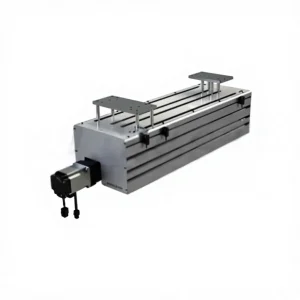
Assembly systems for precision products (such as O-rings, seals, fasteners, and miniature electronics) require continuous high-speed orientation and feeding. Our vibrating bowl systems and alternating high-efficiency feeding units with up to 8KG rated loads manage complex parts without tangling.
Localization focus: Built to European and US electrical and safety regulations (e.g., 220V/110V dual-frequency controllers), these systems are fine-tuned for high-speed robotic integration. The use of wear-resistant surface linings prevents component marking during high-velocity orientation cycles.
Human health devices, such as enteral feeding pumps and smart milk heating systems, represent the critical peak of micro-fluidic control technology. These designs feature adjustable volumetric flow rates, integrated warmers, and anti-clogging safety alarms.
Localization focus: Compliance with FDA, BPA-Free certifications, and CE medical standards is mandatory. Our medical supply warmer systems and lactation pumps feature double-insulated electronics, electromagnetic compatibility (EMC) protection, and sterile, food-grade materials to meet international clinical audits.
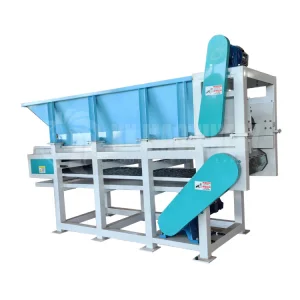
Extreme environments, such as steel melt facilities and bulk chemical processing plants, require dust-free and thermal-shielded material delivery. Intelligent steel melt feeding systems handle high temperatures and abrasive charges in automatic, semi-automatic, or manual operational modes.
Localization focus: For processing factories in Asia and Latin America, our heavy steel melt feeders and dust-free big bag feeding stations integrate exhaust ventilation ports and high-durability load cells. This setup ensures continuous material flow while maintaining a clean, safe atmosphere in compliance with local environmental standards.
The core of automated feeding innovation lies in transition from open-loop mechanics to closed-loop intelligence. The roadmap for next-generation feeding products revolves around three primary axes:
"The integration of IoT telemetry and real-time load cell monitoring allows modern factories to predict mechanical wear and prevent line-stoppages. Adaptive feeding systems adjust vibration frequencies in response to moisture fluctuations in bulk raw material."
Conventional feeders suffer from frequency drift caused by changing material volumes. Smart controllers now dynamically adjust the electromagnet's frequency in real time, keeping the vibratory bowl running at resonant efficiency, reducing power consumption by up to 30%.
As manufacturing requirements shift toward high product variance, vision-guided flex-feeders are replacing mechanical tooling. Machine vision systems identify part orientations on flat vibration planes, letting multi-axis pick-and-place robots handle multiple SKUs on a single line.
Driven by environmental regulations and safety concerns regarding airborne dust, modern feeding systems incorporate vacuum-tight containment and bag dumping stations. Negative-pressure air filtration removes fine particles, protecting operators and preventing cross-contamination.
A Professional Industrial Packaging Machinery Manufacturer & Automation Specialist.
Ningbo Econe Machinery Co., Ltd. is a professional Industrial Packaging Machinery Manufacturer specializing in automated packaging systems, conveying equipment, and end-of-line automation solutions for global manufacturing industries. Based in Ningbo, China, the company focuses on the design, engineering, and production of integrated packaging machinery that helps manufacturers improve productivity, reduce labor costs, and optimize packaging efficiency.
With extensive experience in industrial automation, Econe Machinery provides a comprehensive range of solutions including automated conveying systems, product feeding equipment, weighing and counting systems, bagging solutions, wrapping systems, labeling integration, inspection systems, case handling equipment, and customized end-of-line packaging automation. These systems are widely applied in food processing, consumer goods, pharmaceuticals, chemicals, electronics, hardware, and industrial manufacturing sectors.
The company emphasizes engineering innovation, production reliability, and flexible customization. Its technical team works closely with customers to develop packaging solutions tailored to specific production requirements, factory layouts, and operational objectives. From standalone equipment to fully integrated packaging lines, Econe Machinery supports projects throughout planning, manufacturing, installation, and commissioning stages.
Equipped with modern manufacturing facilities and strict quality control procedures, Ningbo Econe Machinery is committed to delivering durable, efficient, and user-friendly equipment that meets international standards. The company continuously invests in automation technologies and intelligent manufacturing solutions to help customers adapt to evolving market demands.
Serving clients across Asia, Europe, North America, South America, the Middle East, and other international markets, Ningbo Econe Machinery Co., Ltd. strives to be a reliable partner for businesses seeking advanced packaging automation, conveying systems, and end-of-line production solutions that enhance operational performance and long-term competitiveness.
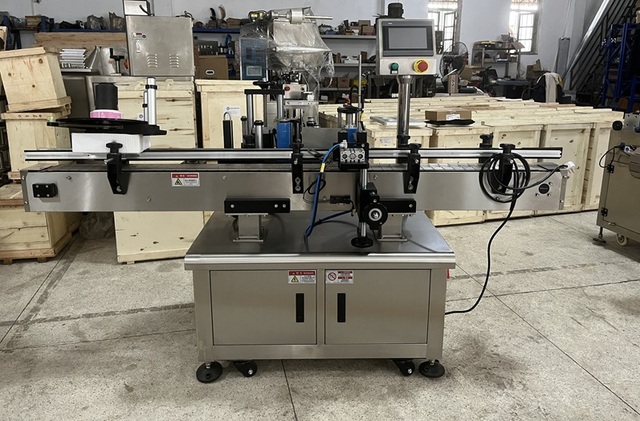
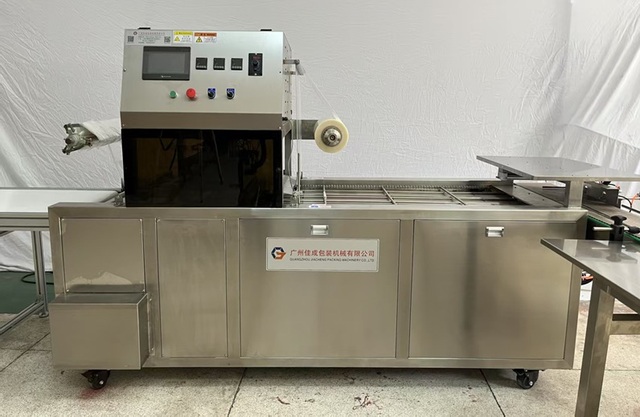
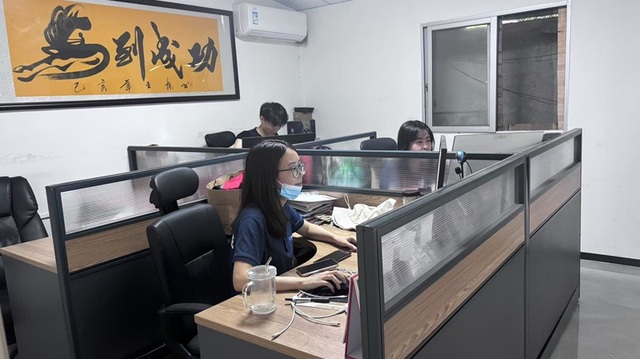
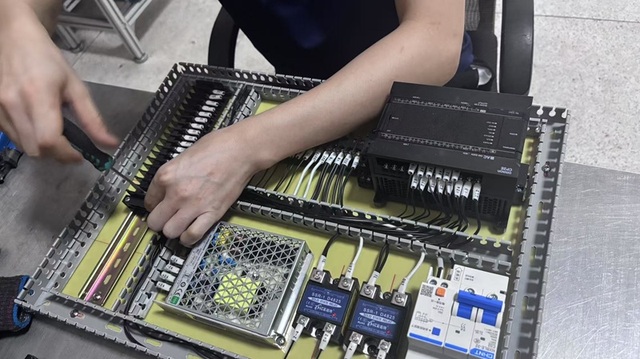
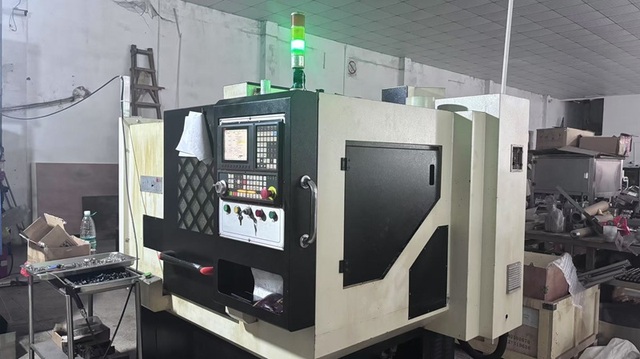
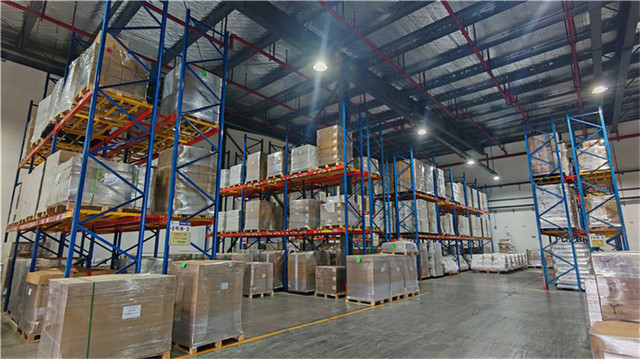
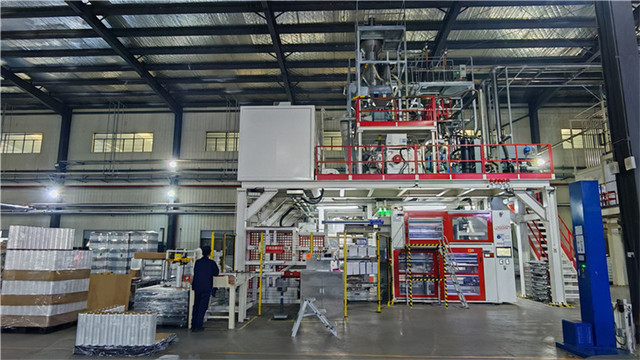
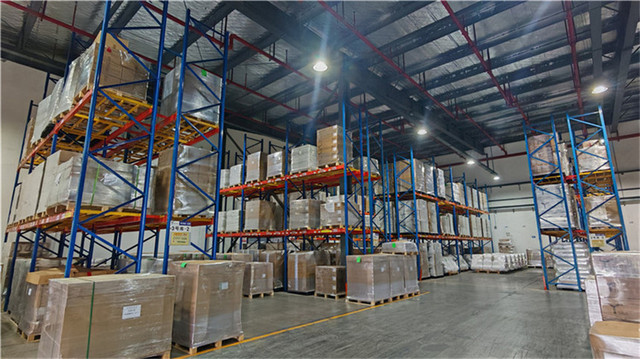
Operating product feeding systems globally requires compliance with regional safety, environmental, and electrical codes. Ningbo Econe Machinery ensures all equipment is certified and designed for trouble-free operation across international markets:
| Application Area | Standard Configuration | Compliance / Certification | Key Design Advantage |
|---|---|---|---|
| Livestock Farming | Durable Virgin PP, Stainless Steel Chain | ISO 9001, Agri-Environmental Safe | Ammonia and high-impact resistance |
| Medical & Maternal Care | Medical-grade plastics, Dual Warmers | FDA, CE, BPA-Free | Micro-dosing control and sterility |
| Hardware & Component Assembly | Wear-resistant Vibrating Bowls | CE EMC, 220V/2kW Drive Option | Tangle-free sorting of components |
| Bulk Material Handling | 304/316 Stainless Steel Station | CE Dust-Control Standard | Negative pressure and containment |
Explore our industrial range of feeding and material control products tailored for high-speed manufacturing environments.
Expert insights on sizing, material selection, maintenance, and compliance for industrial product feeding systems.
 Econe Machinery