Econe Machinery
1 / 5

Core Value of Vision Inspection in the Lithium Battery Industry
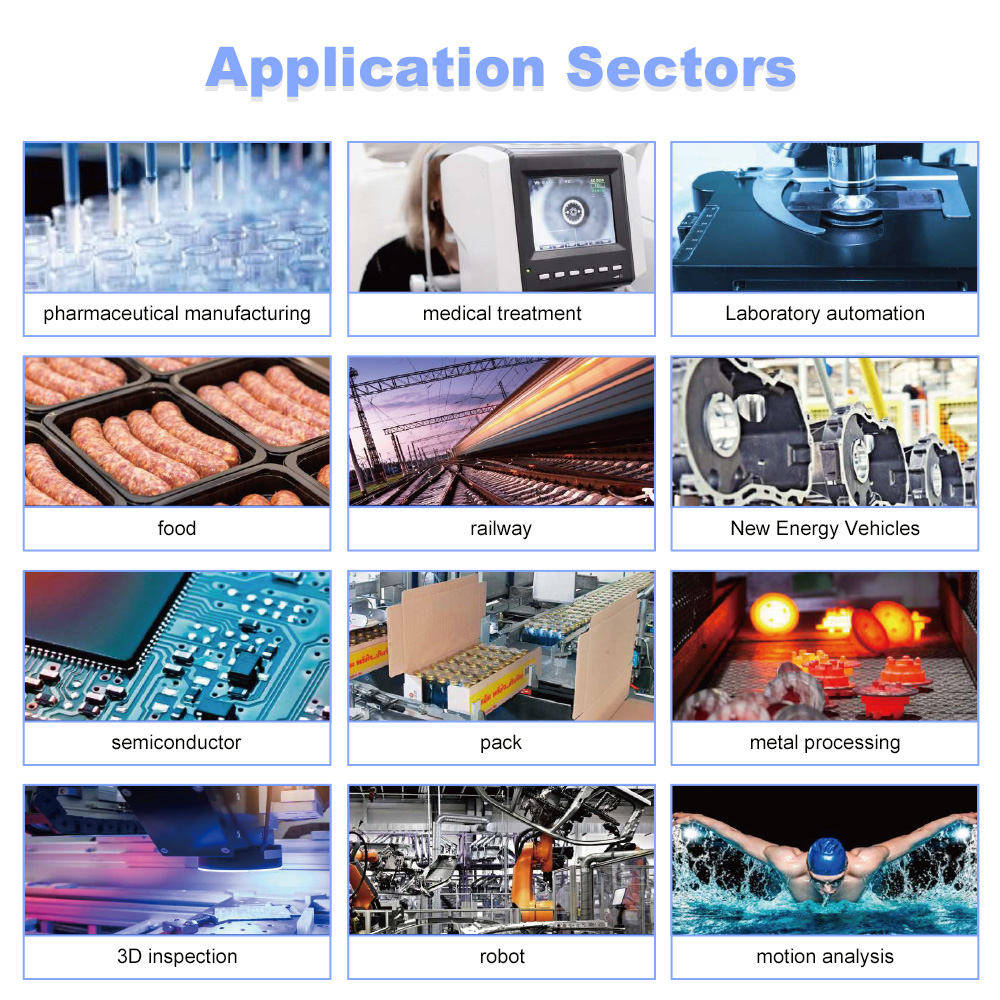
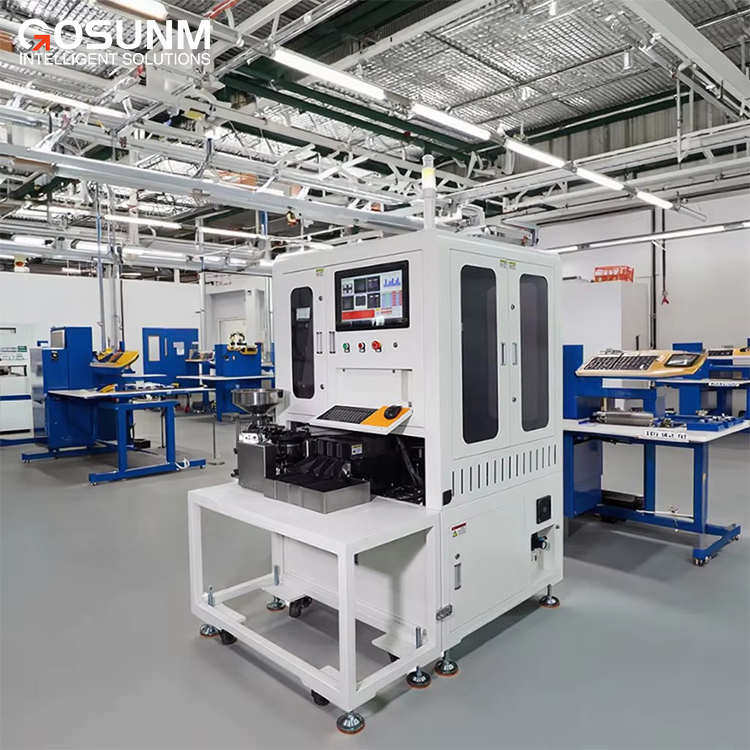
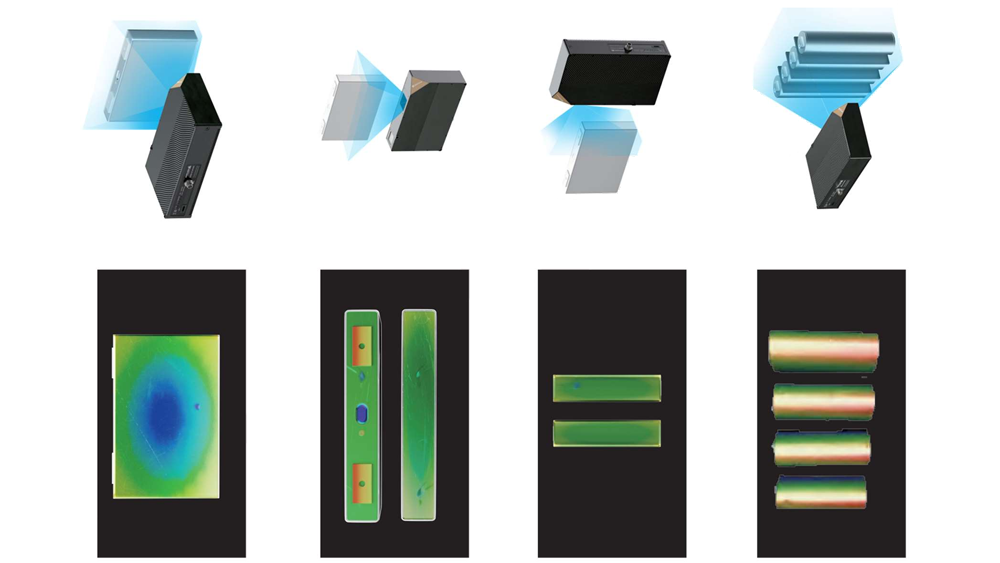
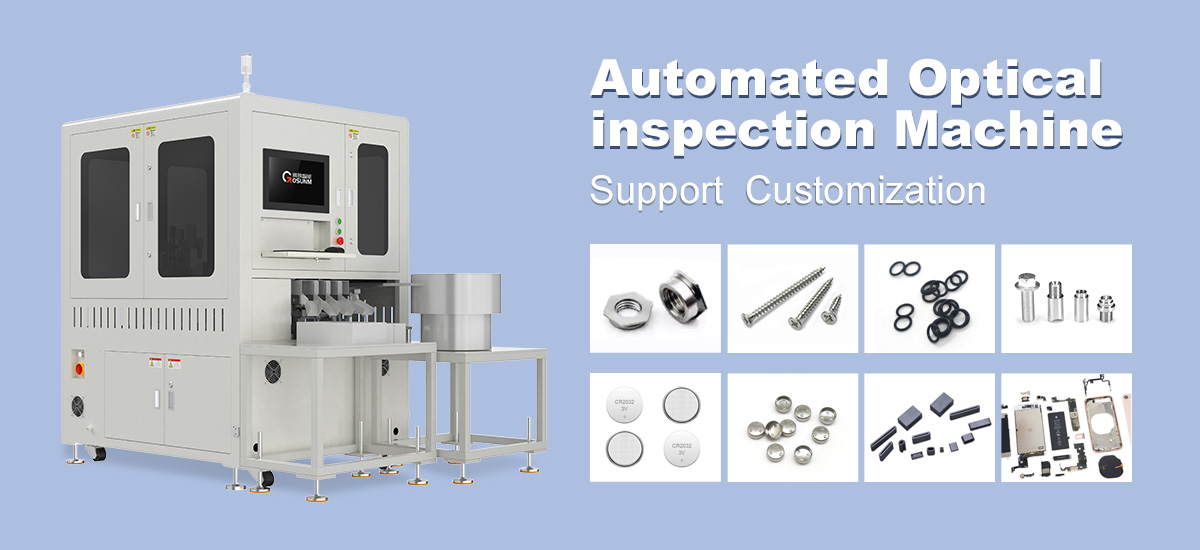
Vision inspection equipment is a critical component in industrial automation for product quality inspection. It utilizes optical imaging, image processing, and intelligent algorithms to automate the detection of target objects' appearance, dimensions, defects, and other features. In the lithium battery industry, vision inspection equipment significantly enhances production efficiency and product consistency.
Core Components of a Vision Inspection System
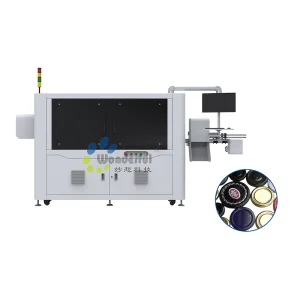
| Detection Range | 360° Full Inspection. |
| Detection Items | Size, Flash, Blister, Hairiness, Burrs |
| Detection Speed | 200 - 1200 Pcs/Min. |
| Detection Accuracy | Up To ±0.01mm |
| Power Supply | 220v 50hz; Power 5kW |
| Air pressure | 0.4 - 0.8MPa |
| Operating Temperature | 0°C - 45°C |
1. Electrode Manufacturing
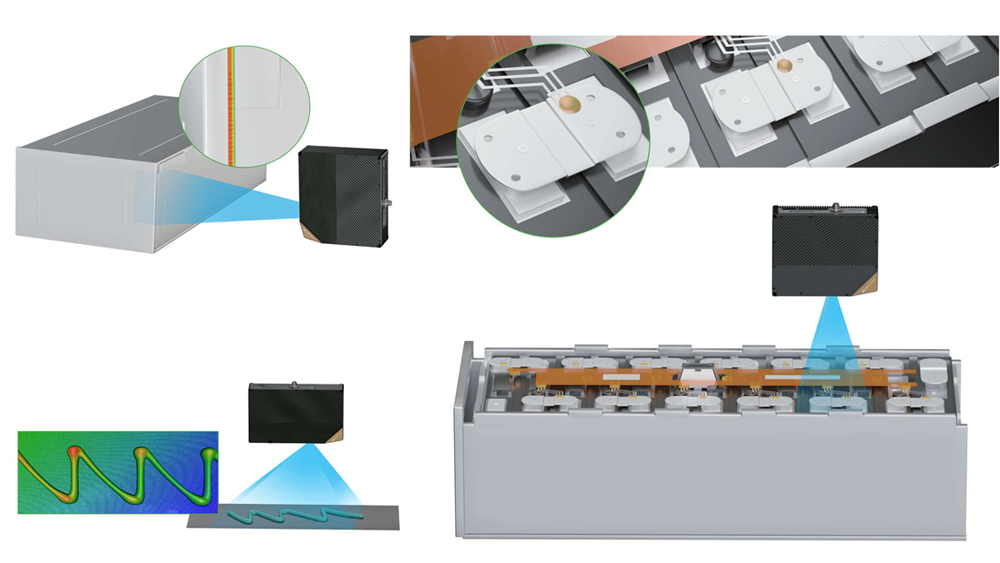
High-resolution cameras detect coating uniformity and thickness. Slitting defect inspection detects edge burrs and particles to avoid short-circuit risks.
2. Cell Assembly
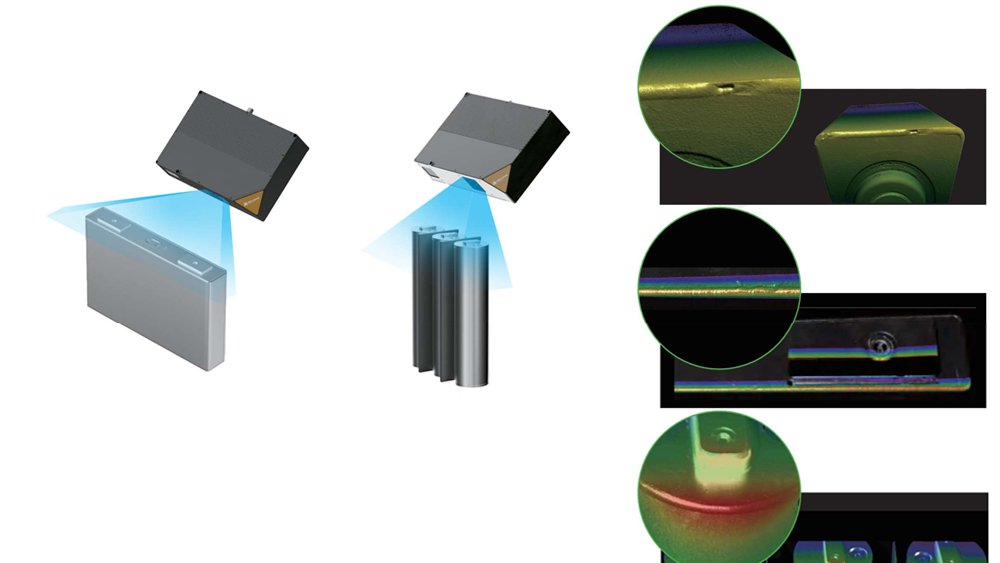
Vision systems detect electrode misalignment and separator wrinkles. Infrared thermography identifies welding defects.
3. Appearance Defect Inspection
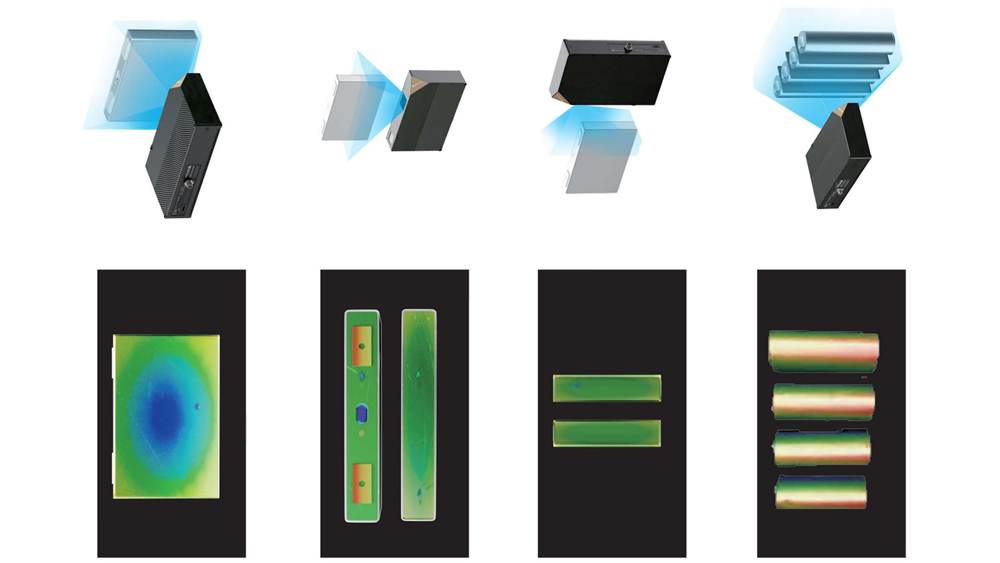
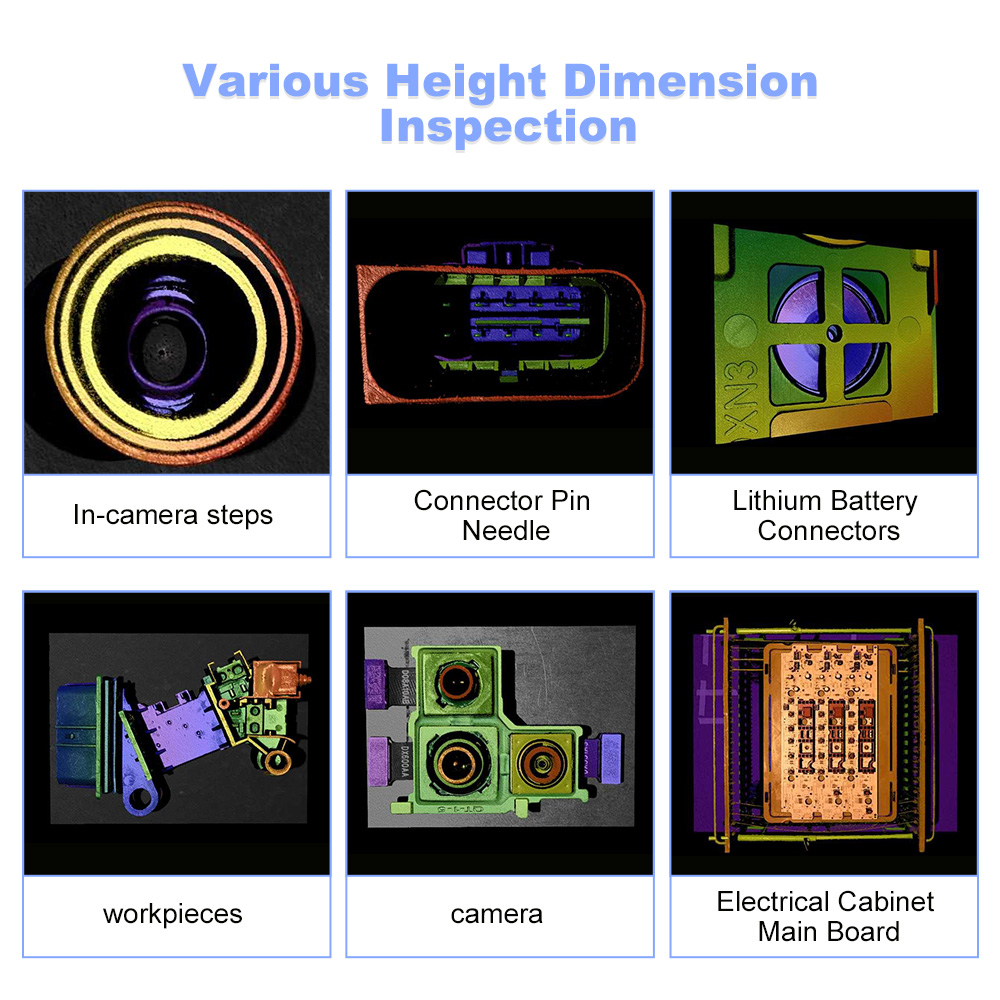
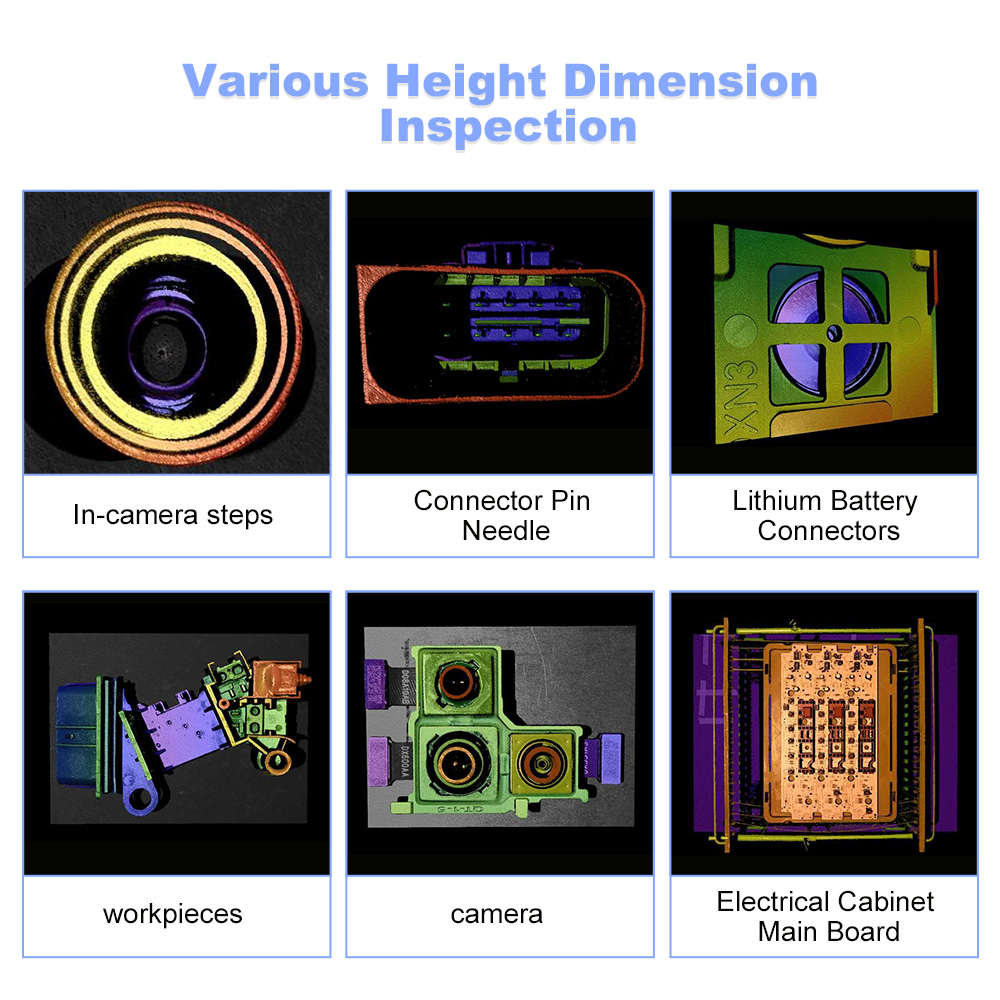
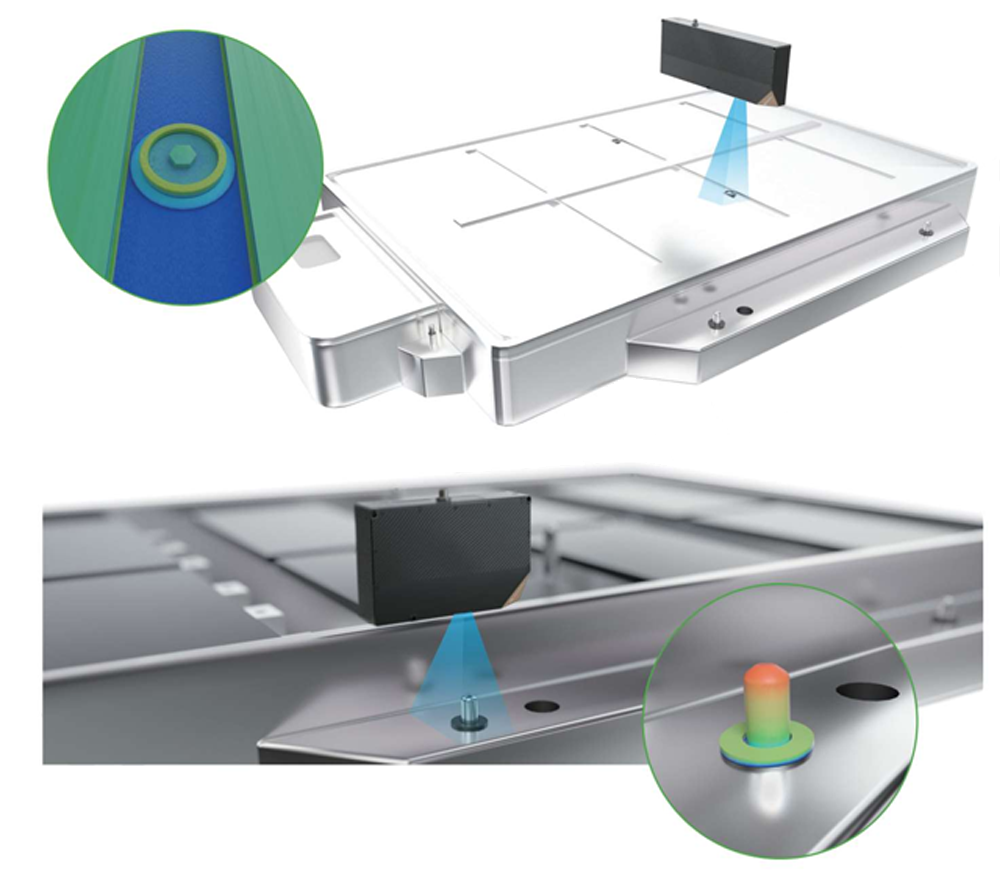
Detects scratches, dents, and contamination using multi-angle ring lighting. 3D vision measures critical dimensions.
4. Post-Formation & Battery Pack (PACK) Inspection
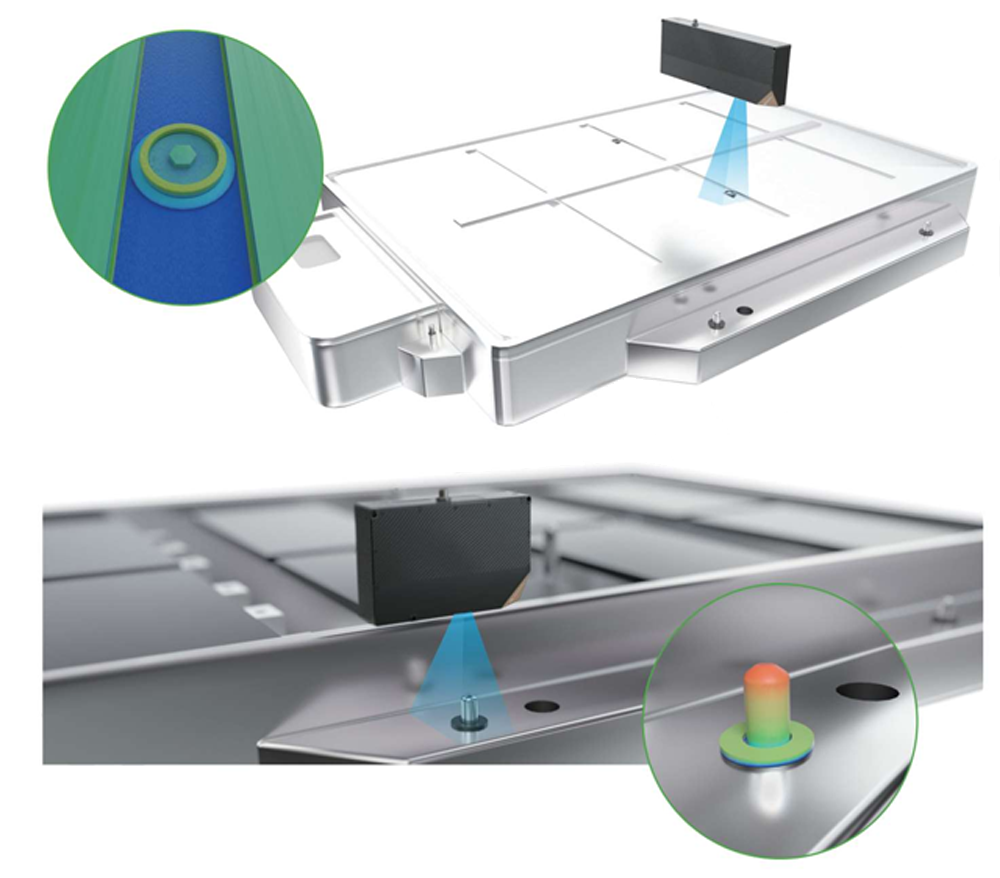
Includes electrolyte leakage detection, swelling detection, busbar welding checks, and QR code/character recognition.