The San Francisco Bay Area, while globally recognized as a software and biotech hub, maintains a robust, highly specialized industrial core. From biopharmaceutical production in South San Francisco to food technology manufacturing in the East Bay, the demand for high-precision, automated weighing systems has evolved beyond simple measurement to integrated Data Analytics and IoT-enabled Batching.
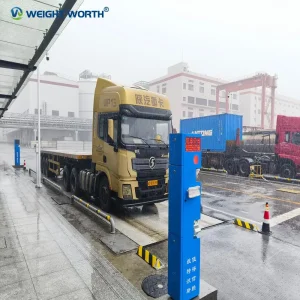
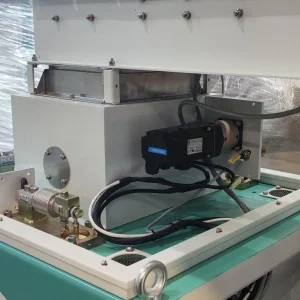
In San Francisco’s competitive landscape, "good enough" accuracy is a thing of the past. Modern manufacturers are adopting Closed-Loop Weighing Systems that minimize raw material waste by up to 15% through real-time PLC adjustments. This is critical for local firms dealing with high-cost specialized chemicals or ingredients.
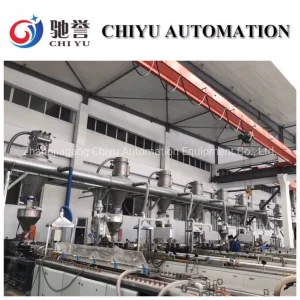
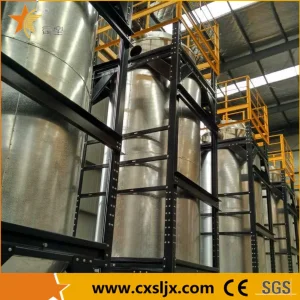
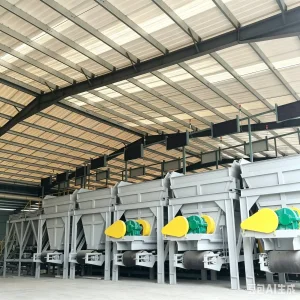
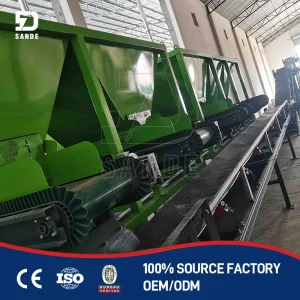
California’s strict environmental and safety regulations necessitate systems that prevent dust leakage and contamination. Our Pneumatic and Vacuum Conveyor systems are designed to meet local OSHA and FDA standards, ensuring a clean workplace and compliant production cycles.
San Francisco businesses are increasingly looking for global partners who can offer high ROI. By bridging the gap between China’s manufacturing efficiency and Silicon Valley’s technological requirements, we provide systems that offer the same precision as local Western brands at a fraction of the lead time.
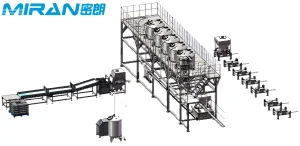
Precise dosage of powder components is non-negotiable. Our Closed-Loop Automatic Batching Systems allow SF-based laboratories and production facilities to automate the mixing of active ingredients with surgical precision, reducing human error in critical formulations.
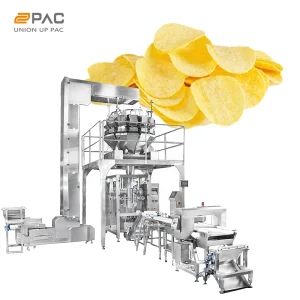
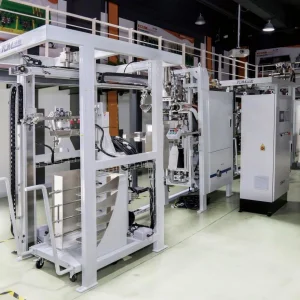
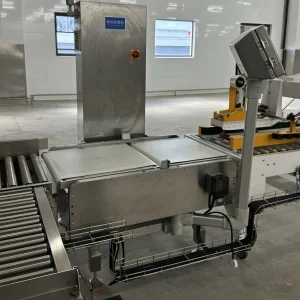
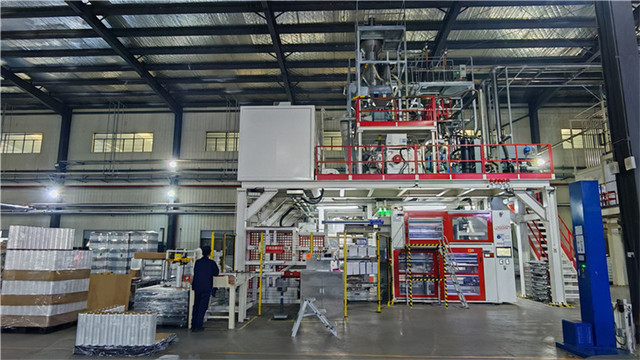
From artisanal coffee roasting at scale to plant-based protein manufacturing, San Francisco is a food-tech leader. Our Vertical Weighing and Packaging Systems integrate seamlessly into high-speed lines, maintaining throughput while ensuring every package meets net-weight regulations.
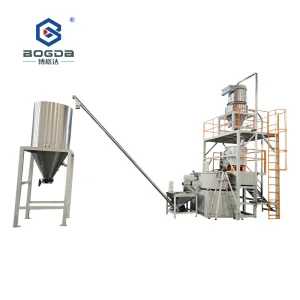
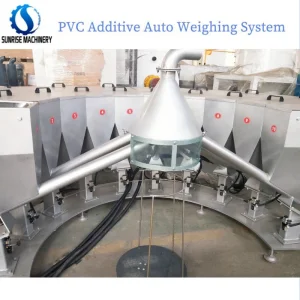
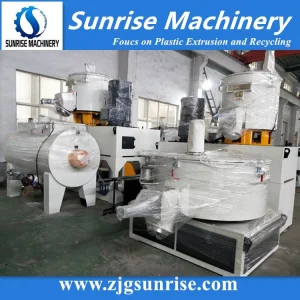
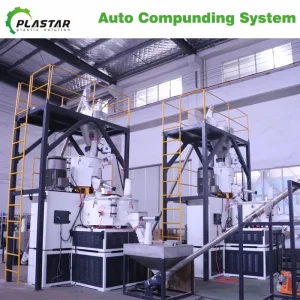
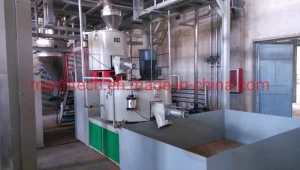
With ongoing urban development in the Peninsula, the demand for PVC-based building materials is high. Our PVC Powder Automatic Compounding Systems enable local suppliers to produce window profiles and pipes with consistent material density and color matching.
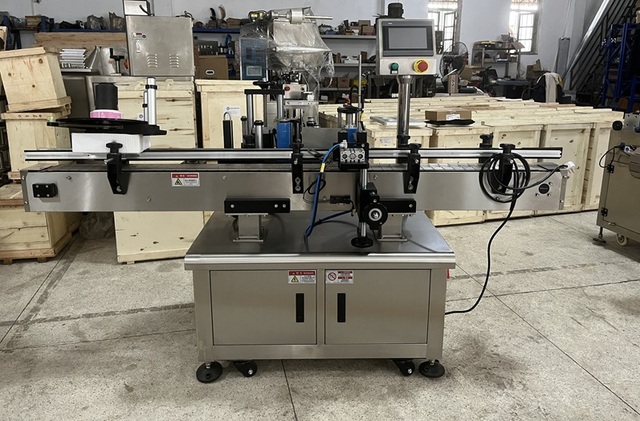
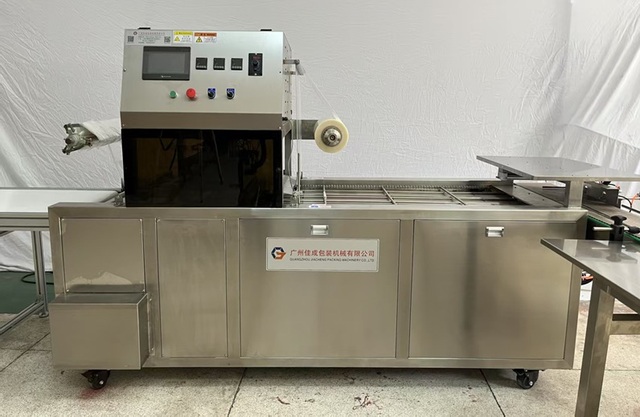
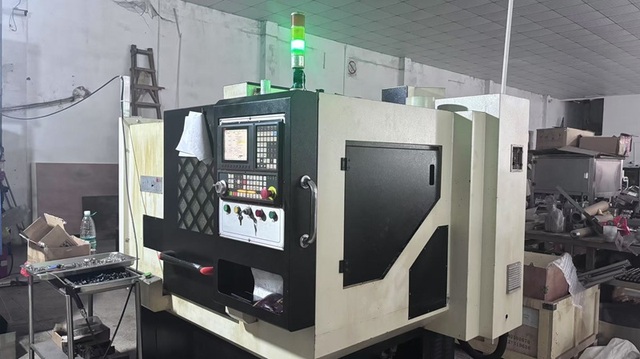
Ningbo Econe Machinery Co., Ltd. is a professional Industrial Packaging Machinery Manufacturer specializing in automated packaging systems, conveying equipment, and end-of-line automation solutions for global manufacturing industries. Based in Ningbo, China, the company focuses on the design, engineering, and production of integrated packaging machinery that helps manufacturers improve productivity, reduce labor costs, and optimize packaging efficiency.
With extensive experience in industrial automation, Econe Machinery provides a comprehensive range of solutions including automated conveying systems, product feeding equipment, weighing and counting systems, bagging solutions, wrapping systems, labeling integration, inspection systems, case handling equipment, and customized end-of-line packaging automation.
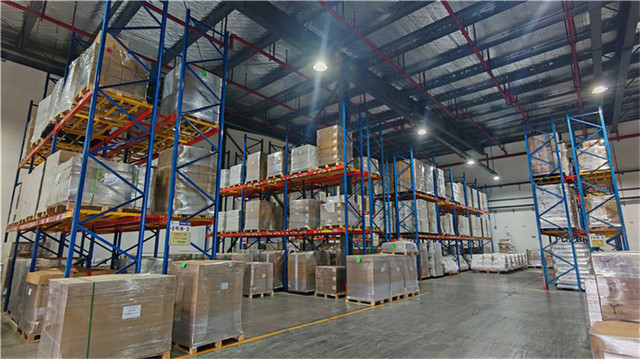
Equipped with modern manufacturing facilities and strict quality control procedures, Ningbo Econe Machinery is committed to delivering durable, efficient, and user-friendly equipment that meets international standards. The company continuously invests in automation technologies and intelligent manufacturing solutions to help customers adapt to evolving market demands.
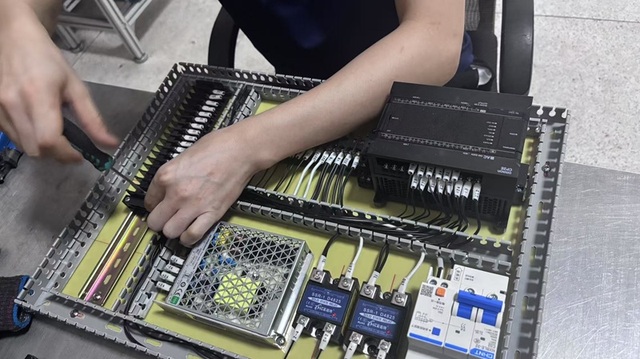
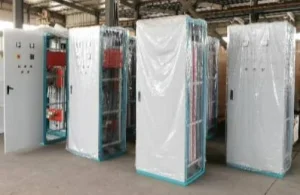
Our PLC-based systems (Siemens/Allen-Bradley compatible) support standard protocols like EtherNet/IP and Modbus, allowing real-time weight data to be pushed directly to your ERP for inventory management and quality tracking.
We provide comprehensive remote diagnostic support and have a modular design philosophy that allows for easy component replacement. For SF-based clients, we offer detailed video commissioning and local partner support options.
Yes. We offer Stainless Steel (SUS304/316) configurations and specialized filtration in our pneumatic conveyors to handle corrosive chemicals or ultra-fine powders (micron-sized) common in San Francisco’s biotech sector.
Most of our clients see a full ROI within 12-18 months. This is driven by a 90% reduction in manual weighing labor, a 10-15% reduction in raw material overages, and significant decreases in dust-related cleanup and health risks.
 Econe Machinery