Explore our premium line of high-performance packaging systems, precision-engineered to integrate seamlessly with continuous motion assembly processes.
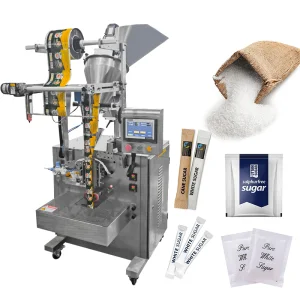

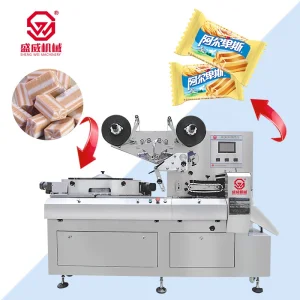
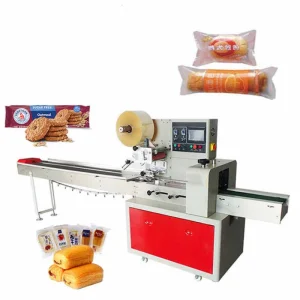
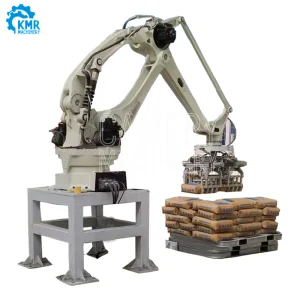
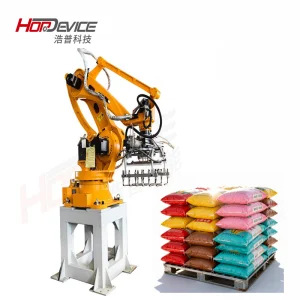
Ningbo Econe Machinery Co., Ltd. is a globally recognized, professional Industrial Packaging Machinery Manufacturer specializing in automated packaging systems, high-speed conveying equipment, and integrated end-of-line automation solutions. Strategically based in the industrial hub of Ningbo, China, the company directs its engineering prowess toward designing, manufacturing, and deploying complete, bespoke packing solutions that help modern manufacturers drastically scale up productivity, lower operating expenditures, and ensure absolute operational consistency.
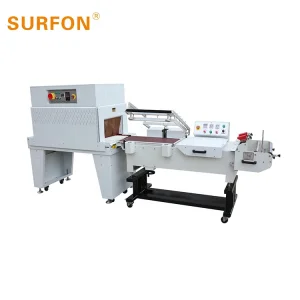
With a foundation built upon years of mechanical innovation, Econe Machinery provides an expansive catalog of packaging systems. This includes high-precision conveying mechanisms, custom feeding units, automatic counting/weighing scales, advanced baggers, high-speed flow wrappers, end-of-line case handlers, shrink tunnels, and customized robotic stackers. These applications are highly trusted across sectors such as pharmaceutical processing, fine chemicals, food packaging, electronics, automotive components, and large-scale consumer goods manufacturing.
Our engineering team partners directly with overseas procurement managers, operations directors, and plant managers to analyze factory blueprints, product dimensions, and target cycles per minute (CPM). From the design stage to global installation, commissioning, and localized maintenance support, Ningbo Econe provides a seamless turnkey experience.
Our commitment to internationally accepted quality standards (CE, ISO9001) guarantees that every continuous motion packaging system that leaves our production floor is optimized for long-term mechanical reliability, structural safety, and high-performance throughput.
To make informed procurement decisions for large-scale packaging lines, operations engineers must evaluate the kinematic differences between intermittent and continuous motion machines.
At the core of high-speed secondary and primary packaging is the method by which film, containers, or pouches move through the sealing and filling processes. In an intermittent motion system, the packaging material is halted during critical steps (such as thermal sealing, cutting, or product filling). While mechanically simpler and highly cost-effective for low-to-medium throughput demands, this start-and-stop sequence imposes severe physical limitations: accelerations and decelerations cause high structural vibration, mechanical wear on gears or belts, and significant film tension fluctuations.
Conversely, a continuous motion packaging system keeps the packaging material, film, or containers in constant, uniform motion throughout the entire operating cycle. Sealing jaws, filling nozzles, or cutting mechanisms are mounted on complex mechanical carriages (often rotary or orbital tracks) that move synchronously alongside the product stream. The physical jaw elements engage, execute the hermetic seal or fill, and retract while traveling at the exact linear velocity of the substrate, returning to their start position via an orbital loop.
| Performance Vector | Intermittent Motion Systems | Continuous Motion Systems (Econe Standard) | Engineering Value Metric |
|---|---|---|---|
| Production Speed (CPM) | Typically capped at 60–90 cycles/min | Up to 180–300+ cycles/min | Minimizes required footprint for high-output lines |
| Mechanical Vibration & Wear | High (due to rapid stop/start sequences) | Ultra-Low (harmonic, continuous kinetic paths) | Reduces component fatigue and maintenance overhead |
| Film Tension Stability | Cyclical stress spikes, risk of micro-tearing | Constant tension via active servo-spindles | Enables use of thinner, cost-effective, eco-friendly films |
| Thermal Sealing Dwell Time | Short window, requiring higher temperatures | Extended contact along the travel axis | Guarantees hermetic seals without scorching materials |
| Product Stability | Vulnerable to liquid sloshing or tipping | Extremely stable, no abrupt inertia changes | Critical for powder packaging & liquid stick-packs |
By employing modern multi-axis motion controller technology (such as EtherCAT bus-based networks), Econe's packaging platforms achieve microsecond-level synchronization between feeding conveyors, draw belts, and the orbit of the sealing jaws. This ensures that even during high-acceleration phases or product changes, the target packaging profile is maintained with an accuracy tolerance of under 0.2mm, preventing waste and ensuring aesthetic consistency.
One of the primary challenges in high-speed flexible packaging is securing a gas-tight, liquid-tight seal in fraction-of-a-second windows. Continuous motion systems address this by extending the physical length of the seal track. Because the jaws move along with the bag, the actual contact (dwell) time can be up to three times longer than that of an intermittent system at the same speed. This allows for lower sealing temperatures, saving power and avoiding burn-through on thin co-extruded films.
The rising demand for FMCG (Fast-Moving Consumer Goods), pharmaceutical unit doses, and highly automated end-of-line packaging lines drives the worldwide continuous motion market.
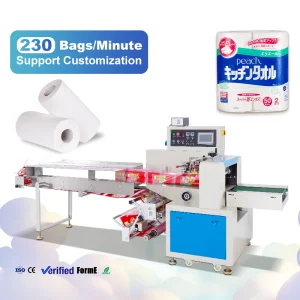
In modern industrial manufacturing, production output is closely tied to factory floor space efficiency. In highly populated consumer markets such as North America, Western Europe, and parts of the Asia-Pacific region, rising labor costs and spatial constraints are driving plant managers to replace multiple slow, intermittent machines with single, unified, high-speed continuous motion systems. By packing products like coffee pouches, confectionery packets, and cosmetics sachets at rates exceeding 200 bags per minute on a single line, plants can reduce their footprint by up to 45% while achieving the same target volumes.
Furthermore, global regulations regarding food safety and medical packaging have elevated the necessity for zero-defect production. Continuous motion technology naturally yields fewer mechanical rejects because the continuous, smooth acceleration profile avoids tearing fragile paper or plastic webs. In regions like the European Union, where extended producer responsibility (EPR) mandates the reduction of plastic thickness, Econe’s continuous motion wrappers excel because they handle ultra-thin materials and compostable films without compromising seal stability.
Econe Machinery addresses these needs by integrating modern industrial components (like Omron, Siemens, or Schneider PLCs and servo drives) to ensure our global clients have access to immediate, local replacement parts and support.
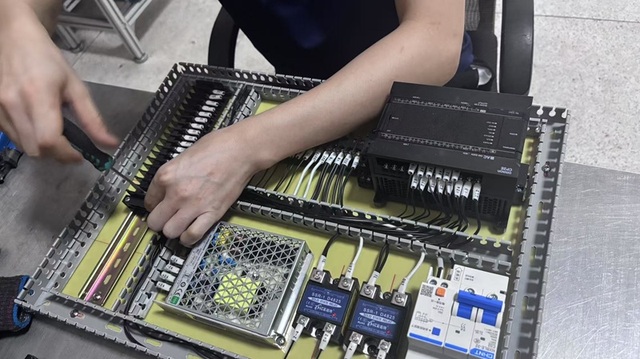
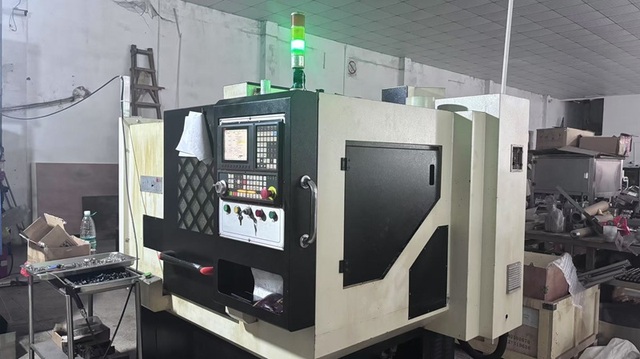
A glimpse into our advanced production lines, assembly facilities, and rigorous quality inspection processes in Ningbo, China.
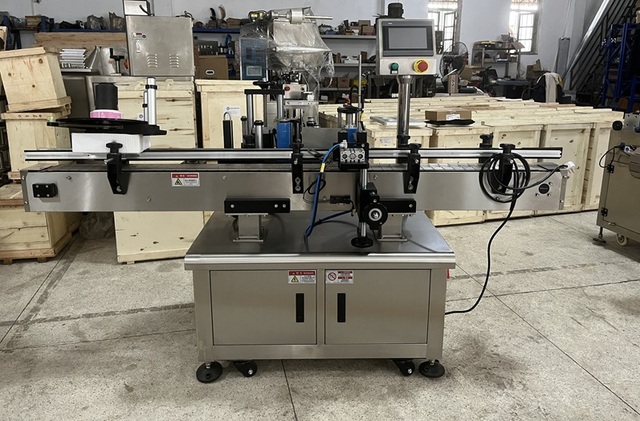
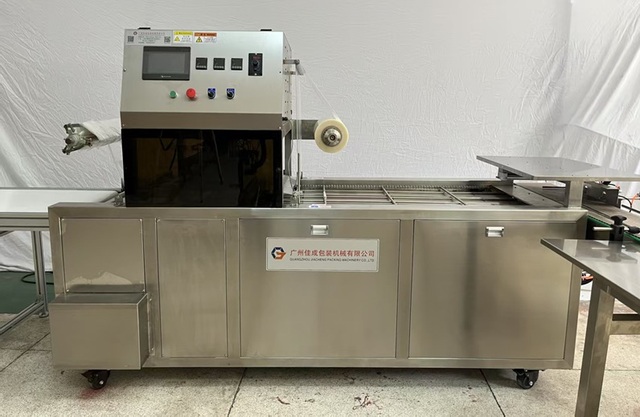
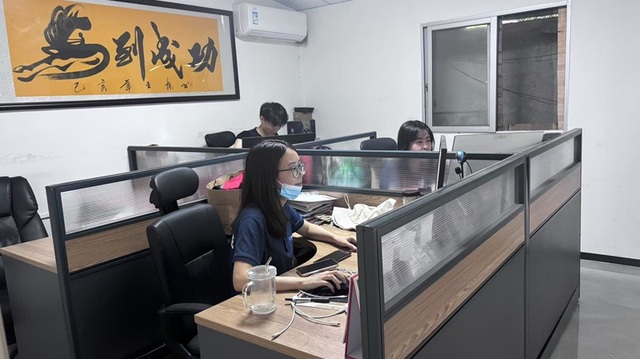


As we progress toward Industry 4.0, packaging systems are evolving from simple mechanical assemblies into intelligent, cyber-physical ecosystems.
Future Econe machinery generations will natively incorporate high-frequency vibration sensors and thermal cameras to monitor servo motor health and seal jaw decay. By analyzing this operational telemetry via edge computing, the system flags potential deviations before they cause line stoppages, changing the maintenance paradigm from reactive to predictive.
With biodegradable and mono-material plastics behaving differently under heat and tension, our current R&D efforts focus on real-time feedback loops. Built-in sensors automatically measure the elasticity and coefficient of friction of the film web, instantly adjusting sealing temperature and pressure settings mid-cycle without operator intervention.
Econe Machinery is committed to aligning its engineering trajectory with the shift toward sustainable manufacturing. Our research efforts prioritize the optimization of electrical power usage, minimizing machine idle-state power draw, and refining our high-speed sealing algorithms to run efficiently on alternative bio-substrates. The future of global manufacturing relies on smarter, faster, and more adaptable packaging technology, and Ningbo Econe is proud to lead this journey from China's premier industrial base.
Integrating individual packaging units into unified, factory-wide systems optimizes product flow and removes operational bottlenecks.
A true continuous motion system requires a steady, metered inflow of materials. By combining high-speed bucket elevators, multi-head vibratory weighers, and customized feed lines, our configurations guarantee a smooth, continuous flow of products (e.g., candies, coffee beans, hardware parts) directly into the packaging bagger or wrap zone without manual handling.
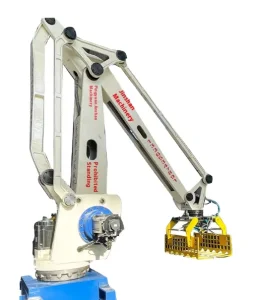
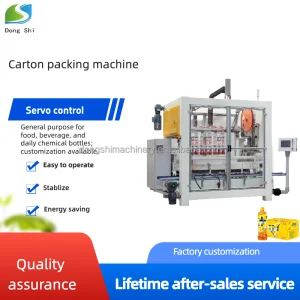
Once bags or cartons are sealed, they must be boxed and palletized efficiently. Econe specializes in designing end-of-line systems that transition bags directly into top-loader case packers and automated cartoning units. From there, robotic palletizing systems using specialized magnetic or vacuum grippers arrange the cartons onto wooden/plastic pallets with high precision, ready for stretch wrapping and shipment.
Clear, engineering-focused answers to common client questions about choosing, installing, and running our continuous motion packaging machinery.
Browse our broader range of manufacturing automation, materials wrapping, and analytical tools designed to maximize factory efficiency.

 Econe Machinery