Discover our top-tier packaging systems, custom industrial packaging machinery, and high-performance automated materials engineered for maximum reliability and structural integrity.
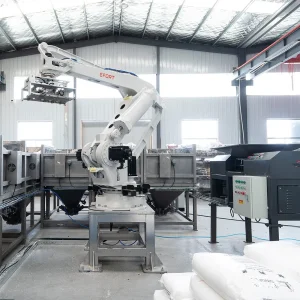
The global packaging sector is undergoing a profound paradigm shift driven by advancements in polymer material science, demanding environmental sustainability targets, and the necessity of high-throughput end-of-line automation. At the center of this transformation are leading manufacturers and exporters in China, who have elevated their capability from baseline commodity film manufacturing to producing high-engineered, multi-layer co-extruded polymers and high-speed robotic integration systems.
For modern sourcing procurement managers and packaging engineers, identifying premium manufacturers is no longer just a transaction based on lowest-per-ton pricing. It requires selecting strategic partners capable of providing dynamic material optimization, extreme high-speed processing compatibility, strict compliance with international food and medical packaging regulations, and a proven technological roadmap geared toward Circular Economy goals.
"By integrating polymer materials engineering with dynamic packaging machinery, operators can realize up to a 30% reduction in plastic consumption while improving load containment stability by more than 45%."
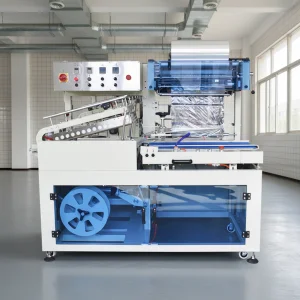
China's export sector has uniquely consolidated vertical manufacturing supply chains. By collocating raw polymer processing facilities alongside high-precision machinery development nodes, premium manufacturers are delivering integrated solutions. In practice, this means shrink films are optimized directly alongside the automated L-bar sealers, high-speed shrink tunnels, and palletizing robots that manipulate them. This synergy drastically mitigates common deployment issues such as dog-ears, burn-throughs, weak heat seals, and film slippage, promoting seamless operations in automated plants.
This comprehensive whitepaper details the state of the industry, highlights critical raw materials (POF, PE, PVC, PETG), evaluates automated packaging interfaces, and serves as an authority guide for enterprises aiming to optimize their global supply chain operations.
Export Destinations Worldwide
Eco-Conscious Materials Available
Packaging Efficiency Increase
Unmatched Gauge Variation Tolerance
A technical assessment of shrink film structures and their operational engineering properties designed for modern industrial applications.
Polyolefin (POF) has emerged as the premier material for consumer retail goods, cosmetics, and food packaging. Composed of polyethylene and polypropylene elements, modern POF is processed using a 5-layer or 7-layer co-extrusion technology. This structural layout provides exceptional clarity, high tensile strength, and a wide operating temperature window. POF is exceptionally stable and remains flexible at temperatures as low as -50°C, making it a critical choice for frozen food shipping.
For heavy-duty transit packaging, collation-grade Polyethylene (PE)—specifically LDPE and LLDPE blends—is the industry standard. These films are engineered for bundling multi-packs of beverages, heavy industrial parts, or stacked raw materials. Offering high puncture resistance and superior load containment, PE films withstand rough handling during long-distance shipping and maritime transport, serving as a reliable alternative to traditional outer corrugated boxes.
Specialty polymers such as PETG (Polyethylene Terephthalate Glycol) and high-barrier EVOH shrink films address complex packaging requirements. PETG offers shrink ratios up to 78%, making it ideal for highly contoured containers and full-body shrink sleeves. EVOH co-extruded films introduce oxygen and moisture barrier protection to prevent oxidation, extending the shelf life of fresh meats, cheeses, and processed foods without compromising packaging clarity.
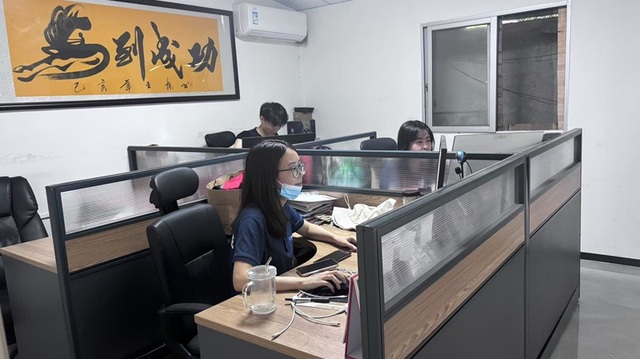
Procurement teams at multinational enterprises evaluate Chinese shrink film manufacturers through key performance metrics. These metrics determine the performance stability, line-efficiency, and cost-benefit analysis of the materials under load.
Critical Sourcing Parameters Include:
Expertise in delivering world-class end-of-line industrial packaging automation, conveying systems, and material integration.
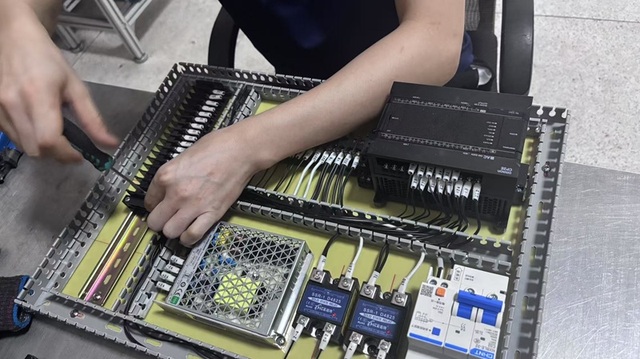
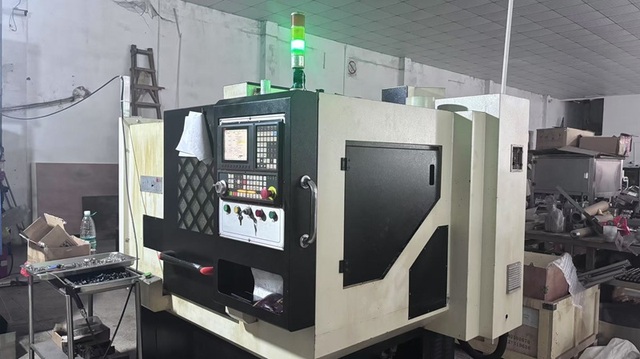
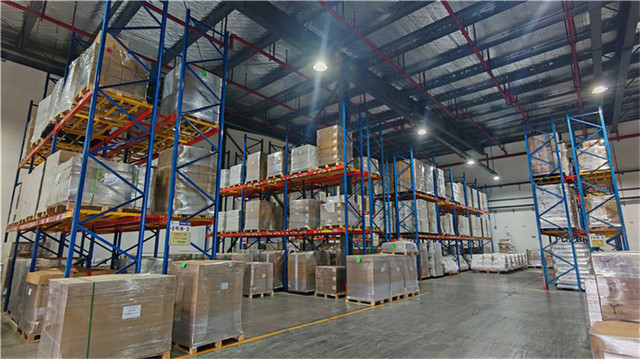
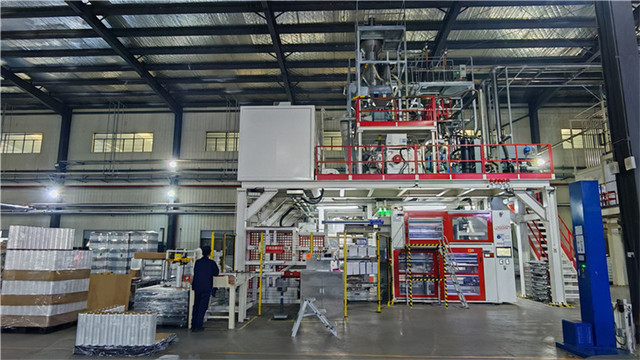
Ningbo Econe Machinery Co., Ltd. is a professional Industrial Packaging Machinery Manufacturer specializing in automated packaging systems, conveying equipment, and end-of-line automation solutions for global manufacturing industries. Based in Ningbo, China, the company focuses on the design, engineering, and production of integrated packaging machinery that helps manufacturers improve productivity, reduce labor costs, and optimize packaging efficiency.
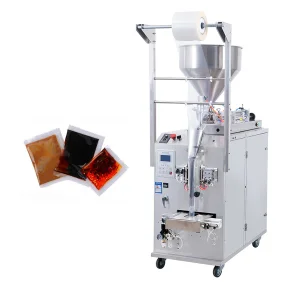
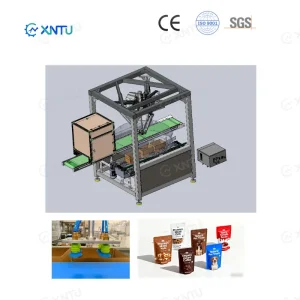
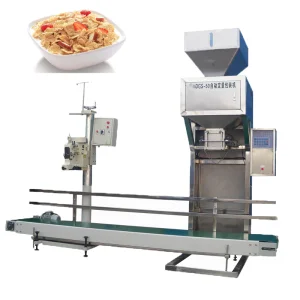
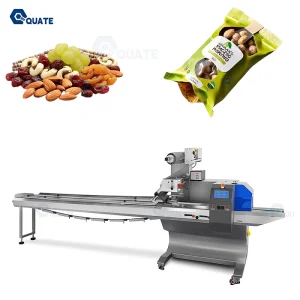
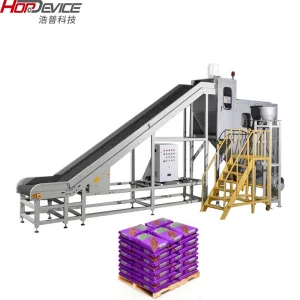
With extensive experience in industrial automation, Econe Machinery provides a comprehensive range of solutions including automated conveying systems, product feeding equipment, weighing and counting systems, bagging solutions, wrapping systems, labeling integration, inspection systems, case handling equipment, and customized end-of-line packaging automation. These systems are widely applied in food processing, consumer goods, pharmaceuticals, chemicals, electronics, hardware, and industrial manufacturing sectors.
The company emphasizes engineering innovation, production reliability, and flexible customization. Its technical team works closely with customers to develop packaging solutions tailored to specific production requirements, factory layouts, and operational objectives. From standalone equipment to fully integrated packaging lines, Econe Machinery supports projects throughout planning, manufacturing, installation, and commissioning stages.
Equipped with modern manufacturing facilities and strict quality control procedures, Ningbo Econe Machinery is committed to delivering durable, efficient, and user-friendly equipment that meets international standards. The company continuously invests in automation technologies and intelligent manufacturing solutions to help customers adapt to evolving market demands.
Serving clients across Asia, Europe, North America, South America, the Middle East, and other international markets, Ningbo Econe Machinery Co., Ltd. strives to be a reliable partner for businesses seeking advanced packaging automation, conveying systems, and end-of-line production solutions that enhance operational performance and long-term competitiveness.
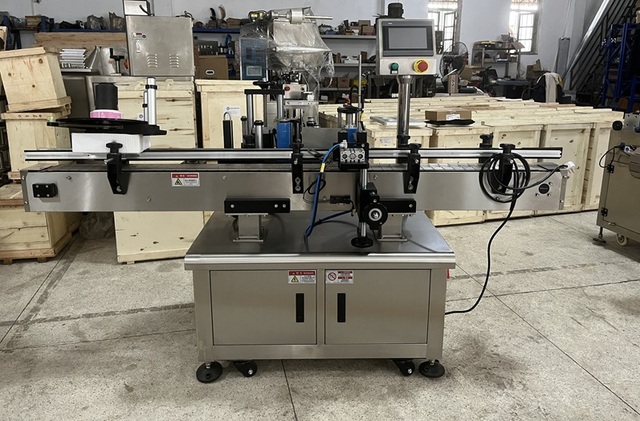
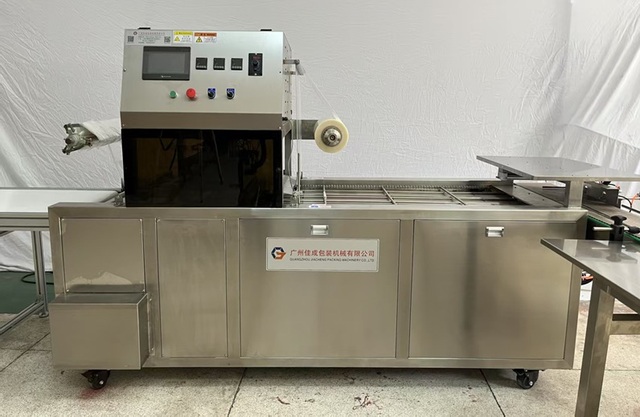
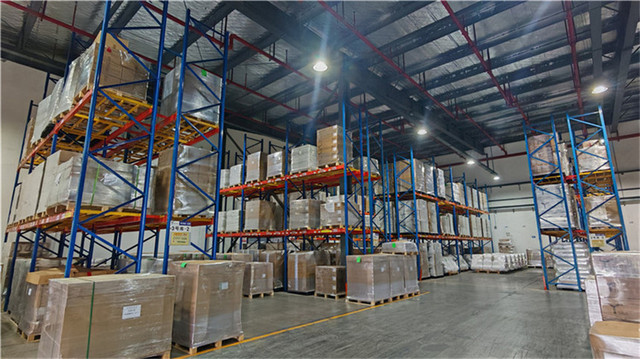
How the alignment of smart materials and AI-driven packaging systems is driving efficiency and lowering carbon footprints.
By using advanced metallocene catalysts during raw material extrusion, film manufacturers can down-gage thickness by up to 40% while preserving high puncture resistance. This yields thinner films that perform with equal or superior tensile properties, directly reducing raw plastic volume, ocean freight costs, and the overall carbon footprint of shipping operations.
With tightening environmental mandates globally (such as the EU Packaging and Packaging Waste Regulation), top China exporters are introducing shrink films containing up to 30% to 50% PCR content. This requires meticulous temperature control adjustments in the shrink tunnel to ensure uniform shrink activation, as recycled polymers react differently to thermal thresholds than virgin resins.
The convergence of material physics with machinery operations represents the next paradigm shift. Modern packaging systems utilize smart visual inspection technology (such as the DOCOD XV01 system) alongside real-time tension sensors to automatically adjust conveyor speeds and heat-sealing bar temperatures based on variances in the film's thickness. This mitigates line downtime, prevents film tear, and ensures consistent quality control throughout operations.
"Smart automated packaging ecosystems reduce waste by dynamically adapting to film irregularities, providing consistent performance across high-speed lines."
Get answers to critical technical questions regarding shrink film materials, equipment selection, and export logistics.
POF (Polyolefin) is a highly durable, food-safe, multi-layer co-extruded material that offers excellent clarity and flexible strength without releasing harmful odors during sealing. PVC (Polyvinyl Chloride) is stiffer and shrinks at lower temperatures, but is less eco-friendly and releases small amounts of chlorine gas during heat sealing, restricting its use in food applications in several jurisdictions.
Thicker films (e.g., 25-50 microns) provide higher puncture resistance and tensile load containment, which is vital for heavy-duty multi-packs. Thinner films (e.g., 12-19 microns) require lower heat tunnel temperatures and shorter sealing cycles, boosting output on high-speed retail packaging lines. Choosing the correct thickness relies on matching the product's weight and shape with the mechanical capacity of the wrapping machine.
"Dog-ears" occur when the air evacuation holes in the film are insufficient or improperly positioned, preventing air from escaping during heating. "Burn-through" happens when the shrink tunnel is set to a temperature that exceeds the film's thermal limit, or when the conveyor belt speed is too slow. Adjusting sealing bar temperature, conveyor speed, and choosing a film with a wider shrink window resolves these issues.
Integrating PCR content can slightly lower optical clarity and modify the film's heat-sealing temperature. Modern multi-layer co-extrusion technologies isolate PCR material within the inner layers of the film, preserving high clarity on the outer surfaces and maintaining structural tensile strength while complying with sustainability mandates.
COF dictates how easily the film slides over metal plates and form shoulders on packaging equipment. A high COF can cause the film to drag and stretch unevenly, resulting in misalignment. A low COF can make the wrapped products too slippery, compromising stability when stacked on pallets. Manufacturers adjust slip additives in the polymer resin to optimize COF for specific packaging systems.
For food and pharmaceutical packaging, films must comply with US FDA regulations (21 CFR), European Union regulations (EU No. 10/2011), and REACH/RoHS criteria. Reliable exporters verify compliance by providing Migration Testing Certificates and third-party laboratory reports (e.g., from SGS or Intertek).
Cross-linked film is processed using an irradiation step that binds polymer chains together. This process increases seal strength, prevents burn-throughs, and enhances puncture resistance. Cross-linked films are highly recommended for packaging items with sharp corners or irregular shapes that would tear standard films.
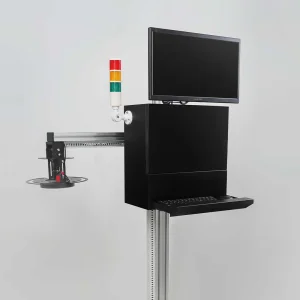
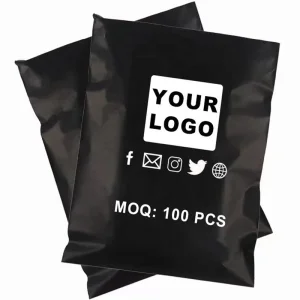
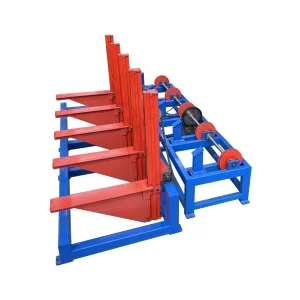
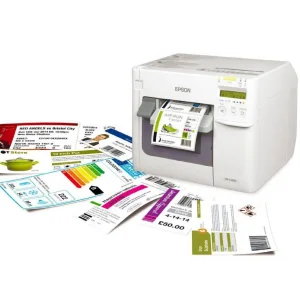
Analyze these advanced industrial machines, sorting platforms, and high-performance packaging components designed to optimize manufacturing throughput.
 Econe Machinery