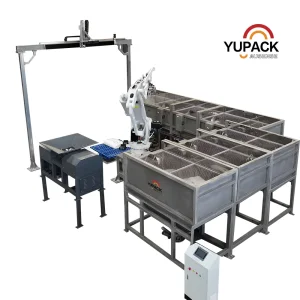
Industrial High-Speed Depalletizing & Bag Breaking System for Modified Plastics

Customization: Available
Automation Level: Fully Automatic
Control System: PLC Control

Product Description

Automatic Bag Unpacking Machine Banner

Basic Info.

Warranty Period 1 Year
Application Chemical, Agriculture, Industry
Packaging Material Plastic, Wood, Bean, Feed
Processing Capacity 400-800 Bags/Hour
Equipment Material Carbon Steel / 304 Stainless Steel
Dimension(L*W*H) 5000*1000*2300 mm
Gas Consumption Approximately 150 L/Min / 0.6 MPa
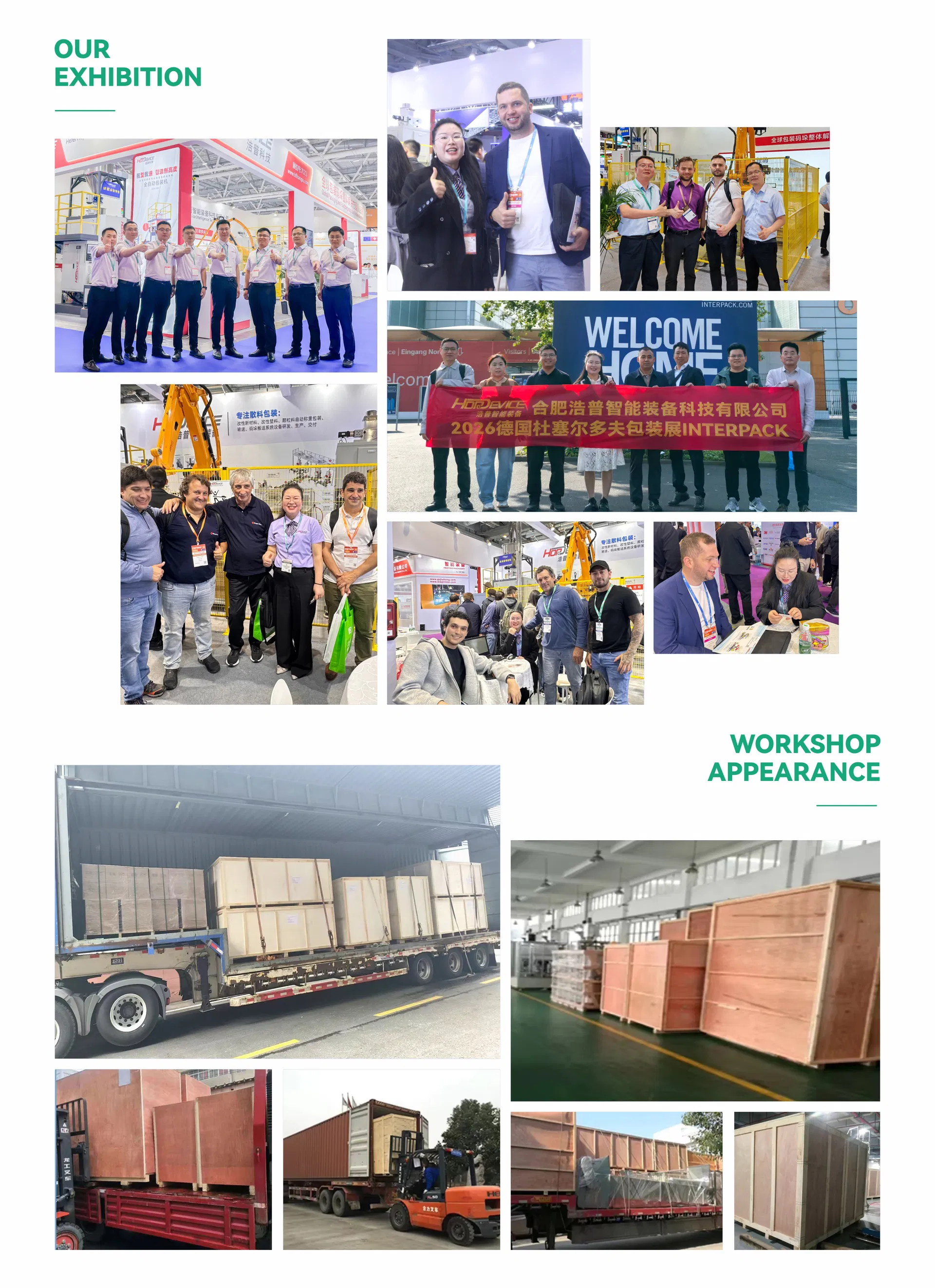
Transport Package Exported Wooden Case
Specification 5-15 CBM
HS Code 848640390
Production Capacity 2000 Units/Year

Packaging & Delivery

Package Size 165.00cm * 240.00cm * 260.00cm
Package Gross Weight 200.000kg

Product Description

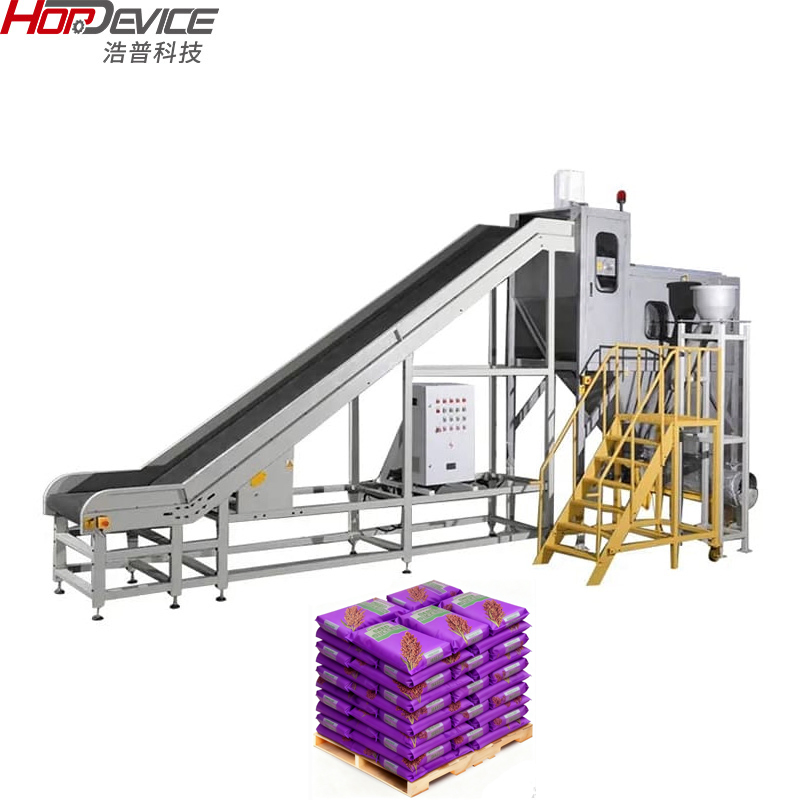
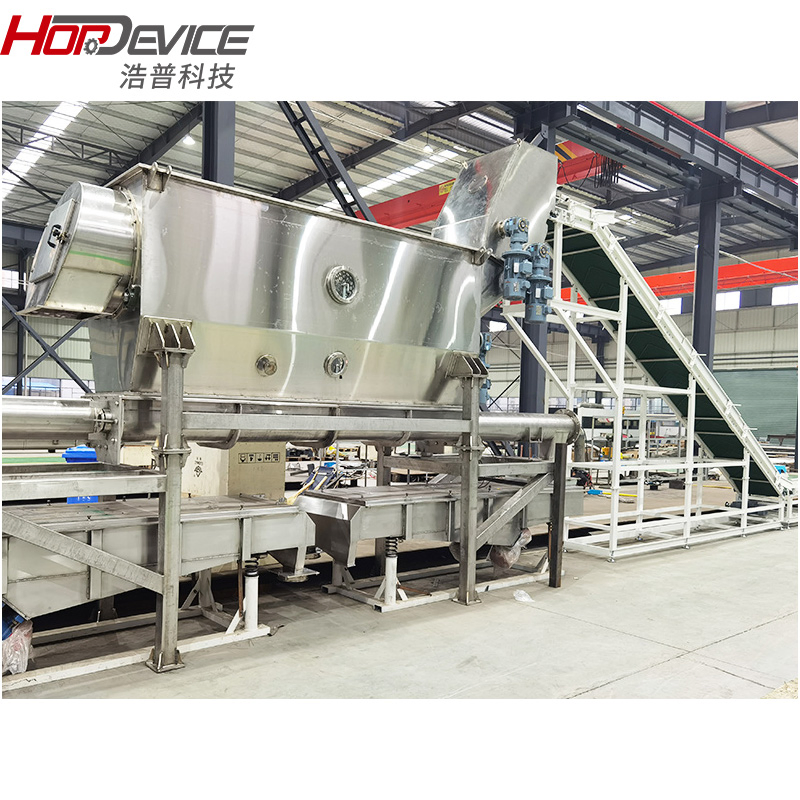
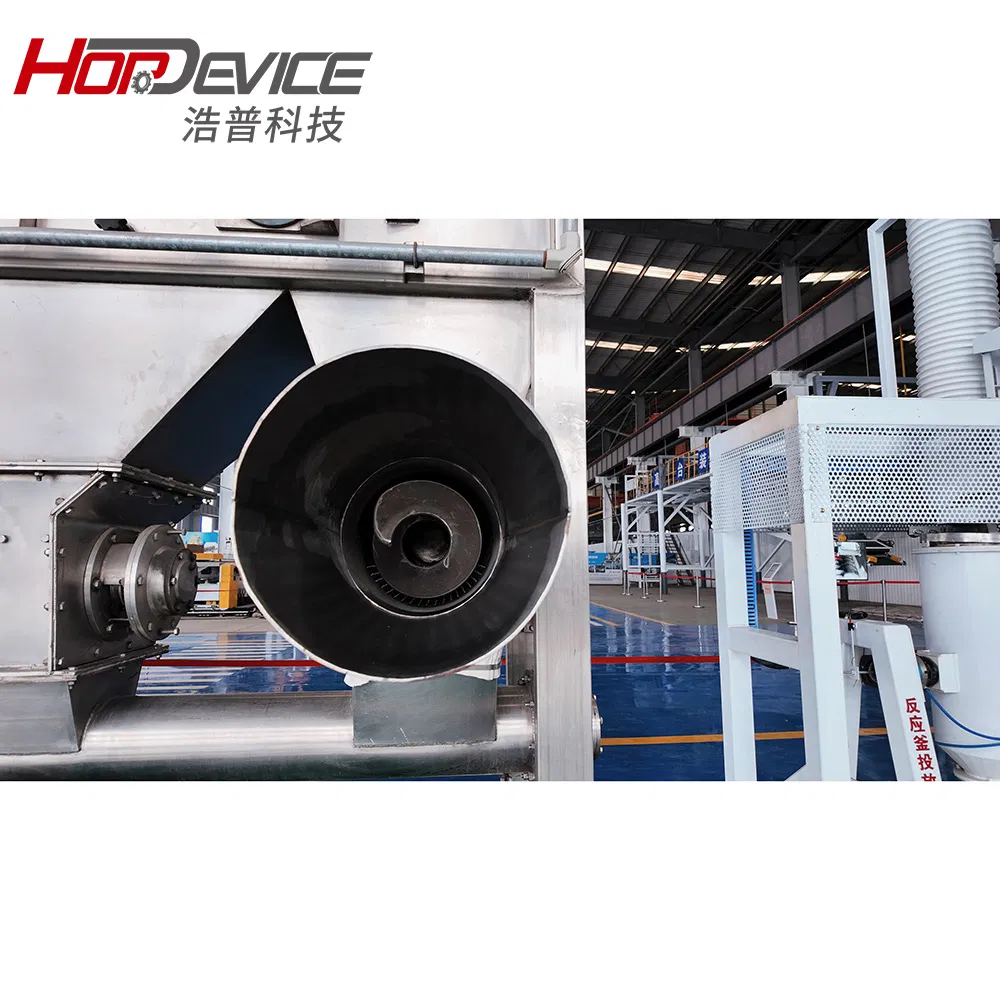
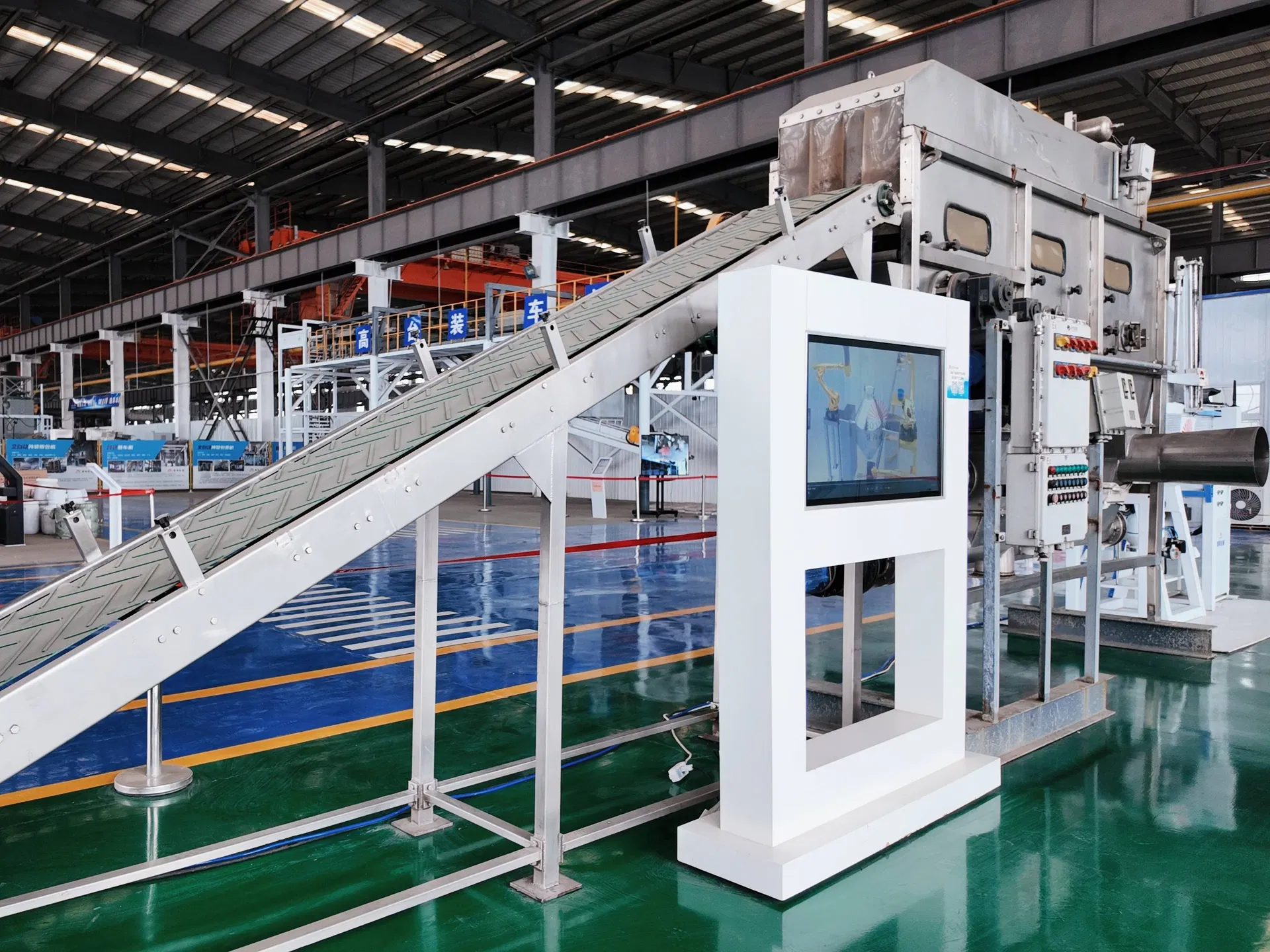
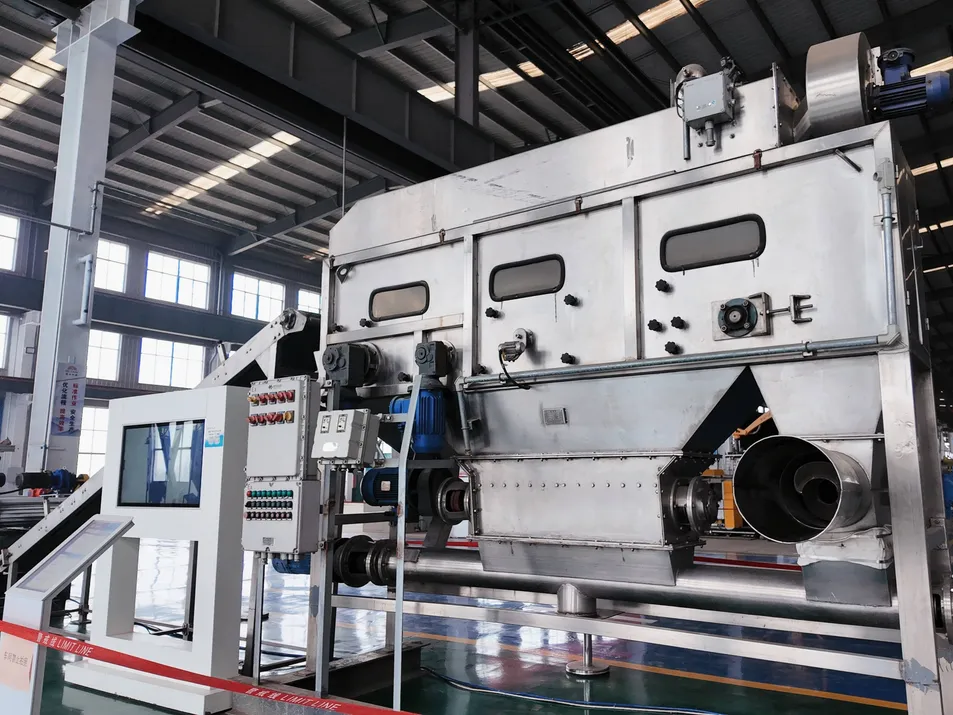
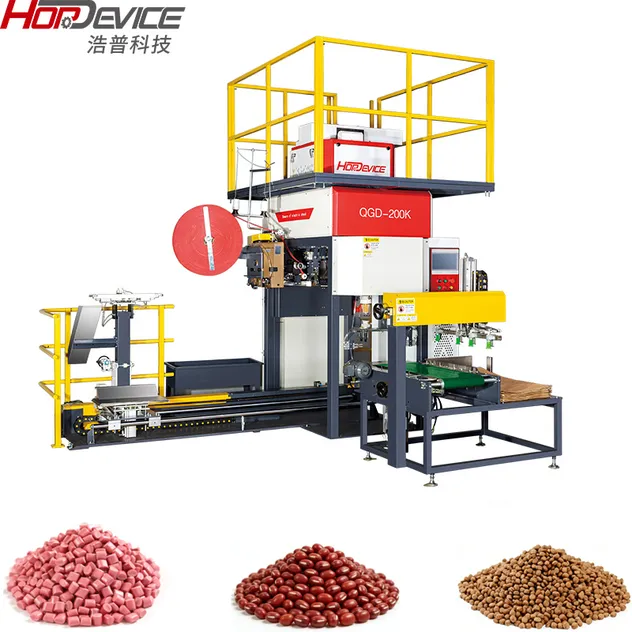
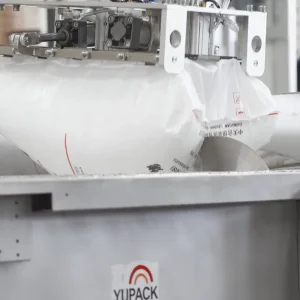
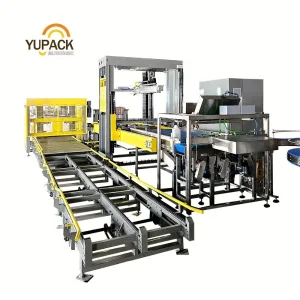
Automatic bag unpacking machine is a widely applicable automatic bag opening device with a high degree of automation. It can perform bag opening operations for various bulk materials such as powders, granules, and small lumps. The automatic bag unpacking machine features stable and reliable high-speed bag palletizing and cutting capabilities, easy adjustment, high unpacking efficiency, simple structure, small footprint, low maintenance requirements, and long service life. It is typically used for unpacking materials in bags of 20–50 kg, and is suitable for bag opening and discharging of various bagged powder and granular materials in industries such as chemical, plastics, feed, food, and building materials. Compared with manual operation, the automatic bag unpacking machine offers faster speed, cleaner bag opening, no dust leakage, and reduced labor and raw material waste.
Main application areas: petrochemicals, chemicals, plastics, pharmaceuticals, food, new materials, energy, daily chemicals, etc.
Materials that can be unpacked: PP, PE, PVC, sodium carbonate, graphite, laundry powder, quartz sand, table salt, soybeans, urea, feed, ammonium nitrate, activated carbon, and other solid bulk materials (powders, granules, flakes, etc.).

Main Features of Automatic Unpacking Machine

  • High operating efficiency – greatly reducing labor and operating costs in daily production.
  • Reduced loss – lowering the residual material rate inside bags and improving utilization efficiency.
  • Reduced pollution – equipped with a dust filtration system, no dust leakage, and improved powder recovery efficiency.
  • Low residual rate – specially designed cutting blade edge reduces waste residue caused by cutting small bags.
  • Strong adaptability – adopts an innovative side-bag feeding method, suitable for small bags with various sealing types.
  • Clean production – parts in contact with the product are made of stainless steel.
  • Automatic control – optional automatic bag feeding system, with each processing step running automatically without excessive manual intervention.
Automatic Unpacking Machine Features Overview

System Components

Name Description
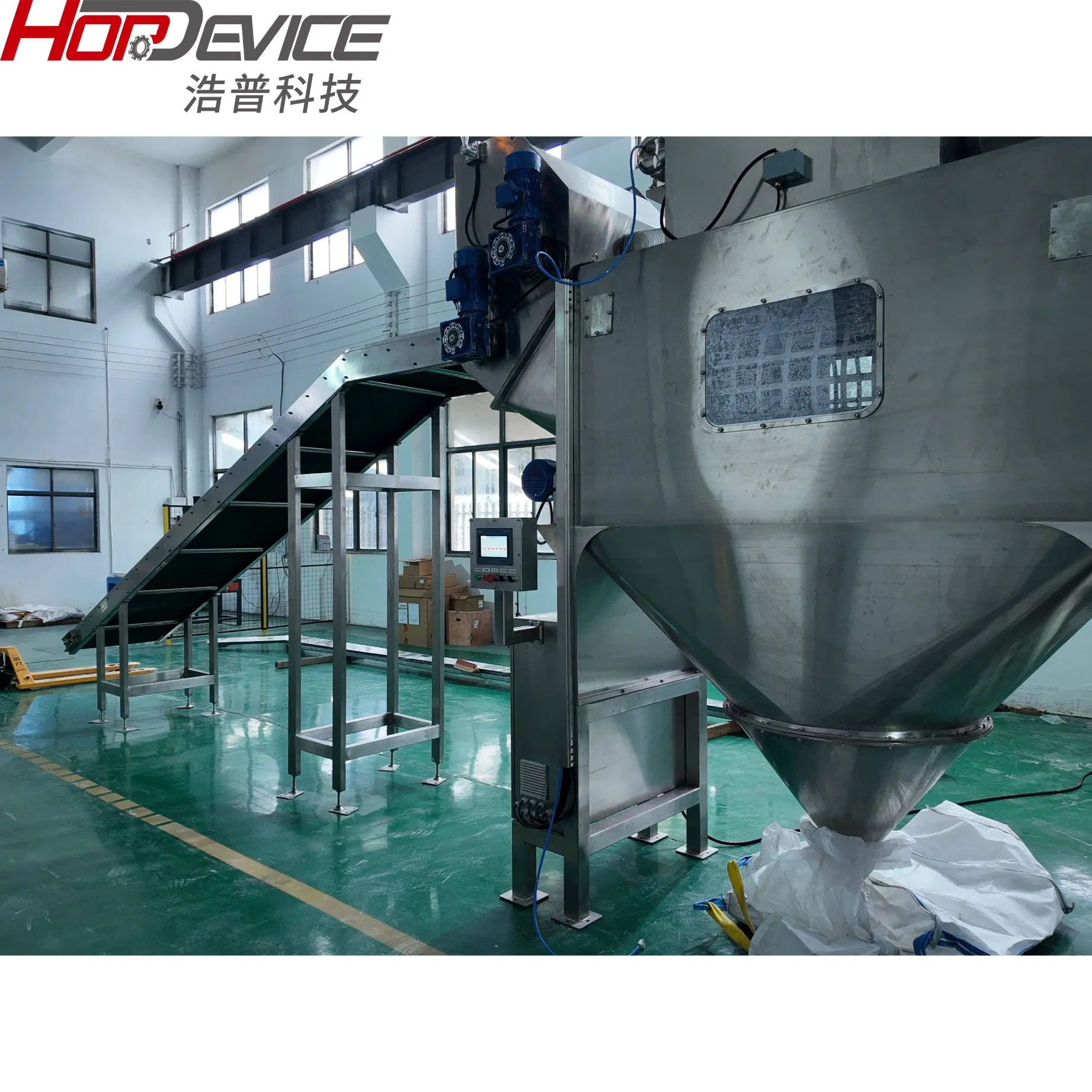
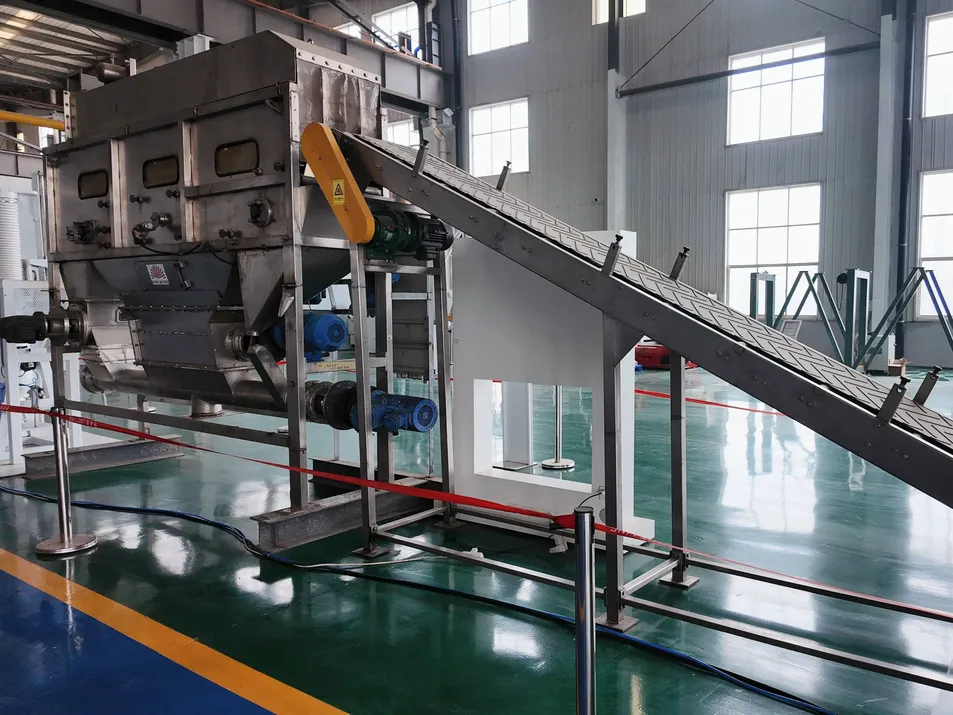
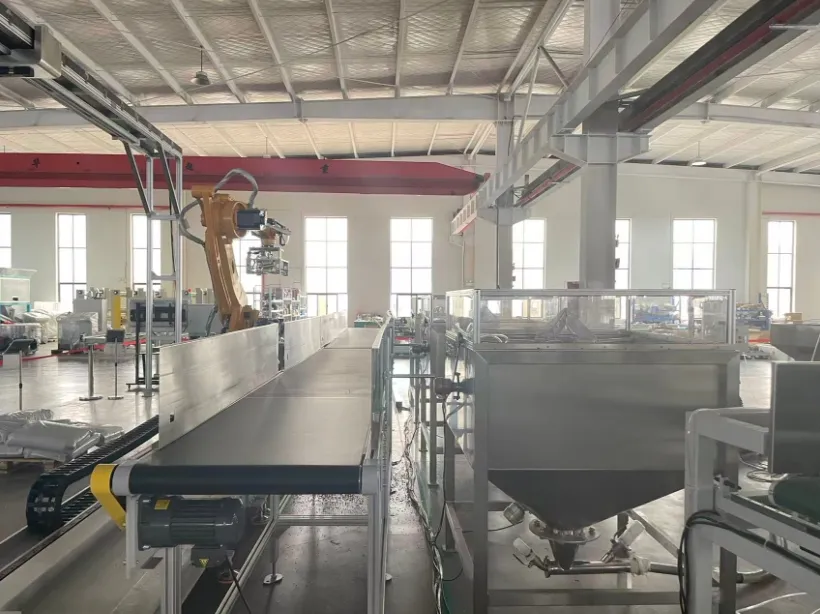
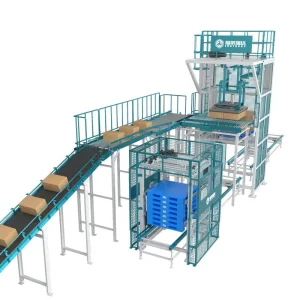
Belt Conveyor After manual or robotic bag loading, it conveys the bags into the bag unpacking machine.
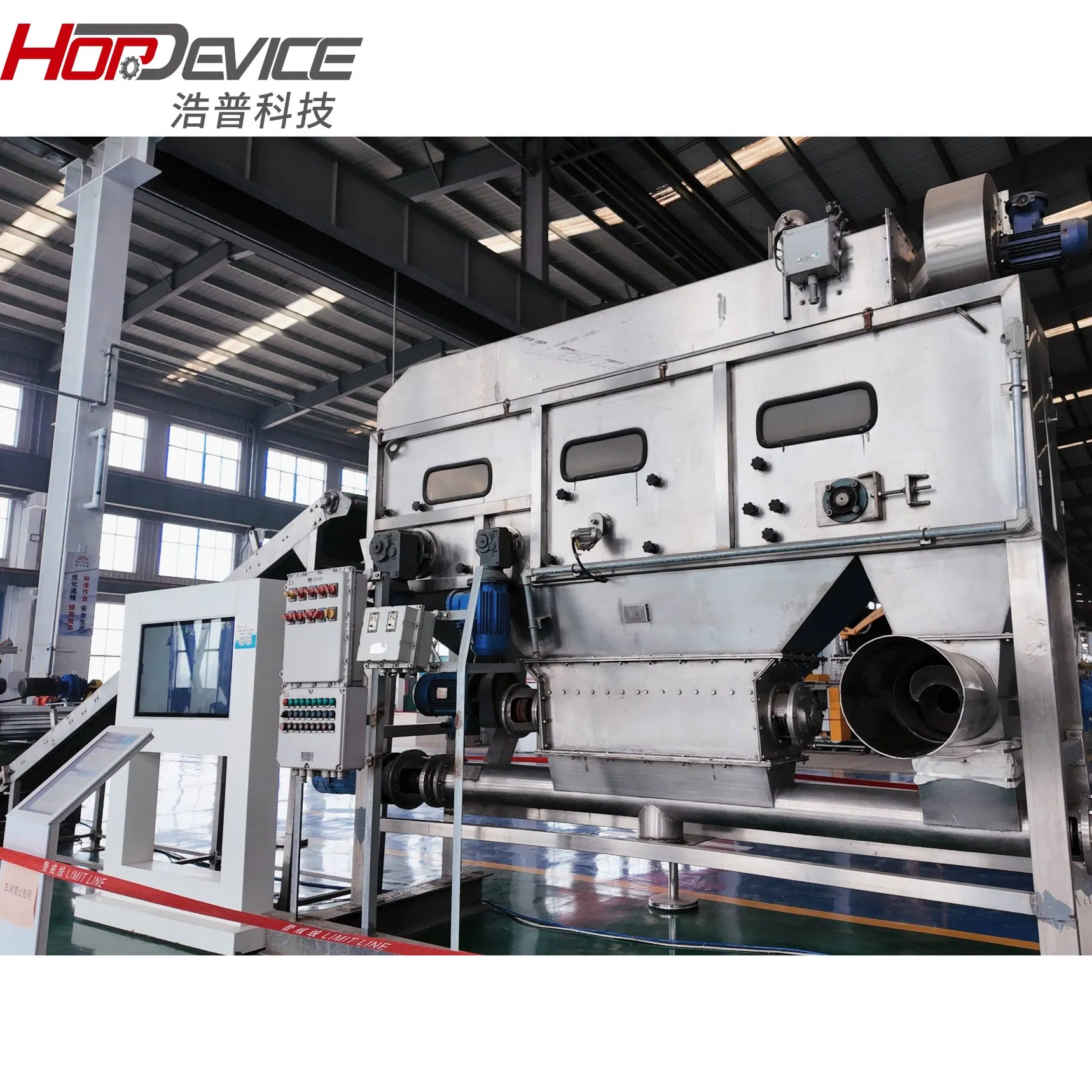
Bag Unpacking Machine Cuts open the bags and separates the materials from the bags.
Waste Bag Collector Collects the unpacked waste bags.
Discharging Hopper Material outlet, which connects to the user's equipment at the rear end.
System Detail 1 System Detail 2

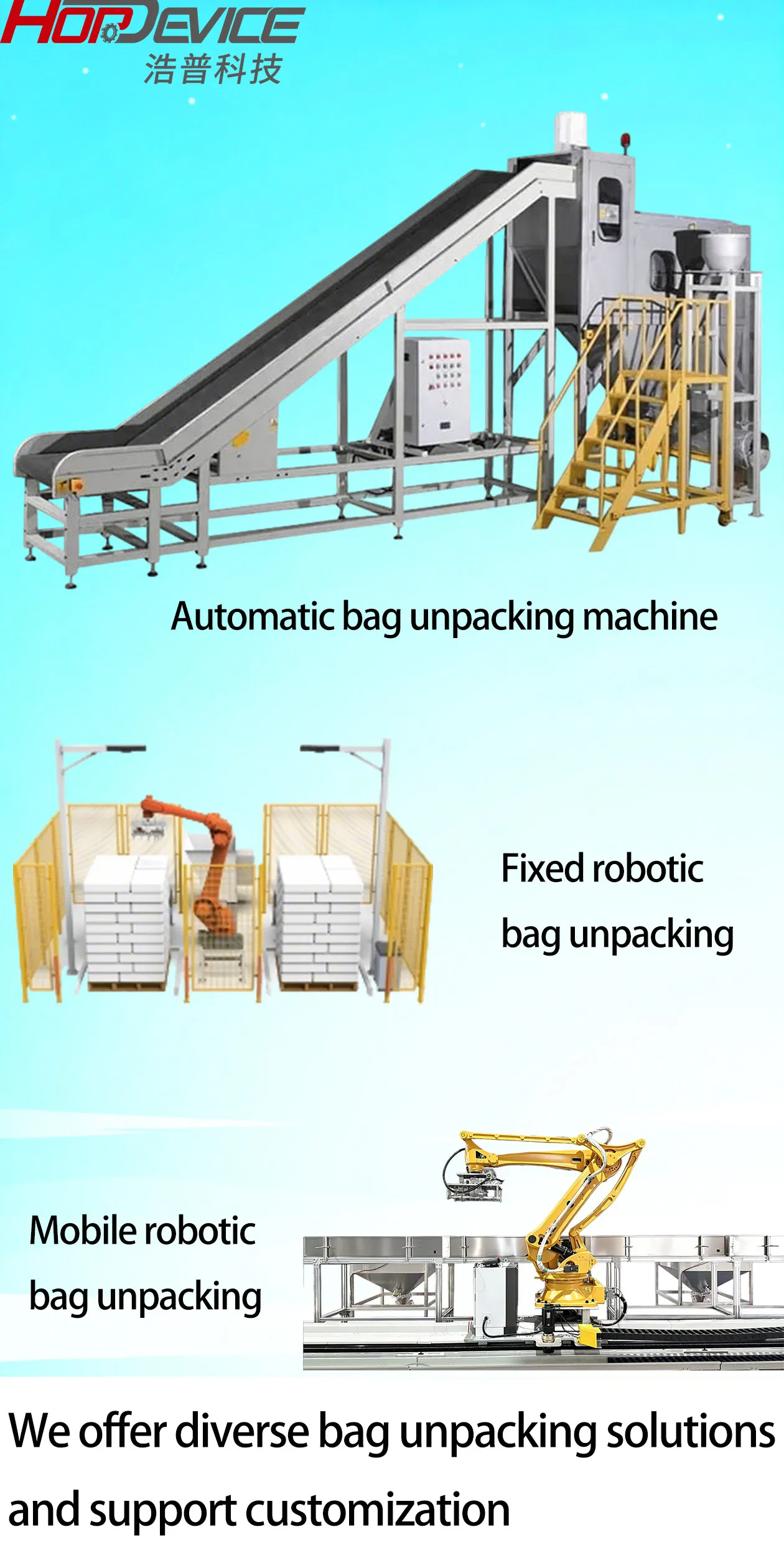
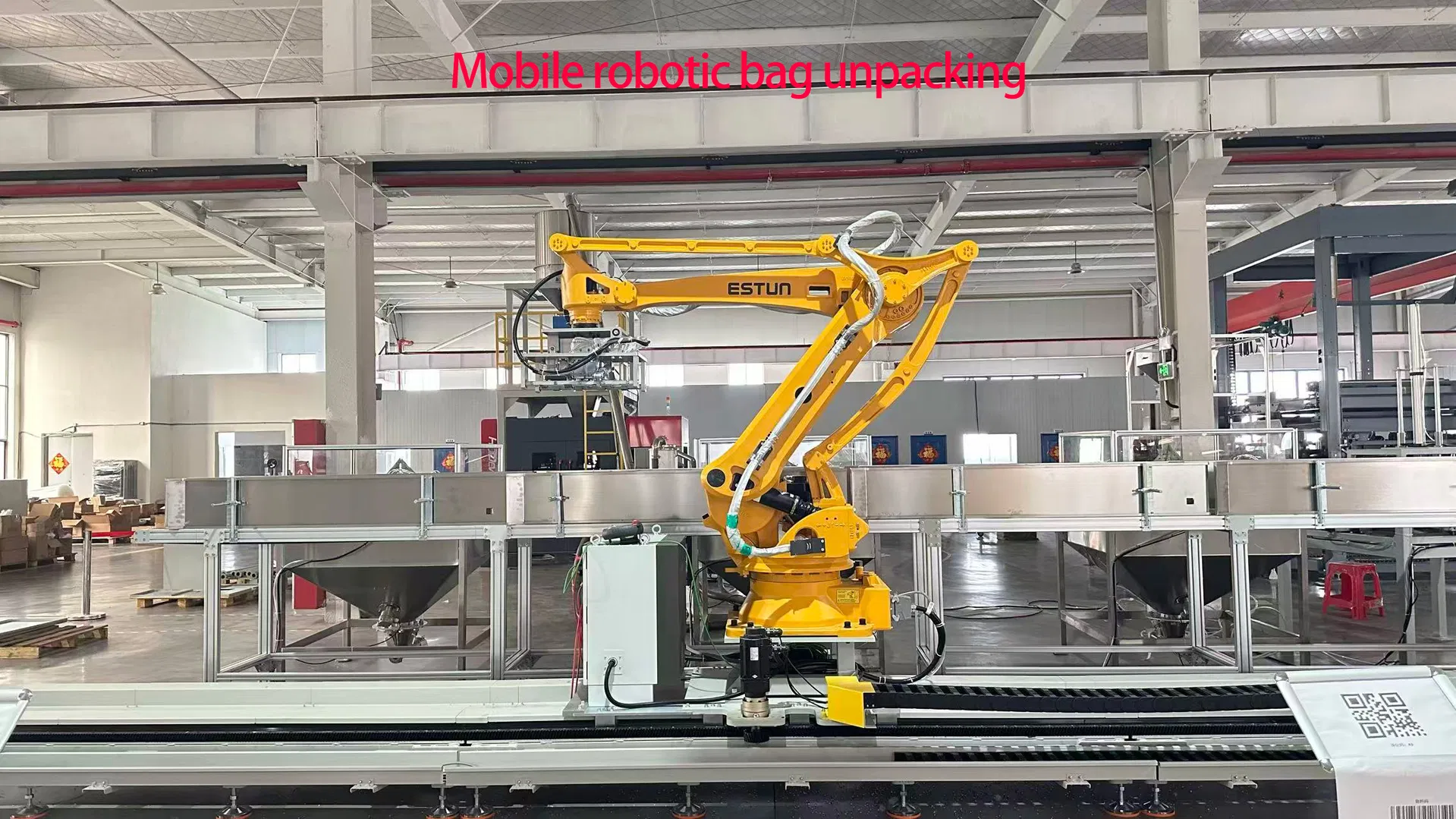
Robotic Bag Unpacking

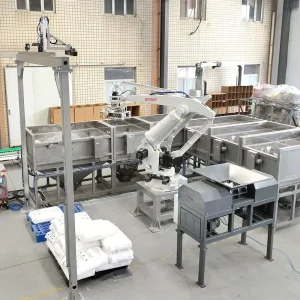
Robotic bag unpacking operation

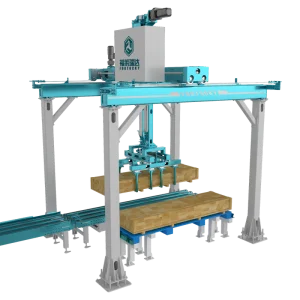
Palletizing removal (depalletizing):

The stack is identified and positioned by a 3D vision system to determine the position and orientation of the bags. Based on the bag coordinates output by the 3D vision algorithm, the robot controls the end-effector to accurately grasp the bags and place them at the designated location.

Bag opening (unpacking):

The 3D vision system locates and guides the recognition of the stack. The robot controls the end-effector to grasp a bag and lift it above the bag cutting device. The cutting device slits the bag according to a preset program and method. After the robot swings the bag to empty the material, the empty bag is discarded into a waste bag collector.

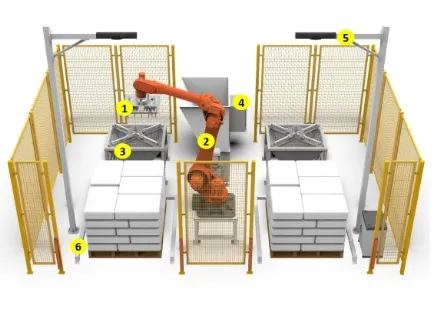
Robotic System Configuration

No. Name Description
1 End Effector Fixture Grasp material bags for bag unpacking operation.
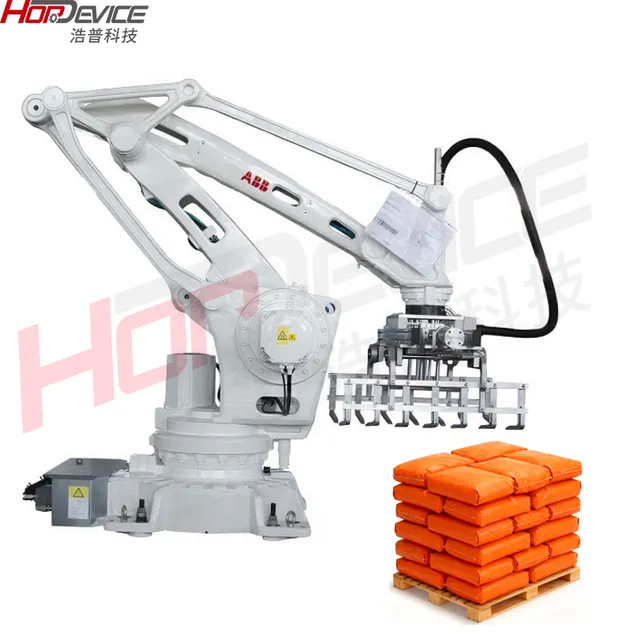
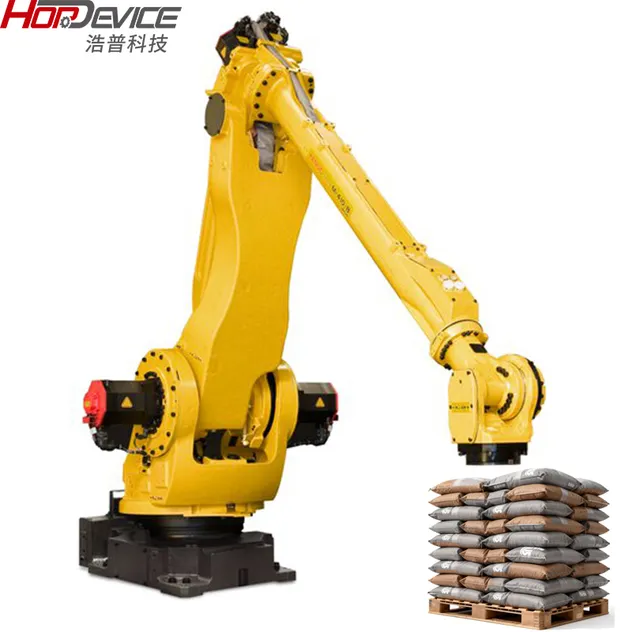
2 Robot Arm Execute pre-programmed procedures and control the robot's end effector fixture for operation based on data fed back by 3D vision.
3 Bag Unpacking Hopper Break open the bags and buffer the materials.
4 Waste Bag Collector Break open the bags and buffer the materials.
5 3D Camera Mounting Bracket Used for on-site installation of 3D camera.
6 Bag Stack Limit Frame Prevent deviation of bag stack placement from the recognition range of the 3D camera.
Detailed System Design Map
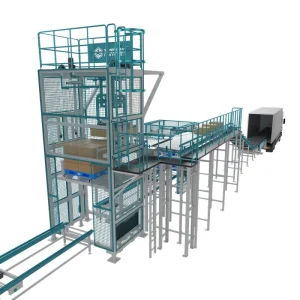
Worksite Layout 1 Worksite Layout 2

Factory & Workshop Showcase

Factory View 1 Factory View 2 Factory View 3
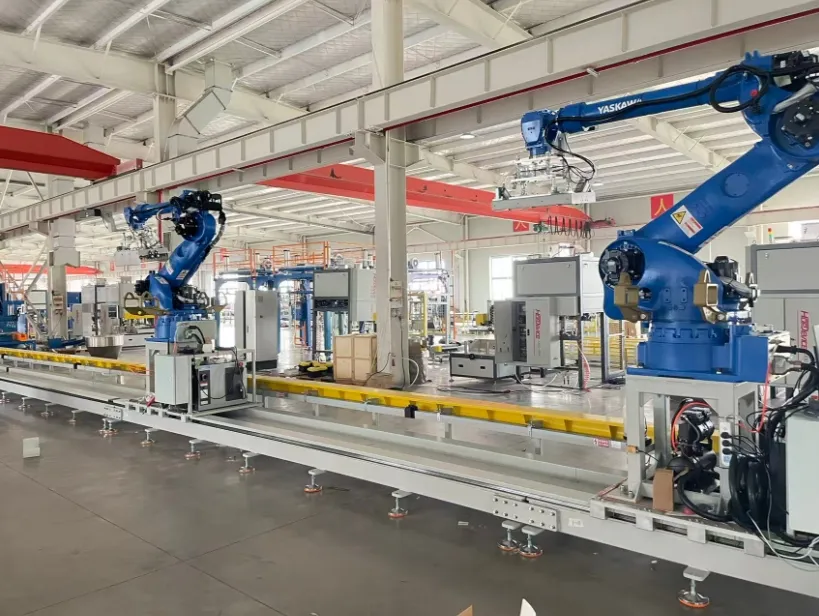
Workshop Assembly Line

Frequently Asked Questions (FAQ)

Q Can your machine be customized?
Yes, we are a professional manufacturer specialized in palletizing robots, packaging machines, conveyors, etc., with a strong design & technical team. We can design and manufacture according to your specific requirements.
Q How can I get an accurate quotation?
Please provide us with the details of your project and the workpieces, including structural drawings and dimensions if available.
Q What are the payment terms, MOQ, and warranty?
Payment terms: 30% down payment by T/T, with the remaining 70% balance due upon delivery.
Minimum Order Quantity (MOQ): 1 set.
Warranty: 12 months following delivery with continuous online support.
Q What is the packaging style for transport?
All machinery goods are securely wrapped with protective film and then packed robustly in export-grade wooden cases.
Q Do you offer installation & debugging support?
Yes, technical support is available. Professional engineers are prepared to support system integration, installation, and debugging overseas to help ensure smooth operations.
Q What is the policy for guarantees and replacement of parts?
We provide a 12-month warranty on all mechanical parts (excluding electrical components and wearable parts). In the event of a manufacturing fault, replacement parts will be provided following analysis and verification.
Product Type A Product Type B Product Type C

Related Products