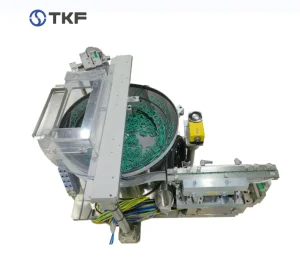
High-performance industrial equipment configured to automate lines, verify quality parameters, and optimize throughput.
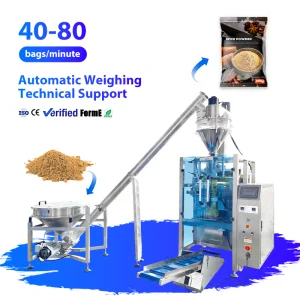
Ningbo Econe Machinery Co., Ltd. is an industry-leading Industrial Packaging Machinery Manufacturer specializing in automated packaging systems, conveying equipment, and end-of-line automation solutions for global manufacturing sectors. Based in the strategic port hub of Ningbo, China, the company integrates advanced design, engineering, and manufacturing capabilities to deliver systems that optimize OEE (Overall Equipment Effectiveness), reduce operational labor overheads, and guarantee long-term operational reliability.
Leveraging decades of industrial automation expertise, our engineering teams build turn-key systems for complex challenges: from vacuum chamber integrity and controlled atmosphere flushing to high-speed product sorting and automated robotic palletizing. Our products serve mission-critical sectors including food processing, consumer packaging, pharmaceutical manufacturing, agricultural bulk bagging, electronics assembly, and hazardous chemical filling. We are focused on transforming raw materials and discrete parts into securely packaged, shelf-stable, and transit-ready final products.
The industrial vacuum packaging landscape is transitioning rapidly from stand-alone mechanical operations to deeply integrated, data-driven systems. In this era of rapid technology shifts, global manufacturing operations face challenges regarding shelf-life extension, sustainability, and strict regulatory criteria. Key developments defining modern vacuum and protective packaging solutions include:
Transitioning away from non-recyclable multi-layered co-extrusions to highly recyclable mono-materials requires superior sealing temperature controls. Our systems feature micro-processor managed sealing bars that protect eco-friendly films from burning or failing.
Connecting vacuum and gas flushing machinery to corporate MES/ERP databases allows manufacturing teams to monitor oxygen levels, sealing pressures, and cycles per minute in real time, shifting maintenance from reactive to predictive.
Food safety and sterile medical device packaging necessitate washdown-ready mechanical structures. Using high-grade 304/316 stainless steel and IP69K-rated enclosures, our designs eliminate bacterial reservoirs.
Procuring heavy-duty packaging machinery is a major capital investment. Experienced procurement managers focus on a balance of technical reliability, operating costs, and after-sales support. Crucial parameters to assess when selecting packaging partners include:
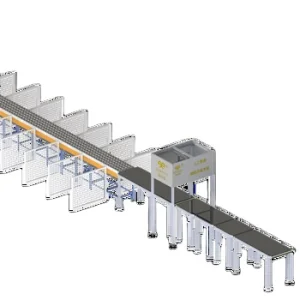
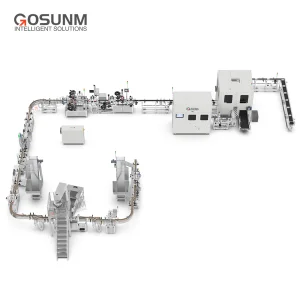
Modern automated plants require cohesive end-of-line systems that transition goods from raw stages to transport configurations. Below are typical system configurations deployed across diverse manufacturing environments:
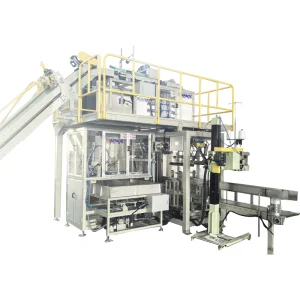
From fine spices to wholesale beans and sugar, preserving food quality is paramount. Using vertical packaging machinery and secondary bag-in-bag baling lines, we provide modified atmosphere packaging (MAP) that displaces atmospheric oxygen with inert gases. This keeps products fresh while preventing moisture entry. Our integrated PLC systems control batching and weighing precisely, preventing raw material giveaway.
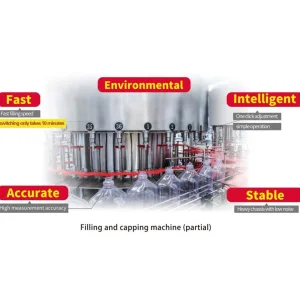
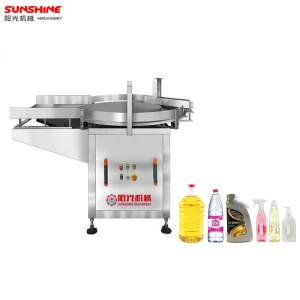
Handling liquids and viscosity-sensitive chemicals requires chemical-resistant components. Our automated lubricant systems for 1L to 5L containers ensure drip-free dosing, precise filling, capping, and label application. Advanced safety enclosures isolate hazardous vapors from operators, maintaining factory floor air quality.
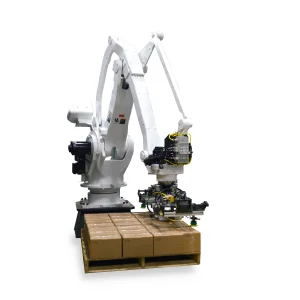
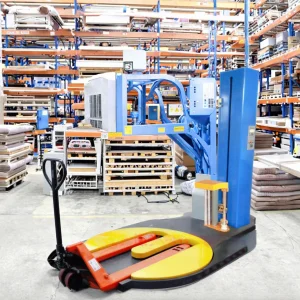
End-of-line bottlenecks can slow down high-speed production plants. To prevent this, our robotic case packers and palletizer systems pack bottles, cartons, or bags into master cartons, stack them on pallets, and wrap them in protective stretch film. By automating these heavy lifting steps, manufacturers reduce workplace injuries and secure pallets for transit.
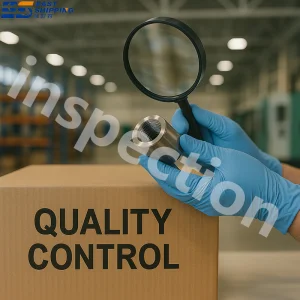
Operating globally requires localized engineering adjustments, certified component options, and strict quality verification. Ningbo Econe Machinery builds systems aligned with global manufacturing environments:
In the coming decade, we are driving engineering advances focusing on three primary pillars of smart packaging technology:
Integrating infrared optical arrays inside sealing mechanisms allows our systems to monitor film melt temperatures in real-time, self-adjusting sealing profiles to prevent micro-leaks even as film thickness varies across production lots.
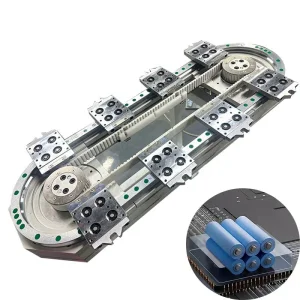
We are refining continuous-motion handling modules to reduce vibration, prevent dust emission during powders dosing, and minimize mechanical product stress, targeting near-zero material loss on primary lines.
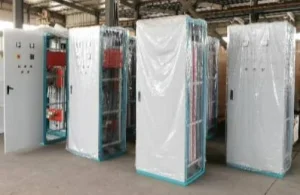
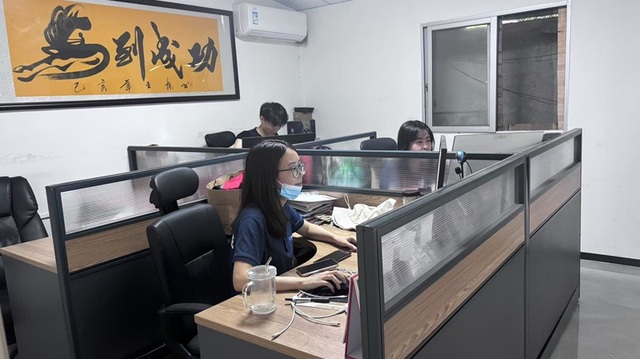
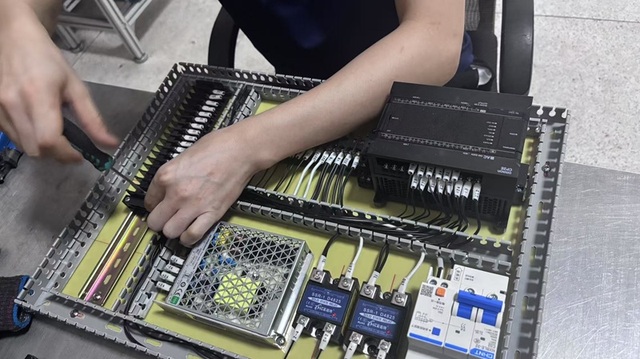
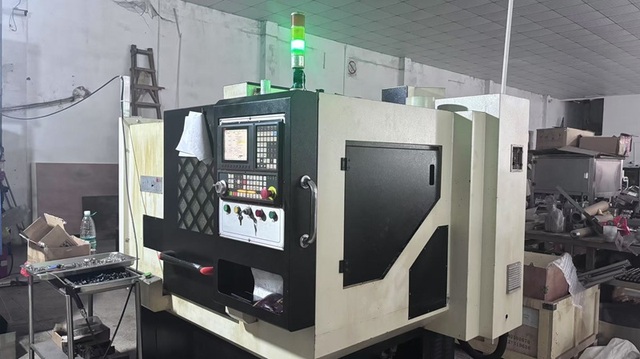
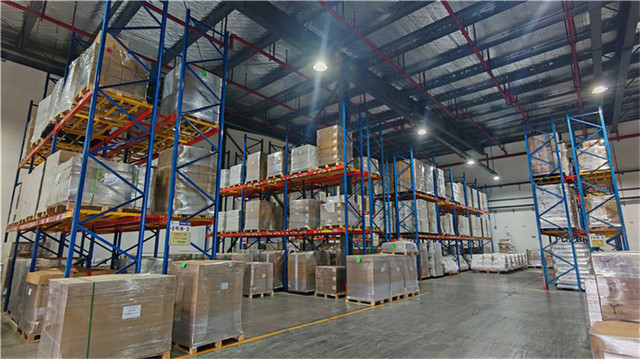
A look into our manufacturing plant showing our machining capabilities, assembly lines, and testing facilities.
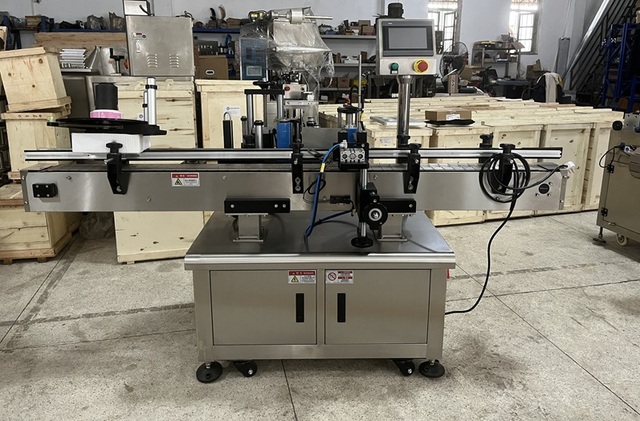
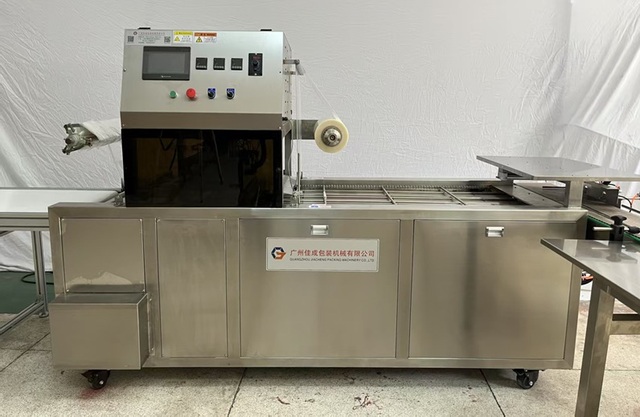
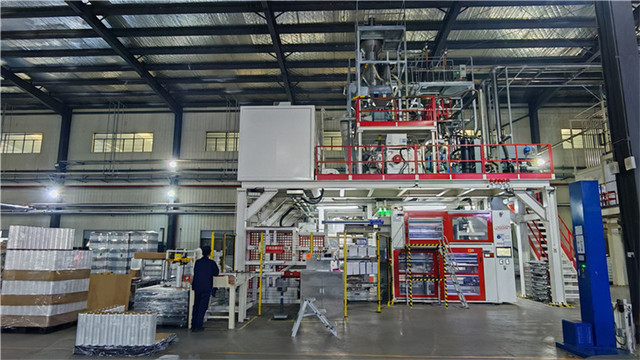
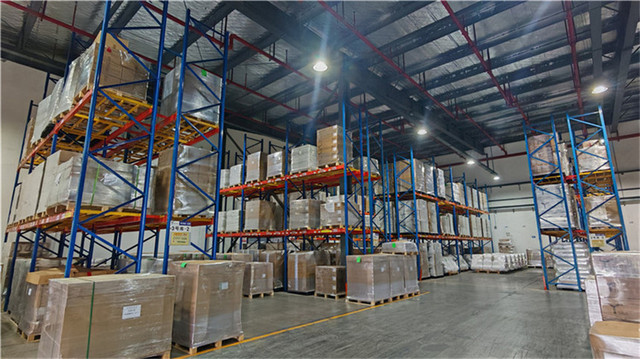
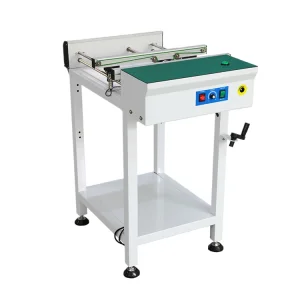
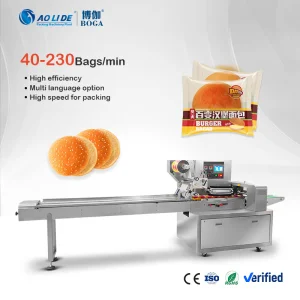
End-of-line systems engineered to bundle, pack, wrap, and transport goods reliably.

 Econe Machinery