Explore our highly integrated engineering systems engineered for real-time defect containment, material inspection, and dynamic product handling.
In modern high-speed manufacturing environments, the integration of precision engineering with real-time inspection processes is no longer a luxury—it is an absolute operational necessity. Globally, manufacturing systems are transitioning from retrospective sample inspections to inline, continuous defect detection. This shift is driven by stringent regulatory codes, rising material costs, and the absolute requirement to prevent product recalls across key industries like food processing, pharmaceuticals, chemical manufacturing, and heavy logistics.
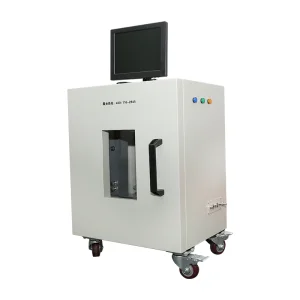
At the center of this transition lies the need for robust quality control tools and end-of-line verification systems. When automated packaging lines run at hundreds of cycles per minute, a single structural flaw, foreign body contaminant, or incorrect package seal can cost enterprises millions of dollars in liability. Real-time verification technologies—such as portable industrial X-ray systems, pneumatic gripper feedback systems, and synchronized visual inspection arrays—enable production plants to execute continuous, non-destructive testing at peak flow rates.
"Global manufacturing efficiency benchmarks now demand inline quality verification that operates at a zero-latency rate, integrating statistical process control (SPC) directly into end-of-line machinery."
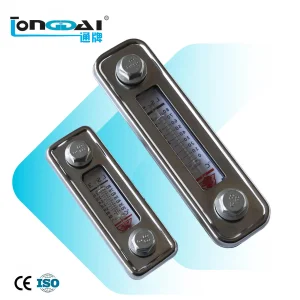
Furthermore, auxiliary systems such as hydraulic temperature level gauges play a critical role in preventive maintenance and system reliability. By monitoring temperature and fill parameters on hydraulic reservoirs and lubrication tanks, these devices ensure that the primary automated systems—such as high-speed horizontal flowpack systems and vertical bagging mechanisms—operate under optimal thermal conditions, eliminating downtime and mechanical error before they manifest as product defects.
When selecting a custom OEM partner for high-precision quality control and automated packaging machinery, global buyers look for an optimal balance of engineering flexibility, cost efficiency, and fast turnaround times. Ningbo Econe Machinery Co., Ltd., based in the industrial hub of Ningbo, China, exemplifies the capabilities of Chinese advanced manufacturing. By leveraging localized supply chains, state-of-the-art metalworking technologies, and deep electronic engineering talent pools, Chinese factories have transcended basic component assembly to become leaders in customized automation integration.
The core advantage of partnering with a Chinese OEM supplier like Ningbo Econe is the agility of design and rapid prototyping. Unlike Western counterparts constrained by rigid component access and long vendor lead times, Ningbo Econe has immediate access to a complete ecosystem of raw materials, precision pneumatic components, and custom machining systems. This allows our design team to convert complex industrial designs into functional, high-performance machinery in a fraction of the time, allowing global partners to scale up operations rapidly.
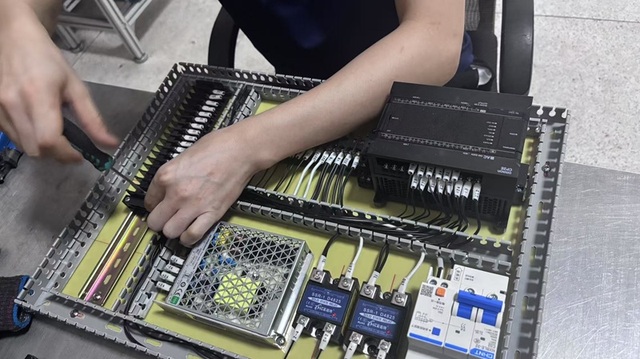
Additionally, Ningbo Econe's structural engineering matches global standards. Using high-grade stainless steel (SUS304/SUS316), precision aluminum alloys, and industry-standard PLC units (such as Siemens, Omron, or Mitsubishi), our machines are built for harsh, continuous operating environments. The combination of cost-efficient labor, local manufacturing clusters, and rigorous quality control testing ensures that every piece of machinery shipped complies with international regulations, including CE, FDA, and GMP guidelines.
How our automation and quality control solutions solve specific engineering challenges across diverse global environments.
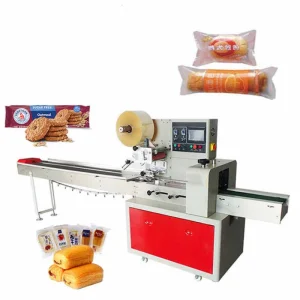
In automated bakeries and snack production facilities, inline quality control is paramount. Using high-speed horizontal flowpack systems alongside portable X-ray detectors ensures that cookies and packaged foods are free of metal fragments, glass, and stone contaminants. The machinery withstands intensive washdown procedures while delivering high throughput rates.
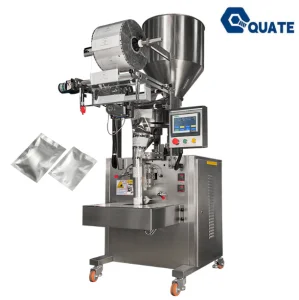
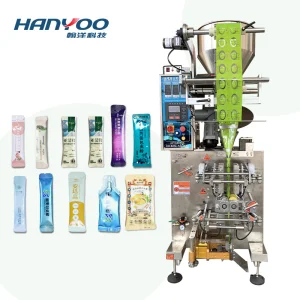
Precision and hygiene are non-negotiable in pharmaceutical packaging. Our vertical bagging systems, integrated with precise optical inspection and weighing modules, ensure that granular medical compounds, tablets, and powders are metered into bags with sub-gram accuracy, preventing cross-contamination and assuring compliance with pharmacopoeia standards.
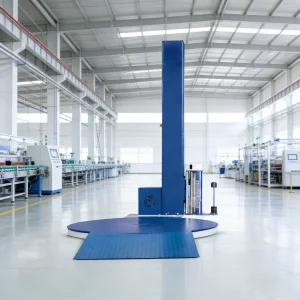
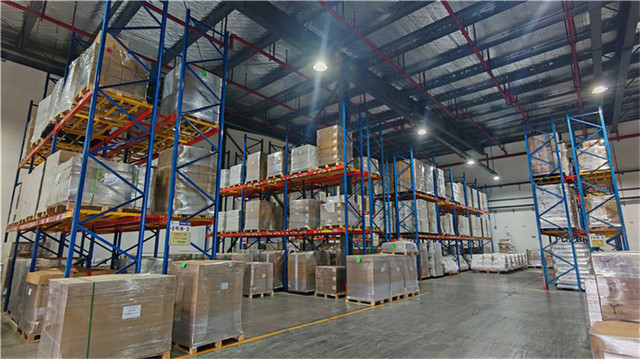
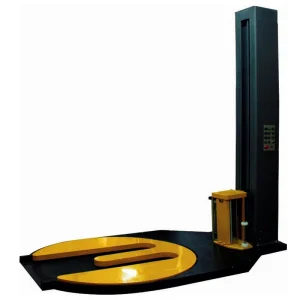
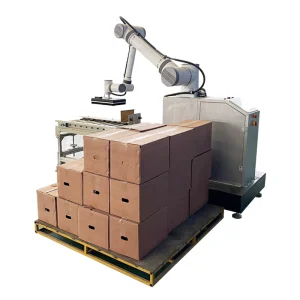
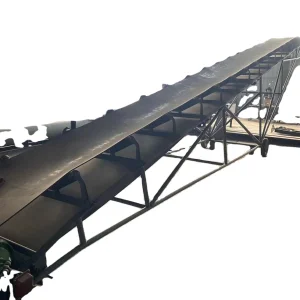
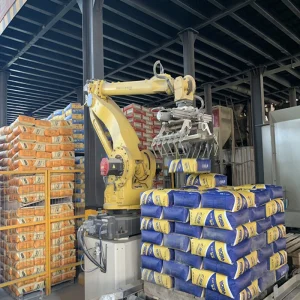
With global supply chains operating under pressure, automated warehouse hubs require high-capacity sorting conveyors and robotic depalletizing/palletizing machinery. Using automated pallet wrappers and inline dimension-weight-scanning (DWS) equipment, logistics facilities maximize throughput while guaranteeing structural integrity of pallets.
The landscape of industrial manufacturing is undergoing a deep digital transformation. As Industry 4.0 transitions to Industry 5.0, the focus is shifting toward collaborative networks of human expertise and machine intelligence. Quality control tools are no longer isolated check-stations; they are now fully integrated, IoT-enabled nodes that feed data back to central manufacturing execution systems (MES). By deploying advanced neural networks and deep learning models, modern inspection units can predict mechanical failure and detect microscopic anomalies that conventional sensors would miss.
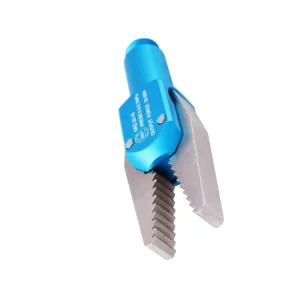
In parallel, the rise of collaborative and industrial robotic arms has redefined material handling. Standard fixed automation is increasingly replaced by flexible robotic arms equipped with intelligent grippers. These grippers use tactile sensors and high-frequency pneumatic controls to adjust their holding pressure based on the physical properties of the object. Whether depalletizing raw materials or stacking finished packaging boxes, these robotic systems adjust dynamically, reducing damage rates to zero.
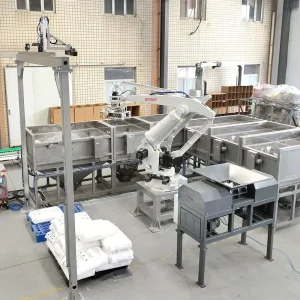
Another major trend is the development of zero-dust material handling interfaces. In chemical and food packaging plants, traditional debagging procedures often generate substantial particulate matter, posing environmental and safety risks. Modern automated bulk bag breaking systems overcome this by sealing the cutting chamber, utilizing robotic depalletizers to position the bag, and executing the dust-free transfer of powders. This focus on clean, sealed, and automated environments represents the future of global bulk processing.
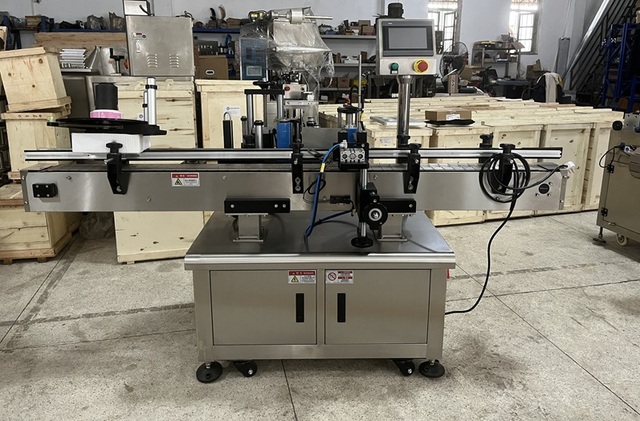
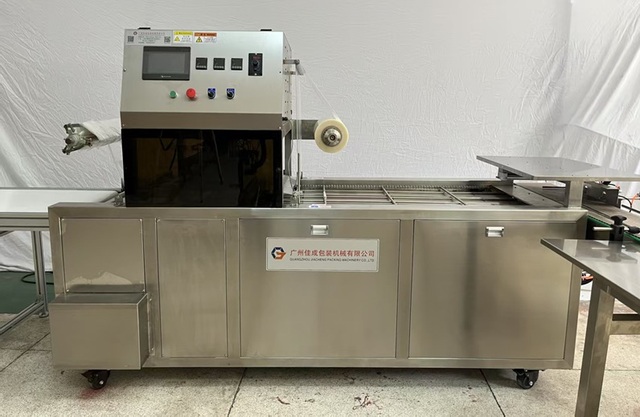
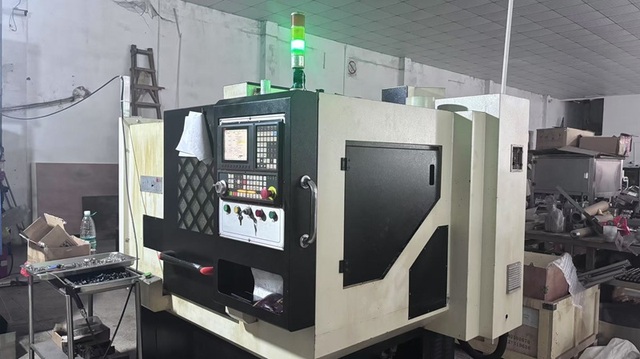
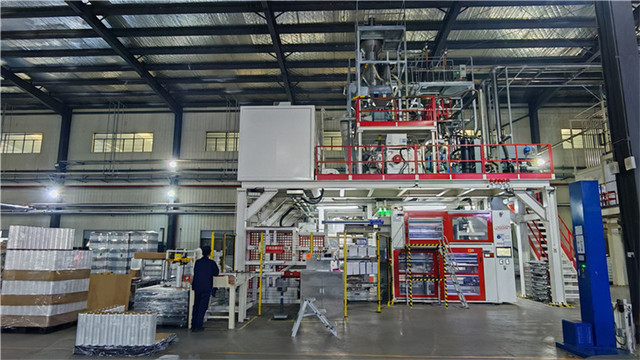
Our modern manufacturing facility features advanced CNC machining centers, automated welding bays, and rigorous testing lines. Every piece of equipment, from flow packers to robotic palletizers, undergoes rigorous quality testing before shipment.
For international procurement directors, identifying the right custom OEM packaging and inspection machinery supplier involves a strict vetting process. The decision extends beyond purchase price to encompass Total Cost of Ownership (TCO), layout flexibility, structural durability, and post-sales support infrastructure. When auditing potential partners, enterprises should evaluate the following structural criteria:
Technical answers to critical integration, engineering, and procurement questions.
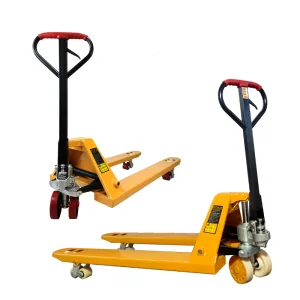
End-of-line packaging systems, heavy duty warehouse machinery, and robotic palletizing equipment designed for high-efficiency operation.
 Econe Machinery