Econe Machinery
1 / 5
We are a specialized provider of industrial automation solutions, dedicated to enhancing productivity, precision, and efficiency for clients. We integrate advanced technologies to deliver reliable equipment and intelligent control systems tailored to modern manufacturing and processing needs.
Our core offerings include:
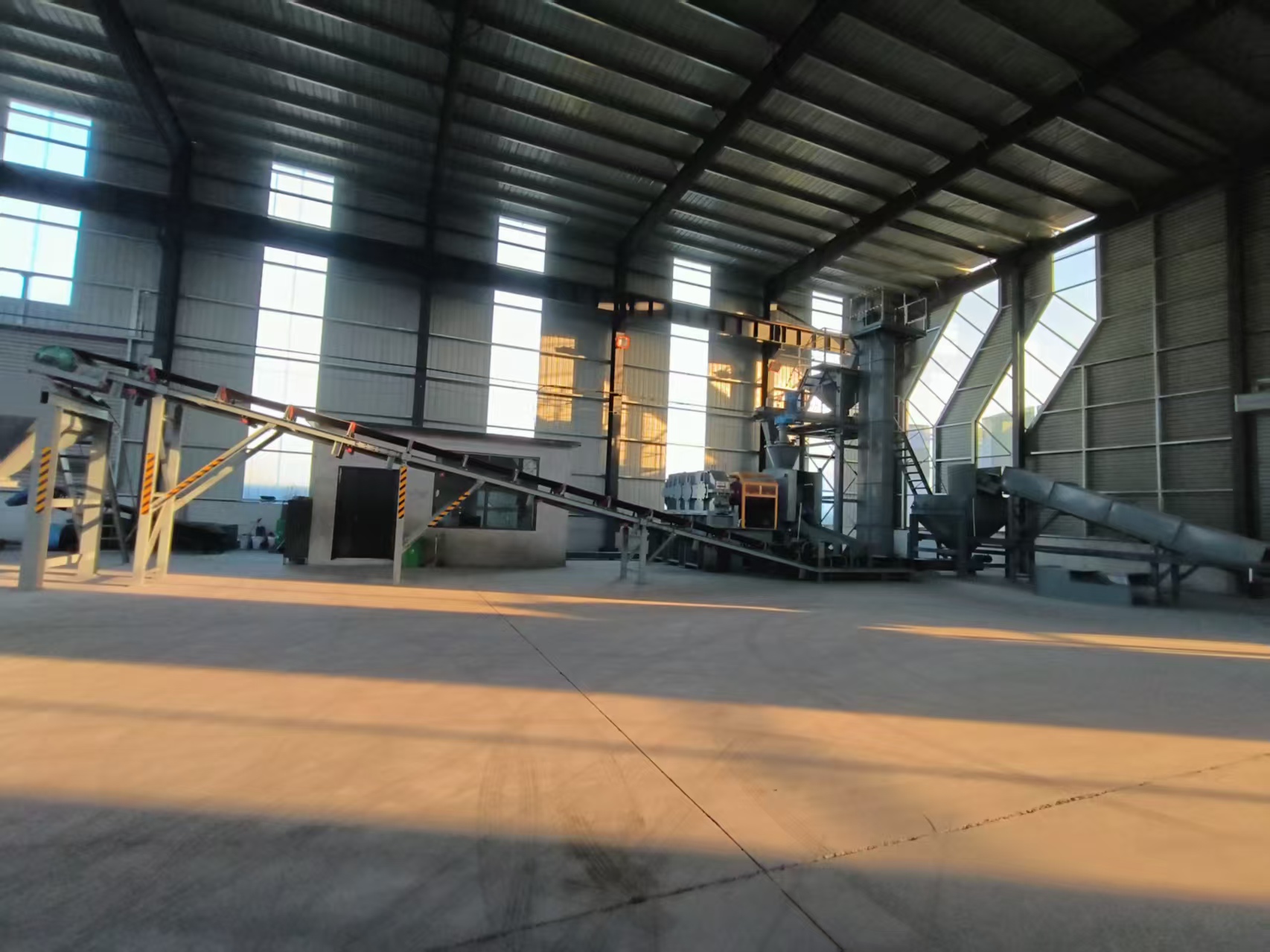
The NE Plate Chain Bucket Elevator is designed for vertical lifting of bulk materials like cement, coal, and grains. It operates on a gravity-induced discharge principle where material fed into the buckets is lifted and then discharged at the top. Known for its robust construction with alloy steel chains, it offers large capacity, high lift heights (up to 40m), and enclosed operation for minimal dust pollution. The GL Screw Conveyor efficiently moves powders, granules, and small lumps within a sealed trough or tube using a rotating spiral blade. This design ensures enclosed, dust-free transport, making it ideal for industries like food processing and chemicals. It is versatile, allowing for horizontal or inclined placement, and can also serve functions like mixing or cooling during transport. The DB Belt Conveyor is a highly versatile and widely used system for handling both bulk materials and packaged goods over long distances. It consists of an endless belt supported by idlers and driven by pulleys. Valued for its high capacity, simple structure, and reliability, it is a cornerstone in industries such as mining, ports, and agriculture for efficient, continuous transport. The BL Chain Plate Conveyor (or Apron Conveyor) is built for heavy-duty applications. It uses chains with attached metal plates to form a strong, continuous conveying surface. This design provides high strength and impact resistance, suitable for transporting heavy, abrasive, or hot materials (e.g., in mining or metallurgy). Its robust construction ensures durability under demanding conditions.
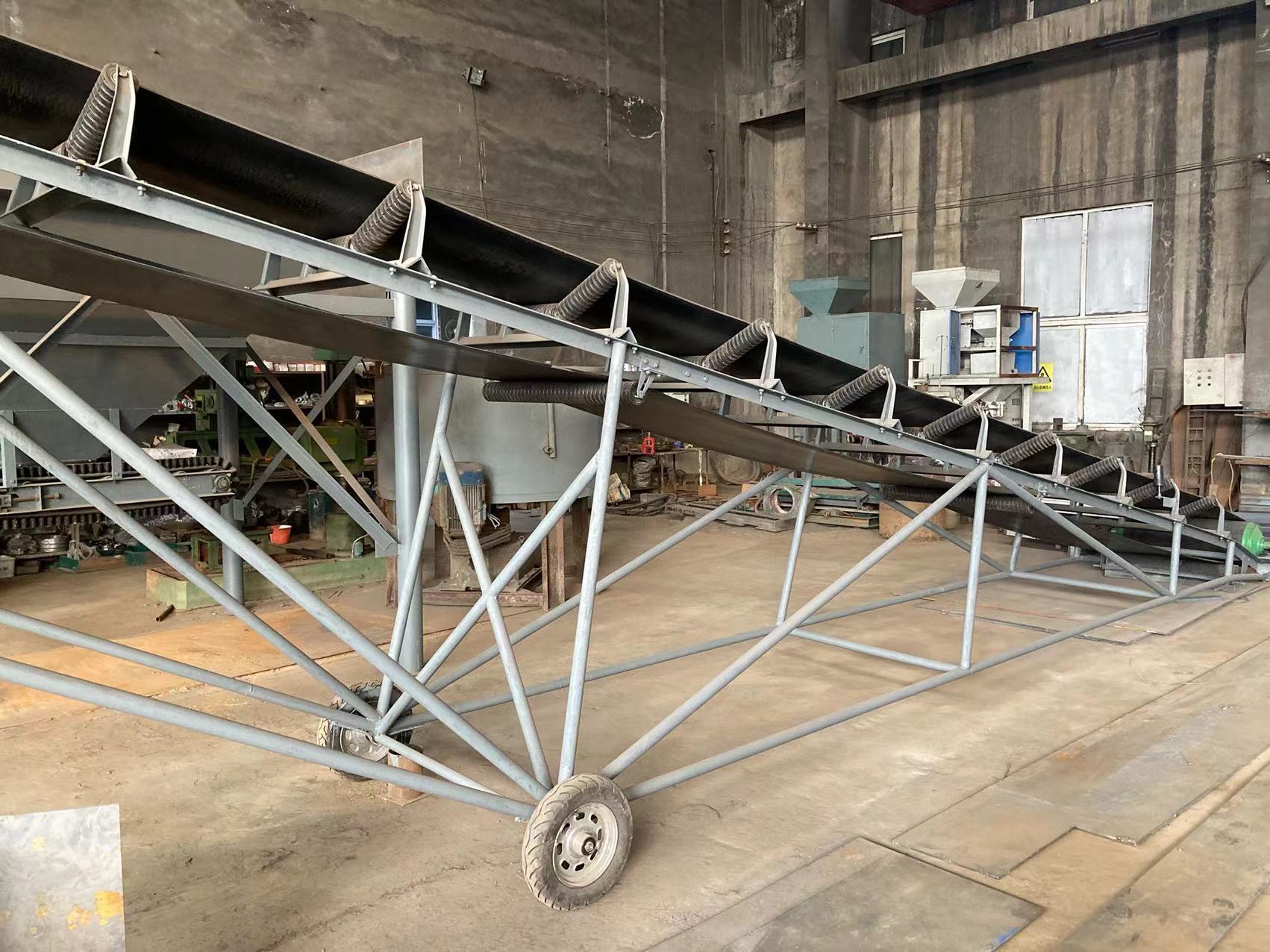
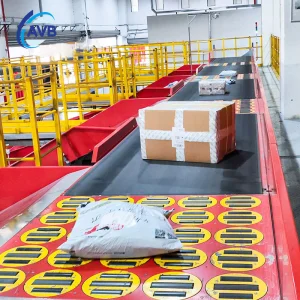
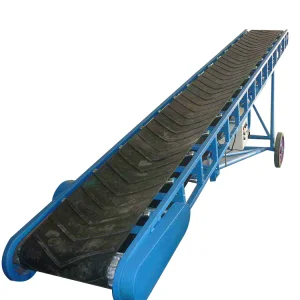
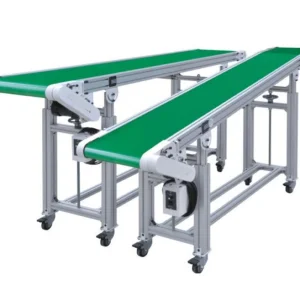
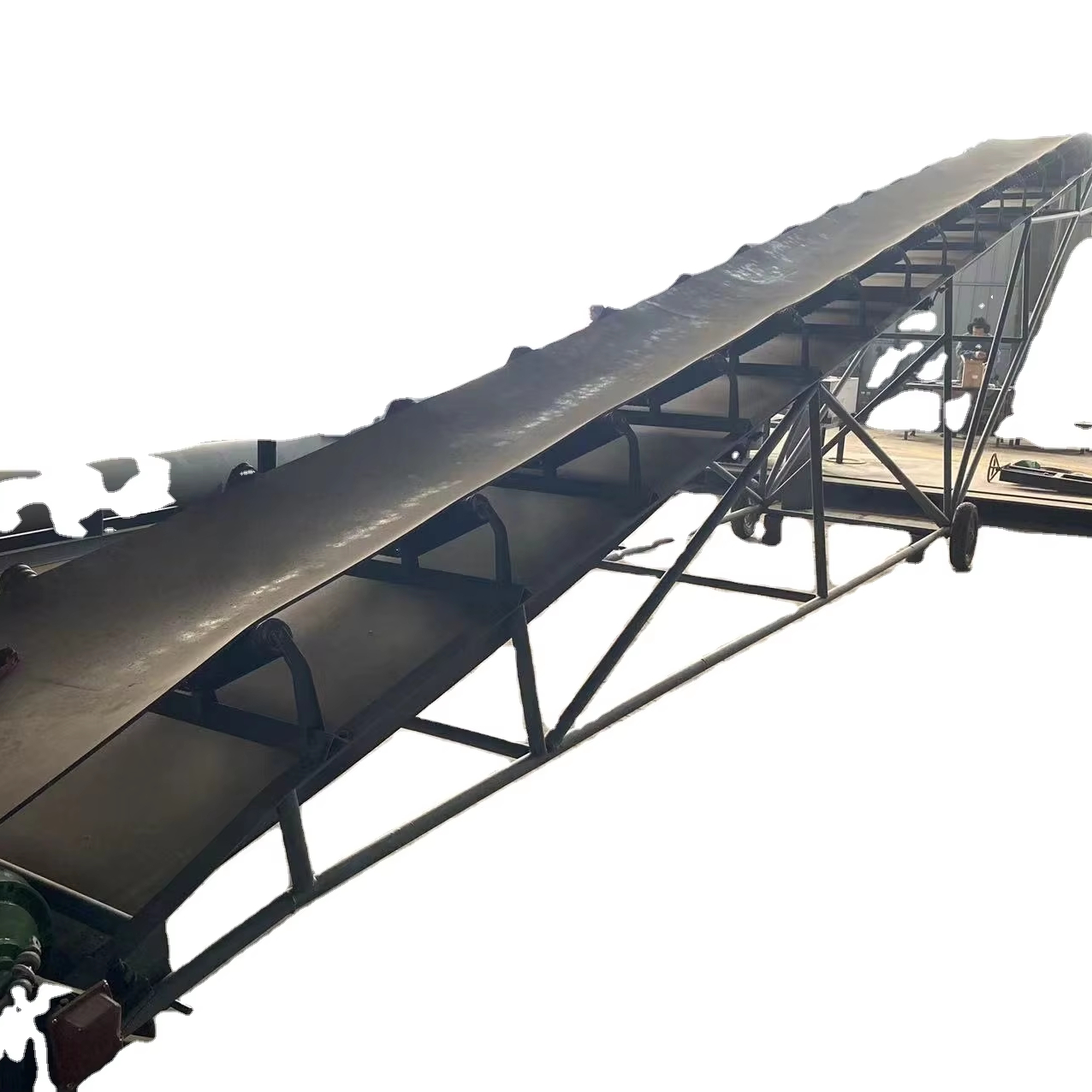
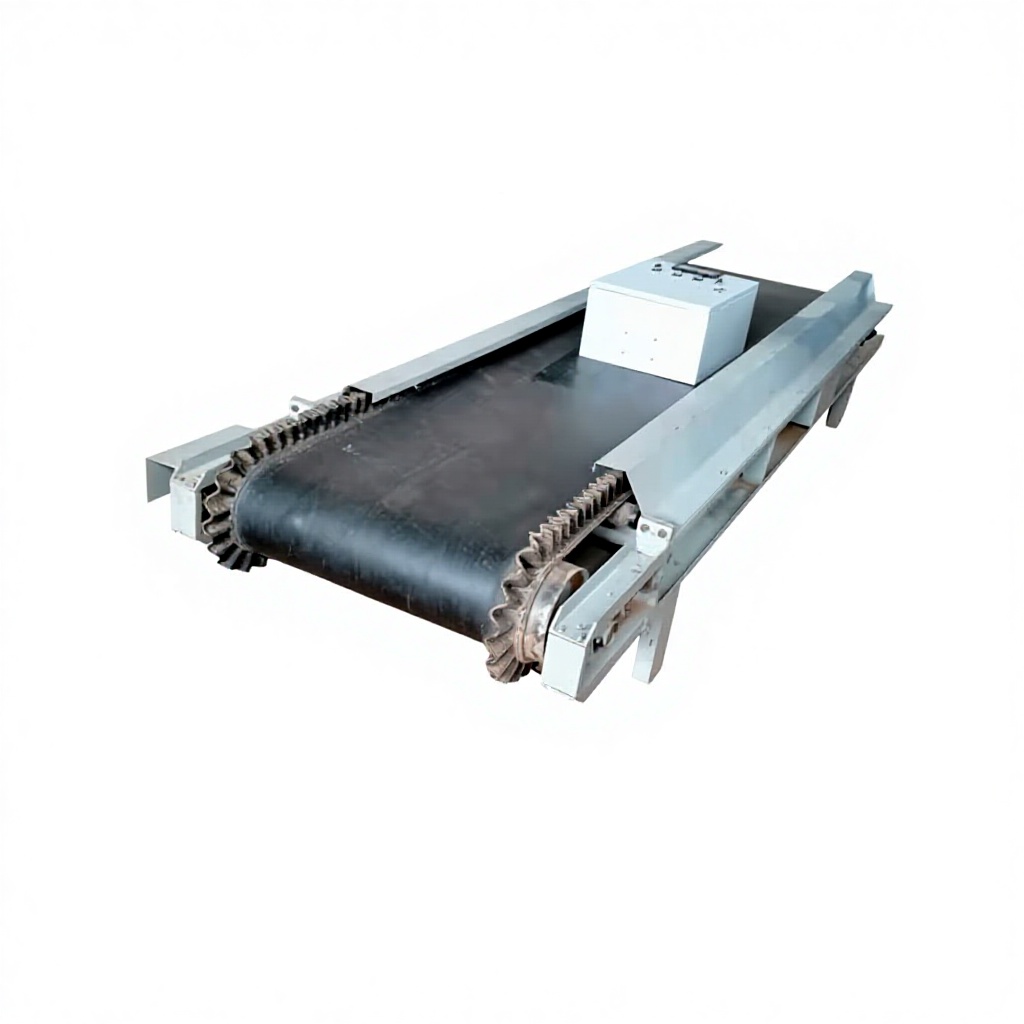
A belt conveyor is a device that uses a continuously moving conveyor belt to transport materials through friction drive supported by rollers. It has become an indispensable continuous transportation equipment in many industries such as mining, power, chemical, and grain due to its large capacity and long-distance transportation capability. According to the design, it can handle both bulk materials such as ore, coal, and grains, as well as transport individual items.
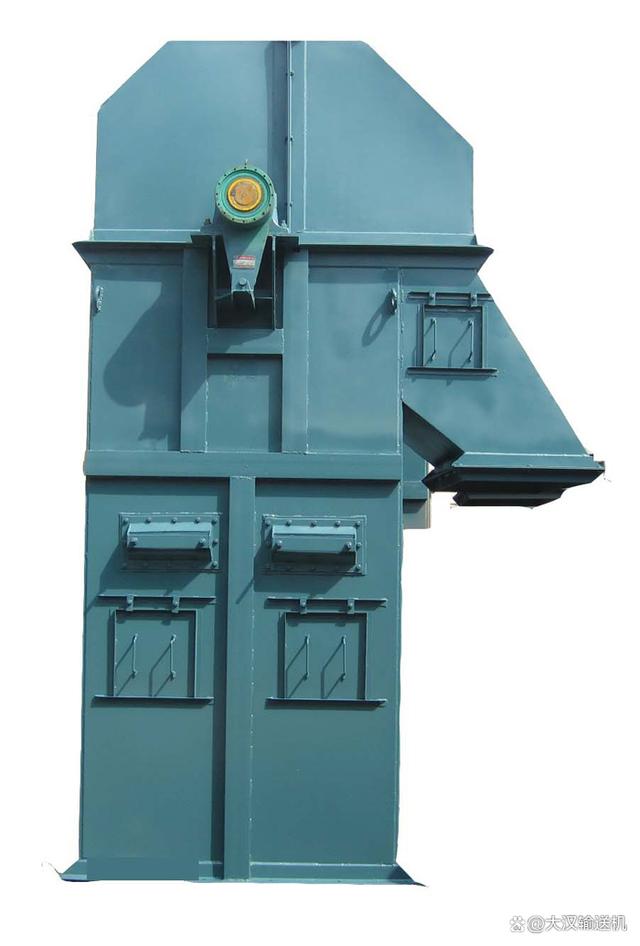
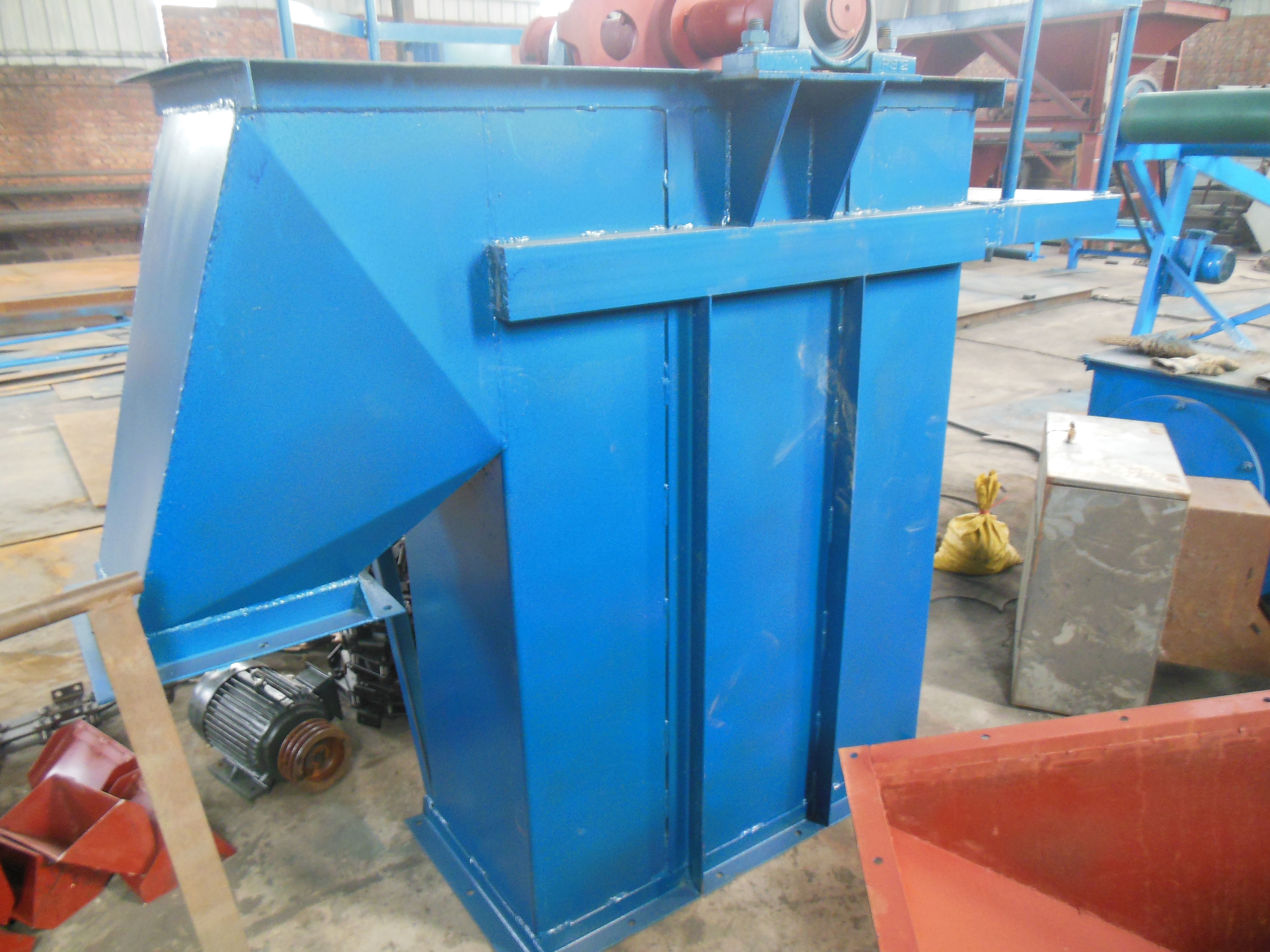
The NE series plate chain hoist is advanced vertical lifting equipment for bulk materials like ore, coal, and cement. It features inflow feeding, gravity-induced discharge, and high-strength wear-resistant chains, offering large capacity (15–800 m³/h), high lifting height (up to 50m), energy efficiency, and reliable, sealed operation.
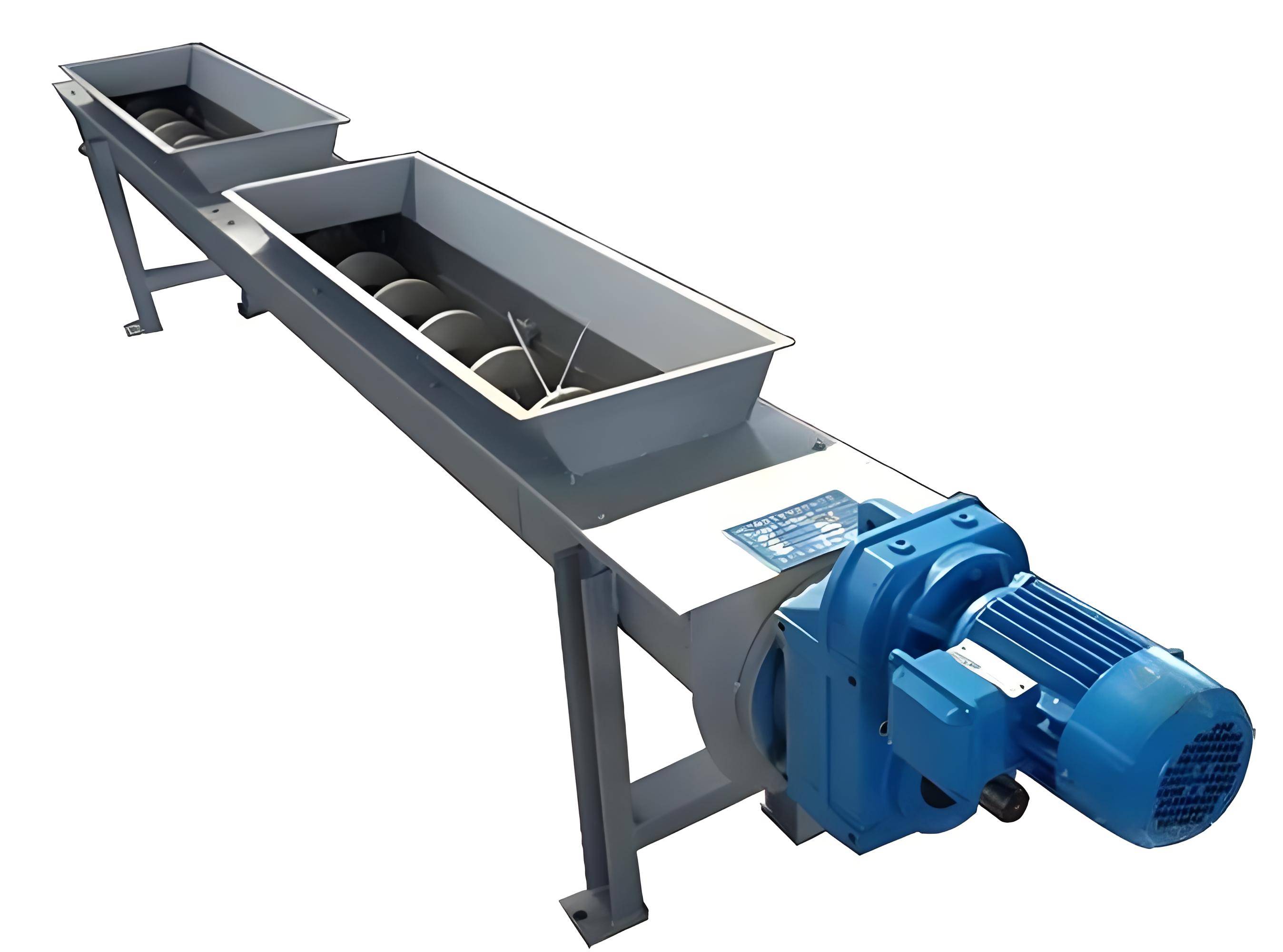
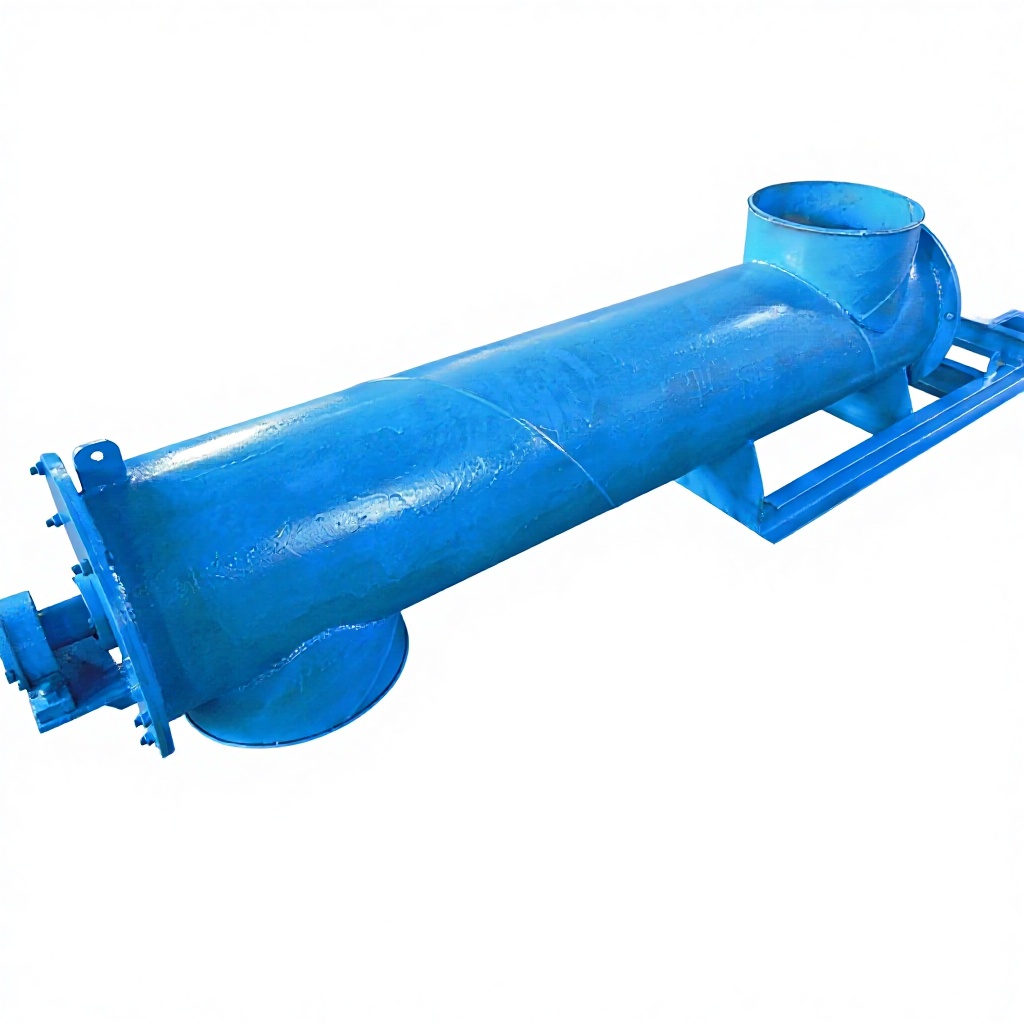
A screw conveyor is a versatile mechanical system that uses a rotating helical screw blade within a sealed tube or trough to efficiently move powders, granules, and other bulk materials horizontally or at an incline.
This guide provides critical selection dimensions, adaptation scenarios, and recommended configurations for four primary types of conveyor systems to inform your procurement and integration strategy.
Key Selection Dimensions: Vertical lifting method, material characteristics, hourly capacity (15–800 m³/h), and lift height (up to 40m). The material's temperature should not exceed 250°C.
Adaptation Scenarios & Configuration Advice: This elevator is the optimal solution for vertical transport of bulk materials like cement, coal, ore, and gravel. Its enclosed design minimizes dust and environmental pollution. For powdery or small-grained materials, an inflow feeding system with gravity-induced discharge is recommended to ensure efficiency and reduce wear. For high-abrasion materials (e.g., limestone, cement clinker), specify high-strength, wear-resistant alloy steel chains to achieve a service life exceeding five years. Models from NE15 to NE800 are available, with smaller units (e.g., NE15-NE50) often using spring tensioning, while larger units (NE100-NE800) employ heavy-duty counterweight tensioning systems.
Key Selection Dimensions: Material flowability, particle size and abrasiveness, required throughput, and installation angle (horizontal or inclined). It is suitable for material temperatures generally below 200°C.
Adaptation Scenarios & Configuration Advice: Ideal for handling powders and granules in a sealed environment, making it perfect for industries like food processing, chemicals, and minerals where dust control is crucial. The screw conveyor is also effective for mixing or blending operations during transport. For sticky or viscous materials, a shaftless screw design is recommended to prevent clogging. The drive power (e.g., 7.5 kW to 22 kW) and tube diameter must be matched to the material's density, flow characteristics, and conveying distance. Choose stainless steel (304/316L) construction for hygienic applications and carbon steel for general industrial use.
Key Selection Dimensions: Conveying length and layout (horizontal, inclined, or with curves), belt width, belt speed (commonly 0.8-4.0 m/s), and material lump size.
Adaptation Scenarios & Configuration Advice: Best for long-distance, high-capacity transport of bulk materials or packaged goods in mining, ports, and assembly lines. For inclined applications, cleated or raised-edge belts prevent material rollback. The selection process involves calculating transport capacity based on belt speed and cross-sectional area, then verifying belt width against maximum material lump size. Key components like idler spacing, roller diameter, and drive power are determined based on the conveyor length, lift height, and material load. For outdoor or harsh environments, choose robust frames and covers.
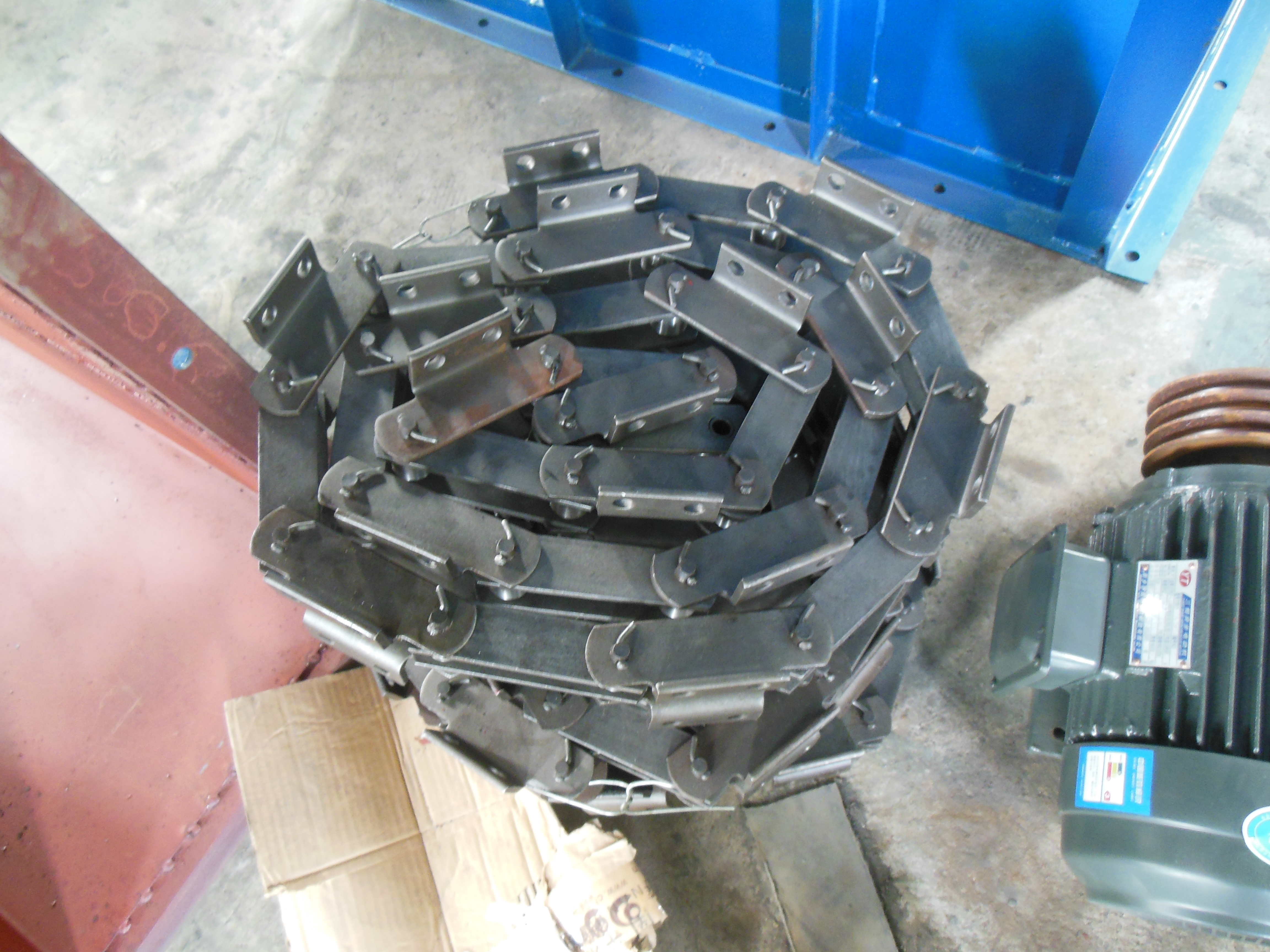
Key Selection Dimensions: Material weight, size, and temperature (can handle up to 350°C), required throughput (can reach 500 t/h), and installation angle (up to 25-30 degrees).
Adaptation Scenarios & Configuration Advice: Designed for heavy-duty, abrasive, and high-temperature materials such as large stones, metal scraps, cement clinker, and castings in mining, metallurgy, and foundry industries. Its structure withstands high impact and compression forces. The chain and flight assembly, typically made from hardened alloy steel, provides excellent wear resistance. For long-distance conveying, ensure the drive chain's tensile strength is adequately specified. The conveyor can be configured with rollers that move on tracks, reducing friction and operational resistance.
This guide outlines the fundamental selection criteria for each conveyor type. A detailed analysis of your specific material properties and operational goals is essential for final configuration.
| Equipment Type | Key Selection Dimensions | Applicable Scenarios & Recommended Configurations |
|---|---|---|
| NE Plate Chain Bucket Elevator | Lifting Capacity, Lifting Height, Drive Power | For vertical handling of bulk materials (e.g., cement, coal, grain). Recommended: Inlet feeding with gravity discharge; high-strength alloy chain for capacities of 15-800 m³/h and heights up to 40m. |
| GL Screw Conveyor | Conveying Capacity, Screw Diameter, Installation Angle | For enclosed, horizontal/inclined transport of powders and granules (e.g., in chemical, food industries). Recommended: U-trough or tube design; shaftless screw for sticky materials; capacity matched to system throughput. |
| DB Belt Conveyor | Belt Width, Belt Speed, Conveying Capacity | For long-distance, continuous transport of bulk or packaged goods (e.g., mining, ports). Recommended: Cleated or raised-edge belt for inclines; width and speed selected based on material size and required tonnage. |
| BL Chain Plate Conveyor (Apron Conveyor) | Conveying Capacity, Plate Width, Heat Resistance | For heavy, abrasive, or high-temperature materials (e.g., ore, castings, clinker). Recommended: Alloy steel chain and plates; roller-supported design for heavy loads; suitable for inclined transport up to 30°. |
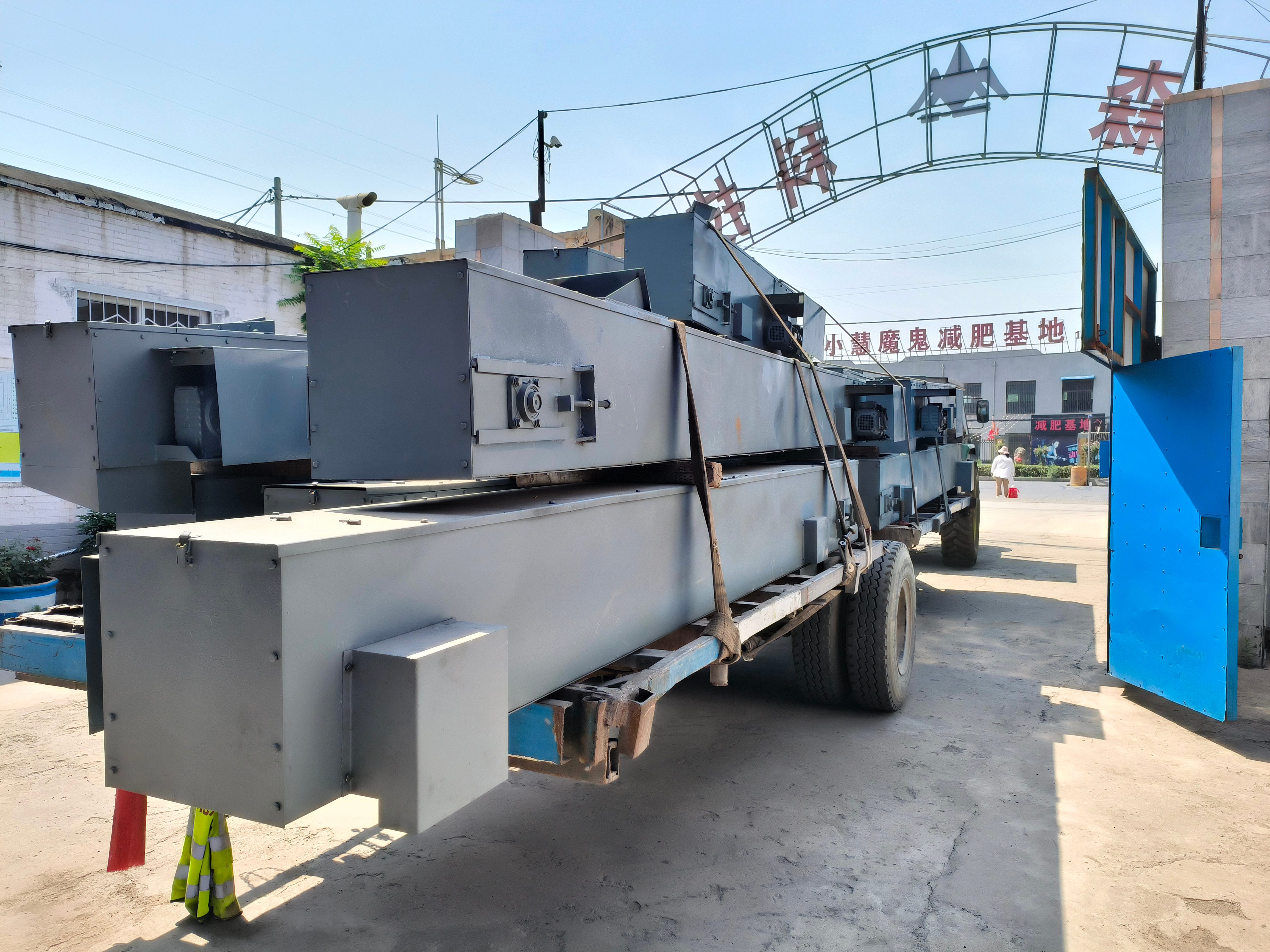
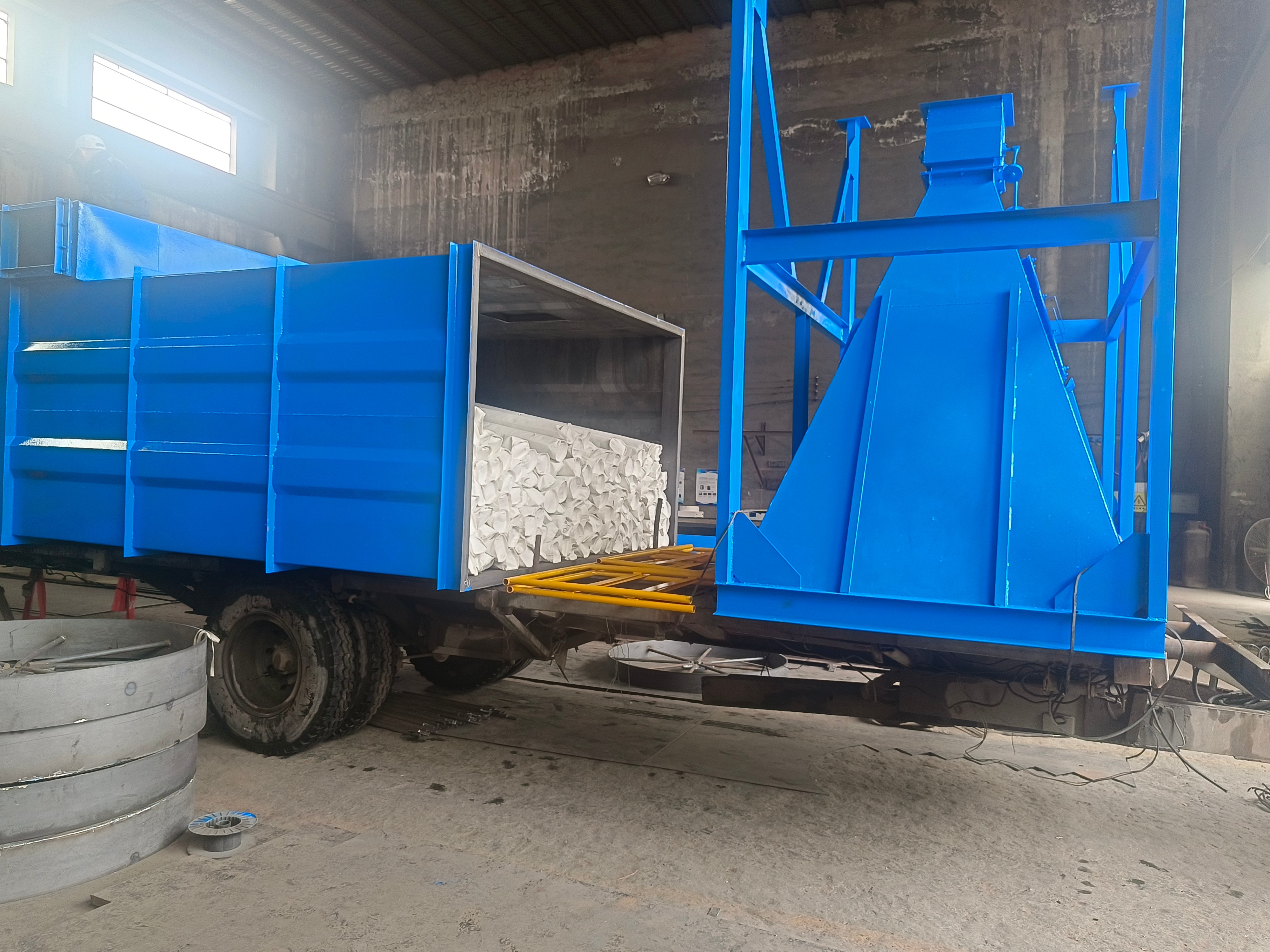
To better ensure the safety of your goods, professional, environmentally friendly, convenient and efficient packaging services will be provided.
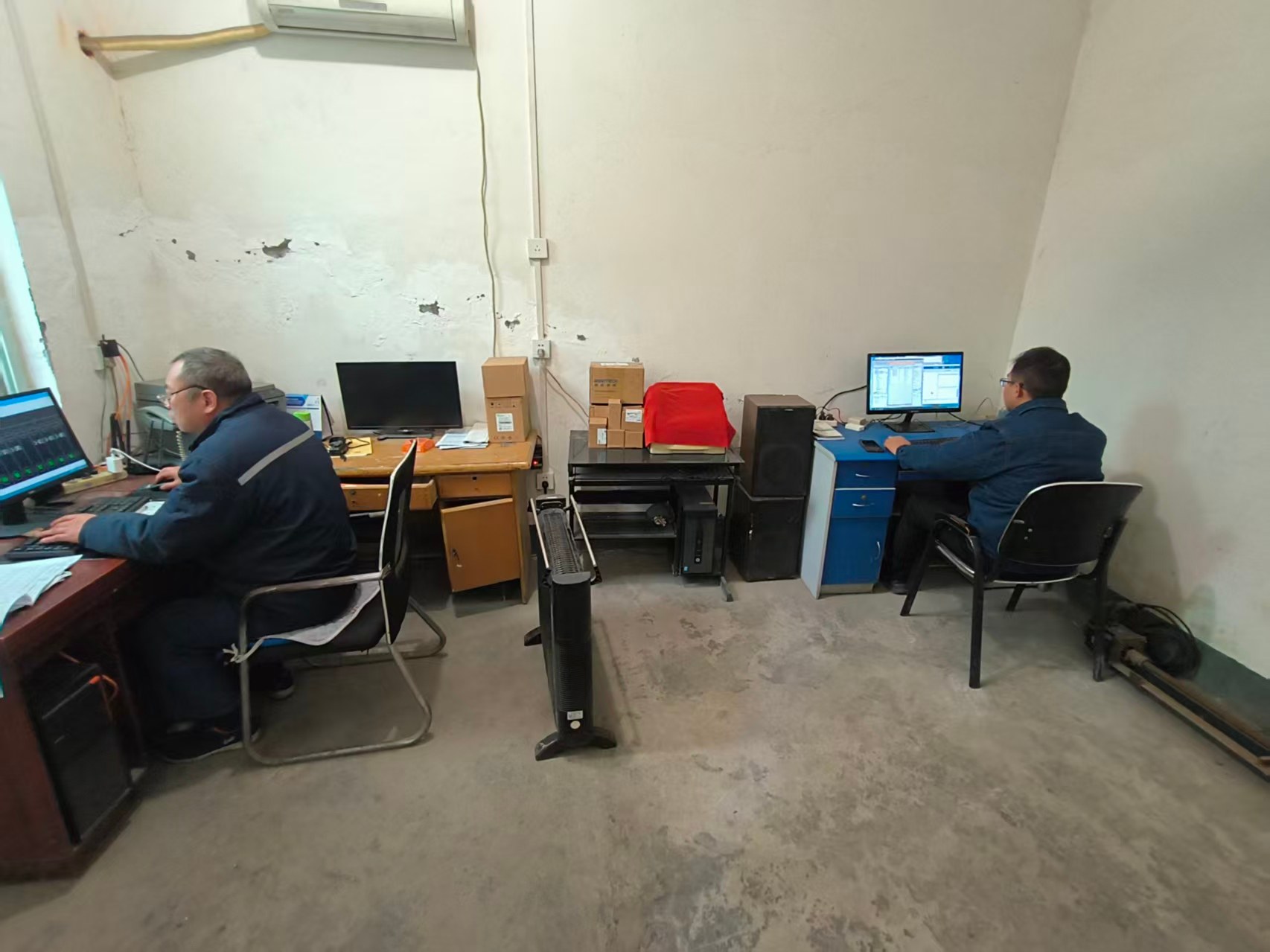
Excellent service quality, quick response to customer needs, and the ability to propose solutions faster based on their requirements.
The product is of solid and durable quality, with a simple and easy-to-use operation process, and fast packaging and shipping.