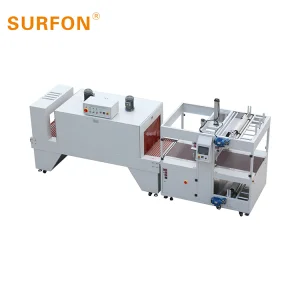
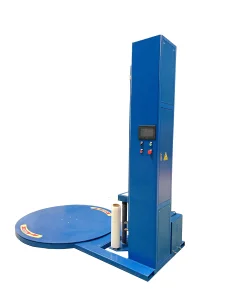
Optimized industrial wrapping and insulation systems designed for rugged New Zealand agricultural, logistical, and processing environments.
An in-depth analysis of structural shifts, labor challenges, and technological roadmaps in New Zealand's primary and manufacturing sectors.
New Zealand's economy is structurally dependent on export-oriented primary industries, including dairy processing, meat export, horticulture (such as kiwifruit and apples), and viticulture. As a geographically isolated nation, maintaining the structural integrity of tertiary packaging during long-haul sea freight is not just a preference; it is a critical commercial mandate. Products leaving ports in Auckland, Tauranga, and Lyttelton must endure weeks of maritime transit, crossing multiple climatic zones with drastic temperature and humidity fluctuations.
Concurrently, New Zealand's local manufacturing and logistics industries are navigating unprecedented labor shortages and rising operational overheads. The necessity to transition from manual palletizing and wrapping to fully integrated, automated systems has never been more pressing. By automating end-of-line packaging with high-efficiency shrink wrapping tunnels and precision stretch wrapping equipment, NZ manufacturers can achieve consistent containment force, optimize film consumption, and mitigate the risk of cargo damage at overseas destinations.
Reduces reliance on manual hand-wrapping, alleviating workplace injuries and redirecting valuable human capital to high-value plant operations.
Advanced pre-stretch film carriages ensure up to 300% film elongation, significantly cutting plastic consumption and align with NZ sustainability goals.
Provides predictable, heavy-duty containment force required for secure maritime freight across rough oceanic trade routes.
Depending on regional economic focus, packaging requirements vary across the North and South Islands:
As an established industrial machinery exporter located in Ningbo, China, Ningbo Econe Machinery Co., Ltd. leverages a highly localized and mature industrial supply chain. Being adjacent to the Ningbo-Zhoushan Port—the world’s busiest port by cargo tonnage—allows for rapid ocean freight dispatch, ensuring direct shipping routes to major New Zealand ports like Tauranga, Auckland, and Lyttelton with minimal transit times.
Our manufacturing ecosystem integrates world-class precision CNC machining centers, automated assembly halls, and rigorous quality control testing blocks. This vertical integration guarantees that we can customize structural frame designs, integrate specialized PLCs (such as Siemens or Omron), and complete factory testing within short lead times. By eliminating intermediary distributor markups, NZ enterprises receive high-end industrial machinery engineered to withstand multi-shift, high-capacity environments at a highly competitive Total Cost of Ownership (TCO).
Operating in New Zealand requires adherence to strict electrical safety and operational standards. All machinery exported by Ningbo Econe Machinery is designed in accordance with CE certifications, with specific options to comply with AS/NZS 3000 (Wiring Rules) and WorkSafe New Zealand safety requirements. Key compliance integrations include:
Explore our comprehensive engineering solutions, from high-capacity industrial stretch wrappers to specialty eco-friendly POF shrink films.
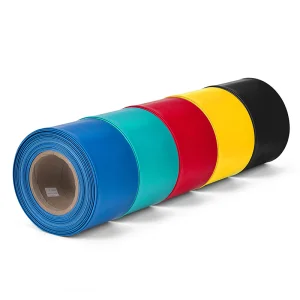
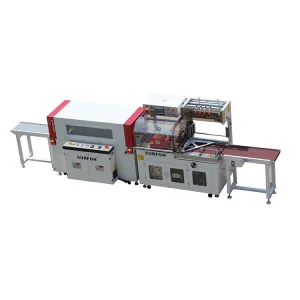
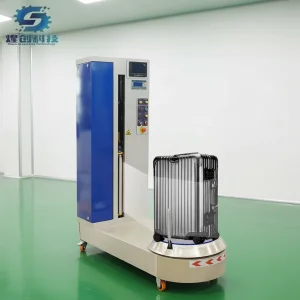
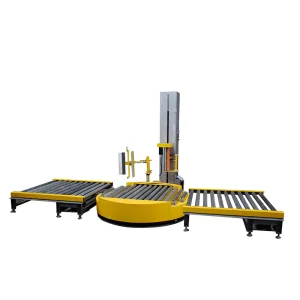
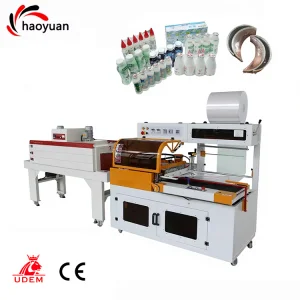
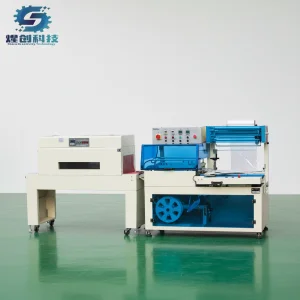
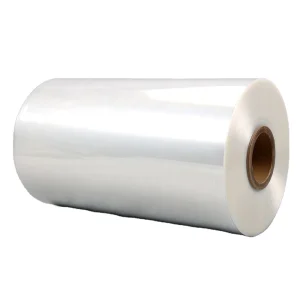
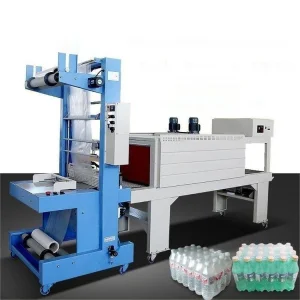
Global Engineering Excellence in Automated End-of-Line Packaging Systems
Ningbo Econe Machinery Co., Ltd. is a professional Industrial Packaging Machinery Manufacturer specializing in automated packaging systems, conveying equipment, and end-of-line automation solutions for global manufacturing industries. Based in Ningbo, China, the company focuses on the design, engineering, and production of integrated packaging machinery that helps manufacturers improve productivity, reduce labor costs, and optimize packaging efficiency.
With extensive experience in industrial automation, Econe Machinery provides a comprehensive range of solutions including automated conveying systems, product feeding equipment, weighing and counting systems, bagging solutions, wrapping systems, labeling integration, inspection systems, case handling equipment, and customized end-of-line packaging automation. These systems are widely applied in food processing, consumer goods, pharmaceuticals, chemicals, electronics, hardware, and industrial manufacturing sectors.
The company emphasizes engineering innovation, production reliability, and flexible customization. Its technical team works closely with customers to develop packaging solutions tailored to specific production requirements, factory layouts, and operational objectives. From standalone equipment to fully integrated packaging lines, Econe Machinery supports projects throughout planning, manufacturing, installation, and commissioning stages.
Equipped with modern manufacturing facilities and strict quality control procedures, Ningbo Econe Machinery is committed to delivering durable, efficient, and user-friendly equipment that meets international standards. The company continuously invests in automation technologies and intelligent manufacturing solutions to help customers adapt to evolving market demands.
Serving clients across Asia, Europe, North America, South America, the Middle East, and other international markets, Ningbo Econe Machinery Co., Ltd. strives to be a reliable partner for businesses seeking advanced packaging automation, conveying systems, and end-of-line production solutions that enhance operational performance and long-term competitiveness.
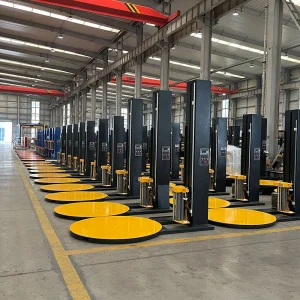
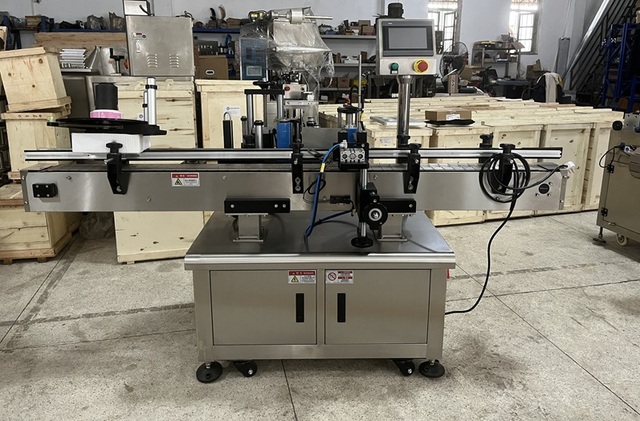
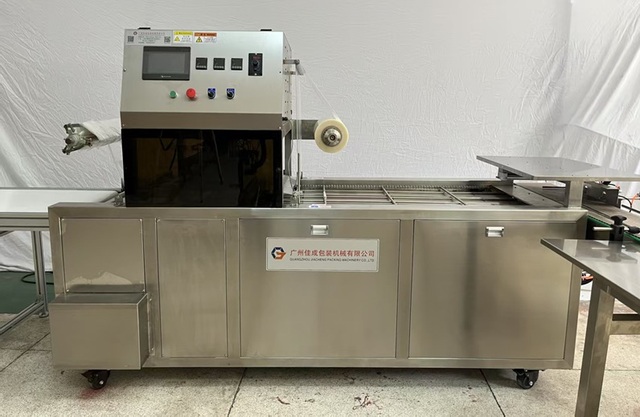
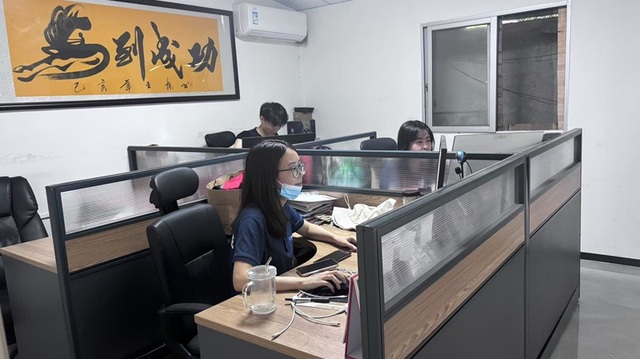
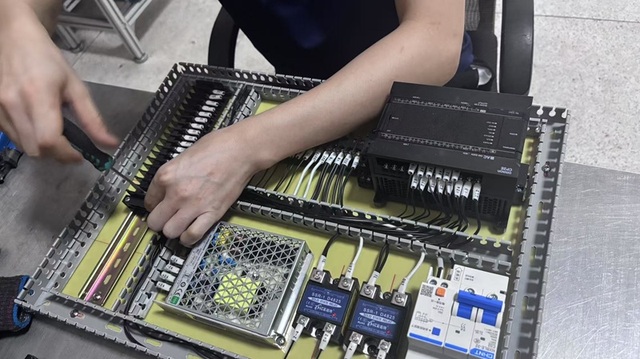
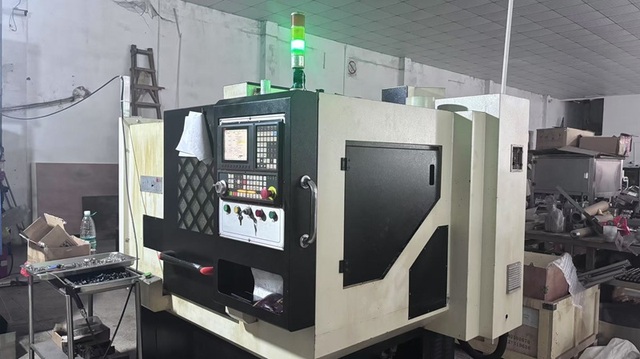
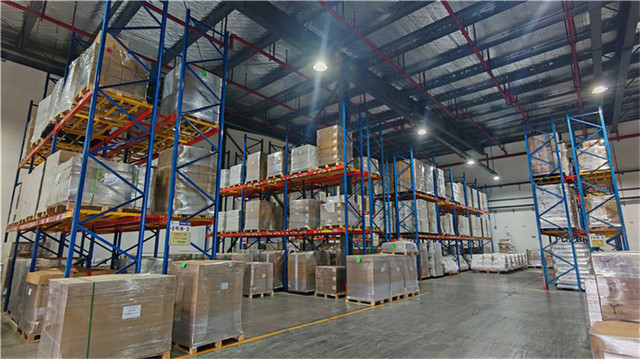
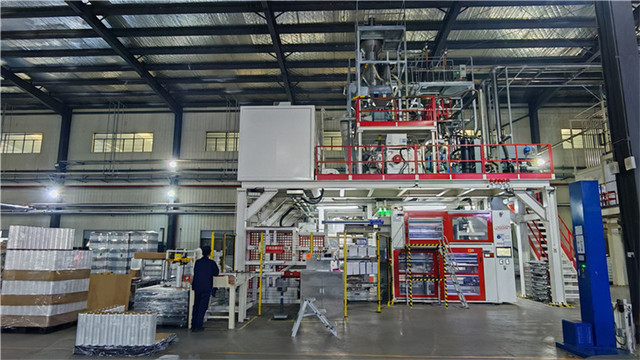
Our manufacturing footprint is equipped with multi-axis CNC lathes, laser metal cutting equipment, and assembly bays configured to simulate real-world packaging environments under load prior to dispatch. Here is an overview of our facilities:
Expert insights addressing key concerns of procurement and engineering teams deploying packaging automation in New Zealand.
Our high-end stretch wrapping machines utilize dual-motor power pre-stretch carriages. By driving two separate rollers at differing speeds using variable frequency drives (VFD), the film is stretched within the carriage up to 300% before it is applied to the load. Tension is monitored dynamically using electronic load cells or analog dancers that feed real-world tension values back to the PLC. The system then micro-adjusts the turntable or rotating arm speed in real-time, preventing film tears on sharp corners while maintaining uniform pallet containment force.
Generally, no, because POF and PE films have fundamentally different physical properties, melting points, and shrinkage rates. POF is thin (typically 12 to 25 microns) and highly transparent, requiring fast, clean sealing from a hot wire or knife system. PE is thicker (30 to 100+ microns), highly durable, and requires distinct heavy-duty sealing bars and longer dwell times in the shrink tunnel. While some advanced dual-mode machines can handle both by switching heat profiles and sealing jaws, standard machines are optimized for one type of polymer to ensure consistent, strong seals.
We use premium international electrical components such as Schneider contactors, Omron PLCs, and SMC pneumatics. For the New Zealand market, we configure systems to operate on 400V 50Hz three-phase or 230V 50Hz single-phase electrical cycles. Control cabinets are built in accordance with IEC standards, featuring IP54 rating, isolated low-voltage control circuits (24VDC), proper grounding chassis points, and dedicated circuit breakers to ensure straightforward AS/NZS 3000 electrical compliance certification upon arrival.
Key preventive maintenance includes cleaning the sealing blades weekly using brass brushes to prevent residue buildup, checking and replacing Teflon release tape on the pressure pads, and lubricating pneumatic cylinders and slide guide rails. Regular inspection of the heating elements ensures even temperature distribution across the seal. We provide complete maintenance guides, local technical support templates, and a modular spare-parts kit with every machine exported to NZ.
Integrating a digital weighing scale into the turntable platform allows warehouses to weigh and wrap pallets simultaneously. The weight data can be printed immediately via an integrated thermal printer or sent directly to the facility's Warehouse Management System (WMS) via Ethernet/Modbus. This streamlines the logistics chain, ensures compliance with international SOLAS weight verification rules for maritime export container packing, and saves valuable forklift travel time.
 Econe Machinery