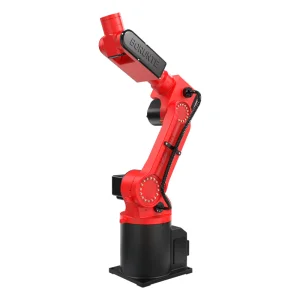
Explore our cutting-edge robotic solutions optimized for the demands of the Turkish manufacturing and processing industries.
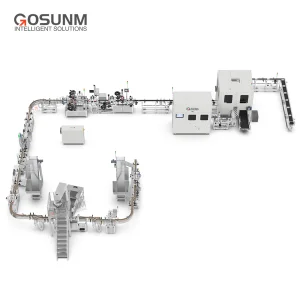
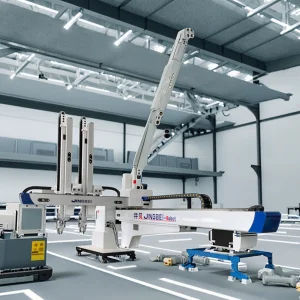
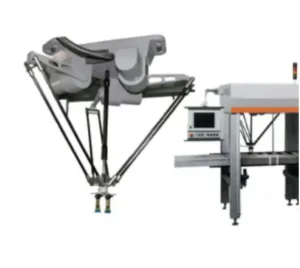
A Comprehensive Market Intelligence Report and Whitepaper on Robotic Packaging Systems
Turkey is rapidly evolving into a pivotal global manufacturing hub, strategically situated at the crossroads of Europe, the Middle East, and Central Asia. In regions like the Marmara (Istanbul, Kocaeli, Bursa), Aegean (Izmir), and Central Anatolia (Ankara, Konya), industrial clusters are undergoing a massive transition toward high-tier automation. Driving this shift is a combination of factors: rising local labor costs, the demand for throughput stability, and the strict quality and compliance regulations imposed by export markets, particularly the European Union.
Integrating advanced robotic packaging systems has transitioned from a competitive advantage to an operational necessity. To maintain their position in global supply chains, Turkish manufacturers in food processing, chemical production, automotive parts, and FMCG sectors are moving away from manual operations. Instead, they are implementing fully integrated robotic palletizers, high-speed delta robot picking units, and automated case packing systems that guarantee 24/7 reliability, repeatability, and minimal cycle times.
On a global scale, end-of-line packaging automation is shifting from rigid, dedicated mechanical systems to flexible, robot-centric architectures. Key drivers include the rise of product variants (SKUs) and the demand for rapid line changeovers. Modern factories require modular components, flexible End-of-Arm Tooling (EOAT), and intelligent control algorithms that allow a single packaging line to handle diverse product shapes, sizes, and weights.
Ningbo Econe Machinery Co., Ltd. is a professional Industrial Packaging Machinery Manufacturer specializing in automated packaging systems, conveying equipment, and end-of-line automation solutions for global manufacturing industries. Based in Ningbo, China, the company focuses on the design, engineering, and production of integrated packaging machinery that helps manufacturers improve productivity, reduce labor costs, and optimize packaging efficiency.
With extensive experience in industrial automation, Econe Machinery provides a comprehensive range of solutions including automated conveying systems, product feeding equipment, weighing and counting systems, bagging solutions, wrapping systems, labeling integration, inspection systems, case handling equipment, and customized end-of-line packaging automation. These systems are widely applied in food processing, consumer goods, pharmaceuticals, chemicals, electronics, hardware, and industrial manufacturing sectors.
The company emphasizes engineering innovation, production reliability, and flexible customization. Its technical team works closely with customers to develop packaging solutions tailored to specific production requirements, factory layouts, and operational objectives. From standalone equipment to fully integrated packaging lines, Econe Machinery supports projects throughout planning, manufacturing, installation, and commissioning stages.
Equipped with modern manufacturing facilities and strict quality control procedures, Ningbo Econe Machinery is committed to delivering durable, efficient, and user-friendly equipment that meets international standards. The company continuously invests in automation technologies and intelligent manufacturing solutions to help customers adapt to evolving market demands.
Serving clients across Asia, Europe, North America, South America, the Middle East, and other international markets, Ningbo Econe Machinery Co., Ltd. strives to be a reliable partner for businesses seeking advanced packaging automation, conveying systems, and end-of-line production solutions that enhance operational performance and long-term competitiveness.
Placement Accuracy
Systems Installed Globally
Labor Cost Savings
Fully Certified Standards
Adapting robotic packaging solutions to the unique parameters of local Turkish industries requires deep domain expertise. Here is how Ningbo Econe Machinery customizes packaging lines for key sectors in Turkey:
A comprehensive portfolio of robotic systems, end-of-arm tooling, and specialized machinery tailored for Turkish operations.
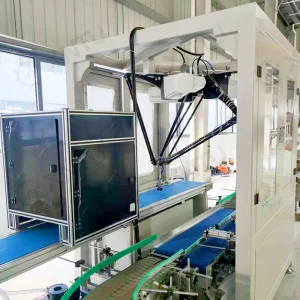
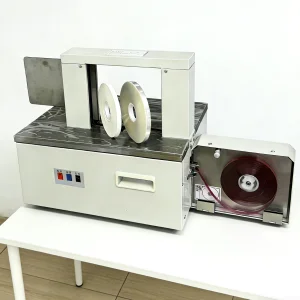
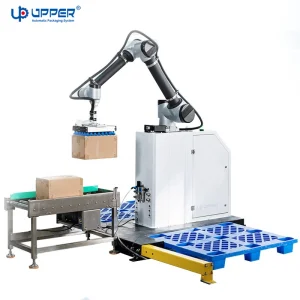
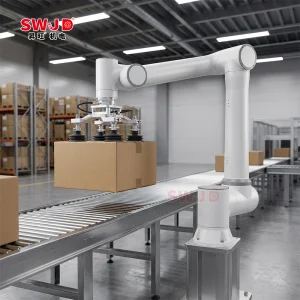
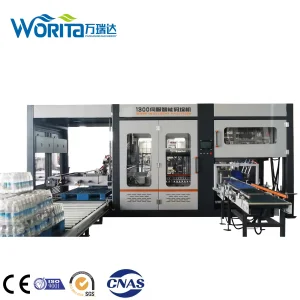
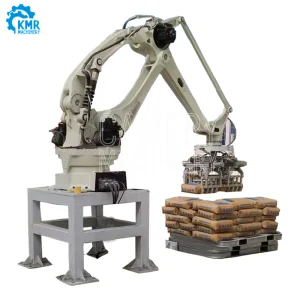
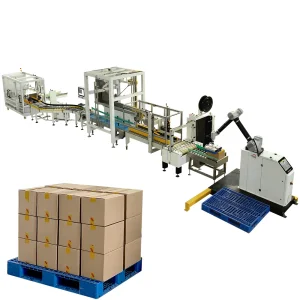
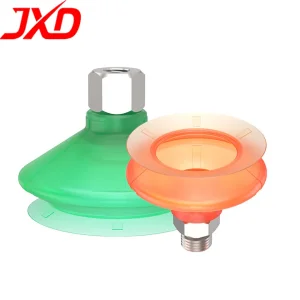
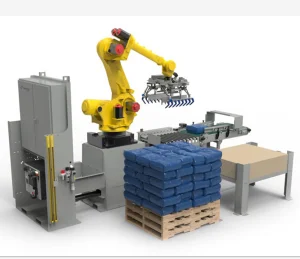
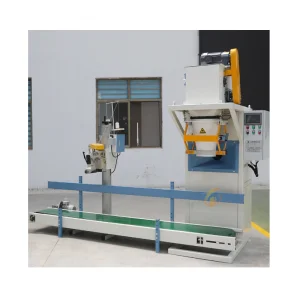
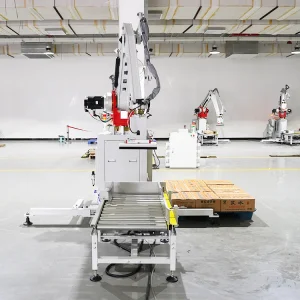
Entering the Turkish industrial arena demands strict alignment with European standards (CE marking) and local Turkish Standards Institution (TSE) guidelines. High-speed systems must integrate advanced safety systems (safety PLC modules, light curtains, and safety fencing) to protect workers. Our machinery supports universal communication protocols like EtherNet/IP, PROFINET, and Modbus TCP, facilitating seamless integration with existing factory MES and SCADA systems.
Furthermore, Econe Machinery adapts all mechanical and electrical configurations for the local grid standards in Turkey: 400V, 3-phase, 50Hz. By using global brands such as Siemens, Schneider Electric, SMC, and Omron for critical electronic and pneumatic modules, we ensure that spare parts are easily accessible within Turkey (via hubs in Istanbul, Bursa, and Izmir), reducing downtime to an absolute minimum.
As Turkey aligns with EU Green Deal initiatives, energy efficiency is becoming a major priority. Hydraulic and heavy pneumatic actuators are increasingly being replaced by energy-efficient electric servo drives, which significantly cut carbon footprints and energy costs. The future of packaging also relies on AI-guided machine vision, enabling robots to dynamically adjust grippers to handle variable shapes without manual setup changes.
Predictive maintenance will also define the coming decade. By integrating IoT sensors into the robotic arms and vacuum manifolds, operators can forecast component wear (such as bellows suction cups and pneumatic solenoids) before failure occurs. Ningbo Econe Machinery remains at the forefront of this evolution, developing cloud-enabled diagnostics to support Turkish engineering teams remotely and maintain high overall equipment effectiveness (OEE).
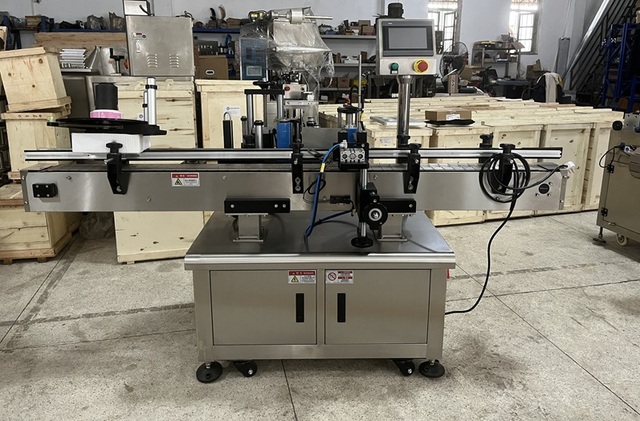
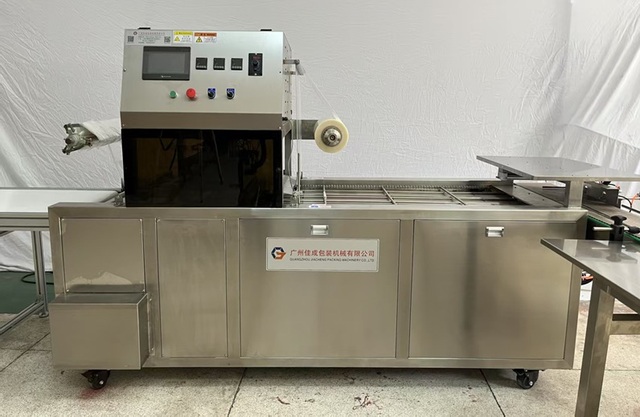
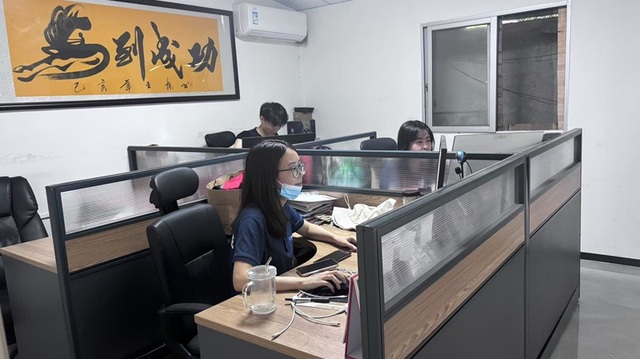
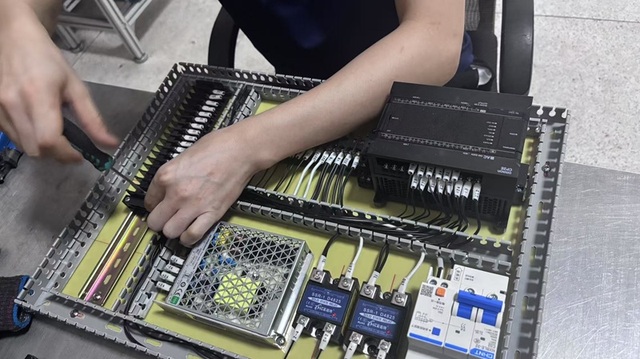
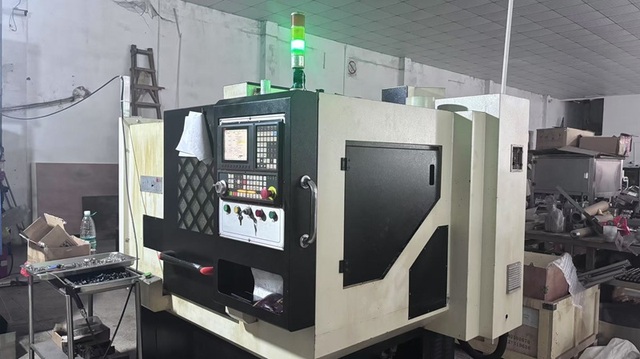
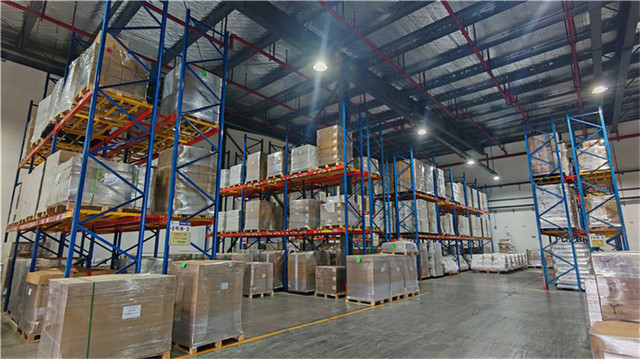
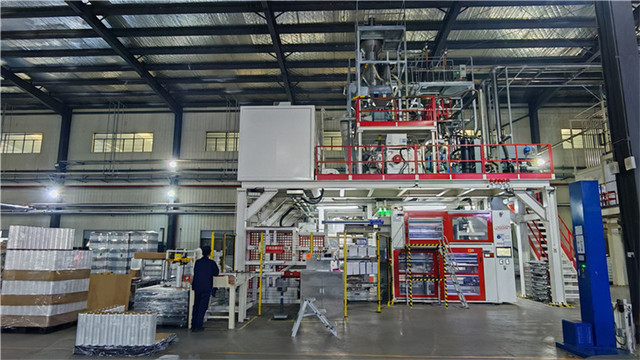
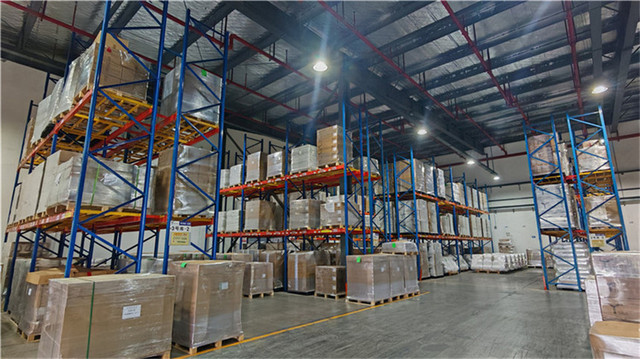
Take a virtual tour of our production centers, where state-of-the-art packaging systems are engineered, assembled, and quality-tested before dispatch.
Find answers to common questions about implementing, integrating, and operating robotic packaging systems in Turkey.
 Econe Machinery