Econe Machinery
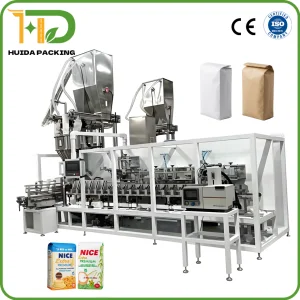
Canada's Industrial Bagging Landscape
The Canadian manufacturing and bulk material handling sector is undergoing a profound transformation. Faced with persistent labor shortages, rising wages, and the imperative for absolute structural efficiency, operators across Ontario, Quebec, Alberta, and British Columbia are turning away from manual packing processes in favor of high-performance bagging machinery. Standardizing on rugged, automation-ready packaging architectures has become a key competitive differentiator for processing operations from coast to coast.
Canada’s diverse climate demands packaging systems capable of operating in extreme conditions—from the dry, freezing winters of the Prairie provinces to the high-humidity, marine environments of the coastal ports. For companies exporting agricultural commodities, construction materials, road salts, minerals, and pet foods, packaging integrity is paramount. This whitepaper analyzes the mechanical, digital, and regulatory frameworks required to integrate advanced packaging and conveyor technologies into Canadian industrial ecosystems.
Overcoming the Labor Deficit through Automated Packaging Systems
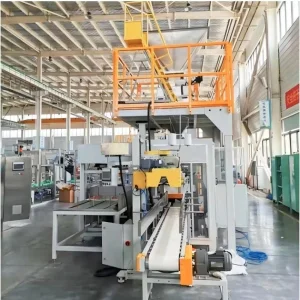
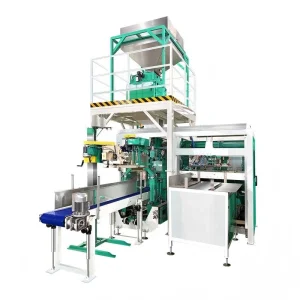
Statistics Canada data regularly highlights the demographic squeeze affecting warehouse and manufacturing operators. Traditional manual bagging stations—where operators manually position open-mouth bags, manage bulk gravity feeds, and guide bags through sewing or sealing equipment—present major ergonomic liabilities and yield inconsistent throughput. Deploying intelligent bagging solutions with pneumatic positioning, automatic checkweighers, and integrated end-of-line palletizing allows facilities to redeploy manual labor to higher-value roles, reducing workplace injuries and optimizing operational costs.