Explore Econe Machinery's advanced hardware lineup designed for dynamic weight enforcement, visual sorting, industrial marking, and high-speed primary packaging integration.

In the contemporary era of globalized production, the boundaries between physical packaging logistics and digital inventory tracking have dissolved. Today, Inventory Management Systems (IMS) are no longer mere software databases running on central servers; they have evolved into complex, cyber-physical ecosystems. Modern manufacturing facilities, smart warehouses, and global fulfillment hubs rely heavily on the continuous, bi-directional exchange of information between field-level machinery and enterprise-level logistics software.
The global demand for high-throughput, error-free packaging and supply chain visibility has accelerated the deployment of automated hardware interfaces. Manufacturers are increasingly looking for factories that can supply the physical manifestation of inventory control—such as automated checkweighers, inline laser markers, dynamic conveyors, and robotic pick-and-place systems. Without these field devices, an inventory database remains blind, unable to verify whether a package was correctly weighed, identified, packed, or routed.
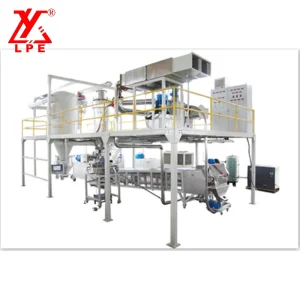
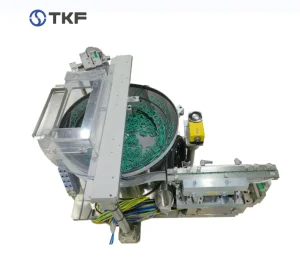
When an enterprise deploys an inventory management database, its operational efficiency is directly capped by the speed and reliability of the physical inputs. Ningbo Econe Machinery Co., Ltd. addresses this vital infrastructure gap by manufacturing physical hardware systems that record, mark, verify, and transfer inventory items. For instance:
A comprehensive look at how Econe Machinery bridges the gap between hardware engineering and enterprise industrial operations.
Ningbo Econe Machinery Co., Ltd. is a premier Industrial Packaging Machinery Manufacturer specializing in automated packaging systems, conveying equipment, and end-of-line automation solutions for global industries. Based in the manufacturing hub of Ningbo, China, Econe has dedicated decades to enhancing factory floor productivity.
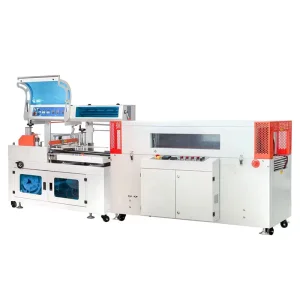
Econe provides a comprehensive portfolio of production hardware: from automated conveying lines, sorting systems, material weighing units, bagging solutions, stretch wrappers, to complex robotic handling. These are engineered to function as physical data touchpoints, communicating seamlessly with modern ERP and WMS architectures.
No two factory layouts are identical. The technical team at Econe works closely with global operations teams to engineer customized equipment profiles that match physical constraints (floor space, ceiling heights) and logical constraints (cycle times, data interfaces, electrical approvals).
With an extensive global footprint, Econe Machinery serves key international markets, including Asia, Europe, North America, South America, and the Middle East. By maintaining strict quality control procedures, utilizing high-grade structural components (such as industrial-grade motors, gearboxes, and PLC units), and adhering to CE and ISO 9001 certifications, Econe guarantees the long-term reliability and physical data accuracy required by global digital inventory management frameworks.
As we transition deeper into Industry 4.0, the roadmap for inventory systems and manufacturing packaging automation is marked by several technological leaps. Factories are shifting away from manual handovers and stand-alone machinery toward closed-loop systems that auto-correct anomalies in real time.
Every piece of machinery on the packaging floor represents a potential source of real-time telemetry. Modern conveying systems, checkweighers, and pallet wrapping units are now equipped with intelligent sensors that communicate through protocols like OPC-UA or MQTT. This allows physical metrics—such as unit count, aggregate weight, and machine efficiency—to update the central Inventory Management System instantly. If a 350kg/H automatic weighing system registers an out-of-spec package, the system automatically flags the item in the database, preventing defective stock from being allocated to a customer order.
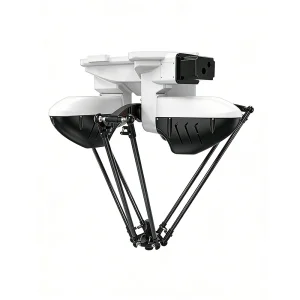
The incorporation of vision-guided robotics, such as Delta Robots with Gearbox and Motor Visual Systems, marks a major step forward in inventory sorting speed. These systems perform pick-and-place actions not based on rigid coordinates, but through real-time optical recognition. As products emerge from production, the computer vision system identifies the item, cross-references it with pending orders in the IMS, and directs the robotic arm to sort it into the correct bin or shipping carton. This reduces sorting error rates to virtually zero, ensuring physical inventory aligns perfectly with database records.
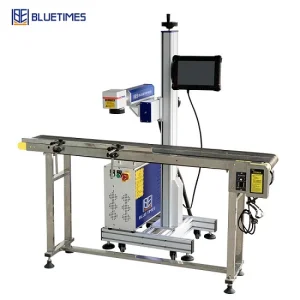
Traceability is the cornerstone of inventory management, especially in highly regulated sectors like pharmaceuticals, food processing, and automotive parts manufacturing. In-line laser marking machines apply high-resolution, permanent markings (2D DataMatrix, barcodes, serial numbers) directly onto product substrates. Since laser coding does not rely on consumables like ink, the marks do not smudge or fade during long-term warehousing. This guarantees that automated scanning systems can read and log the item at any point in the supply chain journey, ensuring complete tracking history from factory floor to end customer.
To understand the practical deployment of these integrated automation systems, it is beneficial to look at how different industries leverage Econe's technology for macro inventory control and local operational efficiency.
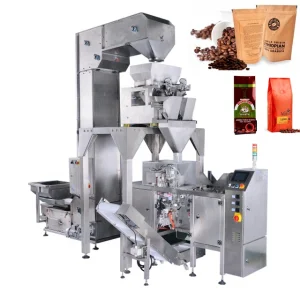
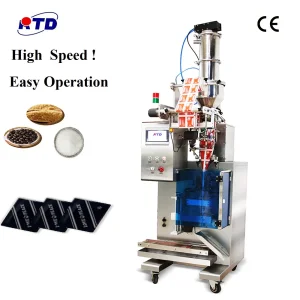
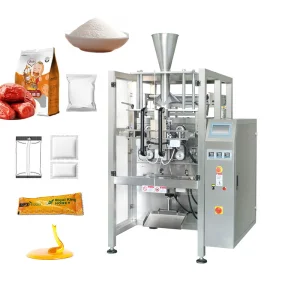
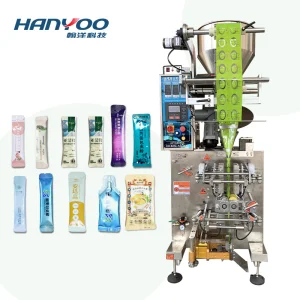
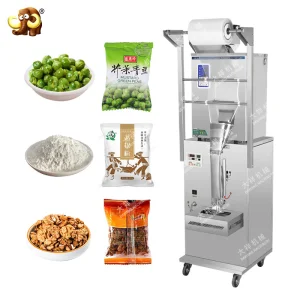
In food packaging—whether dealing with whole beans, ground coffee, salt, sugar, or dairy powders—accuracy is paramount. Inaccurate portions lead either to product giveaway (eroding margins) or regulatory non-compliance. Integrating high-speed vertical form-fill-seal (VFFS) systems, such as the Hanyoo DXD-800K High-Speed Vertical Pellet Bagging System, with precise batch weighing mechanisms ensures that each unit package matches the specified net weight. The physical filling unit feeds weight statistics directly into the batch-tracking module of the enterprise IMS, ensuring that raw ingredient depletion rates are precisely monitored and synchronized with stock levels.
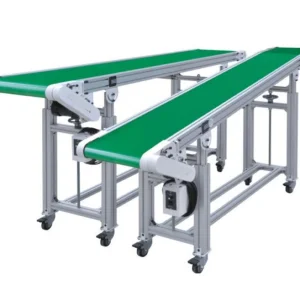
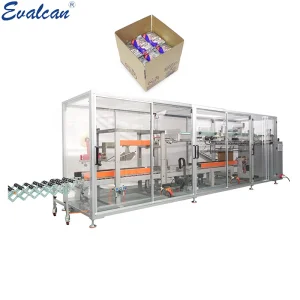
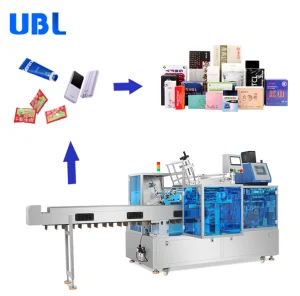
E-commerce distribution hubs are characterized by high volume and high SKU variability. In these settings, manual box packing, scaling, and labeling are significant bottlenecks. A synchronized solution integrating a *High Speed Case Packer and Carton Box Packing Line* with automated conveyor belts handles these challenges. When an order is completed, the case packer compiles the products, seals the carton, and passes it through a scanning and marking station. Here, laser markers code the box with routing details retrieved directly from the Warehouse Management System, facilitating rapid dispatch and tracking.
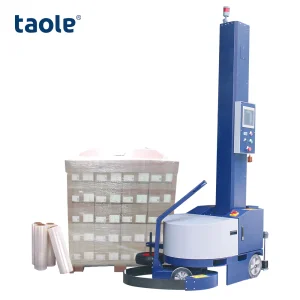
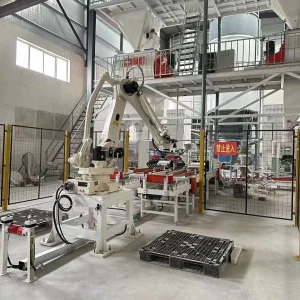
Handling bulk materials like cement, plastic granules, or chemical fertilizers requires robust physical automation. The deployment of a Multifunctional Cement Bag Palletizing Machine combined with Intelligent Self-propelled Stretch Robot Pallet Wrappers allows companies to convert loose bagged inventory into stable, standardized, and unitized pallet loads. Once unitized, each pallet is assigned a unique parent RFID tag, allowing the Inventory Management System to track bulk tonnage movements as single logical units, significantly simplifying warehouse storage and audit routines.
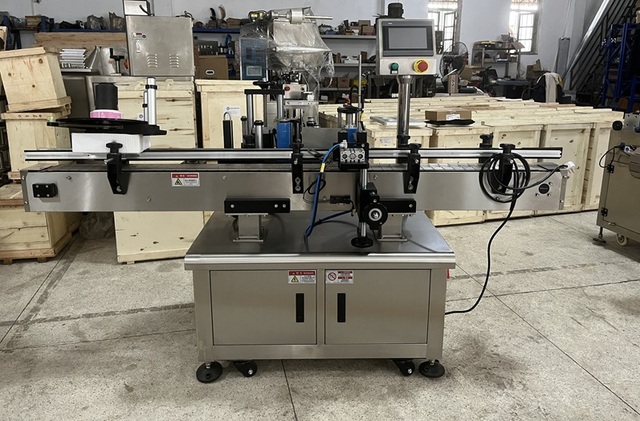
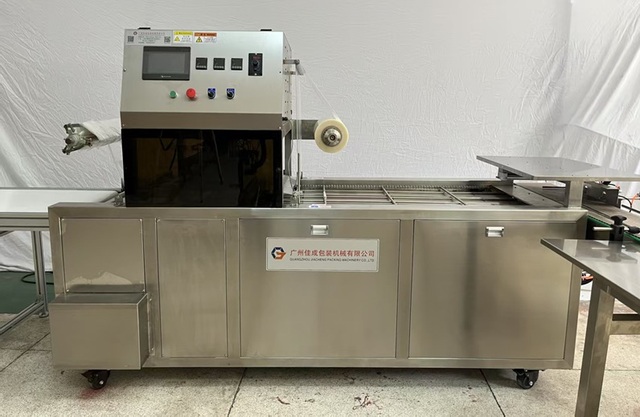
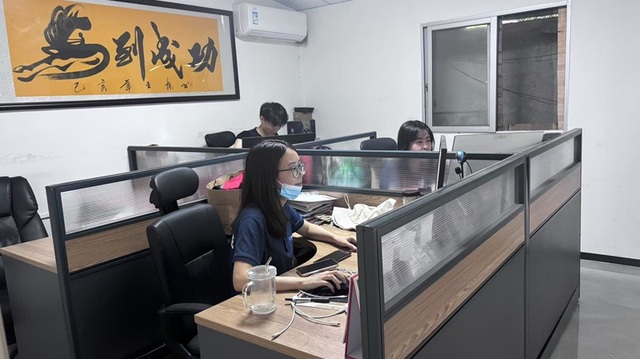
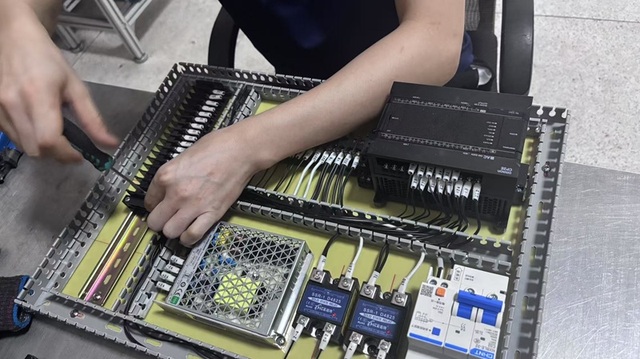
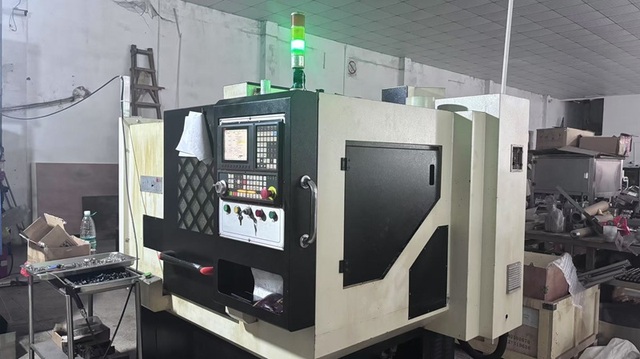
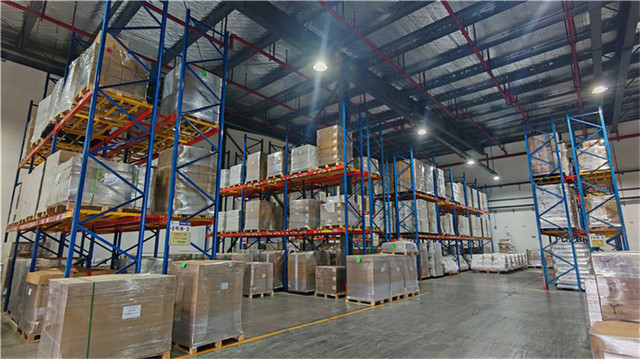
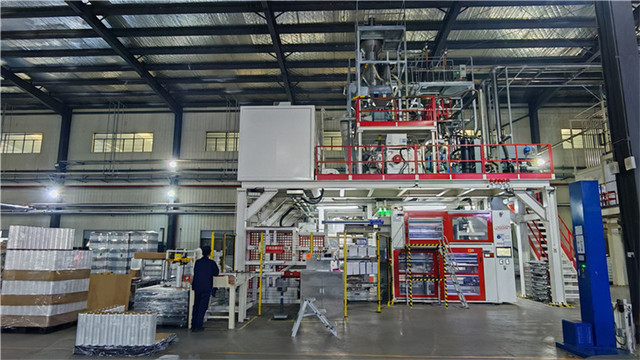
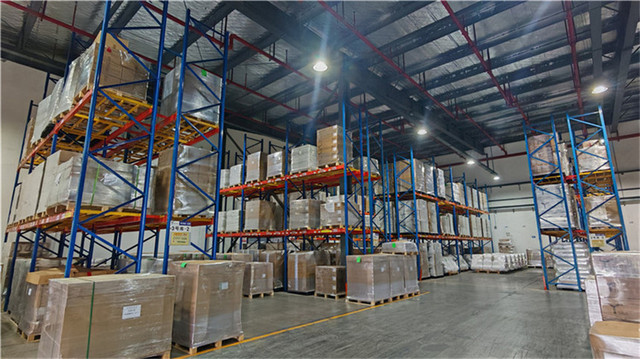
An inside look at our advanced engineering facility, where components are assembled, tested, and quality-inspected before worldwide dispatch.
Get answers to critical integration, performance, and engineering questions regarding modern warehouse control machinery.
Physical packaging machinery serves as the key data extraction point on the production floor. By incorporating sensors, PLC controllers (like Siemens or Allen-Bradley), and industrial networking modules (EtherNet/IP, Modbus TCP, OPC-UA), machines transmit real-time cycle data, weight logs, and unique package IDs directly to your database, updating inventory levels instantly without manual human scanning.
In-line laser marking creates a permanent, high-contrast, indelible mark on materials like metal, rubber, and polymers. Unlike ink-jet printers, lasers require no ink or solvent consumables, eliminating recurring supply costs and the risk of blurred or rubbed-off barcodes. This guarantees long-term readability for barcode scanners, automated camera checks, and tracking systems down the line.
Dynamic checkweighers, such as the 350kg/H automatic weighing system, dynamically weigh products as they pass along the conveyor. The system automatically compares the reading against the target weight defined in the ERP. If the package is under- or over-filled, it is rejected and marked in the IMS as a defect. This prevents faulty shipments and ensures accurate inventory accounting.
Yes. Econe's engineering team specializes in custom controls and hardware engineering. We design custom PLC programs, supply appropriate industrial network cards, and configure conveyor dimensions, feed heights, and layout orientations to interface with your existing machinery, ensuring smooth material flow and reliable communications.
Explore Econe's comprehensive end-of-line packaging lines, stretch wrapping robots, case packers, and heavy-duty industrial palletizing systems.
 Econe Machinery