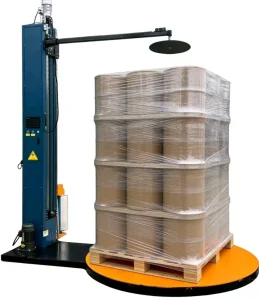
High-precision smart logistics, heavy-duty wrapping, and material handling systems designed to maximize end-of-line packaging efficiency.

An analytical overview of structural changes in B2B manufacturing, precision validation, and global regulatory compliances.
In modern industrial manufacturing, the definition of product quality has transformed from simple post-production screening into a systematic, real-time process integrity method. Industrial manufacturing entities globally are implementing rigorous, inline metrology platforms. The demand for Inspection & Quality Control Equipment is driven by rising automation rates, stricter safety regulations in food and pharmaceutical industries, and the continuous push for miniaturization and tight tolerances in high-tech manufacturing.
According to modern manufacturing audits, manual visual inspection exhibits a defect-miss rate of anywhere from 12% to 23% depending on inspector fatigue. Automated quality control solutions, such as 2D/3D machine vision inspection machines, intelligent sorters, and high-frequency in-line checkweighers, reduce defect escape rates to virtually zero. By integrating inline, non-destructive optical testing (NDT), companies protect brand reputation and minimize waste, ensuring that downstream processing lines are fed only with conforming parts.
Information Gain Insight: The shift from statistical sample inspection to 100% inline unit-level validation is the single most significant factor reducing warranty recall risks in global logistics and fast-moving consumer goods supply chains.
Ningbo, China, has emerged as a premier global hub for advanced packaging systems and mechanical components. The industrial ecosystem in Ningbo provides a dense, deeply integrated supply chain. This clustering allows manufacturers like Ningbo Econe Machinery Co., Ltd. to source high-grade raw materials, precision-machined pneumatic assemblies, and state-of-the-art sensor technologies locally, reducing lead times and engineering design loops.
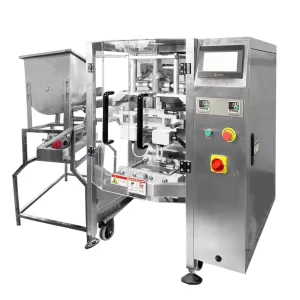
The efficiency advantage of a Chinese factory extends beyond low labor costs; it lies in the concentration of engineering talent, fast prototyping loops, and rapid vertical integration of subsystems. Whether it is an automated stretch wrapping machine or a highly customizable liquid filling system, the localized supply chain provides the flexibility to adjust design specs on the fly, yielding lower total cost of ownership (TCO) for international clients. This high manufacturing density ensures that heavy-duty machinery stands up to the rigors of continuous global operations.
Modern inspection and sorting systems are deployed globally to solve specific operational pain points:
Innovating reliable engineering standards to meet evolving global demands.
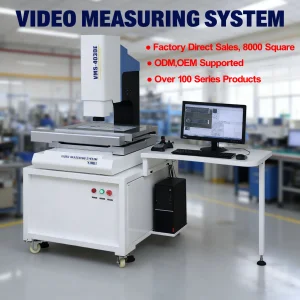
Automated coordinate checking systems capture micron-level dimension variations, outputting statistical data points directly to plant SCADA systems.
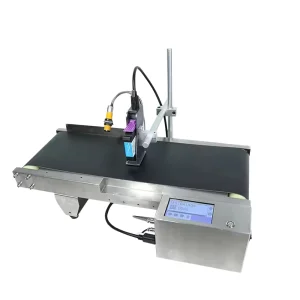
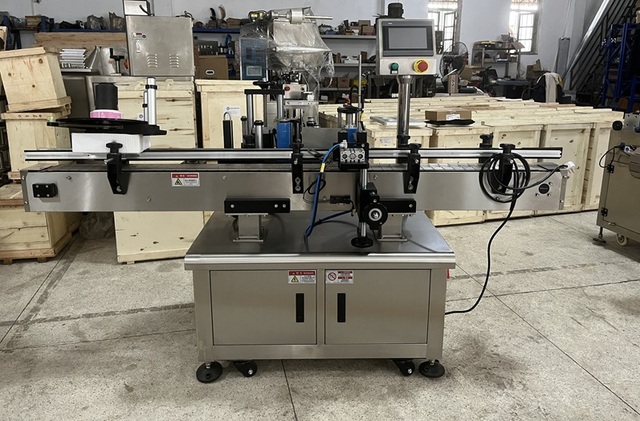
Continuous inkjet labeling and laser marking modules encode tracking data onto individual parts, achieving total product serialization across global supply chains.
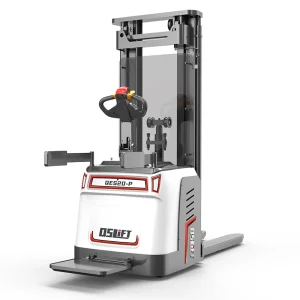
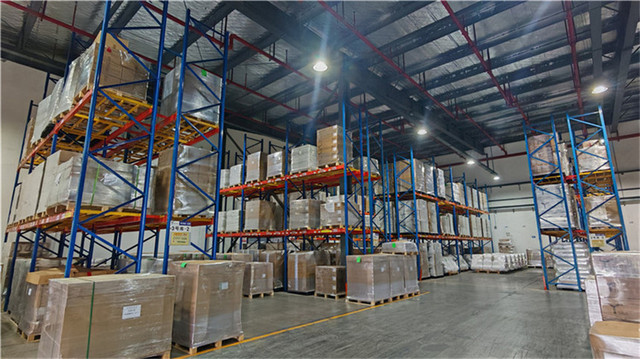
Intelligent electric stackers and automated forklifts prevent operational bottlenecks, stabilizing warehouse cargo flows with safety monitoring sensors.
The quality control sector is undergoing major shifts due to the inclusion of Industry 4.0 techniques. Three main trends stand out:
B2B buyers assessing quality control equipment suppliers must prioritize mechanical endurance, calibration standards, and software scalability. Essential procurement steps include:
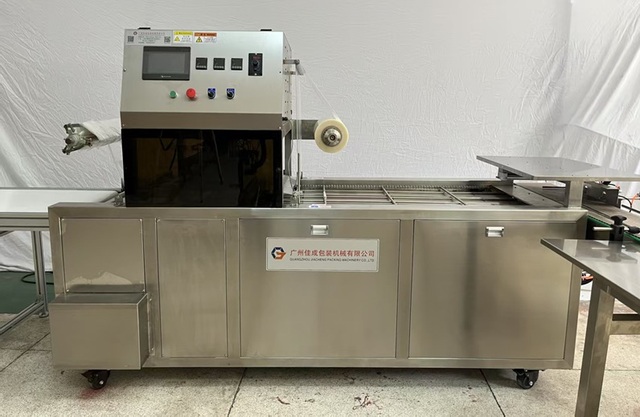
Explore our industrial-grade material handling, precision visual measurement, and packaging equipment collection.


Technical answers regarding validation, customization, and factory operations.
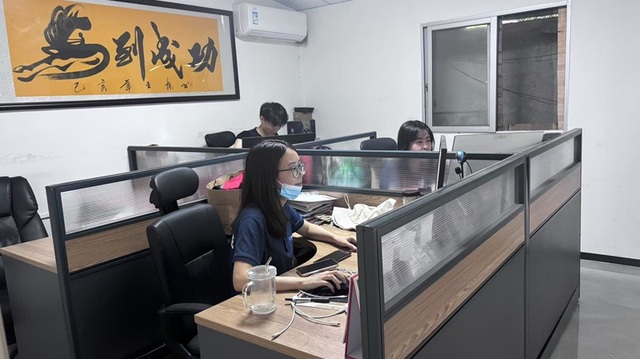
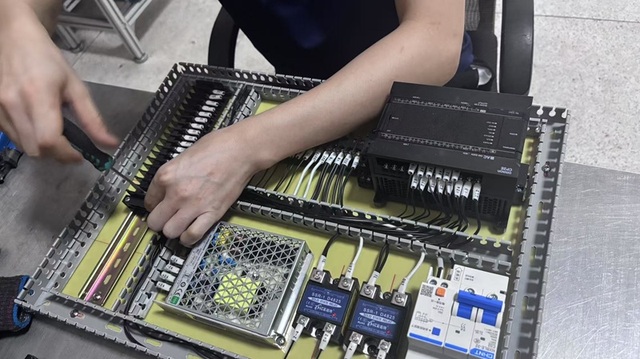
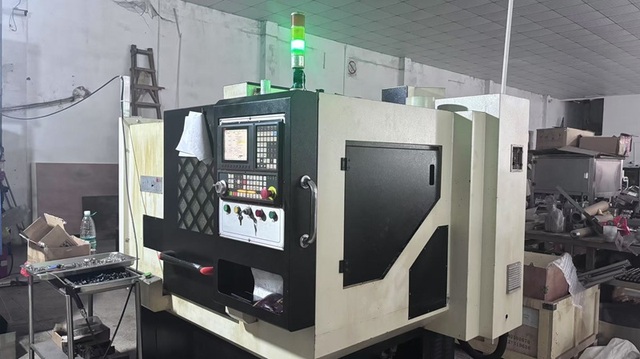
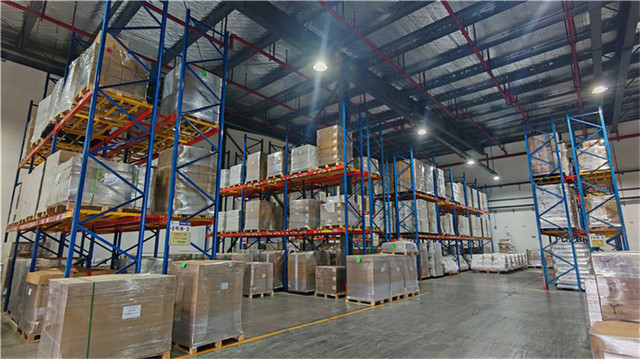
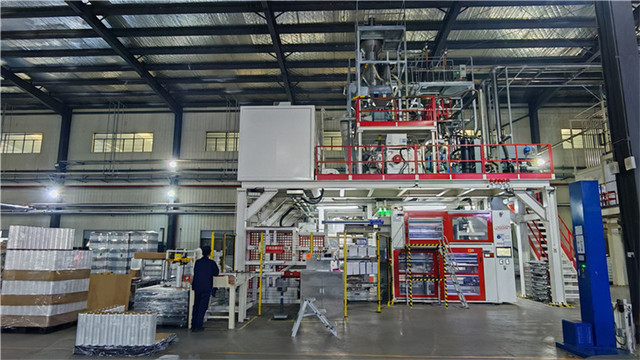
Inside our factory, showcasing production and engineering standards.
 Econe Machinery