Explore the cornerstone packaging and processing technologies driving efficiency in smart manufacturing environments.
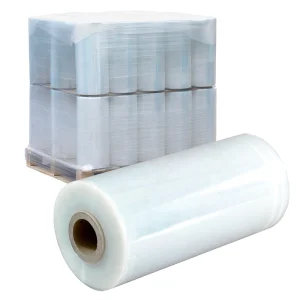
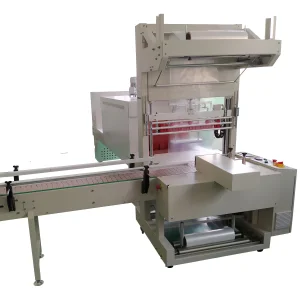
In the highly competitive landscape of global manufacturing, end-of-line packaging is no longer viewed merely as a post-production necessity. Instead, it is recognized as a vital determinant of **overall equipment effectiveness (OEE)**, product preservation, and brand representation. At the heart of this process lies the **heat shrink tunnel**—a specialized thermal chamber designed to apply controlled heat to polymer films (POF, PE, PVC, PET), causing them to shrink tightly and uniformly around containers, pallets, or complex geometrical items.
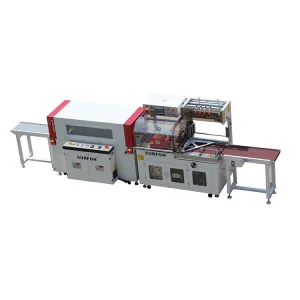
As logistics operations transition toward automated warehouse systems and fast-moving consumer goods (FMCG) demand rapid throughput, selecting the right partner from the *Top 10 Heat Shrink Tunnels Suppliers & Exporters* becomes a core engineering priority. High-performance shrink tunnels must deliver uniform heat distribution, precise temperature maintenance, and high energy efficiency to match speed tolerances of advanced wrappers without causing thermal damage to the products or consuming excess power.
Modern heat shrink tunnels have evolved significantly from basic hot-air chambers. Today's manufacturing landscape demands systems capable of handling extremely thin-gauge films and complex packaging geometries without compromising cycle speed or structural integrity. Engineers classify modern shrink tunnels based on their heating medium and thermal delivery mechanism:
Utilizes advanced centrifugal blowers to continuously cycle pre-heated air through adjustable nozzles. By recycling thermal energy, these systems reduce power consumption by up to 30% and ensure minimal heat leakage into the production facility.
Preferred in high-speed bottling lines (e.g., PET bottles with contoured profiles). Steam provides immediate, highly efficient heat transfer, preventing product distortion and offering uniform shrinkage for high-end graphic sleeves.
Directly targeting the film without heating the surrounding air, IR tunnels enable lightning-fast startups and shut-offs. Highly applicable for flat, uniform packages and localized film-shrinking requirements.
Key technical shifts driving development include the transition to **multi-zone temperature control modules**. Rather than maintaining a single ambient temperature throughout the tunnel, advanced systems partition the chamber into distinct zones—preheat, shrink, and cooling—each managed by independent PID controllers linked to a central human-machine interface (HMI). Furthermore, compatibility with PCR (Post-Consumer Recycled) films is a major focus; these films have a narrower thermal shrinking window, necessitating precision sensors to prevent burn-through or wrinkling.
Procurement directors in multinational corporations prioritize three key pillars when evaluating heat shrink tunnel manufacturers: **thermal reliability, line synchronization, and mechanical longevity**. The commercial environment varies significantly by region:
From an SEO and user intent perspective, technical buyers do not simply search for "cheap shrink tunnels." They execute semantic queries targeting solution-oriented keywords: *"energy-efficient POF shrink tunnel for multi-packs," "high-speed steam shrink sleeve applicator for beverages,"* or *"heavy-duty PE industrial shrink tunnel manufacturer."* E-E-A-T requires content to address these technical queries directly, detailing real-world engineering solutions, factory testing standards, and compliance procedures.
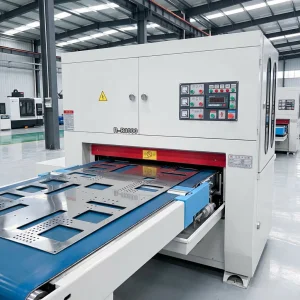
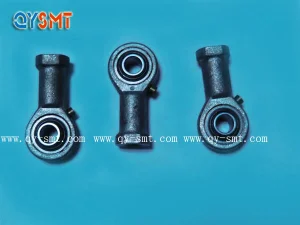
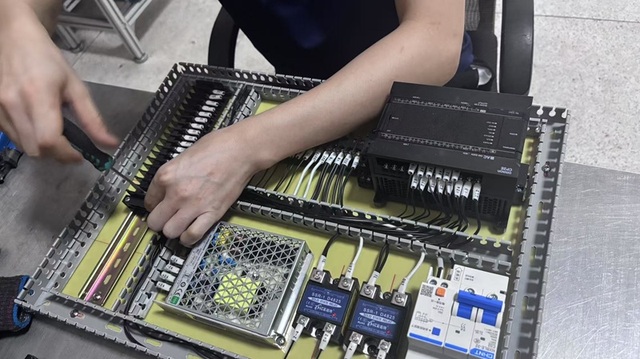
In the global market, China has transitioned from a high-volume manufacturing center to a pioneer of **Factory 4.0 advanced automation**. This transformation is highly visible in the industrial packaging machinery sector. Modern Chinese factories integrate high-precision SMT (Surface Mount Technology) assembly lines (leveraging advanced components such as FUJI Genuine positioning stops for conveyor systems) to construct robust controller boards for packaging lines.
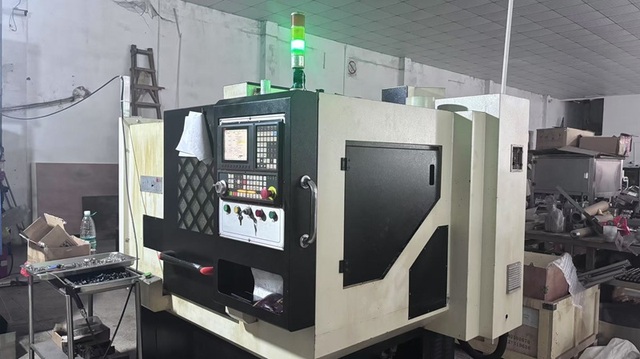
By leveraging an extensive domestic supply chain, Chinese manufacturers enjoy unparalleled access to raw materials, high-grade steels, and customized servo motors. This ecosystem guarantees rapid prototyping, short delivery lead times, and high cost-efficiency. Manufacturers located in packaging industrial clusters, such as Ningbo, utilize automated laser cutting machines, robotic welding cells, and digital quality testing rigs to ensure that every machine leaves the floor with certified quality standards.
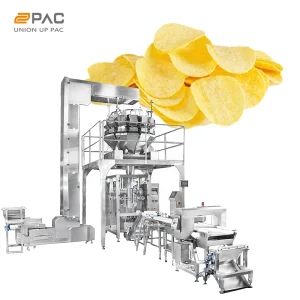
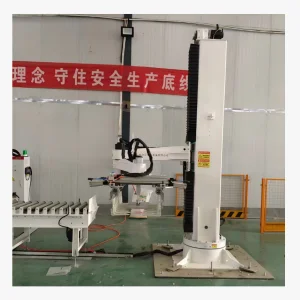
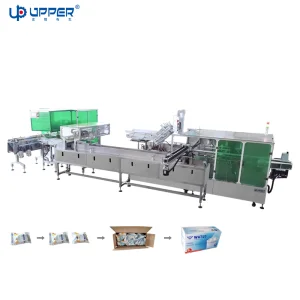
This structural resilience allows suppliers to offer deep customization—such as building dual-chamber tunnels designed specifically to integrate with vertical weighing structures, automated cartoning machines, or high-capacity palletizing robots. It also ensures that critical spare parts are engineered to international standards, simplifying local sourcing for overseas buyers.
When engineering teams short-list suppliers for critical packaging lines, they evaluate key metrics. Below is the criteria matrix used by top-tier procurement professionals:
Can the supplier customize conveyor widths, tunnel clearances, and heating elements to match unique product footprints? Off-the-shelf machinery rarely achieves optimal efficiency.
Look for double-wall stainless steel chambers filled with high-density rock wool. Poor insulation results in thermal loss, rising utility costs, and a hazardous working environment.
Evaluate energy consumption (kWh) relative to processing speeds. A cheaper tunnel that consumes 45 kW/h can cost more over its lifetime than a premium tunnel that consumes 28 kW/h.
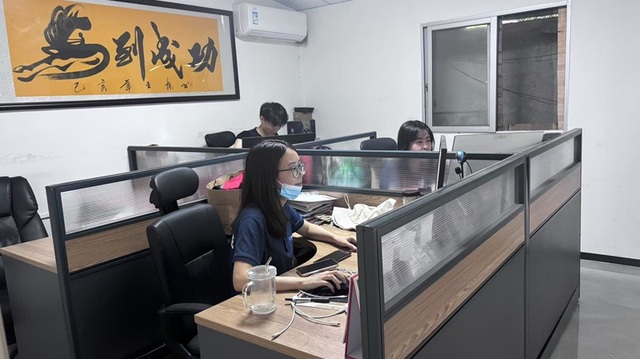
Ningbo Econe Machinery Co., Ltd. stands as a professional Industrial Packaging Machinery Manufacturer specializing in automated packaging systems, conveying equipment, and end-of-line automation solutions for global manufacturing industries. Based in Ningbo, China, the company focuses on the design, engineering, and production of integrated packaging machinery that helps manufacturers improve productivity, reduce labor costs, and optimize packaging efficiency.
With extensive experience in industrial automation, Econe Machinery provides a comprehensive range of solutions including automated conveying systems, product feeding equipment, weighing and counting systems, bagging solutions, wrapping systems, labeling integration, inspection systems, case handling equipment, and customized end-of-line packaging automation. These systems are widely applied in food processing, consumer goods, pharmaceuticals, chemicals, electronics, hardware, and industrial manufacturing sectors.
The company emphasizes engineering innovation, production reliability, and flexible customization. Its technical team works closely with customers to develop packaging solutions tailored to specific production requirements, factory layouts, and operational objectives. From standalone equipment to fully integrated packaging lines, Econe Machinery supports projects throughout planning, manufacturing, installation, and commissioning stages.
Equipped with modern manufacturing facilities and strict quality control procedures, Ningbo Econe Machinery is committed to delivering durable, efficient, and user-friendly equipment that meets international standards. The company continuously invests in automation technologies and intelligent manufacturing solutions to help customers adapt to evolving market demands. Serving clients across Asia, Europe, North America, South America, the Middle East, and other international markets, Ningbo Econe Machinery Co., Ltd. strives to be a reliable partner for businesses seeking advanced packaging automation, conveying systems, and end-of-line production solutions that enhance operational performance and long-term competitiveness.
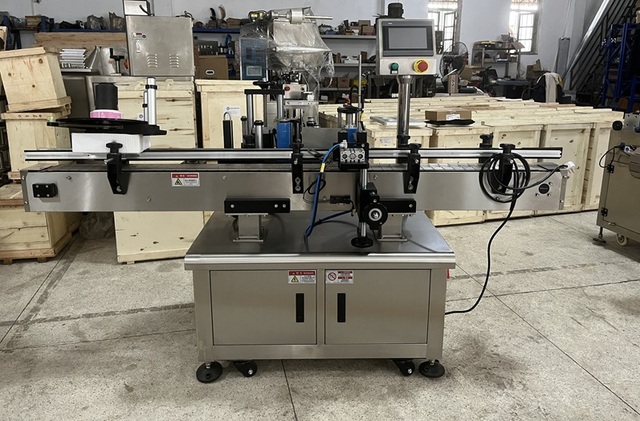
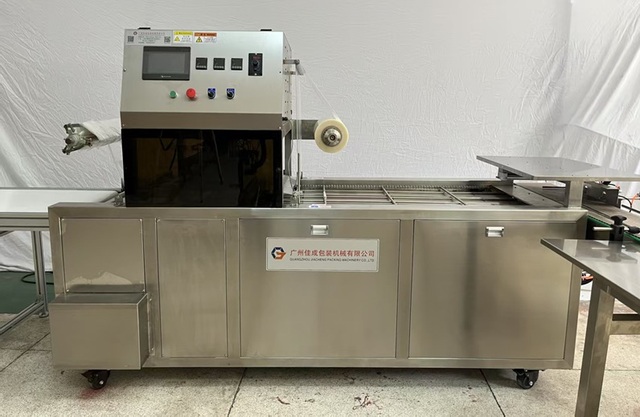
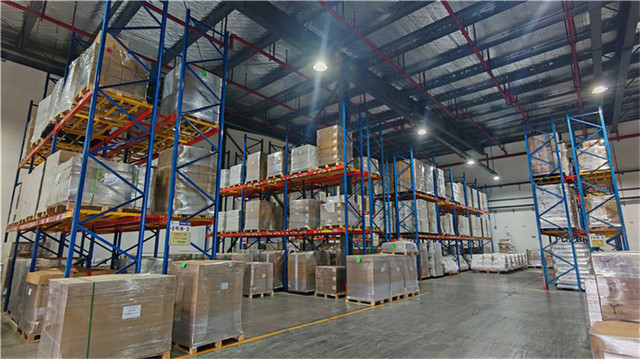
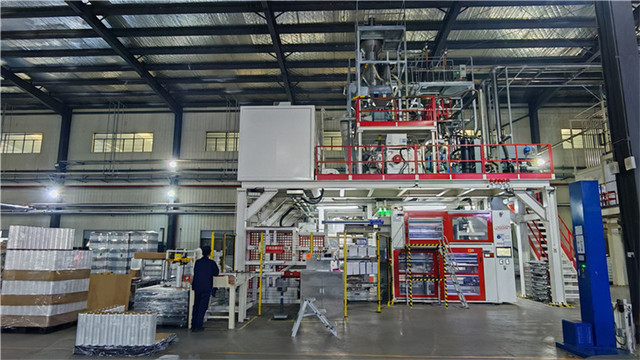
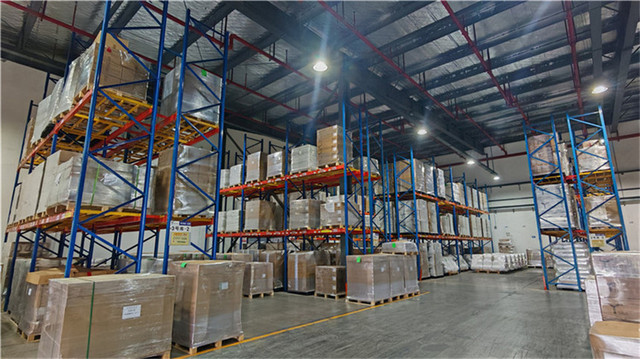
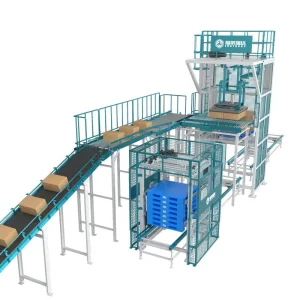
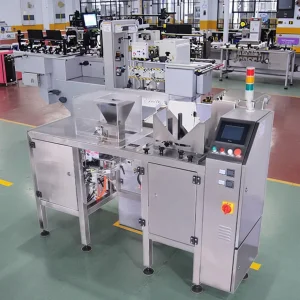
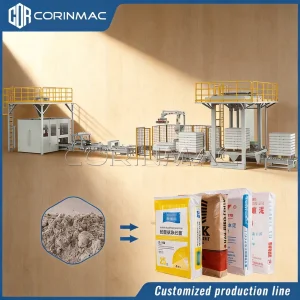
In practice, a shrink tunnel is rarely a standalone island. It must integrate seamlessly with upstream bagging, scaling, or cartoning systems, and downstream palletizing and warehousing setups. Some typical industrial integration scenarios include:
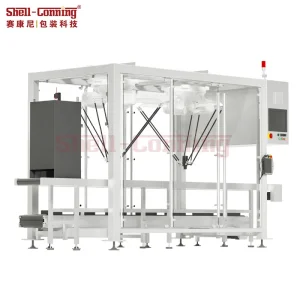
Explore our robust line of robotics, bulk packaging systems, and automatic wrapping machinery designed for high-throughput configurations.
 Econe Machinery