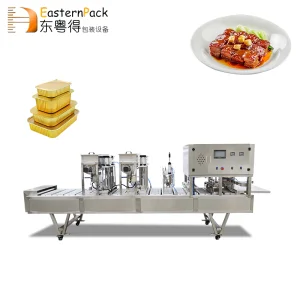
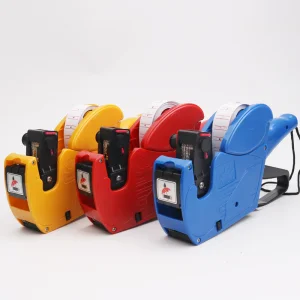
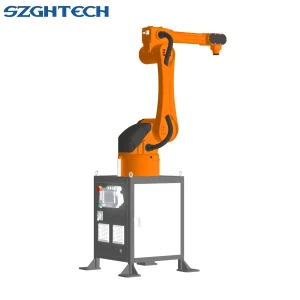
High-speed packaging, automated dosing, and precise conveying engineering for high-throughput enterprise supply chains.
In modern supply chains, the pallet is no longer viewed as a simple platform for storage. It has evolved into a highly engineered structural component critical to automated warehousing, rapid sorting networks, and clean manufacturing ecosystems. As global regulations tighten and industries transition toward circular models, the demand for high-quality, customized polymer systems has reached unprecedented heights.
Traditional wooden pallets introduce substantial hidden costs. From wood dust contaminating packaging equipment to splinters puncturing delicate packaging bags, the operational losses accumulate quickly. Furthermore, international phytosanitary regulations like ISPM 15 demand expensive fumigation or heat-treating procedures for timber packaging, causing administrative overhead and potential customs delays. Custom plastic pallets solve these paint-points, providing a predictable, sterile, and durable alternative that is optimized for both human logistics and high-speed robotic machinery.
Completely sterile structures that are non-porous, chemical-resistant, and entirely immune to pest infestation, mold, or microbial growth. Ideal for FDA-regulated pharma and sanitary food packaging pipelines.
Molded with tolerances measured in millimeters, preventing automated system blockages, sensor faults, or robotic misalignments that occur with warping, splitting, or expanding wooden pallets.
Manufactured from 100% recyclable High-Density Polyethylene (HDPE) or Polypropylene (PP). Capable of performing hundreds of trips over a lifespan of up to 10 years, dramatically reducing per-trip costs.
Custom OEM manufacturing allows industrial operators to adapt the platform specifically to their workflows rather than forcing operational concessions. To achieve the optimal balance between cost, structural integrity, and dead weight, engineers utilize rigorous Finite Element Analysis (FEA) to simulate complex load conditions. Different polymers and additive formulas are combined to meet precise temperature, UV, and impact requirements.
Selecting the appropriate production method defines the final cost structure and structural behavior:
Depending on the material handling equipment (MHE) used throughout the supply chain, the pallet structure must be custom-tailored:
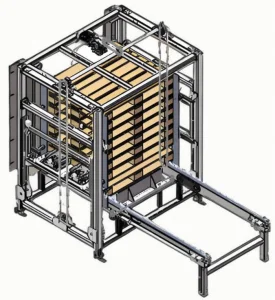
In modern factories, the packaging machine and the pallet function as a single unit. A failure in one directly halts the other. As an industry leader in end-of-line packaging machinery, Ningbo Econe Machinery Co., Ltd. builds high-speed bagging, carton packing, and robotic palletizing systems that rely heavily on the structural uniformity of the underlying pallet.
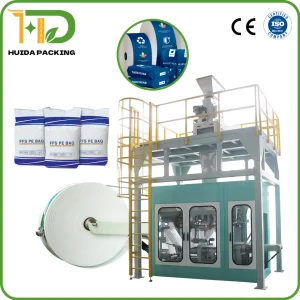
For instance, in a fully automated tubular FFS (Form, Fill, and Seal) bagging line handling 25kg chemical pellets, the stacked bags must be perfectly centered on a clean, dimensionally precise deck. A variation of just a few millimeters in pallet height or deck warp can trigger optical sensor errors, misalignment of the slip sheet, or mechanical jamming during robotic gripper placement. Custom OEM plastic pallets, designed with engineered surface textures and specific structural ribbing, align perfectly with pneumatic and vacuum-assisted depalletizers, ensuring uninterrupted 24/7 continuous operation.
By matching the mechanical parameters of our palletizers with customized plastic pallet geometries, we eliminate common failure modes such as:
Global supply chain networks demand localized variations in pallet specifications. An exporter servicing multiple continents must adapt to regional logistics equipment and regulatory systems:
Requires heavy-duty, double-faced stackable pallets capable of carrying up to 2000kg of bagged resins or minerals. Excellent chemical inertness is vital to prevent degradation from spills of aggressive solvents or acids.
Demands entirely closed-deck, flat-surface hygienic pallets. With no recesses where dirt or moisture can accumulate, these pallets can be sanitized easily using high-temperature steam wash cycles.
Requires customized polymer blends designed for sub-zero environments (down to -40°C). Normal plastic becomes brittle at these temperatures; specialized impact modifiers must be integrated to prevent cracking under dynamic shocks.
From the European pooling standard to North American grocery systems, Econe integrates the engineering of pallet systems with advanced machinery to secure stable operation across the global market.
The future of industrial logistics lies in tracking and digitalization. As warehouses transform into IoT-driven systems, custom plastic pallets are being converted into intelligent data carriers. Through embedded sensors and wireless communication protocols, the pallet no longer simply holds inventory—it actively monitors it.
Ningbo Econe Machinery Co., Ltd. - Your Trusted Partner in Industrial Automation and Packaging Systems.
Ningbo Econe Machinery Co., Ltd. is a professional Industrial Packaging Machinery Manufacturer specializing in automated packaging systems, conveying equipment, and end-of-line automation solutions for global manufacturing industries. Based in Ningbo, China, the company focuses on the design, engineering, and production of integrated packaging machinery that helps manufacturers improve productivity, reduce labor costs, and optimize packaging efficiency.
With extensive experience in industrial automation, Econe Machinery provides a comprehensive range of solutions including automated conveying systems, product feeding equipment, weighing and counting systems, bagging solutions, wrapping systems, labeling integration, inspection systems, case handling equipment, and customized end-of-line packaging automation. These systems are widely applied in food processing, consumer goods, pharmaceuticals, chemicals, electronics, hardware, and industrial manufacturing sectors.
The company emphasizes engineering innovation, production reliability, and flexible customization. Its technical team works closely with customers to develop packaging solutions tailored to specific production requirements, factory layouts, and operational objectives. From standalone equipment to fully integrated packaging lines, Econe Machinery supports projects throughout planning, manufacturing, installation, and commissioning stages.
Equipped with modern manufacturing facilities and strict quality control procedures, Ningbo Econe Machinery is committed to delivering durable, efficient, and user-friendly equipment that meets international standards. The company continuously invests in automation technologies and intelligent manufacturing solutions to help customers adapt to evolving market demands.
Serving clients across Asia, Europe, North America, South America, the Middle East, and other international markets, Ningbo Econe Machinery Co., Ltd. strives to be a reliable partner for businesses seeking advanced packaging automation, conveying systems, and end-of-line production solutions that enhance operational performance and long-term competitiveness.
Expert answers regarding custom engineering, structural integration, and global shipping optimization.
HDPE provides exceptional impact resilience at low temperatures, making it the standard choice for refrigeration, cold storage, and heavy outdoor environments. Polypropylene (PP) is stiffer and resists deformation under constant heavy loads in elevated temperatures, which is critical for high-bay racking systems.
Yes. Plastic pallets are completely exempt from the International Standards for Phytosanitary Measures No. 15 (ISPM 15). They do not require thermal treat processes, gas fumigation, or phytosanitary stamping, which eliminates customs hold-ups and processing costs.
Econe’s automated end-of-line palletizing systems use laser and photoelectric positioning arrays. When integrated with consistent custom OEM plastic pallets, it eliminates mechanical misalignment, reduce gripper downtime, and prevents automatic magazine feeding faults.
Yes, custom designs can integrate thermoplastic elastomer (TPE) anti-slip grommets on both the top deck and underside runners. Textured deck patterns can also be molded directly into the surface to prevent sliding during fast starts and stops on automated conveyors.
Under normal operational handling conditions, a heavy-duty injection-molded plastic pallet can sustain over 100 to 150 trips, compared to 5 to 10 trips for conventional wood. This translates to a lifespan of 5 to 10 years, dramatically lowering the total cost of ownership (TCO).
During or after the molding process, high-strength galvanized steel pipes are embedded inside internal channels within the deck or runners. This reinforcement distributes the load evenly, preventing sagging in drive-in racking environments under full capacity.
We can design custom cavities with protective covers to house active IoT tracking devices, NFC tags, or passive UHF RFID transponders, enabling automated yard management and supply chain transparency.
Yes. Hygienic plastic pallets are designed with flat, fully sealed surfaces, ensuring no internal cavities where dirt, bacteria, or liquids can accumulate. They can be safely steam-cleaned or sanitized using sanitizing chemical washes.
Custom heavy-duty pallets can be engineered to support static loads of up to 6,000 kg, dynamic loads of 2,000 kg, and rack loads of 1,500 kg, depending on structural reinforcing and polymer blends selected.
Econe Machinery provides full turnkey solutions, linking automated packaging lines (including FFS bagging, dosing, labeling, and carton packing) to the final robotic palletizing cell, ensuring maximum operational throughput.
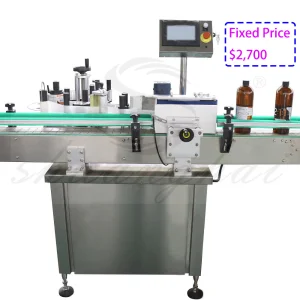
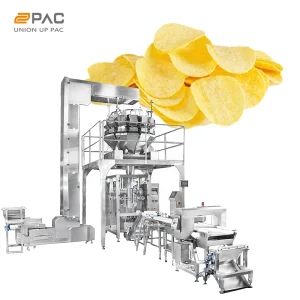
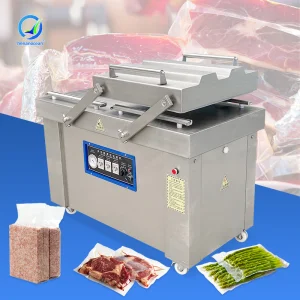
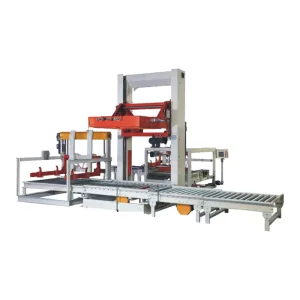
Explore our complete engineering catalog for packaging, marking, and end-of-line container palletizing systems.
 Econe Machinery