In the highly competitive luxury, cosmetics, consumer electronics, and confectionery markets, custom gift packaging functions as a critical medium for brand storytelling and consumer engagement. An exceptional package is not simply an aesthetic cover—it is an intricate structural architecture engineered to convey premium quality, guarantee product protection, and integrate seamlessly with modern logistic pathways. Sourcing high-quality Custom OEM Gift Packaging Solutions from robust manufacturing units demands a deep understanding of packaging technology, material properties, eco-regulations, and intelligent end-of-line integration.
For global companies, optimizing their packaging line involves combining high-end physical materials (like rigid board, specialty papers, organic inks, and structural inserts) with advanced automation solutions. Modern factories leverage technologies like automatic palletizers, conveyor configurations, and visual quality systems to handle high volumes without compromising precise aesthetic tolerances. As global supply chains adapt to strict ecological standards, factories must transition to sustainable substrates, reducing raw plastics while retaining high tensile strengths and premium finishes.
Ningbo Econe Machinery Co., Ltd. is a professional Industrial Packaging Machinery Manufacturer specializing in automated packaging systems, conveying equipment, and end-of-line automation solutions for global manufacturing industries. Based in Ningbo, China, the company focuses on the design, engineering, and production of integrated packaging machinery that helps manufacturers improve productivity, reduce labor costs, and optimize packaging efficiency.
With extensive experience in industrial automation, Econe Machinery provides a comprehensive range of solutions including automated conveying systems, product feeding equipment, weighing and counting systems, bagging solutions, wrapping systems, labeling integration, inspection systems, case handling equipment, and customized end-of-line packaging automation. These systems are widely applied in food processing, consumer goods, pharmaceuticals, chemicals, electronics, hardware, and industrial manufacturing sectors.
The company emphasizes engineering innovation, production reliability, and flexible customization. Its technical team works closely with customers to develop packaging solutions tailored to specific production requirements, factory layouts, and operational objectives. From standalone equipment to fully integrated packaging lines, Econe Machinery supports projects throughout planning, manufacturing, installation, and commissioning stages.
Equipped with modern manufacturing facilities and strict quality control procedures, Ningbo Econe Machinery is committed to delivering durable, efficient, and user-friendly equipment that meets international standards. The company continuously invests in automation technologies and intelligent manufacturing solutions to help customers adapt to evolving market demands.
Serving clients across Asia, Europe, North America, South America, the Middle East, and other international markets, Ningbo Econe Machinery Co., Ltd. strives to be a reliable partner for businesses seeking advanced packaging automation, conveying systems, and end-of-line production solutions that enhance operational performance and long-term competitiveness.
Enterprise-level sourcing of custom OEM gift packaging involves evaluating chemical compliance, structural load limits, surface treatment capabilities, and logistical scaling. Multinationals must maintain brand consistency across regions, which demands strict adherence to international standards.
Custom gift boxes require precise post-press finishes to ensure impact on retail shelves. Factories utilize specialized coating equipment, hot stamping foils, embossing molds, and UV spot coatings. Standard processes include:
The structural durability of packaging depends on the grade of the primary base material. Sourcing managers evaluate physical parameters like burst strength, water absorption (Cobb value), and bend resistance:
To bridge the gap between design concepts and automated production, modern gift packaging factories deploy integrated hardware. Custom gift packaging often incorporates diverse components—such as magnetic seals, plastic windows, ribbon closures, and even embedded electronic elements. Producing these boxes at scale requires a cohesive setup where machinery handles feeding, gluing, wrapping, and casing automatically.
For instance, modern high-speed packaging relies on Automatic Conveyor Systems, machine vision inspection cameras, and robotic palletizers working in unison. By aligning physical materials with automated conveyors, factories ensure that complex box structures, such as folder-gluer setups and collapsible magnetic boxes, move through production with minimal manual handling. Let's look at how automated configurations improve the quality of high-end gift packaging production lines:
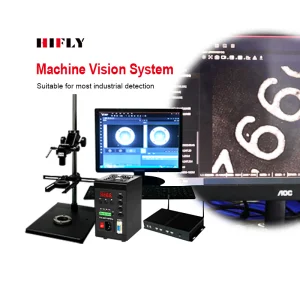
Raw sheets are precision-cut, creased, and printed. High-resolution Machine Vision Quality Inspection Systems verify print registration and catch surface defects in real time before sheets proceed to folding or gluing stages.
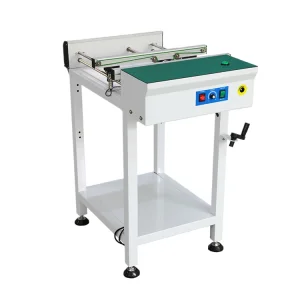
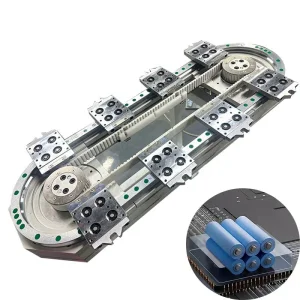
Sub-assemblies move smoothly along conveyor belts. Systems like Smt Buffer Conveyors and Arc Guideway Conveyors manage the buffer space between structural box formation and gluing sections to avoid bottlenecks on the factory floor.
Automatic box-making machines apply hot-melt adhesives, fold margins over grayboard cores, and wrap paper surfaces. Robotic arms with visual sensors precisely position components to ensure accurate panel alignment.
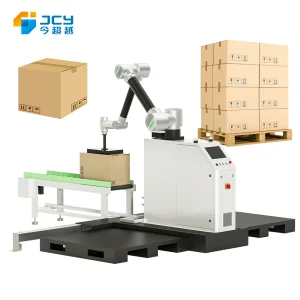
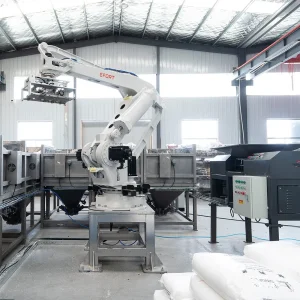
Finished boxes are grouped, packed into shipping cartons by automatic case packers, and stacked onto pallets by collaborative robotic grippers. This automation ensures high throughput and protects premium surfaces from scuffs.
The global OEM packaging landscape is transitioning toward intelligent, sustainable, and highly automated production models. The graphic below illustrates the projected developments in packaging technology over the next five years:
Widespread adoption of plastic-free barrier coatings and water-soluble adhesives. Upgrading die-cut lines to handle bio-substrates without tearing.
Integration of deep-learning algorithms within machine vision systems to recognize minor scuffs, structural deviations, and color shifts under variable factory lighting.
High-volume embedding of flexible NFC antennas and electro-chromic inks directly during the printing process for high-end luxury gift items.
Introduction of carbon-neutral manufacturing lines featuring highly efficient, low-energy motors and fully circular material recycling loops.
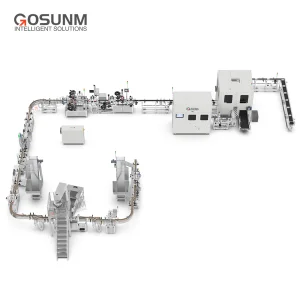
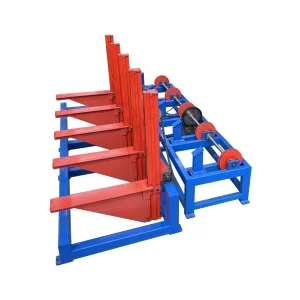
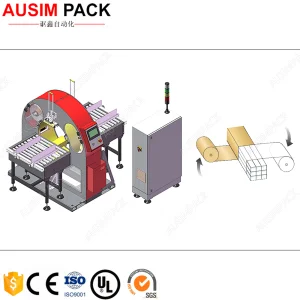
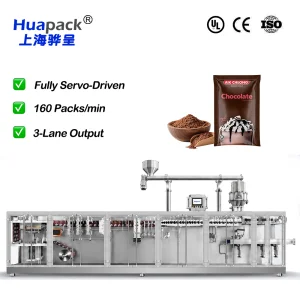
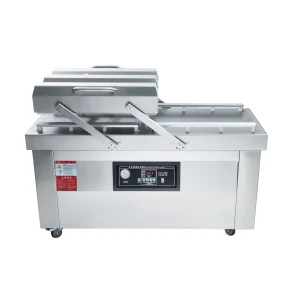
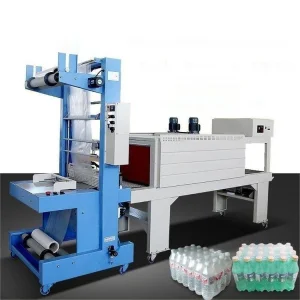
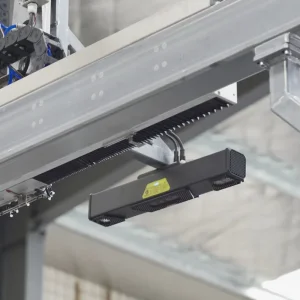
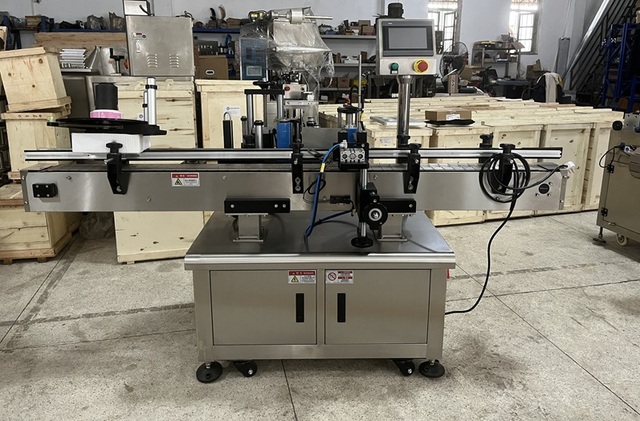
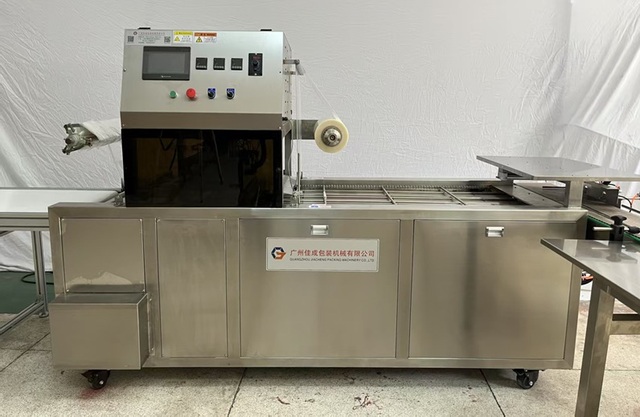
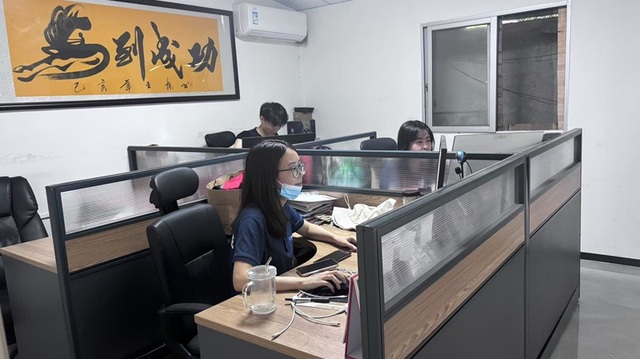
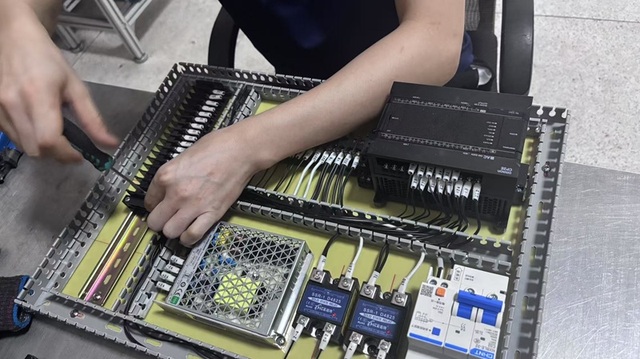
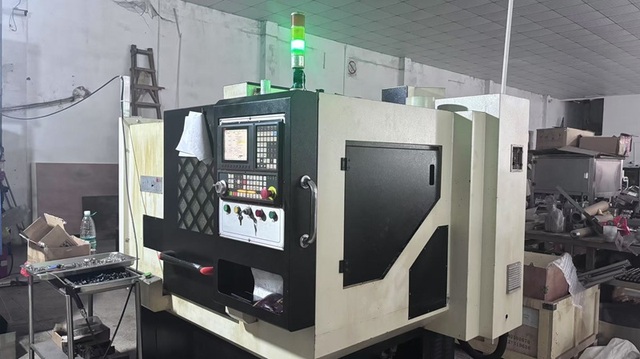
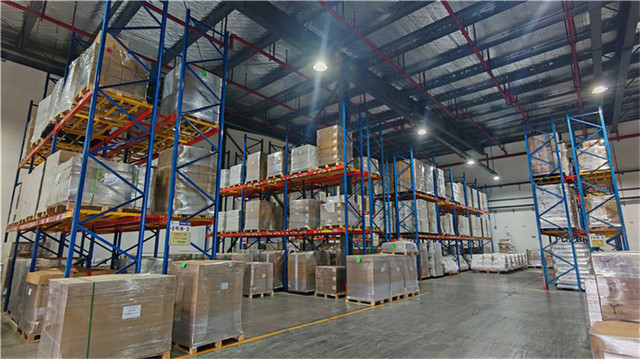
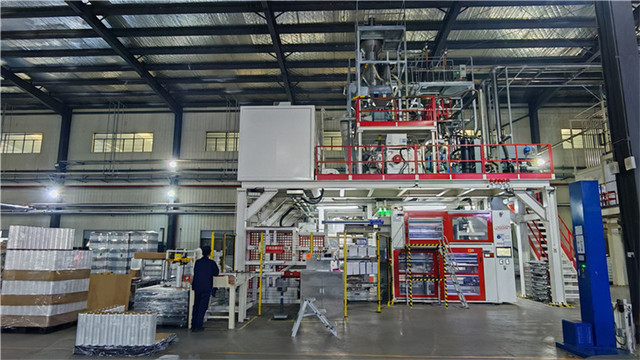
To maintain consistent quality at scale, our partners rely on specialized, automated hardware. The following gallery highlights key sections of the automated manufacturing facilities, demonstrating the transition from raw materials to final, palletized products:
Sourcing from overseas factories requires comprehensive compliance with local safety regulations and raw material certifications. Professional manufacturing partners support overseas projects by matching design expectations with regional trade compliance standards:
 Econe Machinery