Analyzing technological advancements, market drivers, and system integration within modern horizontal flow wrapping and packaging configurations.
The global manufacturing ecosystem is undergoing an unprecedented shift toward hyper-automation. Within this paradigm, horizontal packaging machinery has progressed from localized mechanical assemblies to highly integrated, multi-axis motion-controlled systems. In industries such as food processing, medical devices, consumer goods, and hardware, the demand for fast, airtight, and highly reliable packaging has made horizontal packaging systems an indispensable asset in the end-of-line phase.
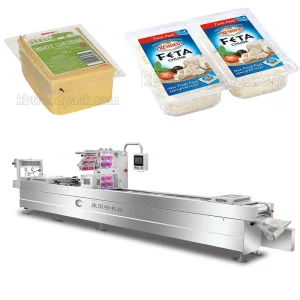
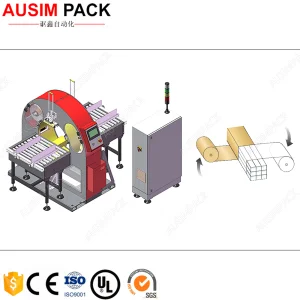
Traditionally, packaging setups functioned as standalone units, requiring extensive manual feeding and constant mechanical recalibration. Modern facilities, however, demand high Overall Equipment Effectiveness (OEE) and minimal Total Cost of Ownership (TCO). This has led to the development of intelligent horizontal form-fill-seal (HFFS) lines featuring servo-driven operations, tool-less changeover systems, and smart sensor feedback loops. These features reduce film wastage while maintaining hermetic seal integrity, which is essential for ensuring product quality and shelf life.
Multi-axis servo synchronization ensures consistent film tension control and precise cut-off alignment, even during variable speed transitions.
Integrating automatic film splicing and precise heat sealing reduces scrap material by up to 25%, directly lowering production costs.
Stainless steel construction paired with IP65-rated washdown capabilities ensures alignment with stringent international safety and hygiene regulations.
Moreover, the modern regulatory landscape requires strict adherence to hygiene standards. Equipment must feature stainless steel frames, sloped surfaces to prevent water accumulation, and tool-free dismantling configurations that simplify the Clean-in-Place (CIP) process. The integration of Modified Atmosphere Packaging (MAP) has also become a standard requirement, allowing manufacturers to displace oxygen with gas flushing to extend shelf life without relying on chemical preservatives.
How procurement teams can evaluate supplier technical capability, mechanical reliability, and cross-system compatibility.
Procuring industrial packaging machinery involves assessing how well the equipment integrates with existing factory lines. Global procurement managers look for flexible machinery that can process various film types—including eco-friendly barrier films, recyclable paper coatings, and standard laminates—without requiring extensive mechanical overhauls. A supplier's ability to offer bespoke tooling, customizable infeed layouts, and robust end-of-line integration is critical for reducing downtime.
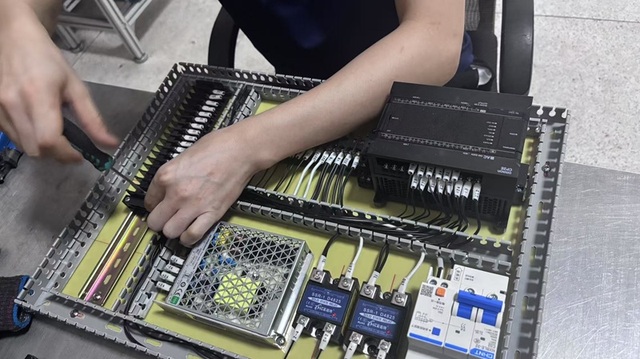
Modern procurement strategies prioritize vendors that design machinery with standardized PLC frameworks (such as Siemens, Allen-Bradley, or Omron). This standardization ensures that local maintenance staff can diagnose errors, purchase off-the-shelf components, and integrate third-party upstream and downstream equipment—like multihead weighers, metal detectors, and automatic case packers—without facing proprietary software compatibility issues.
Original corporate overview, production capabilities, and manufacturing excellence.
Ningbo Econe Machinery Co., Ltd. is a professional Industrial Packaging Machinery Manufacturer specializing in automated packaging systems, conveying equipment, and end-of-line automation solutions for global manufacturing industries. Based in Ningbo, China, the company focuses on the design, engineering, and production of integrated packaging machinery that helps manufacturers improve productivity, reduce labor costs, and optimize packaging efficiency.
With extensive experience in industrial automation, Econe Machinery provides a comprehensive range of solutions including automated conveying systems, product feeding equipment, weighing and counting systems, bagging solutions, wrapping systems, labeling integration, inspection systems, case handling equipment, and customized end-of-line packaging automation. These systems are widely applied in food processing, consumer goods, pharmaceuticals, chemicals, electronics, hardware, and industrial manufacturing sectors.
The company emphasizes engineering innovation, production reliability, and flexible customization. Its technical team works closely with customers to develop packaging solutions tailored to specific production requirements, factory layouts, and operational objectives. From standalone equipment to fully integrated packaging lines, Econe Machinery supports projects throughout planning, manufacturing, installation, and commissioning stages.
Equipped with modern manufacturing facilities and strict quality control procedures, Ningbo Econe Machinery is committed to delivering durable, efficient, and user-friendly equipment that meets international standards. The company continuously invests in automation technologies and intelligent manufacturing solutions to help customers adapt to evolving market demands.
Serving clients across Asia, Europe, North America, South America, the Middle East, and other international markets, Ningbo Econe Machinery Co., Ltd. strives to be a reliable partner for businesses seeking advanced packaging automation, conveying systems, and end-of-line production solutions that enhance operational performance and long-term competitiveness.
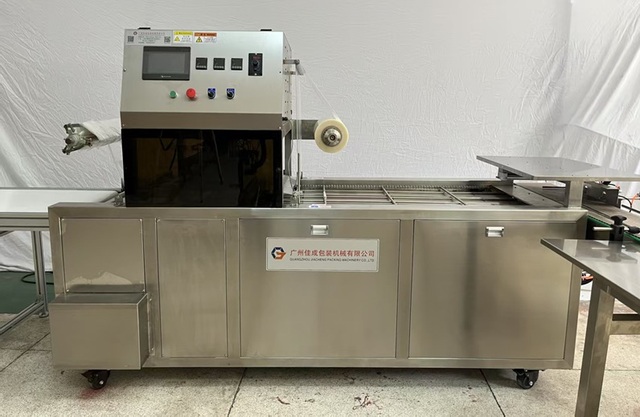
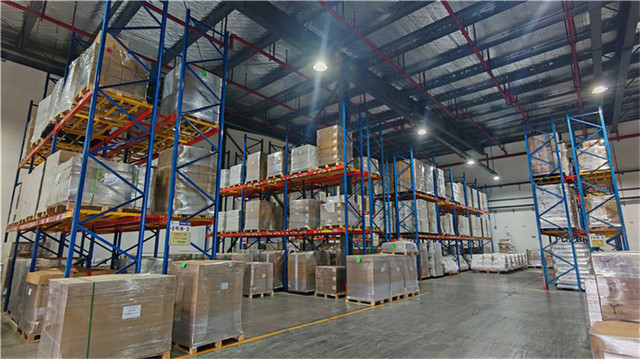
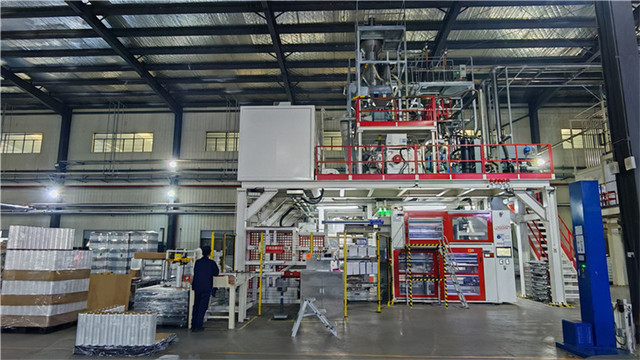
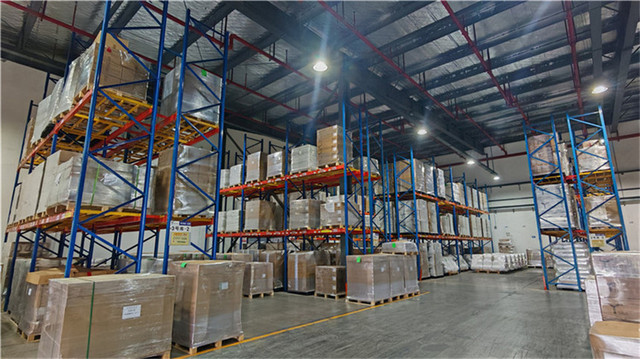
How contemporary factories synchronize primary wrapping systems with advanced conveying, sorting, and palletizing lines.
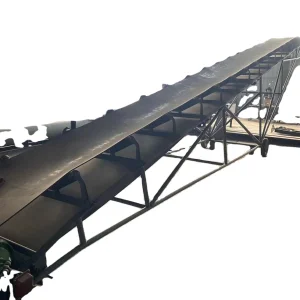
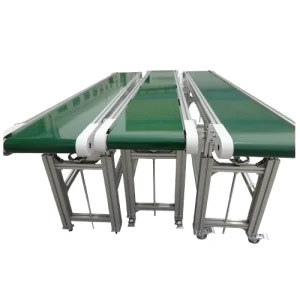
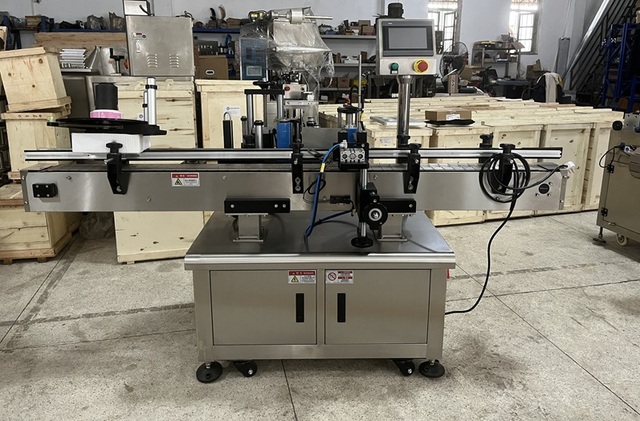
Modern material handling requires a high level of integration between primary packaging and secondary logistics. A flow wrapping machine operates at peak efficiency when its intake is linked with automated conveyor lines, such as aluminum frame belt systems, telescopic conveyors, and sorting systems. This alignment ensures that products transition from raw manufacturing to shipping docks without manual intervention.
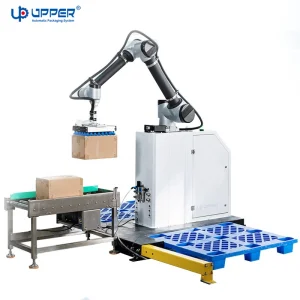
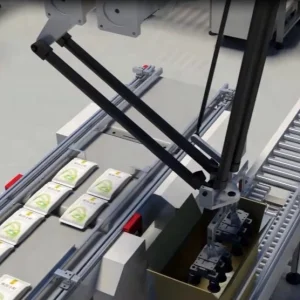
Consider a typical high-throughput food factory: baked goods leave the cooling tower and travel on multi-lane sorting systems. Using Delta robots, the product is systematically aligned and placed onto high-speed horizontal flow wrapping feeds. After wrapping, the products go through inspection systems (like checkweighers and metal detectors) before being packed into cases and loaded onto pallets using automated loading arms. This workflow illustrates how individual machines function as part of an integrated, automated production line.
Additionally, material handling layouts must adapt to varying floor plans. Custom modular conveyor configurations are designed to optimize space, allowing for vertical accumulation, tight-radius turns, and elevation changes. This ensures that factories with limited footprints can maintain high-speed throughput without compromising worker safety or material flow.
Essential requirements for deployment across North America, Europe, and Asia-Pacific regions.
Exporting machinery to international markets requires a thorough understanding of regional regulatory frameworks. To deploy industrial systems in the EU, machinery must comply with CE directives, including the Machinery Directive 2006/42/EC, the Low Voltage Directive 2014/35/EU, and the EMC Directive 2014/30/EU. In North America, components must meet UL/CSA standards, and electrical cabinets must adhere to NFPA 79 specifications.
Beyond certification, establishing robust localized support networks is critical. Technical documentation, HMI interfaces, and safety labels must be provided in the local language of the operators. Comprehensive localization services also include:
An overview of upcoming trends in artificial intelligence, sustainable materials, and industrial connectivity (2026–2030).
Integrating thermal imaging sensors with machine learning algorithms allows real-time inspection of heat-sealed seams. This technology detects micro-voids and contaminated seals, automatically rejecting defective packages without slowing down high-speed production lines.
As global plastic restrictions tighten, packaging machines must adapt to thin, bio-based barrier films and paper-based substrates. Next-generation wrapping heads will utilize low-temperature sealing technologies and ultra-precise tension controls to prevent tearing and guarantee hermetic packages.
Future packaging machinery will communicate directly with upstream ERP systems and downstream warehouse management networks. Automated adjustments based on production demand, real-time tool-wear tracking, and self-commissioning software will enable fully autonomous operation.
Common questions regarding system operation, maintenance, custom integration, and procurement.
 Econe Machinery