Optimized industrial equipment tailored for immediate integration within logistics hubs and processing plants throughout Pakistan.
Analyzing key drivers reshaping downstream operations in South Asia's prominent manufacturing corridor.
Pakistan is experiencing a structural industrial realignment. As major cities like Karachi, Lahore, and Faisalabad evolve into high-density commercial corridors, downstream processing plants face mounting pressure. Traditional manual sorting and manual heavy bag lifting are rapidly giving way to automated material handling ecosystems. Leading manufacturing groups in cement, chemicals, wheat processing, and fertilizer distribution are actively upgrading their end-of-line configurations. This shift is driven by the necessity to reduce cycle times, decrease raw material waste, and enforce strict safety standards across large-scale warehouse floors.
The expansion of deep-water terminals such as Port Qasim and Karachi Port, alongside the ongoing infrastructure projects of the China-Pakistan Economic Corridor (CPEC), has catalyzed the demand for optimized bulk-handling equipment. To remain competitive in regional export markets, local firms must match international standards. Implementing automated palletizing and depalletizing networks ensures that agricultural products, chemicals, and consumer packages are loaded with uniform stability, avoiding transport-induced product loss.
Operating in the Pakistani industrial context introduces unique localized challenges. High ambient temperatures, high humidity in coastal zones, and frequent fluctuations in the electrical grid demand heavy-duty, resilient engineering designs. Standard automated machinery designed for mild environments often fails under the load of continuous operations in these regions.
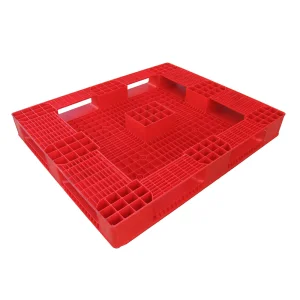
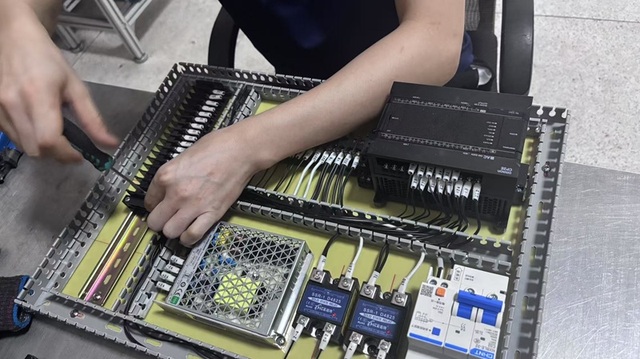
This makes robust structural solutions a primary requirement. Heavy-duty double-sided HDPE pallets, dust-proof PLC (Programmable Logic Controller) enclosures, and mechanical linkages capable of handling variable packaging tolerances are highly sought after. In the food and agricultural sectors, rapid changes in consumer tastes have led to shorter production cycles, requiring modular and programmable collaborative robot (cobot) configurations that can adapt to changing box dimensions without requiring structural rebuilds.
SEO Insight & Information Gain: When sourcing automated machinery for Pakistan, industrial buyers are no longer looking just at unit prices. The focus has shifted significantly toward Total Cost of Ownership (TCO), remote diagnostics support, and grid-voltage tolerance systems that protect high-value electronic circuits from localized brownouts.
Transitioning from mechanical stacking systems to intelligent, AI-guided material handling ecosystems.
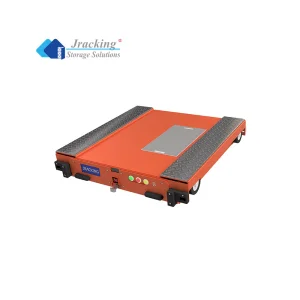
On a global scale, the logistics and packaging sectors are undergoing a significant shift. The traditional model of industrial production relies heavily on end-of-line human packaging. This approach is highly prone to injuries and presents operational inconsistencies. Modern automated end-of-line systems focus on integrating high-performance machinery, such as automated four-way radio shuttles and high-speed robotic stacking lines, to optimize logistics operations.
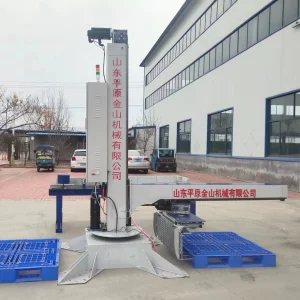
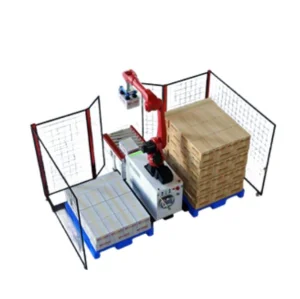
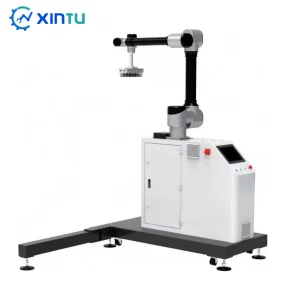
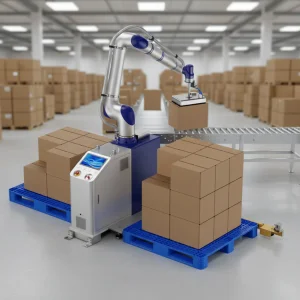
Using highly flexible 4-axis and 6-axis articulated robot arms to pick, orient, and deposit cases, bags, or crates on pallets with high precision.
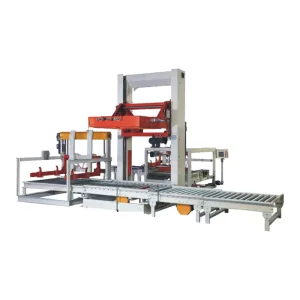
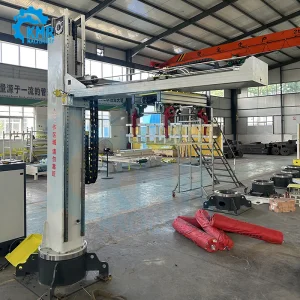
Ideal for high-volume operations (such as beverage canning and bottling). Mechanical sweeps assemble entire layers at high speeds before depositing them onto pallets.
Designed for smaller footprints where workers operate in close proximity. Built-in force-limiting sensors ensure compliance with regional health and safety regulations.
Internationally, key engineering metrics determine the suitability of automated machinery. Factors such as cycle times, cycle limits, payload capacities (ranging from 10kg to over 1500kg), and energy recovery mechanisms are critical indicators of performance. Leading manufacturers look for features that allow fast tooling changeovers, enabling a single production line to handle multiple configurations. This approach is highly effective in modern packaging setups.
Heavy-duty, high-capacity machinery designed for demanding industrial applications across various sectors.
A multi-year engineering trajectory focused on integrating smart technologies, visual intelligence, and sustainability.
Our equipment is shifting toward complete sensor-driven monitoring. By embedding vibration analyzers, heat sensors, and optical trackers into major drive motors and pneumatic grippers, our systems allow processing facilities to predict maintenance needs. Instead of suffering unexpected line stoppages during peak shifts, engineering departments can receive automated maintenance warnings via email or central PLC diagnostics when a motor deviates from normal vibration ranges.
This operational transparency integrates directly with standard corporate Resource Planning (ERP) databases, giving logistics leads real-time access to operational metrics. Stacking speed, error rates, layer counts, and mechanical loads are continuously monitored to optimize performance.
Older generations of palletizers relied on physical alignment guides, limiting flexibility. The future lies in intelligent vision-guided technology. Using high-resolution depth cameras and AI software, modern stacking arms can identify misplaced packages, detect damaged boxes on the line, and adjust pick angles dynamically.
This technology is especially useful for mixed-load handling, where different products are built onto the same pallet. This level of flexibility is essential for distribution hubs handling diverse product lines.
End-to-end automation systems designed to optimize processing efficiency in key manufacturing industries.
Heavy-duty bag handling systems designed with dust-ignition proof enclosures (IP65 rating) and corrosion-resistant components to handle harsh materials and challenging working environments.
Washdown-safe designs featuring clean stainless-steel construction, soft-grip vacuum systems to prevent carton damage, and quick-change gripping tools for diverse packaging requirements.
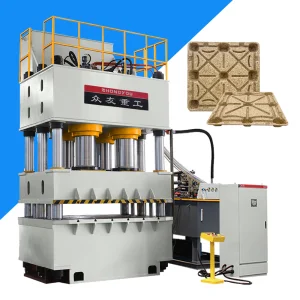
Integrated systems utilizing high-pressure hydraulic molding presses (800T/1000T) to convert agricultural waste (like coconut fiber and sawdust) into dense, stackable eco-pallets.
Authorized Engineering Partner for End-of-Line Packaging Automation.
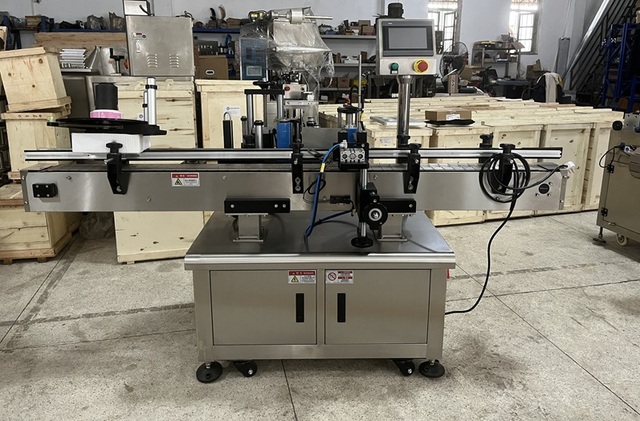
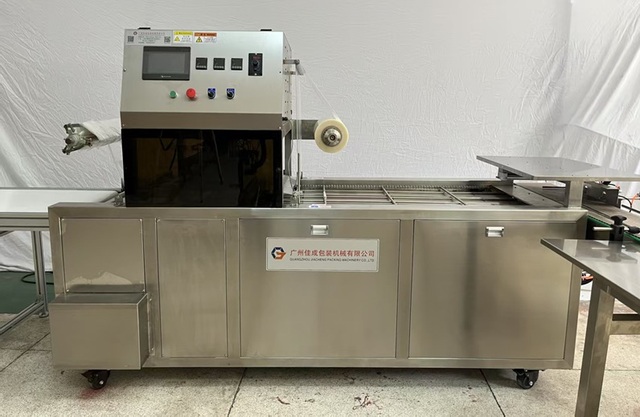
Ningbo Econe Machinery Co., Ltd. is a professional Industrial Packaging Machinery Manufacturer specializing in automated packaging systems, conveying equipment, and end-of-line automation solutions for global manufacturing industries. Based in Ningbo, China, the company focuses on the design, engineering, and production of integrated packaging machinery that helps manufacturers improve productivity, reduce labor costs, and optimize packaging efficiency.
With extensive experience in industrial automation, Econe Machinery provides a comprehensive range of solutions including automated conveying systems, product feeding equipment, weighing and counting systems, bagging solutions, wrapping systems, labeling integration, inspection systems, case handling equipment, and customized end-of-line packaging automation. These systems are widely applied in food processing, consumer goods, pharmaceuticals, chemicals, electronics, hardware, and industrial manufacturing sectors.
The company emphasizes engineering innovation, production reliability, and flexible customization. Its technical team works closely with customers to develop packaging solutions tailored to specific production requirements, factory layouts, and operational objectives. From standalone equipment to fully integrated packaging lines, Econe Machinery supports projects throughout planning, manufacturing, installation, and commissioning stages.
Equipped with modern manufacturing facilities and strict quality control procedures, Ningbo Econe Machinery is committed to delivering durable, efficient, and user-friendly equipment that meets international standards. The company continuously invests in automation technologies and intelligent manufacturing solutions to help customers adapt to evolving market demands.
Serving clients across Asia, Europe, North America, South America, the Middle East, and other international markets, Ningbo Econe Machinery Co., Ltd. strives to be a reliable partner for businesses seeking advanced packaging automation, conveying systems, and end-of-line production solutions that enhance operational performance and long-term competitiveness.
Answering key technical and logistical questions about automated handling equipment deployment.
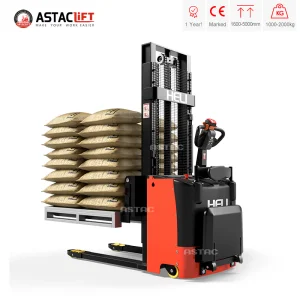
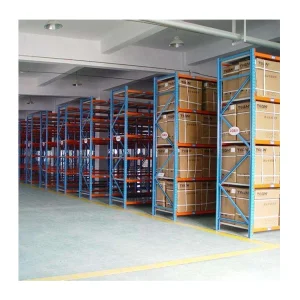
Complete end-of-line packaging systems, heavy duty material handling, and storage racks built to global standards.
 Econe Machinery