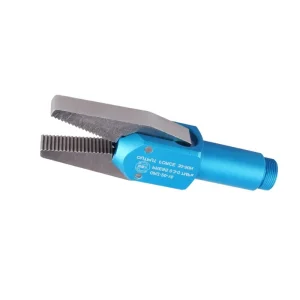
Explore our premium range of industrial robotic palletizers, automatic depalletizers, pneumatic tools, and advanced packaging machinery manufactured for international operations.
An authoritative review of technological advancements, supply chain dynamics, and international procurement standards in dry bulk packaging and material handling.
With labor shortages rising in North America and Western Europe, processing plants are accelerating transitions from semi-automated filling lines to fully integrated, hands-free packaging solutions.
Advanced system integrators focus on modular layouts that easily customize dosing methods (vibratory, gravity, belt, screw feeders) to manage diverse materials from fine chemical powders to coarse gravels.
Compliance with global standards like CE, ATEX directives for hazardous dust environments, and FDA/USDA food-contact regulations defines the reliability of today's tier-1 manufacturers.
In modern industrial procurement, selecting an automated bagging system manufacturer requires assessing more than just the output rate (bags per hour). Buyers must evaluate total system synergy—including upstream dosing accuracy, active bag settling, dust containment, seal integrity, and downstream palletizing coordination. A failure at any point halts the entire production line.
Through our rigorous engineering analysis, this document details how modern automated bagging systems balance output speed with weight accuracy using load-cell feedback loops. We analyze the technical differences between Form-Fill-Seal (FFS) systems, Open-Mouth bagging machinery, and Valve bagging plants to equip procurement officers with the exact data needed for their Request for Proposal (RFP) processes.
Ningbo, China, has emerged as a global hub for high-end industrial automation and packaging machinery manufacturing. Leading enterprises like Ningbo Econe Machinery Co., Ltd. leverage a deeply integrated industrial supply chain to engineer robust, high-precision automated bagging lines at exceptional cost-to-performance ratios.
This localized cluster offers direct access to key industrial resources, including advanced steel fabrication plants, component suppliers, and precision machining services. This integration drastically reduces engineering lead times and production costs. While Western European OEMs face long components delivery cycles and high overhead, Chinese factories optimize manufacturing through vertical integration, enabling fast engineering, custom prototyping, and rigorous Factory Acceptance Testing (FAT) before global shipping.
By optimizing structure designs and leveraging domestic supply chains for high-tensile steel frame assemblies, Chinese manufacturers deliver systems that reduce capital expenditure by 30% to 50% compared to Western competitors, without compromising component quality.
Econe Machinery's in-house engineering team uses advanced 3D CAD modeling and finite element analysis (FEA) to tailor machines to specific factory layouts, chemical properties, bag dimensions, and environmental constraints within weeks, rather than months.
Modern Chinese automated systems feature world-class components: Siemens PLCs, Festo pneumatics, SEW-Eurodrive gear motors, and Mettler-Toledo load cells. This ensures seamless integration, straightforward local maintenance, and compliance with CE and UL standards.
Automated bagging and end-of-line packaging lines serve diverse sectors, each presenting unique material handling challenges. Below are the primary industrial applications where automated systems optimize operations:
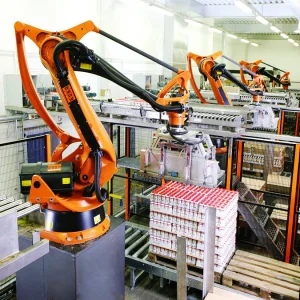
Large-scale feed mills and agricultural seed processors require rapid changeovers between product runs and dust-free environments to prevent cross-contamination. Automated bagging systems with self-cleaning gravity feeders and hermetic bag-spout sealing ensure safe, dust-free operations. Downstream systems coordinate with robotic arm palletizers to stack heavy woven PP or paper bags onto pallets with pinpoint accuracy.
Handling highly corrosive, abrasive, or explosive materials (such as urea, ammonium nitrate, silica sand, and cement) requires robust construction. Manufacturers configure these systems with SUS316L stainless steel contact parts, anti-corrosive epoxy coatings, and explosion-proof (ATEX-rated) electrical panels to ensure safe, continuous operation in harsh industrial environments.
Hygiene is paramount when bagging food-grade powders like flour, milk powder, and starches. The system must eliminate dust emissions while preventing external contamination. Sanitary bagging solutions use inflatable spout seals, active product compaction, and complete washdown compatibility (IP69K). High-precision vacuum sealing or gas flushing (MAP) is integrated to extend product shelf life.
The rise of global e-commerce has spurred demand for high-speed secondary bagging systems. These systems automatically scan products, print and apply shipping labels, pack items into custom-sized poly mailers, and heat-seal them. This replaces manual packing and accelerates order sorting.
When investing in automated bagging infrastructure, global procurement teams must look beyond the initial purchase price. The checklist below helps ensure a successful system deployment:
Clearly define product characteristics: bulk density, flowability (angle of repose), moisture content, and particle size distribution. These factors determine the choice of dosing feeder (e.g., screw feeder for fine powders vs. gravity feeder for free-flowing grains).
Specify the required bag material (gusseted PE, multi-wall paper, woven laminated PP) and closure type (heat sealing, sewing, ultrasonic sealing, or crepe-tape binding). An integrated system must handle various bag styles with minimal mechanical adjustments.
Provide 3D factory layout files showing ceiling height, columns, and existing equipment locations. The manufacturer must design the buffer hoppers, feeding conveyors, de-aeration systems, and safety fencing to fit seamlessly within the workspace.
A critical, often-overlooked factor is the Factory Acceptance Testing (FAT) protocol. Reliable manufacturers will ask for bulk material samples (typically 500kg to 2 tons) to test and calibrate the system under full load in their facility before shipping. This step ensures swift installation and commissioning upon arrival.
Ningbo Econe Machinery Co., Ltd. is a professional Industrial Packaging Machinery Manufacturer specializing in automated packaging systems, conveying equipment, and end-of-line automation solutions for global manufacturing industries. Based in Ningbo, China, the company focuses on the design, engineering, and production of integrated packaging machinery that helps manufacturers improve productivity, reduce labor costs, and optimize packaging efficiency.
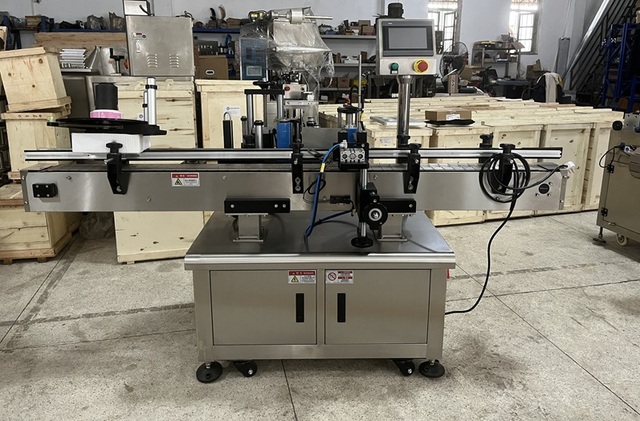
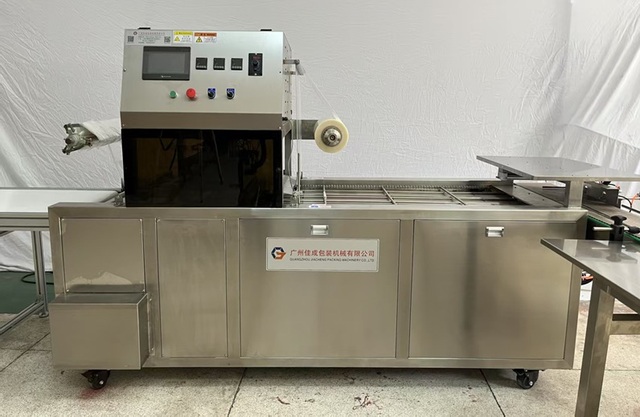
With extensive experience in industrial automation, Econe Machinery provides a comprehensive range of solutions including automated conveying systems, product feeding equipment, weighing and counting systems, bagging solutions, wrapping systems, labeling integration, inspection systems, case handling equipment, and customized end-of-line packaging automation. These systems are widely applied in food processing, consumer goods, pharmaceuticals, chemicals, electronics, hardware, and industrial manufacturing sectors.
The company emphasizes engineering innovation, production reliability, and flexible customization. Its technical team works closely with customers to develop packaging solutions tailored to specific production requirements, factory layouts, and operational objectives. From standalone equipment to fully integrated packaging lines, Econe Machinery supports projects throughout planning, manufacturing, installation, and commissioning stages.
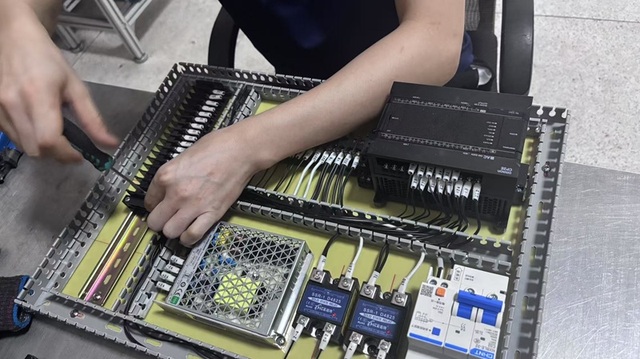
Equipped with modern manufacturing facilities and strict quality control procedures, Ningbo Econe Machinery is committed to delivering durable, efficient, and user-friendly equipment that meets international standards. The company continuously invests in automation technologies and intelligent manufacturing solutions to help customers adapt to evolving market demands.
Serving clients across Asia, Europe, North America, South America, the Middle East, and other international markets, Ningbo Econe Machinery Co., Ltd. strives to be a reliable partner for businesses seeking advanced packaging automation, conveying systems, and end-of-line production solutions that enhance operational performance and long-term competitiveness.
Expert answers to the most common questions raised by industrial procurement managers, project engineers, and factory operations leads.
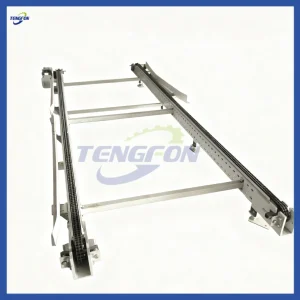
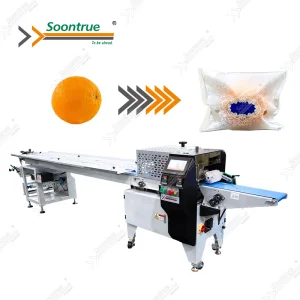
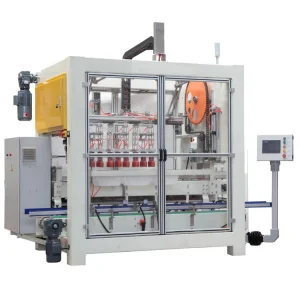
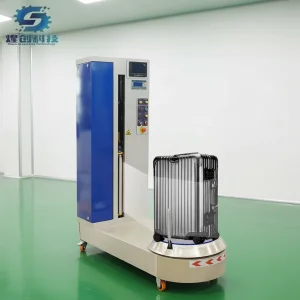
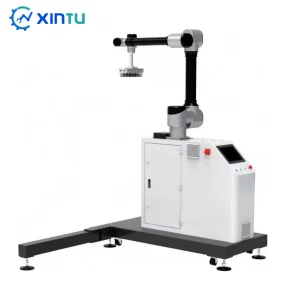
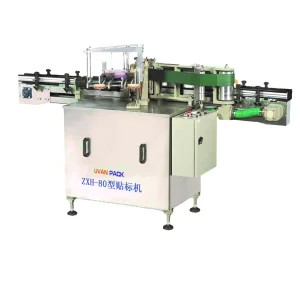
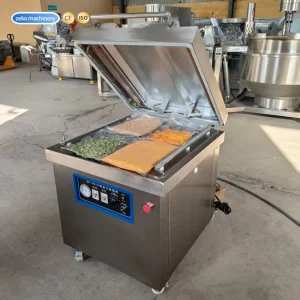
Complete your production line with our high-capacity depalletizers, flow wrappers, collaborative cobots, labeling integrations, and industrial wrapping systems.
 Econe Machinery