
In the contemporary logistics ecosystem, maintaining the temperature profile and absolute integrity of sensitive goods is no longer just a supply chain priority—it is a critical parameter of global public health, product efficacy, and consumer trust. As global trade networks expand to accommodate vaccines, biologics, specialized clinical ingredients, and gourmet perishables, China wholesale cold chain packaging manufacturers are transitioning from static container suppliers to comprehensive providers of end-to-end automated packaging and verification systems.
At the center of this transformation is the integration of advanced mechanical automation, intelligent thermal materials, and real-time monitoring infrastructure. Passive insulation materials (such as VIP panels, PU boxes, and corrugated composite shippers) require precise, automated production methods to guarantee structural consistency, density optimization, and airtight sealing. Without automation, the structural variability inherent in manual assembly introduces micro-voids, causing thermal leakage and risking catastrophic compromises of valuable cargo. This whitepaper analyzes the manufacturing dynamics, procurement frameworks, and technological breakthroughs of the cold chain packaging ecosystem.
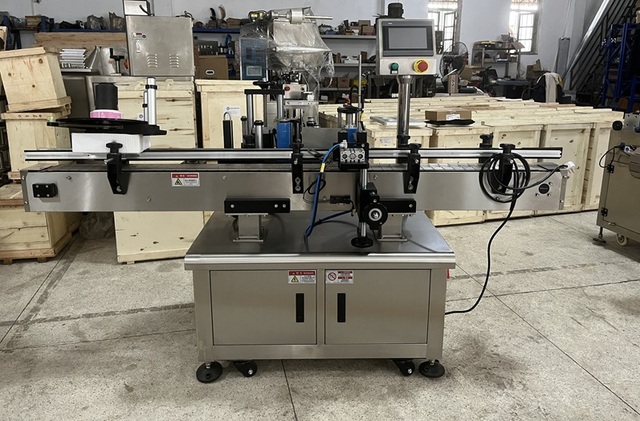
Ningbo Econe Machinery Co., Ltd. is an industry-recognized Industrial Packaging Machinery Manufacturer specializing in automated packaging systems, conveying equipment, and end-of-line automation solutions for global manufacturing networks. From our primary production hub in Ningbo, China, we engineer and deploy integrated packaging systems designed to help manufacturers achieve optimal throughput, minimize human error, and secure maximum structural protection for products during shipping.
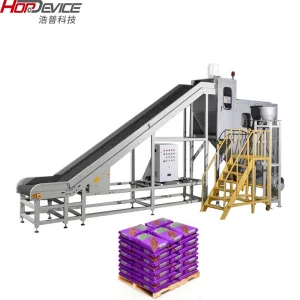
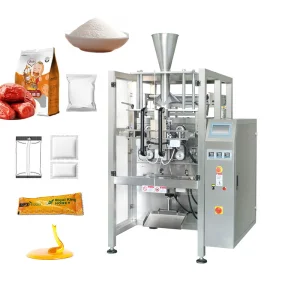
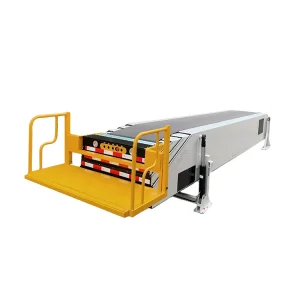
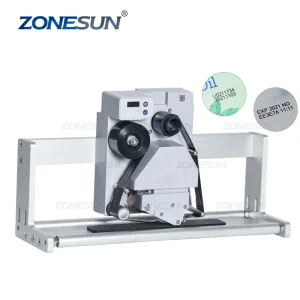
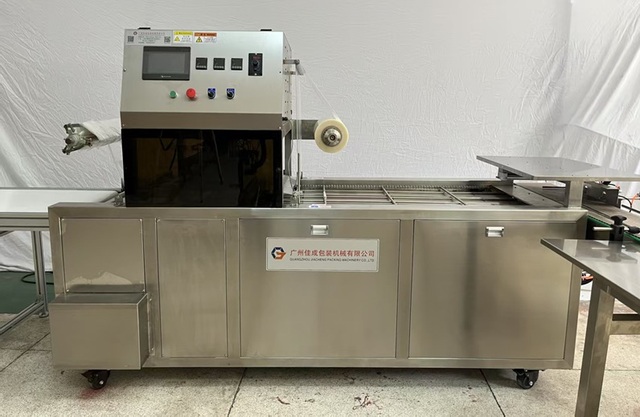
Leveraging deep expertise in industrial automation, Econe Machinery delivers robust, customizable machinery suites. These range from automated conveying systems, product feeding equipment, and precision weighing and counting units to high-performance bagging, wrapping, labeling, visual inspection, and case handling machinery. Our end-of-line systems are widely trusted in food processing, consumer goods, medical devices, pharmaceuticals, chemical manufacturing, and heavy industrial operations worldwide.
Our focus on precision engineering, rigorous production verification, and versatile customization allows us to address the exact operational challenges of our clients. Econe's in-house engineering team works closely with logistics partners and industrial clients to design custom lines that integrate seamlessly into existing factory footprint layouts and workflow structures.
From independent packaging machines to unified, fully integrated end-of-line packaging automation systems, we manage the entire project lifecycle. Our service includes initial feasibility studies, structural and mechanical CAD planning, custom fabrication, component stress testing, installation, and final on-site commissioning to guarantee smooth production start-ups.
Purchasing cold chain packaging systems directly from leading Chinese manufacturers offers a strategic advantage by combining raw material access, integrated component production, and scale-based cost efficiency. Chinese producers have built a robust ecosystem that delivers custom configurations rapidly without sacrificing quality.
Direct proximity to major upstream producers of phase change materials (PCMs), high-density polyurethane (PU), expanded polystyrene (EPS), vacuum insulation panels (VIPs), and specialized kraft paper composites guarantees reliable material supply, stable pricing, and rapid prototype turnarounds.
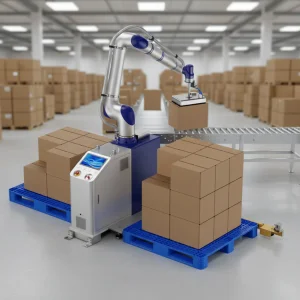
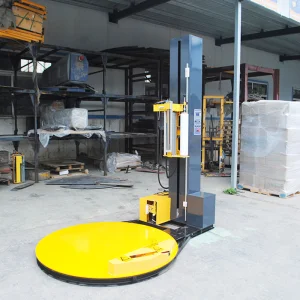
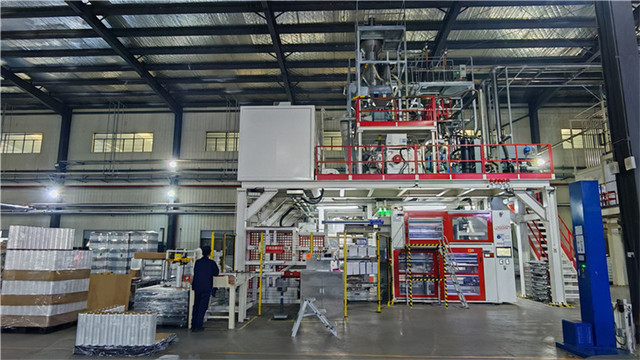
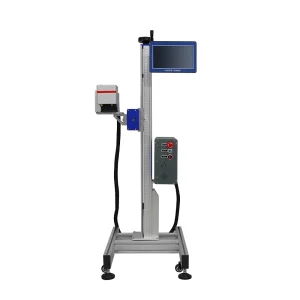
By integrating state-of-the-art automation—such as automated foam moulding, robotic case erectors, automatic stretch wrappers, and laser-guided visual inspection systems—our plants maintain consistent batch tolerances, minimizing human error and ensuring zero thermal gaps in production.
Ningbo's maritime and industrial infrastructure allows for the efficient sourcing of secondary components (such as temperature tracking tags, structural reinforcement corrugated layers, and sealing tapes). This gives buyers a streamlined, single-source solution for all their component requirements.
Global procurement teams in the pharmaceutical, chemical, and perishables sectors evaluate manufacturing partners using a strict matrix of thermal, mechanical, and compliance metrics. To help guide your evaluation, consider these essential technical requirements:
A key differentiator for top-tier cold chain packaging manufacturers is their ability to support global clients through rigorous localization, compliance documentation, and qualification processes. Different markets impose distinct operational and safety requirements:
Pharmaceutical cold chain equipment must comply with GDP regulations. This requires that all materials contact-safe, non-toxic, and structured to prevent thermal deviations. We provide full material test sheets and trace reports for every batch of polymers, PCM formulations, and binding agents used.
Before mass producing any cold chain container design, the prototype undergoes testing under simulated transit profiles. These trials measure package performance against severe summer heatwaves and winter sub-zero temperatures, validating thermal insulation duration (typically 72 hours, 96 hours, or 120 hours).
Different regions utilize different pallet and container standards (e.g., Euro-pallets vs. US standard sizes). Modern manufacturers use automated slitting, cutting, and shaping systems to quickly adjust dimensions, ensuring cold chain packaging fits standard shipping footprints to minimize volumetric loss.
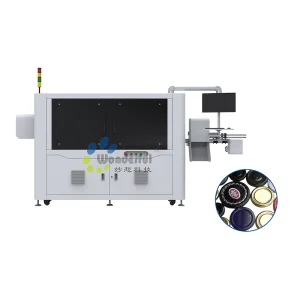
High-resolution vision inspection systems verify seal width, structural integrity, and color code markings. This ensures only perfect products leave the facility, preventing field failures.
Integrating RFID, NFC, and Bluetooth-enabled sensors directly into the structural core of active and passive boxes allows for real-time tracking of temperature history throughout transit.
Replacing traditional non-recyclable insulation with biodegradable cellulose fibers and recyclable paperboards helps global buyers meet their carbon-reduction goals.
Biomedical cargo, including insulin and vaccines, requires strict temperature control, typically between +2°C and +8°C. Automated laser coding on insulation containers ensures individual batches are matched with high-precision phase change materials (PCMs) to prevent freezing or overheating.
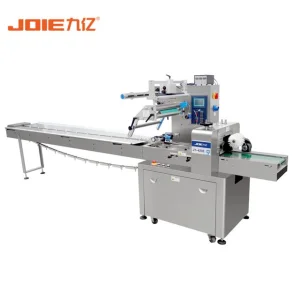
Exporting high-value seafood, meat, and organic produce requires robust, moisture-resistant packaging. Manufacturers integrate automated plastic-wrapping and vacuum-conveying equipment to create sealed, thermal barrier systems that preserve freshness.
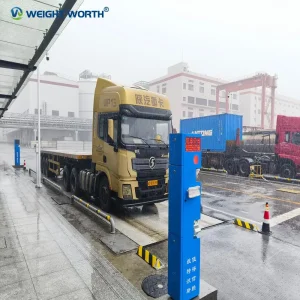
Modified plastics, advanced adhesives, and chemical catalysts often require temperature control to prevent premature curing or degradation. Heavy-duty, bulk pallet shippers with integrated structural panels are deployed, optimized for heavy truck loading and unloading.
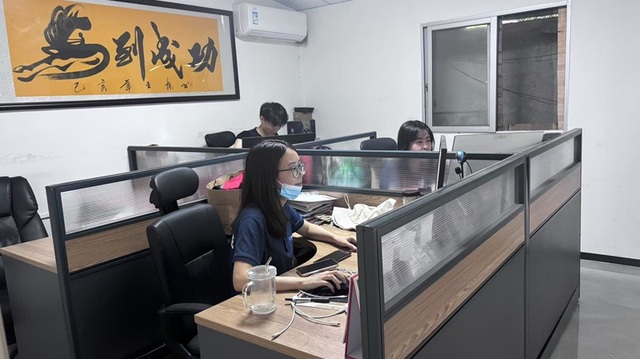
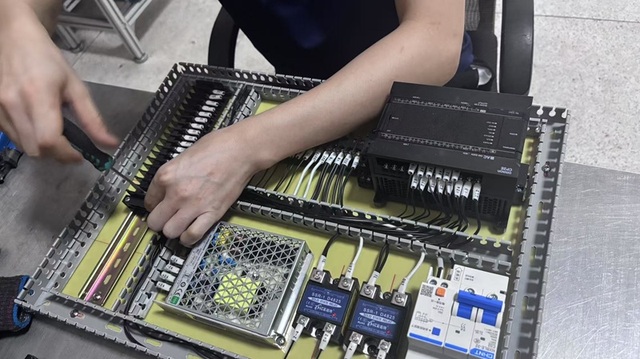
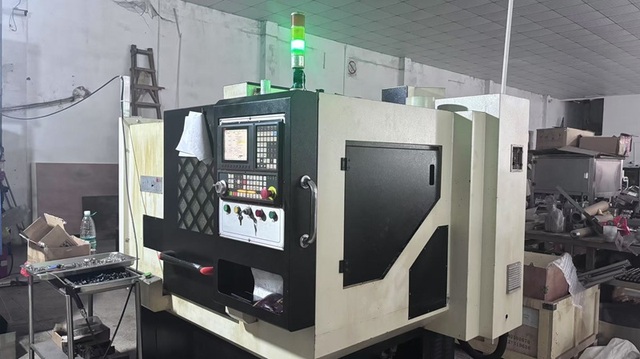
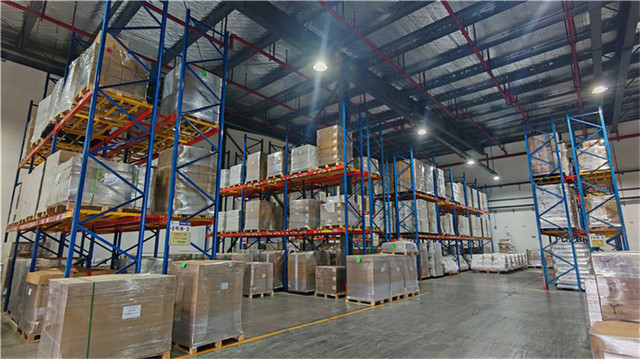
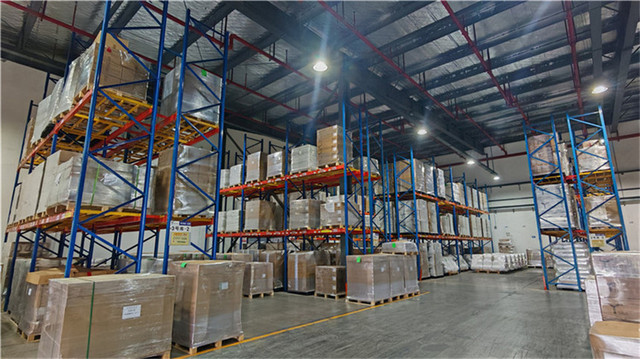
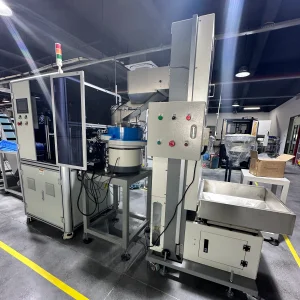
Explore our engineering capabilities, modern assembly plants, and quality control systems in Ningbo, China.
 Econe Machinery