China Wholesale Automatic Label Applicators Manufacturers & Supplier

Precision Labeling Machinery, Intelligent Packaging Systems, & Comprehensive End-of-Line Production Engineering from Ningbo Econe Machinery Co., Ltd.

Industrial Whitepaper: The Strategic Transition to Advanced Labeling Automation

A B2B Guide on Selecting, Integrating, and Scaling Automatic Label Applicators for Modern Smart Production Facilities.

In the high-intensity landscape of global manufacturing and distribution, product identification, tracking, and compliance packaging are non-negotiable. Modern production systems require high reliability, precise accuracy, and continuous performance under demanding operating conditions. At the core of this operational efficiency lies the Automatic Label Applicator. Moving beyond manual or semi-automated configurations to fully integrated high-speed systems is a vital step for companies aiming to scale, reduce material waste, and achieve near-zero defect rates in secondary and tertiary packaging.

150+
BPM Application Rate
±0.5mm
Precision Accuracy
99.8%
Operational Uptime
24/7
Continuous Operations

1. Evolving Industry Trends: Smart Sensors, Edge Processing, and IoT Enablement

Modern industrial labeling has transitioned from mechanical pneumatic setups to intelligent systems equipped with real-time feedback loops. Key innovations driving the industry forward include:

  • Dynamic Microprocessor Control Units (MCUs): Integrated controllers automatically align speed profiles with conveyor encoders to prevent label slippage, stretching, or misplacement.
  • Non-Contact Smart Sensors: Advanced photo-eye sensors, ultrasonic sensors, and optical barriers detect a wide range of materials (including transparent films, foils, and high-gloss paper) without interrupting product flow.
  • AI Inspection Systems & Verification: Machine vision cameras inspect label presence, print readability (OCR/OCV), and alignment in real time, automatically routing non-compliant products to reject systems.
  • IIoT Connected Diagnostics: Connected labeling lines stream throughput metrics, sensor diagnostics, and predictive maintenance alerts directly to centralized ERP/MES platforms.

2. Solving Key Challenges for Global B2B Procurements

Procuring industrial machinery from offshore suppliers presents critical requirements. B2B buyers search for partners who offer quality components and comprehensive service support:

  • Robust Construction & High Component Reliability: Systems built on thick anodized aluminum frames and utilizing top-tier electrical components (like Siemens, Mitsubishi, or Omron PLC systems) resist vibration and environmental wear.
  • Multi-Format Flexibility: Quick changeovers for variable container sizes (e.g., flat cartons, round jars, cylindrical vials) minimize line setup time and maximize operational equipment effectiveness (OEE).
  • Strict Compliance Alignment: Solutions must comply with international standards such as CE, UL, RoHS, and FDA guidelines, ensuring smooth integration into regulated markets in the Americas and Europe.

Technical Framework: Standard High-Capacity Applicator Spec Sheet

  • Applicator Speed: Up to 150 - 250 labels/min (depending on label size)
  • Labeling Accuracy: ±0.5 mm to ±1.0 mm (servo-driven precision)
  • Label Roll Size: Max outer diameter: 300 mm; Inner core: 76 mm
  • Dispensing Drive: Advanced closed-loop brushless stepper or servo motor
  • Pneumatic Input: 6 Bar (87 PSI) clean, dry air supply
  • Power Specifications: 220V/110V AC, Single Phase, 50/60 Hz
  • Machine Materials: SUS304 Stainless Steel & Anodized Aluminum alloy
  • PLC Interface: Industrial Touchscreen HMI with 50+ recipe memory presets

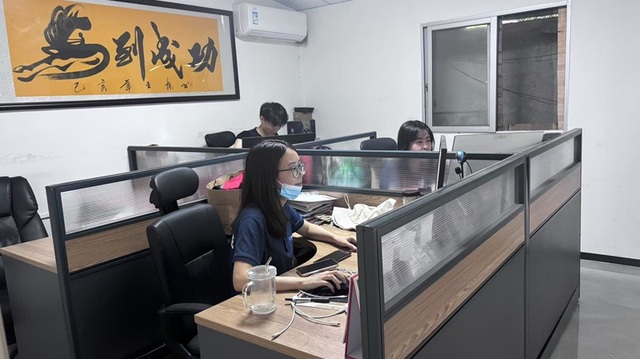
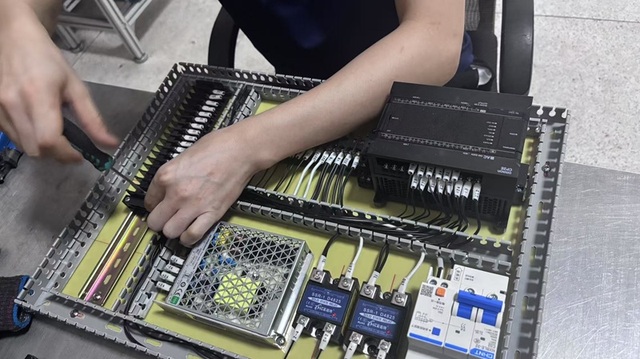
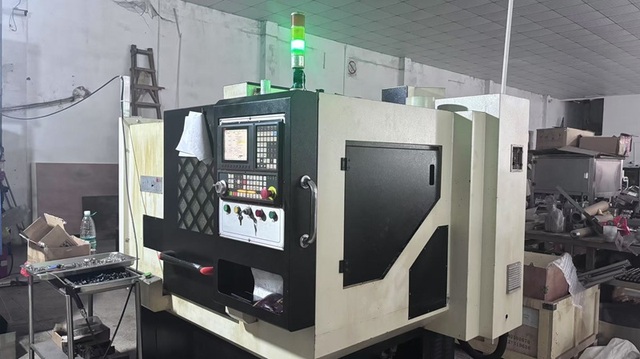
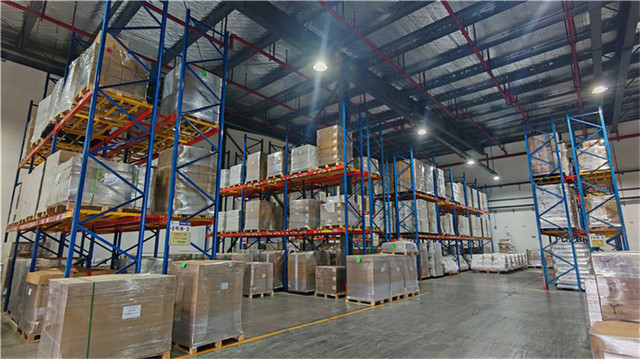
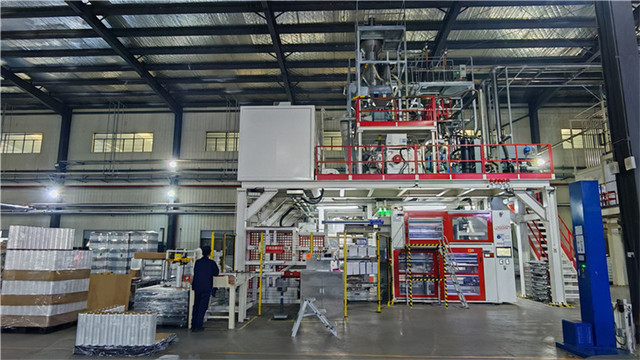
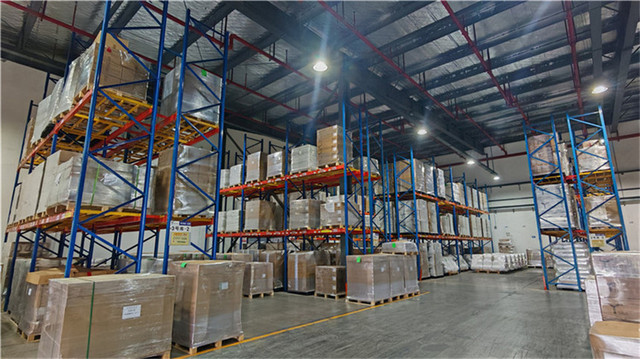
Ningbo Econe Machinery Production & Engineering Facilities

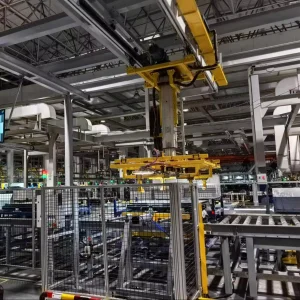
Inside our advanced manufacturing plant, showing the construction, testing, and shipping prep of industrial automation equipment.
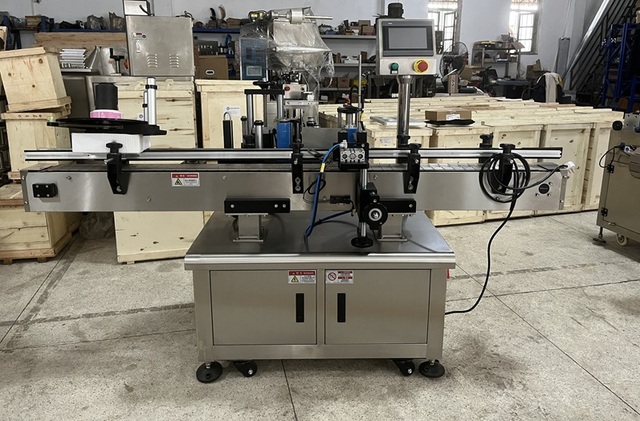
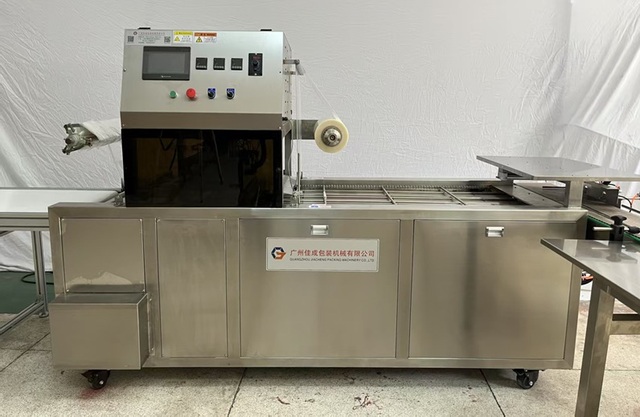
Ningbo Econe Manufacturing - Heavy Duty Packaging Line Assembly
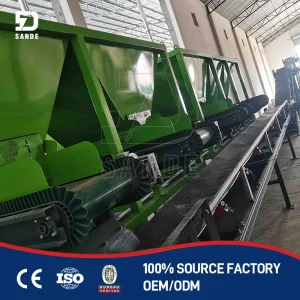
Ningbo Econe Engineering - Belt Conveyors and Automated Dosing Stations
Precision Packaging Components - CNC machining and frame building
Assembly Area - Heavy Conveyor and Dosing Systems integration
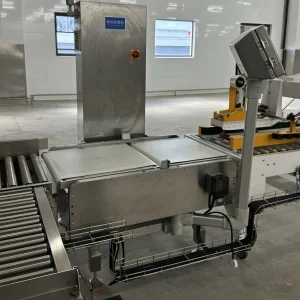
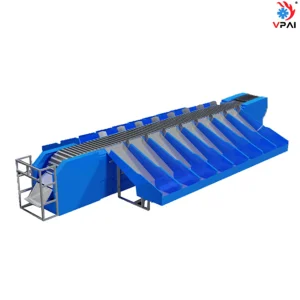
Industrial Testing Area - High throughput checkweighers and sorters
Material Handling - Multi-feed and automated handling system design
Warehouse Storage - Raw components and custom packaging elements
Econe Machinery - Export-ready completed packaging machinery units

3. End-to-End Macro Industry Solutions and Lines Integration

A labeling applicator operates within a larger ecosystem. The team at Ningbo Econe Machinery Co., Ltd. focuses on designing and manufacturing integrated, end-of-line packaging systems, conveying equipment, and automation lines for global manufacturers. Labeling systems are engineered to integrate with upstream and downstream equipment to ensure a smooth, continuous flow:

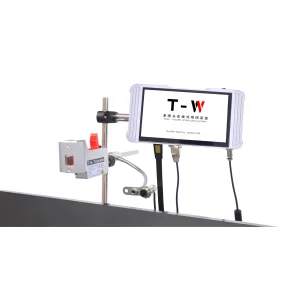
  • Weighing & Dynamic Batching Systems: Direct data linkage between automatic belt conveyors, box checkweighers, and print-and-apply systems allows for automatic, dynamic weight-based labeling, which is crucial for meat, produce, and bulk raw materials.
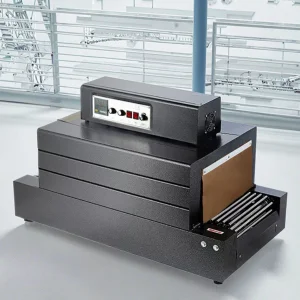
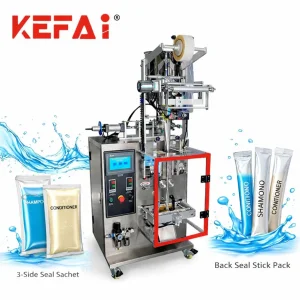
  • Primary & Secondary Packaging Synchronization: Syncing flow wrapping, vacuum packaging, and shrink tunnels ensures products are correctly cooled, vacuum-packed, and wrapped before a label is applied.
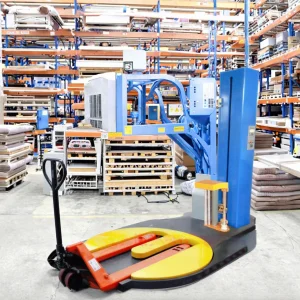
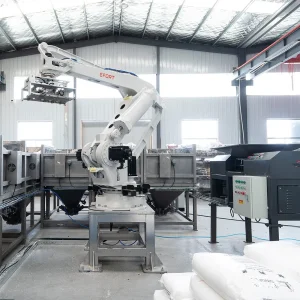
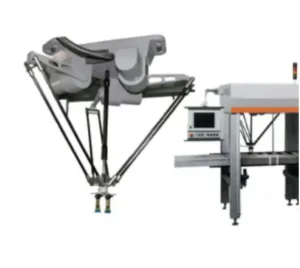
  • Robotic Depalletizing & Case Packing: Integrating gantry linear robots, delta robots, and pallet wrapping stackers ensures labeled items are packed, secured, and palletized without manual intervention.

4. Global Support, Standards, and Compliance Safeguards

International procurement requires strict quality verification and reliable field support to prevent project delays. To manage these requirements, we use structured quality and deployment procedures:

  • Detailed Factory Acceptance Testing (FAT): Before shipping, machines undergo continuous test runs using customer-supplied samples and labels. Live video validation and digital inspection reports are provided for confirmation.
  • Remote Digital Diagnostic Support: Using advanced Ethernet and Wi-Fi-enabled PLC systems, engineers can securely access software, run diagnostics, and assist your local team with updates or setup changes from afar.
  • Sturdy Export Packaging: All machinery is packed in vacuum-sealed moisture-barrier bags and secured inside heavy-duty, fumigated wooden crates to protect the electronics and mechanical alignments during ocean shipping.

5. Technological Roadmap and Future Development

Phase 1: Real-time Cloud Analytics Integration

Moving toward open-standard communication protocols (like OPC-UA) to enable labeling systems to share performance data directly with plant management software.

Phase 2: Vision-Guided Active Defect Rejection

Using machine learning vision models to inspect labels and automatically reject poorly applied tags before products reach the shipping stage.

Phase 3: Sustainability and Liner-Free Advancements

Developing next-generation systems for liner-free labels to reduce paper waste and lower shipping volume and waste processing costs for large production plants.

Frequently Asked Questions

Answers to common technical, commercial, and operational questions about importing automated packaging machinery from China.

Q1: How do you guarantee labeling accuracy at high speeds?

A: We use high-precision servo motors and encoders synchronized through our PLC logic. The system continuously monitors conveyor speeds and adjusts label feed rates in real time, keeping accuracy within ±0.5mm to ±1mm, even during speed changes.

Q2: Can these labeling systems handle transparent, clear-on-clear labels?

A: Yes, they can. While standard photoelectric sensors may struggle to detect clear backing films, we can integrate high-precision German-engineered ultrasonic or capacitive sensors designed to read clear-on-clear materials reliably.

Q3: What electrical power and safety standards do you support for international factories?

A: We customize our systems to match local electrical requirements, including 220V/380V/440V and 50Hz/60Hz configurations. Control systems are built using CE or UL-certified electrical components and include emergency stops, interlocked guards, and safety switches.

Q4: What is the average lead time for a custom-integrated labeling machine?

A: Standard standalone applicators generally ship within 20 to 30 days. Custom configurations or lines that integrate conveyor systems, checkweighers, or case packers typically require 45 to 60 days for design, assembly, and testing.

Q5: How are replacement parts and warranty claims managed remotely?

A: We provide a 1-year warranty on all non-wear components. During this time, replacement parts are shipped via express courier. We also stock standard components from global brands like Siemens and SMC locally, making it easy to find replacements near you.

Q6: Do you provide on-site installation and technician training?

A: Yes, we do. In addition to our detailed video guides and remote support, we can send experienced engineers to your facility for setup, integration, calibration, and team training to ensure a smooth startup.