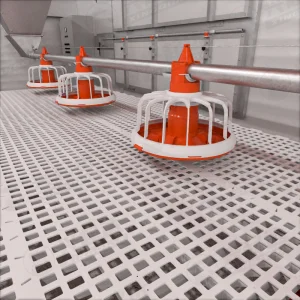
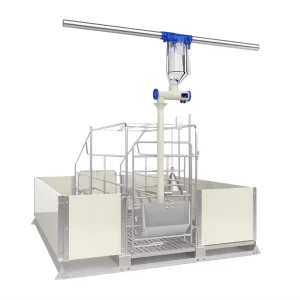
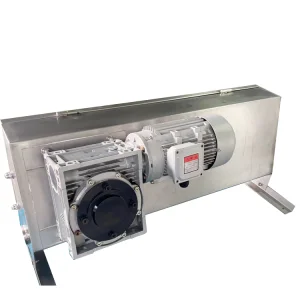
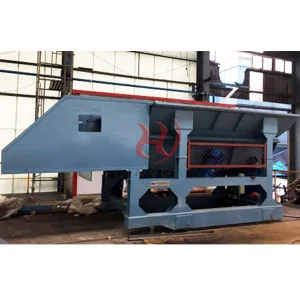
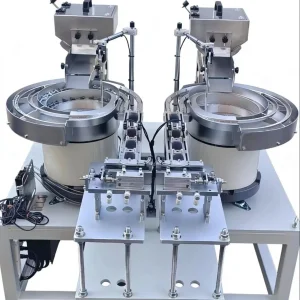
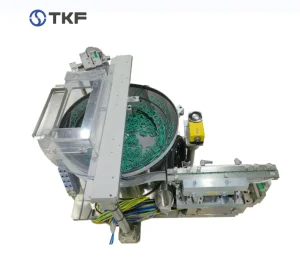
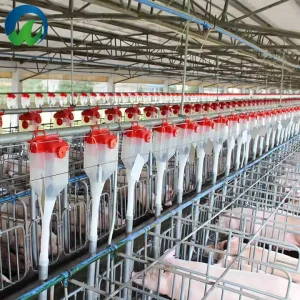
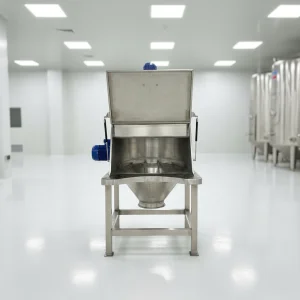
Explore our leading automated feeding models, configured to optimize local manufacturing flows, reduce physical wear on components, and secure maximum precision across multiple industries.
The Greater Seattle Area, spanning King, Pierce, and Snohomish counties, has grown far beyond its legacy roots in timber and heavy maritime transport. Today, it stands as a global hub of advanced manufacturing, aerospace engineering, bio-pharmaceutical incubation, and smart agriculture. The regional commitment to sustainable industrial development demands highly sophisticated machinery, specifically in the realm of automated material handling and product feeding systems.
With the rising cost of industrial real estate in the Kent Valley and the aerospace corridors of Everett and Renton, operators must maximize the throughput per square foot of their manufacturing facilities. Traditional manual feeding processes are no longer economically viable or operationally safe. Modern aerospace manufacturing lines require precision feeding systems for O-rings, rivets, and components, whereas food processing hubs across Washington State depend on hygienic, FDA-compliant vibratory bowl feeders and bulk handling systems to feed packaging operations at high velocities.
As a leading manufacturer and exporter, we design products that seamlessly integrate into the highly automated, IoT-driven ecosystems favored by Pacific Northwest engineers. Our systems minimize physical wear, feature clean-in-place (CIP) structures, and are designed for swift calibration adjustments, catering directly to the regional focus on agile, high-mix, low-volume (HMLV) production styles.
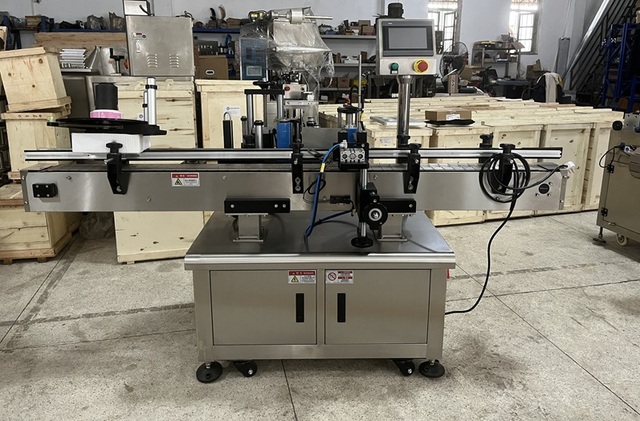
Technological transformations are redefining material handling across international supply chains. These developments highlight the shift from mechanical sorting to software-defined feeding mechanisms.
Modern feeding systems are equipped with photoelectric sensors, inductive proximity detectors, and integrated vision systems. These sensors record feeding rates, component alignment, and mass flow in real time. Systems communicate with upper-level MES systems through industrial communication protocols like OPC UA or EtherNet/IP, allowing for immediate remote adjustments.
Pharmaceutical and food-grade packaging facilities require rigorous sanitary designs. Globally, manufacturers are moving toward tool-less disassembly, electro-polished 316L stainless steel contact parts, and dust-free drop-feeding stations that satisfy stringent FDA, USDA, and European EHEDG standards, keeping contamination risks at zero.
Dedicated tooling is costly. Manufacturers globally are seeking flexible vibratory bowl feeders and smart alternating feeders that can shift between multiple SKUs with a simple digital changeover. Utilizing intelligent software algorithms and variable frequency controller panels, today's feeders dynamically adjust to differing sizes, materials, and center-of-gravity calculations.
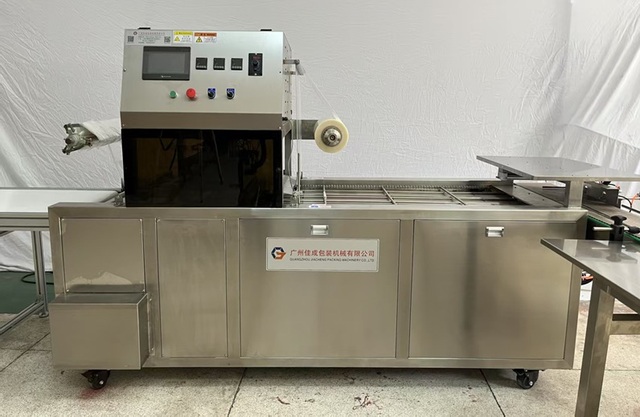
Ningbo Econe Machinery Co., Ltd. is a professional Industrial Packaging Machinery Manufacturer specializing in automated packaging systems, conveying equipment, and end-of-line automation solutions for global manufacturing industries. Based in Ningbo, China, the company focuses on the design, engineering, and production of integrated packaging machinery that helps manufacturers improve productivity, reduce labor costs, and optimize packaging efficiency.
With extensive experience in industrial automation, Econe Machinery provides a comprehensive range of solutions including automated conveying systems, product feeding equipment, weighing and counting systems, bagging solutions, wrapping systems, labeling integration, inspection systems, case handling equipment, and customized end-of-line packaging automation. These systems are widely applied in food processing, consumer goods, pharmaceuticals, chemicals, electronics, hardware, and industrial manufacturing sectors.
The company emphasizes engineering innovation, production reliability, and flexible customization. Our technical team works closely with customers to develop packaging solutions tailored to specific production requirements, factory layouts, and operational objectives. From standalone equipment to fully integrated packaging lines, Econe Machinery supports projects throughout planning, manufacturing, installation, and commissioning stages.
Our product feeding systems are designed to address the specific pain points and operational requirements of diverse industries across Washington and the wider Western US region.
In Boeing-supplier ecosystems across Everett and Renton, O-rings, rivets, and specialty bolts must be oriented and fed into assembly systems at precise rates. Our TKF Tangle-Free Vibrating Bowl Feeders eliminate overlapping and surface friction wear, guaranteeing that sensitive components are aligned and loaded into assembly arms with zero surface scratches.
Along the Seattle waterfront and throughout coastal Washington, seafood processing lines require heavy-duty, washdown-rated conveyor feeding systems. Econe provides 304 and 316 Stainless Steel dust-free, high-capacity feeding systems that handle wet, abrasive materials while resisting the corrosive effects of saline environments.
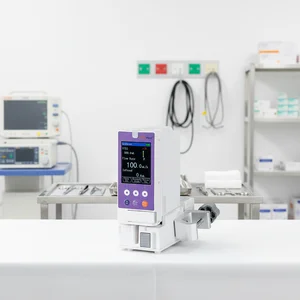
Within South Lake Union's biotech hub and the medical manufacturing spaces of Bothell, packaging lines for maternal products, enteral feeding pumps, and supplemental kits require extremely clean operations. Our high-precision, low-vibration feeders ensure dust-free sorting and sterile product placement on conveyor paths.
Procuring heavy machinery internationally requires careful planning, strict quality control protocols, and robust shipping coordination. Ningbo Econe Machinery ensures a seamless procurement experience for Seattle-based buyers by executing a clear, four-phase delivery framework:
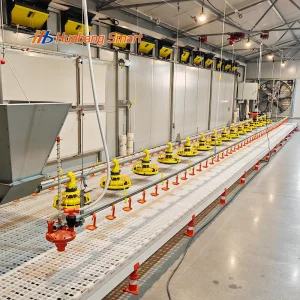
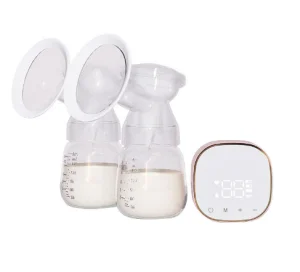
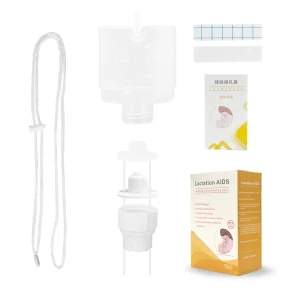
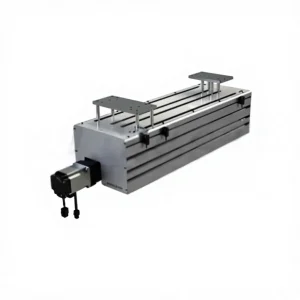
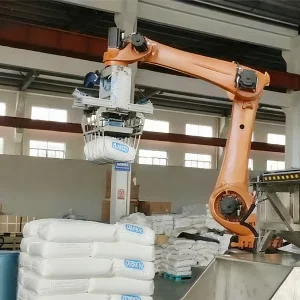
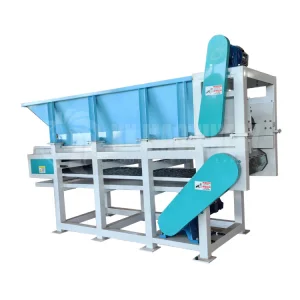
Browse our complete array of high-durability feeding units. From heavy-duty vibratory bowl feeders to smart consumer-grade lactation devices, our products combine reliable material controls and top-tier durability.
Get instant answers to technical, operational, and procurement queries regarding our advanced product feeding lines.
Our feeding machines are engineered with Closed-loop frequency controllers and precision-machined selector tracks. We conduct continuous testing on material dimensions, weight variance, and dynamic behavior. The inclusion of optoelectronic or vision-based filters rejects out-of-spec items before they arrive at the discharge gate, assuring a 99.8% precision rate.
Yes. For clients in food processing and pharmaceuticals (especially in the medical hubs of Seattle and the PNW), we build systems utilizing 304 or 316L stainless steel. All welds are grounded smooth to prevent micro-bacterial accumulation, and we implement dust-free feeding options along with washdown-rated drive motors.
Standard designs typically ship within 4 to 6 weeks. Customized, complex sorting systems incorporating smart vision controllers and bespoke mechanical sorting bins generally require 8 to 10 weeks from initial design sign-off to completion of FAT (Factory Acceptance Testing) in Ningbo.
Yes, we specialize in gentle sorting designs. We apply protective polyurethane or flock coatings inside the vibratory bowl structures. Furthermore, our alternating feeding and gravity tracks are designed with soft drops and step-feed mechanisms to prevent impact force and preserve the structural integrity of sensitive electronics and medical components.
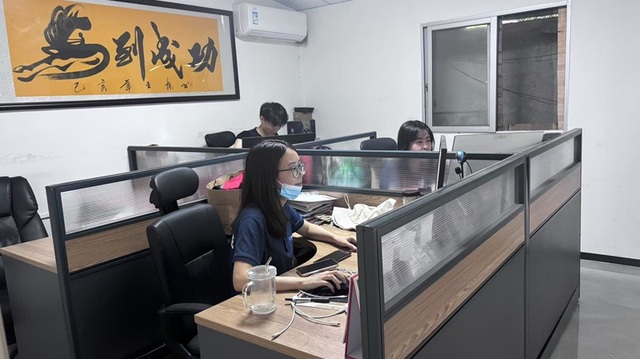
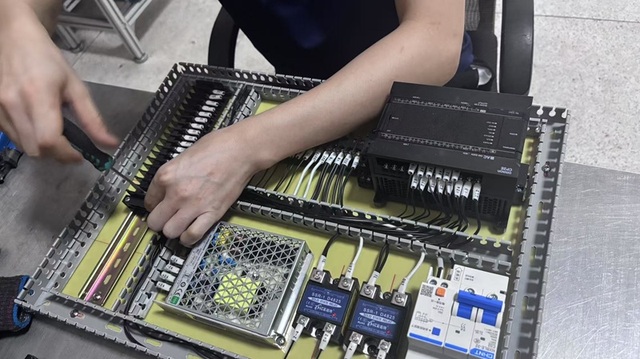
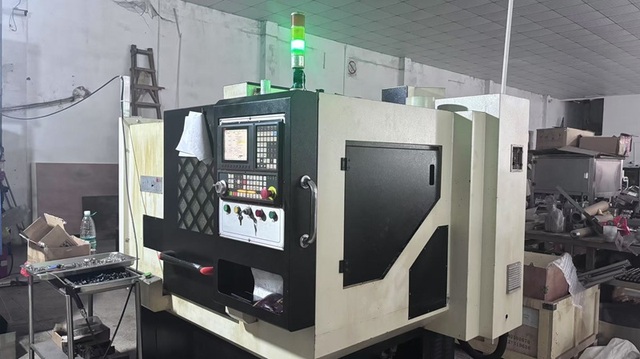
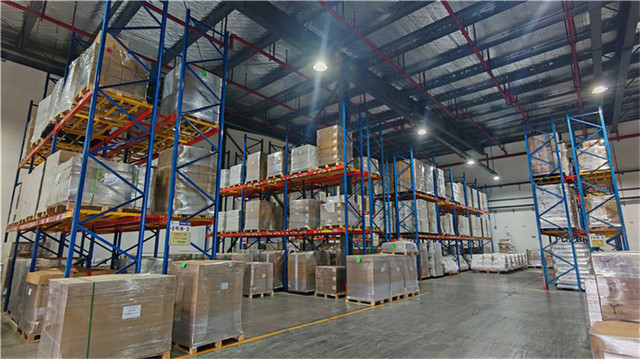
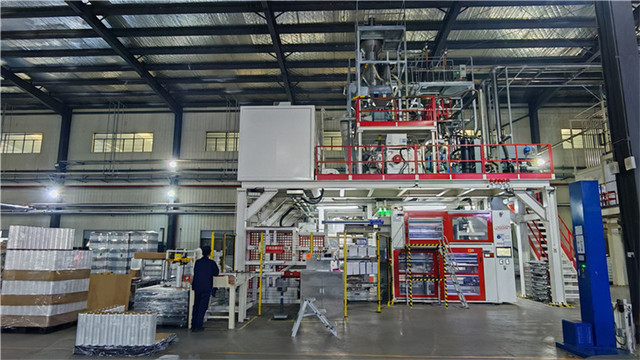
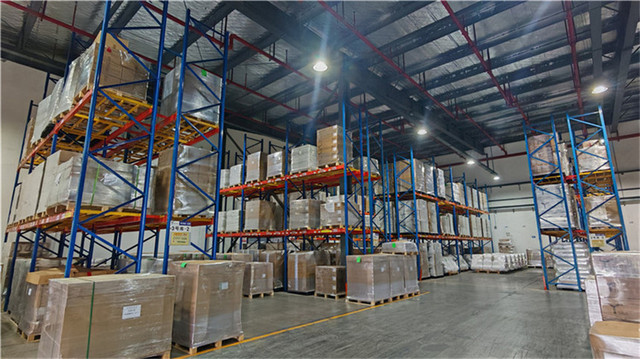
Take a virtual tour through our state-of-the-art facilities in Ningbo, showing our robust machining capabilities, strict quality assurance checks, and assembly stages.
 Econe Machinery