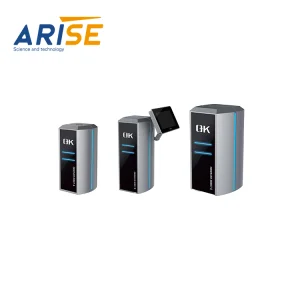
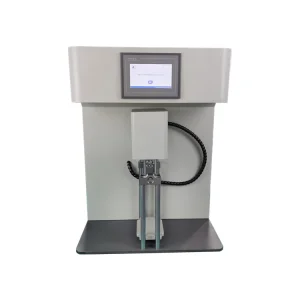
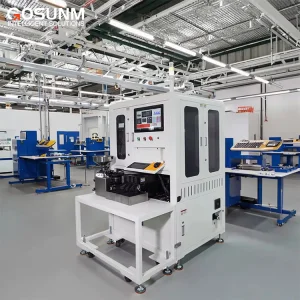
Explore our flagship quality control and inspection hardware designed to integrate seamlessly into modern assembly lines across New York State.
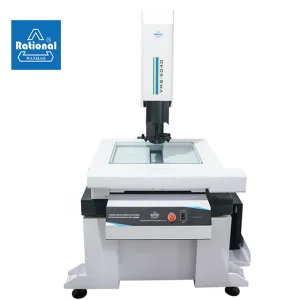
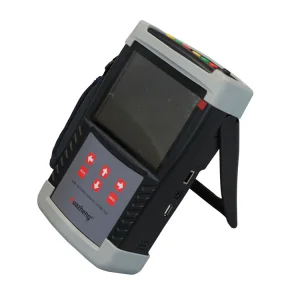
The manufacturing sectors of the New York Metropolitan area, Long Island, and Upstate New York have entered an era defined by rapid digital transformation and strict regulatory mandates. In industries ranging from biomedical device engineering in Rochester to semiconductor fabrication in the Hudson Valley, and automated food packaging in Queens, the integration of advanced Inspection & Quality Control Equipment is no longer just a defensive operational strategy; it is a critical driver of market access and global competitiveness.
Ensuring zero-defect manufacturing in these high-cost environments requires modern infrastructure. Organizations are replacing periodic, sample-based manual inspections with real-time, inline machine vision inspection, high-precision non-destructive testing (NDT), and automated dimensional verification. By adopting these systems, manufacturers can keep pace with strict local, state, and international regulatory demands while significantly boosting production yields.
Modern manufacturing presents complex quality challenges. The transition to high-speed automation creates subtle, fast-moving failure points that traditional tools cannot catch. Our specialized equipment addresses three major pain points:
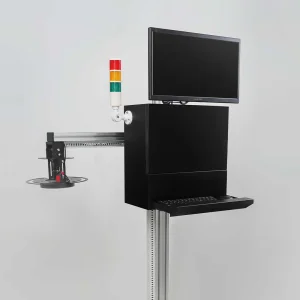
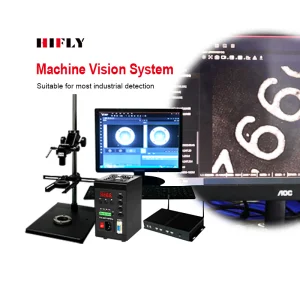
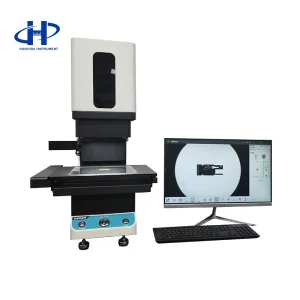
In New York's growing semiconductor clusters, micro-features require sub-micron precision. Using 0.5um accuracy 2D/3D Vision Inspection Systems, engineers can measure trace lines, solder bumps, and alignment layers in real-time. This eliminates assembly defects before components proceed to subsequent packaging stages.
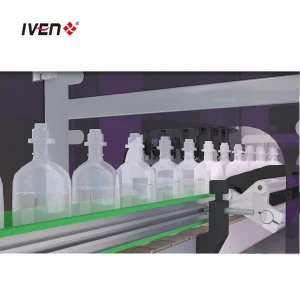
Contamination risk is a constant concern for pharmaceutical packaging operations in New Jersey and New York. Advanced high-speed inspection machines, such as those used for Ringer's Lactate Glass IV Fluid inspection, utilize multi-spectral cameras to detect minute micro-cracks, bubbles, and foreign particulates inside sealed packages, ensuring full compliance with FDA standards.
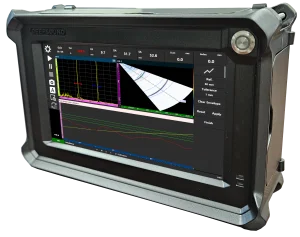
Infrastructure projects demand reliable structural testing. The use of multi-channel PAUT (Phased Array Ultrasonic Testing) systems allows field engineers to quickly identify sub-surface stress fractures, voids, and corrosion in metals and composites without damaging the underlying assets.
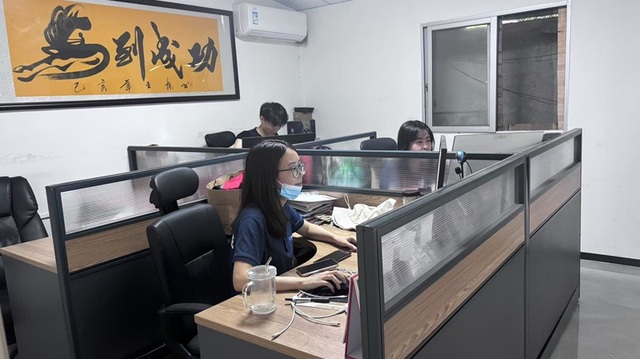
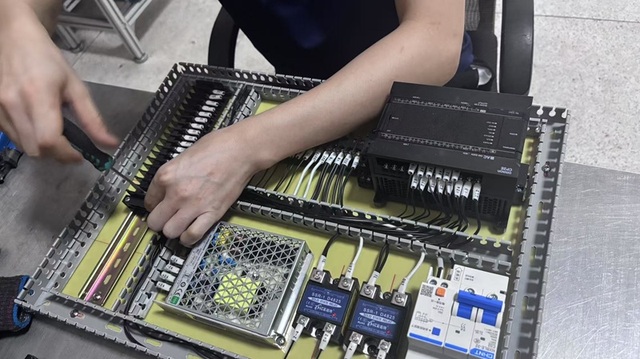
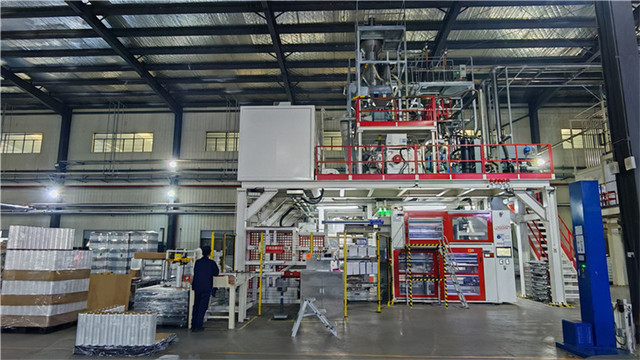
Ningbo Econe Machinery Co., Ltd. is a professional Industrial Packaging Machinery Manufacturer specializing in automated packaging systems, conveying equipment, and end-of-line automation solutions for global manufacturing industries. Based in Ningbo, China, the company focuses on the design, engineering, and production of integrated packaging machinery that helps manufacturers improve productivity, reduce labor costs, and optimize packaging efficiency.
With extensive experience in industrial automation, Econe Machinery provides a comprehensive range of solutions including automated conveying systems, product feeding equipment, weighing and counting systems, bagging solutions, wrapping systems, labeling integration, inspection systems, case handling equipment, and customized end-of-line packaging automation. These systems are widely applied in food processing, consumer goods, pharmaceuticals, chemicals, electronics, hardware, and industrial manufacturing sectors.
The company emphasizes engineering innovation, production reliability, and flexible customization. Its technical team works closely with customers to develop packaging solutions tailored to specific production requirements, factory layouts, and operational objectives. From standalone equipment to fully integrated packaging lines, Econe Machinery supports projects throughout planning, manufacturing, installation, and commissioning stages.
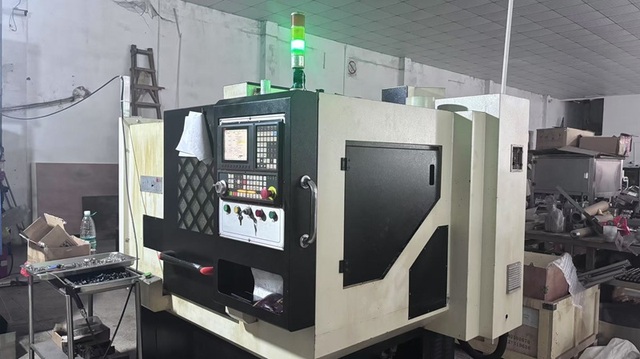
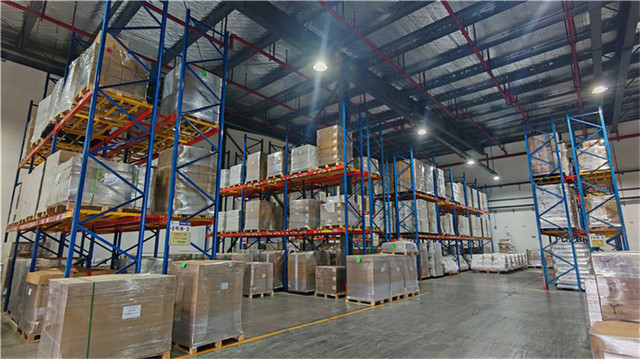
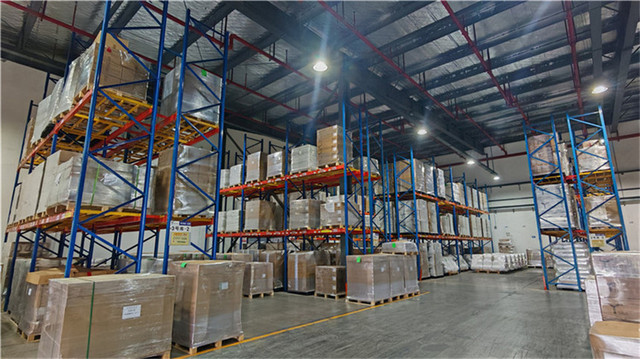
Equipped with modern manufacturing facilities and strict quality control procedures, Ningbo Econe Machinery is committed to delivering durable, efficient, and user-friendly equipment that meets international standards. The company continuously invests in automation technologies and intelligent manufacturing solutions to help customers adapt to evolving market demands.
Serving clients across Asia, Europe, North America, South America, the Middle East, and other international markets, Ningbo Econe Machinery Co., Ltd. strives to be a reliable partner for businesses seeking advanced packaging automation, conveying systems, and end-of-line production solutions that enhance operational performance and long-term competitiveness.
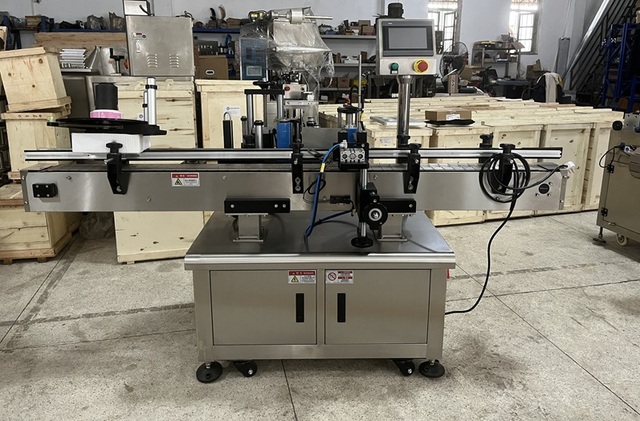
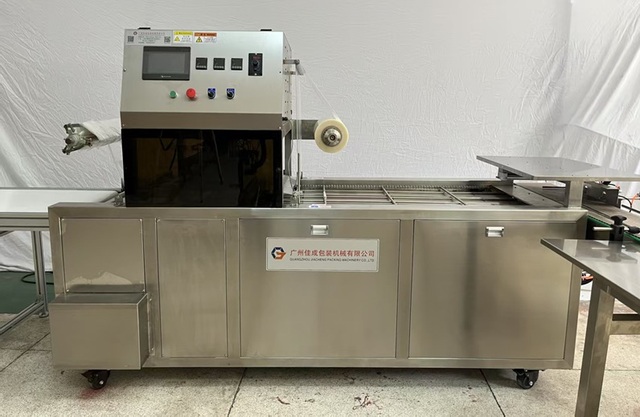
For global supply chain executives sourcing from international hubs, aligning equipment specifications with domestic safety and engineering rules is a top priority. When importing quality control devices into the New York market, products must comply with the following standards:
Our extensive range of industrial inspection machinery, high-performance testing instruments, and precision monitoring accessories.
As industrial processes move toward Industry 4.0 standards, quality control technologies are shifting from passive detection to active, predictive optimization. This transformation is driven by several key developments:
By processing inspection algorithms directly on edge-computing devices next to line cameras, manufacturers can significantly reduce detection latency. This setup allows lines running at speeds of over 1,000 components per minute to identify, log, and reject defective units in milliseconds, minimizing waste.
Next-generation optical testing systems go beyond standard visible wavelengths. Using combined short-wave infrared (SWIR) and ultraviolet (UV) illumination, vision systems can inspect subsurface layers, detect organic contamination on metal caps, and verify seal integrity through translucent packaging.
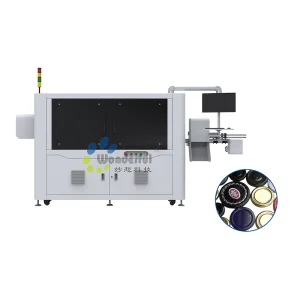
Modern assembly lines rely heavily on unified data tracking. Systems like the DOCOD XV01 pair AI inspection with real-time marking to assign a unique code to each individual product. This creates a complete quality record that supports target recalls, simplifies audits, and ensures compliance with strict regulatory frameworks.
Installing complex automation and testing lines requires strong engineering support. Through strategic distribution networks and comprehensive technical services, we ensure that equipment arriving at New York, New Jersey, or Pennsylvania facilities is successfully commissioned, calibrated, and maintained.
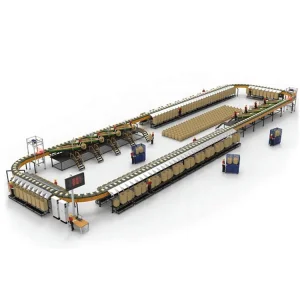
From initial factory layout planning to installing customized conveyor configurations and setting up automated sortation systems, our engineers help your team meet operational deadlines and hit target yields.
Request Technical ConsultExpert answers to common questions about implementing and maintaining inspection systems.
Our systems achieve 0.5um accuracy by combining high-resolution optical lenses (up to 6MP or higher) with advanced telecentric illumination and specialized edge detection software. This configuration minimizes optical distortion and compensates for vibrations, ensuring consistent, repeatable measurements on high-speed lines.
Any high-volume production line can benefit from automated inspection. AI visual defect detection is particularly valuable in food packaging (verifying metal cap seals), pharmaceutical manufacturing (checking fluid containers like Ringer's Lactate), electronics (verifying components), and precision assembly, where speed and consistency are critical.
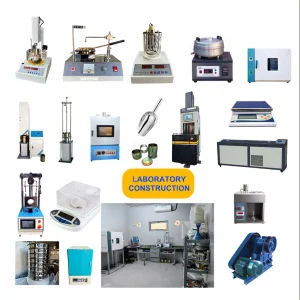
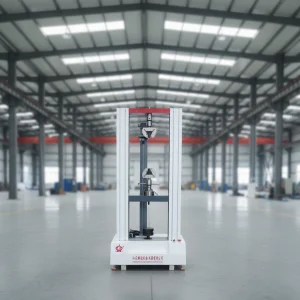
Yes. Our testing equipment, including electronic universal testing machines and civil engineering lab devices, is fully designed and calibrated to meet ASTM and other international testing standards. This ensures compliant, documentation-ready results for engineering and manufacturing operations.
By assigning and printing a unique identifier (like a 2D barcode) on each inspected item, systems can link defect data directly to specific production batches. This complete traceability makes it easier to comply with regulations, handle targeted recalls, and provide clear records during compliance audits.
Partner with a proven supplier of industrial automation and precision inspection equipment to improve efficiency and protect your margins.
Send Inquiry Now Econe Machinery