Empowering Romanian manufacturers with 2D/3D visual inspection, automated optical testing, sorting mechanisms, and physical parameter verification equipment.
In recent decades, Romania has emerged as one of Central and Eastern Europe's most vital manufacturing hubs. Powered by a combination of skilled technical labor, geographical proximity to major European consumption centers, and substantial foreign direct investments, the Romanian manufacturing landscape has undergone a profound transformation. Major industrial regions like Cluj-Napoca, Timișoara, Brașov, and Pitesti host robust automotive assembly plants, electronic manufacturing service (EMS) hubs, aerospace component workshops, and advanced pharmaceutical production lines.
With companies like Automobile Dacia (Renault Group) and Ford Otosan leading the automotive sector, the local tier-1 and tier-2 supply chains must adhere to stringent quality frameworks such as IATF 16949. In these highly synchronized environments, a single defect can disrupt downstream processes, leading to millions of euros in product recalls or plant downtime. Consequently, the local demand for automated inspection and quality control equipment has skyrocketed.
"Modern Romanian smart factories are shifting away from manual random sampling towards 100% inline automated inspections. Incorporating high-resolution 2D/3D cameras, high-precision laser profiling, and non-destructive testing (NDT) is no longer a luxury—it is a mandatory standard for global supply chains."
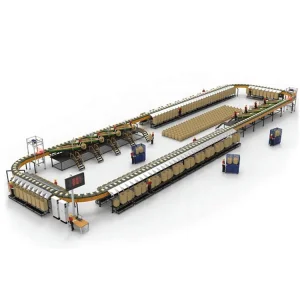
Furthermore, the Romanian pharmaceutical sector (notably in regions like Târgu Mureș) demands flawless inspection of injectable solutions, glass vials, and blister packaging to satisfy the European Medicines Agency (EMA) regulations. Similarly, the packaging and logistics hubs springing up along the Pan-European corridors require high-speed sortation automation systems that ensure parcel tracking, dimension profiling, and load balancing are handled without human intervention.
Ensuring Romanian factories achieve near-zero PPM (Parts Per Million) failure rates through advanced machine vision engineering.
The global quality control industry is transitioning from passive inspection (identifying a defective part after production) to proactive process optimization. This is realized through key technological advancements:
Conventional rule-based machine vision struggles with complex organic shapes and irregular anomalies. AI models are trained on thousands of defect images to detect scratches, dents, and color variations with higher precision than human operators.
Dynamic data traceability links quality control measurements to specific product serial numbers or barcode identifiers, storing test data in the cloud to prevent liability disputes and streamline recall management.
Combining optical, electromagnetic (NDT), thermal, and coordinate measurements on a single inline platform provides a comprehensive evaluation of both surface appearance and internal structural integrity.
For Romanian factories to remain integrated with OEM networks in Germany, France, and Italy, their inspection lines must support high throughput rates while generating digital verification records compatible with external ERP platforms. This represents a significant shift from localized quality assurance to integrated global validation networks.
Your Strategic Partner in Integrated Packaging & Custom Inspection Automation
Ningbo Econe Machinery Co., Ltd. is a professional Industrial Packaging Machinery Manufacturer specializing in automated packaging systems, conveying equipment, and end-of-line automation solutions for global manufacturing industries. Based in Ningbo, China, the company focuses on the design, engineering, and production of integrated packaging machinery that helps manufacturers improve productivity, reduce labor costs, and optimize packaging efficiency.
With extensive experience in industrial automation, Econe Machinery provides a comprehensive range of solutions including automated conveying systems, product feeding equipment, weighing and counting systems, bagging solutions, wrapping systems, labeling integration, inspection systems, case handling equipment, and customized end-of-line packaging automation. These systems are widely applied in food processing, consumer goods, pharmaceuticals, chemicals, electronics, hardware, and industrial manufacturing sectors.
The company emphasizes engineering innovation, production reliability, and flexible customization. Its technical team works closely with customers to develop packaging solutions tailored to specific production requirements, factory layouts, and operational objectives. From standalone equipment to fully integrated packaging lines, Econe Machinery supports projects throughout planning, manufacturing, installation, and commissioning stages.
Romanian enterprises leverage partnerships with Chinese automation manufacturers to optimize CAPEX. While European-built machinery carries high overhead costs and longer engineering queues, companies like Ningbo Econe Machinery deliver:
Equipped with modern manufacturing facilities and strict quality control procedures, Ningbo Econe Machinery is committed to delivering durable, efficient, and user-friendly equipment that meets international standards. The company continuously invests in automation technologies and intelligent manufacturing solutions to help customers adapt to evolving market demands. Serving clients across Asia, Europe, North America, South America, the Middle East, and other international markets, Ningbo Econe Machinery Co., Ltd. strives to be a reliable partner for businesses seeking advanced packaging automation, conveying systems, and end-of-line production solutions that enhance operational performance and long-term competitiveness.
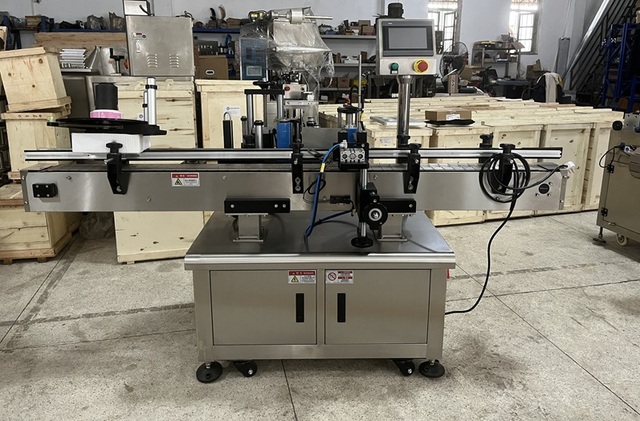
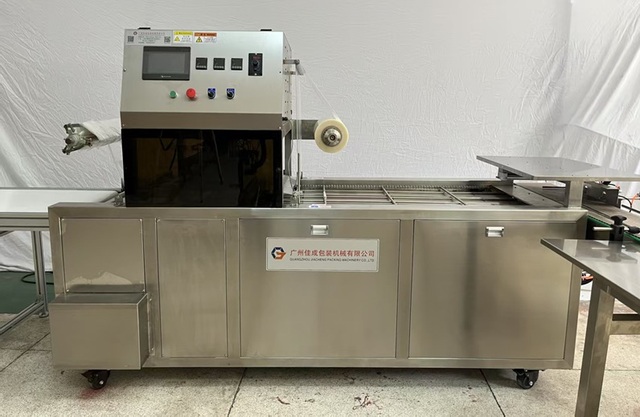
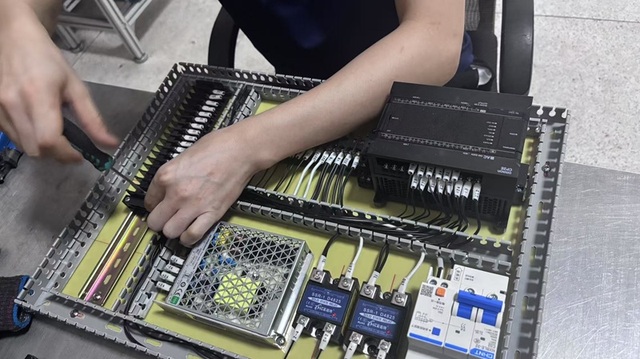
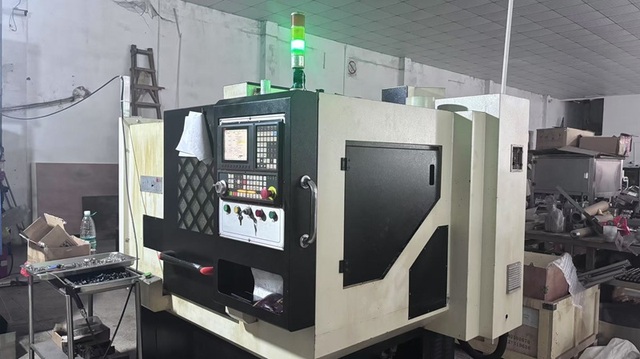
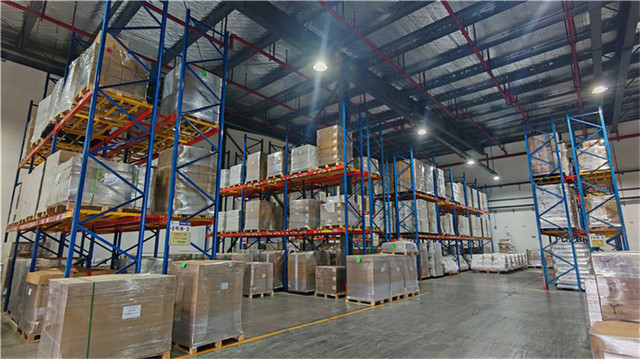
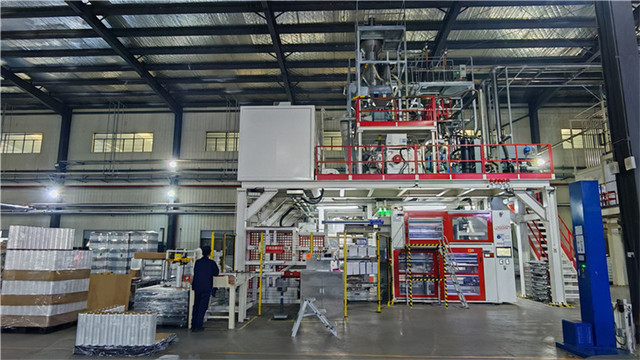
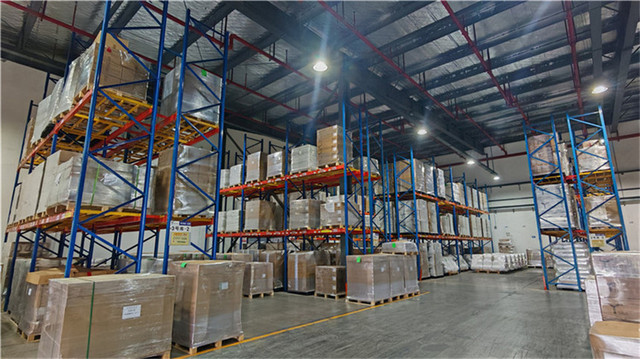
Automation and inspection technologies must adapt to the specific operational realities of the plants where they are deployed. The following examples outline how these systems address localized production requirements:
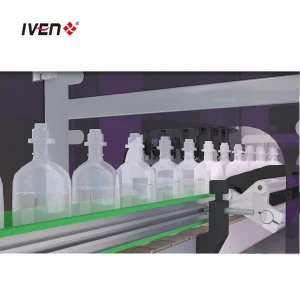
In bottling facilities located near Bucharest and Constanța, high-speed beverage and edible oil filling lines handle up to 60,000 units per hour. A minor defect in a metal cap's thread or seal can compromise product safety. The installation of inline AI Visual Inspection Machines enables automated, real-time rejection of deformed closures, maintaining throughput rates while reducing product losses.
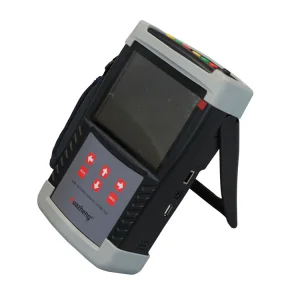
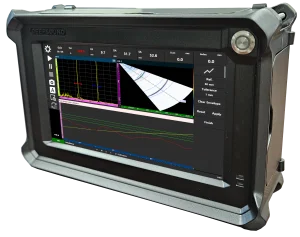
Automotive cast components manufactured in Brașov must be verified for internal defects such as gas pockets and micro-cracks before mechanical machining. Deploying 16-channel digital NDT phased-array systems allows operators to conduct structural checks on metal parts, ensuring compliance with strict safety standards without destroying the test samples.
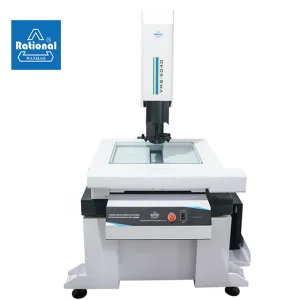
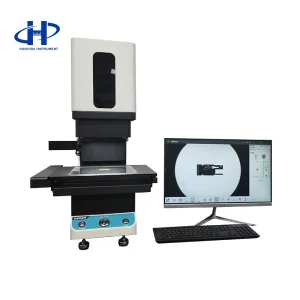
As a regional electronics manufacturing hub, Cluj-Napoca's assembly facilities handle multi-layered PCB boards featuring microscopic SMD components. Manual visual checks are insufficient for these structures. Integrating 2D/3D vision platforms with 0.5μm measurement accuracy provides automated inspection for component orientation, solder joint quality, and track distances, keeping line defects to a minimum.
For procurement directors managing equipment sourcing in Romania, purchase price is only one part of the equation. A comprehensive TCO assessment includes:
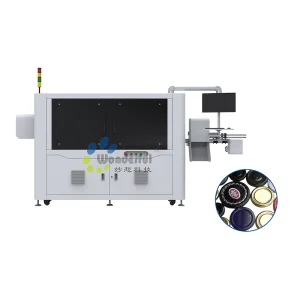
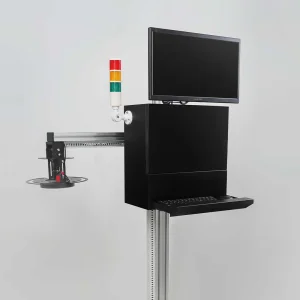
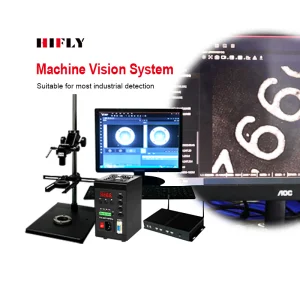
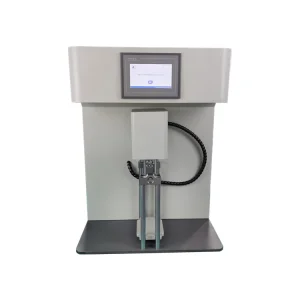
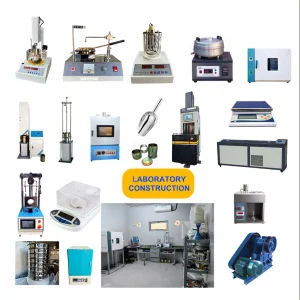
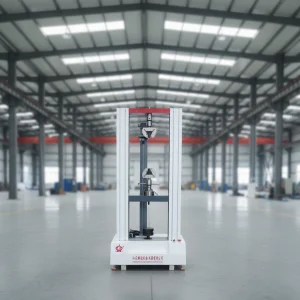
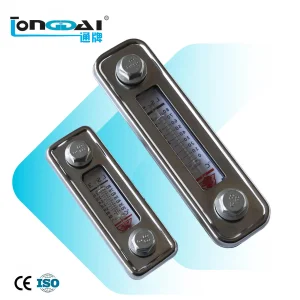
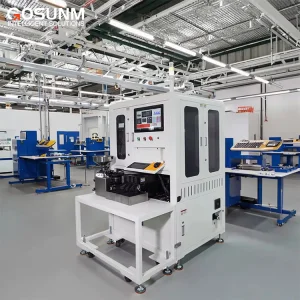
Explore our technical range of vision systems, non-destructive testing equipment, and laboratory instruments designed for manufacturing integration.
Technical clarifications for quality engineers and procurement teams in Romania and European regions.
Get in touch with our engineering and procurement support team to draft your custom line layouts, receive detailed quotes, or request live system demonstrations.
Send Inquiry Now Econe Machinery