Integrating sub-micron dimensional metrology and dynamic machine vision solutions optimized for the electronics, medical device, and packaging lines of Osaka.
As a global manufacturing hub, the Kansai region—with Osaka at its core—has long been synonymous with high-precision engineering, chemical processing, medical diagnostics, and advanced electronics fabrication. As the global supply chain moves inexorably toward Industry 4.0 paradigms, the requirements for quality assurance (QA) have escalated from retrospective offline checking to real-time, inline, automated detection. This whitepaper analyzes the integration of high-speed machine vision, non-destructive testing (NDT), and smart end-of-line packaging infrastructure to fulfill the rigorous standards of modern Japanese procurement.
Osaka's manufacturing ecosystem is built on a legacy of "Monozukuri"—the Japanese philosophy of craftsmanship and continuous improvement. From the precision electronics clusters in Kadoma and Sakai to the pharmaceutical corridors in Doshomachi, companies operate within zero-defect frameworks. However, the region faces two critical structural challenges: a shrinking labor demographic and escalating raw material costs.
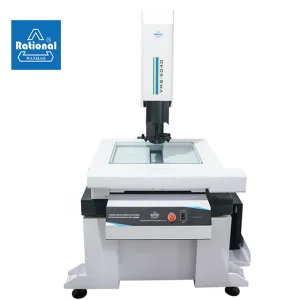
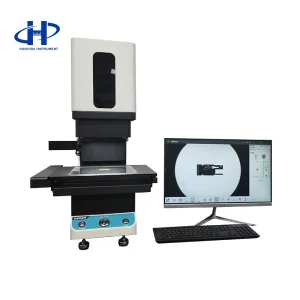
To maintain global competitiveness, Osaka manufacturers are rapidly automating their quality gates. Implementing 2D/3D vision systems with 0.5um measurement accuracy allows local factories to replace subjective manual inspection with standardized, high-speed telemetry. This shift is particularly vital for precision stampings, semiconductor lead frames, and medical fluid containment products where even micro-fissures can lead to catastrophic failure.
"By implementing automated optical inspection (AOI) with sub-micron resolution directly into the assembly line, Osaka manufacturers can achieve up to 99.8% first-pass yield (FPY) while collecting grain-level datasets for predictive maintenance."
The contemporary metrology market is transitioning from simple pass/fail screening to advanced predictive analytics. Modern quality control equipment serves as an edge data collector. When a high-speed machine vision system inspects metal closures or electronic substrates, it does not merely sort defects; it feeds spatial deformation patterns back to the CNC stamping or molding machines.
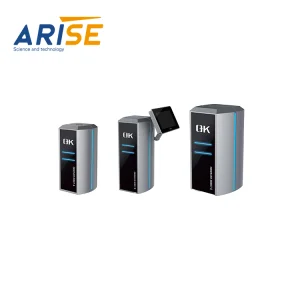
This closed-loop system mitigates tool wear before the component falls outside tolerance limits. In parallel, the demand for dynamic data traceability (using "One Product, One Code" structures via high-speed scanning systems) has become a global mandate, ensuring that every serialised item holds a digital twin tracing its exact production parameters.
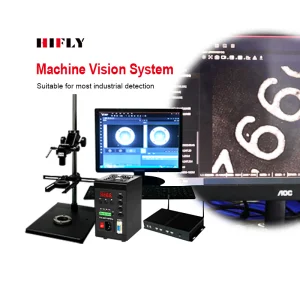
Utilizes convolutional neural networks (CNNs) to classify surface variations, cosmetic scratches, and structural flaws under high speeds, adapting dynamically to target variations without manual recalibration.
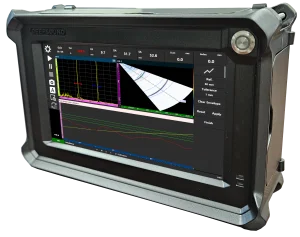
Phased Array Ultrasonic Testing (PAUT) systems allow complex internal structural inspection of cast alloys, composites, and pipe welds without compromising workpiece integrity.
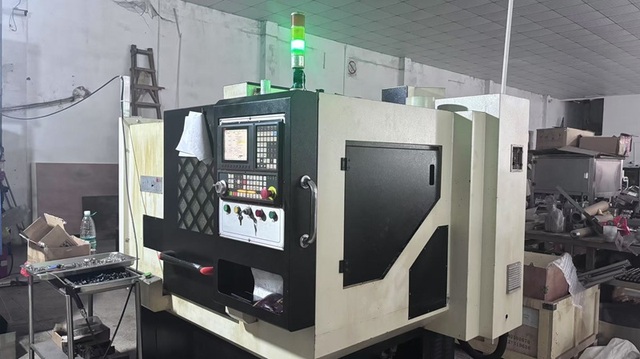
China's manufacturing sector has undergone a massive modernization program, transitioning from labor-intensive assembly to high-technology production clusters. Located in the heart of Zhejiang’s machinery cluster, Ningbo has emerged as a premier hub for industrial automation and mechanical design. The regional integration of component casting, sensor development, and high-precision CNC machining enables local factories to deliver equipment with high structural integrity at a highly competitive Total Cost of Ownership (TCO).
By leveraging these robust supply chain clusters, Chinese exporters can build industrial-grade testing equipment that meets both CE and ISO standards while maintaining pricing configurations that significantly reduce capital expenditure (CapEx) amortization periods for overseas buyers.
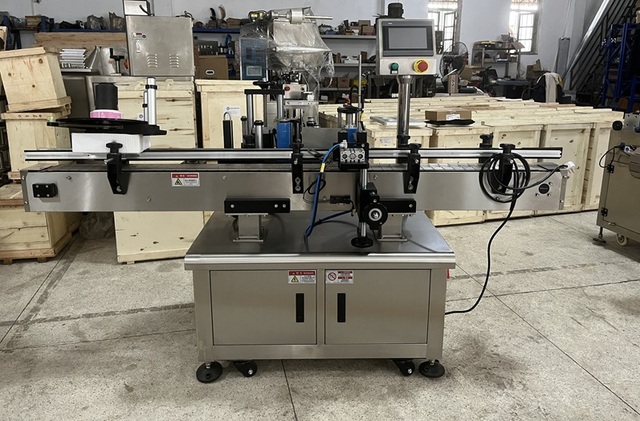
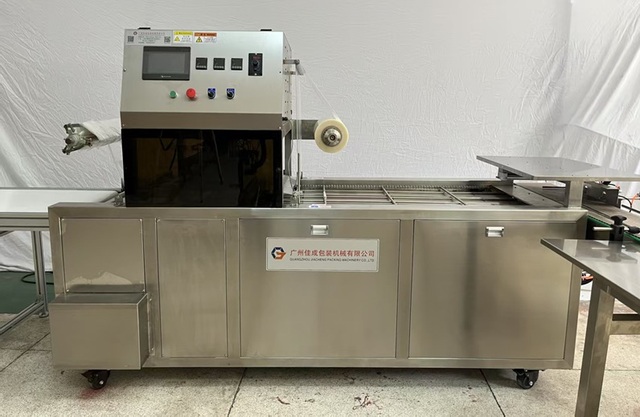
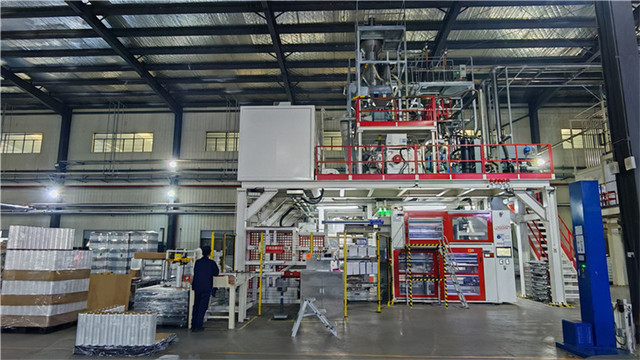
Ningbo Econe Machinery Co., Ltd. is a professional Industrial Packaging Machinery Manufacturer specializing in automated packaging systems, conveying equipment, and end-of-line automation solutions for global manufacturing industries. Based in Ningbo, China, the company focuses on the design, engineering, and production of integrated packaging machinery that helps manufacturers improve productivity, reduce labor costs, and optimize packaging efficiency.
With extensive experience in industrial automation, Econe Machinery provides a comprehensive range of solutions including automated conveying systems, product feeding equipment, weighing and counting systems, bagging solutions, wrapping systems, labeling integration, inspection systems, case handling equipment, and customized end-of-line packaging automation. These systems are widely applied in food processing, consumer goods, pharmaceuticals, chemicals, electronics, hardware, and industrial manufacturing sectors.
The company emphasizes engineering innovation, production reliability, and flexible customization. Its technical team works closely with customers to develop packaging solutions tailored to specific production requirements, factory layouts, and operational objectives. From standalone equipment to fully integrated packaging lines, Econe Machinery supports projects throughout planning, manufacturing, installation, and commissioning stages.
Equipped with modern manufacturing facilities and strict quality control procedures, Ningbo Econe Machinery is committed to delivering durable, efficient, and user-friendly equipment that meets international standards. The company continuously invests in automation technologies and intelligent manufacturing solutions to help customers adapt to evolving market demands.
Serving clients across Asia, Europe, North America, South America, the Middle East, and other international markets, Ningbo Econe Machinery Co., Ltd. strives to be a reliable partner for businesses seeking advanced packaging automation, conveying systems, and end-of-line production solutions that enhance operational performance and long-term competitiveness.
Integrating these systems into Osaka's specific economic sectors requires understanding the micro-environments of different prefectural hubs:
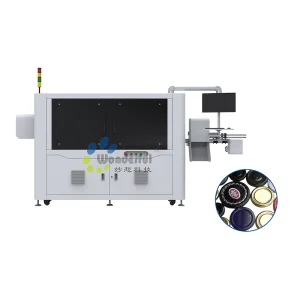
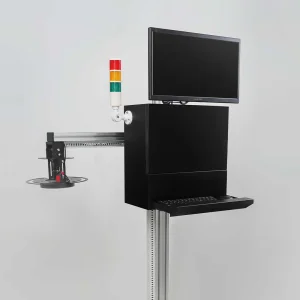
A. High-Speed Metal Cap & Closure Lines (Sakai Industrial Zone): Liquid packing operations require complete hermetic seals. Incorporating automated high-speed visual cameras detects deformations in aluminum and plastic caps at speeds exceeding 1,200 units per minute, directly interfacing with reject systems.
B. Pharmaceutical Liquid Verification (Doshomachi District): Infusion bottles, such as Ringer's Lactate IV fluids, are subject to microscopic optical checks. Particle contaminants or hairline glass vial cracks must be isolated with 100% reliability to meet PMDA regulations.
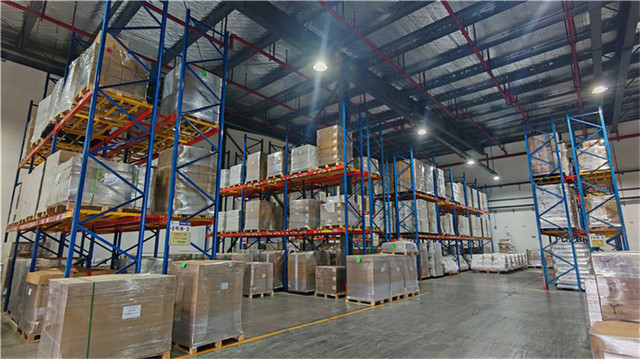
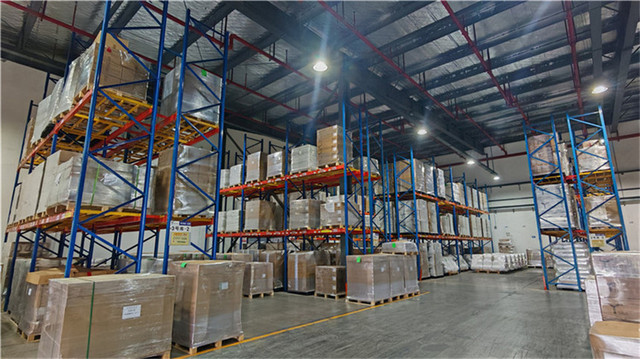
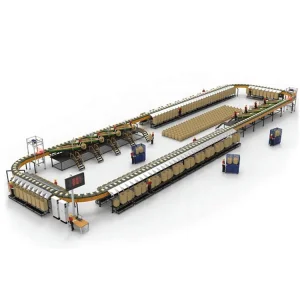
C. Smart Logistics & Distribution Warehouses (Osaka Port & Bay Area): Utilizing automated sortation managers along with integrated belt conveyors allows high-volume distribution centers to scan, verify weight, check dimensional compliance, and route packages continuously.
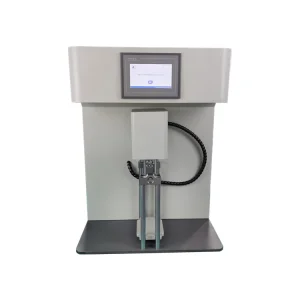
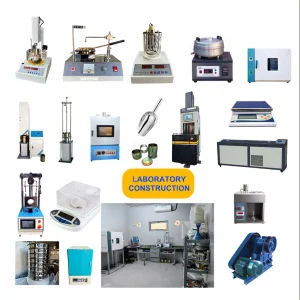
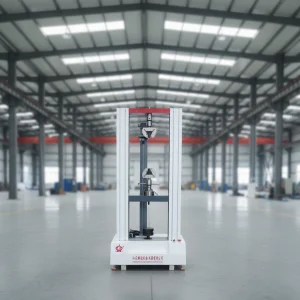
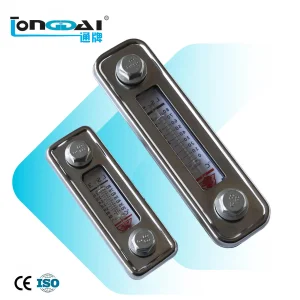
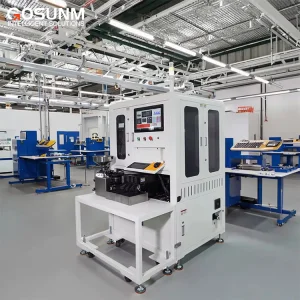
Select from our complete range of high-performance physical measuring systems, structural testers, and automated sortation platforms.

 Econe Machinery