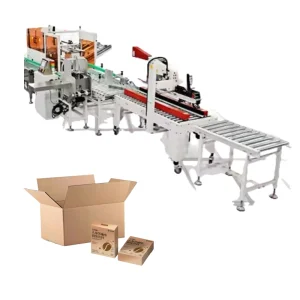
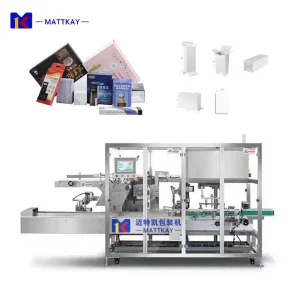
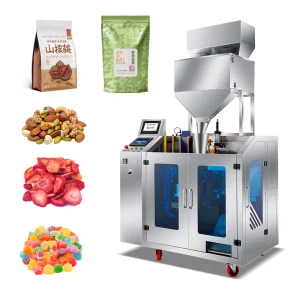
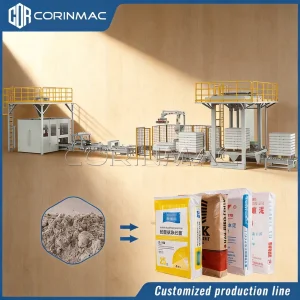
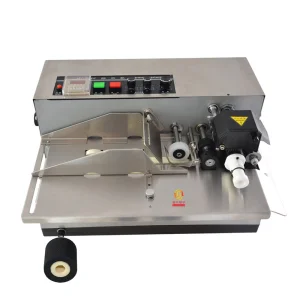
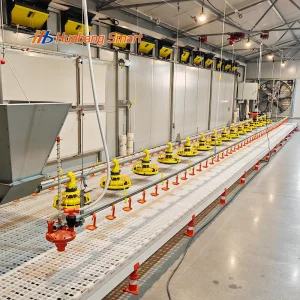
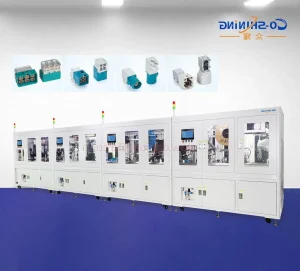
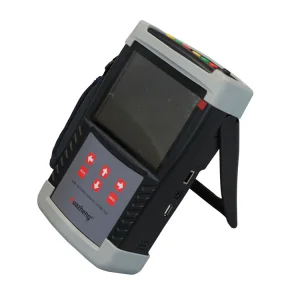
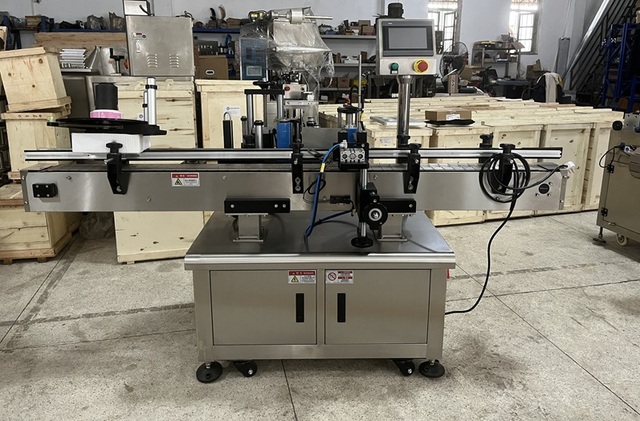
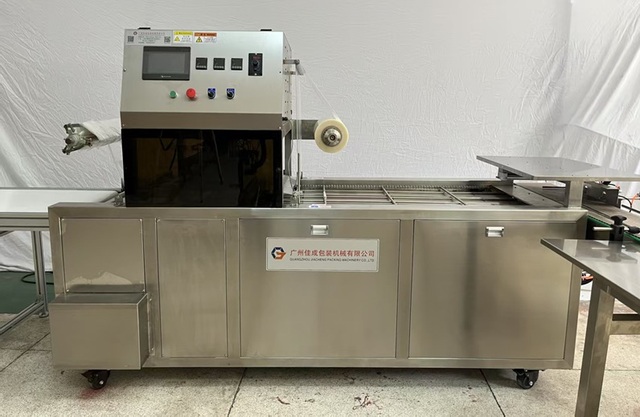
Explore our core featured automated systems and specialized components designed for modern continuous manufacturing workflows:
In the contemporary globalized manufacturing ecosystem, the demand for precision, extended shelf life, stringent hygiene compliance, and seamless end-of-line automation has elevated tray sealing equipment from simple heat-sealing apparatuses to critical components of industrial automation infrastructure. Modern food processing plants, pharmaceutical production lines, medical device cleanrooms, and chemical packaging facilities rely heavily on state-of-the-art tray sealing machinery to maintain package integrity, ensure seal hermeticity, and significantly optimize throughput.
The global tray sealing market is currently undergoing a structural transformation driven by four macroeconomic pillars: the rapid surge in consumer demand for ready-to-eat (RTE) meals, stringent global food safety standards (such as FDA CFR Title 21, ISO 22000, and HACCP compliance), the transition toward sustainable mono-material packaging, and the integration of Smart Factory (Industry 4.0) protocols. Manufacturers worldwide are shifting from manual and semi-automatic table-top sealers to high-capacity, servo-driven inline tray sealing platforms equipped with Modified Atmosphere Packaging (MAP), Vacuum Skin Packaging (VSP), and automated checkweighing/inspection modules.
Strategic Market Insight: Modern automated tray sealing operations achieve oxygen residue levels under 0.1% while maintaining operational overall equipment effectiveness (OEE) above 98.5%. Strategic selection of a qualified machinery manufacturing partner remains the decisive factor in mitigating total cost of ownership (TCO) and avoiding unscheduled downtime.
When procuring tray sealing machinery, industrial engineers and operations executives must evaluate non-negotiable engineering metrics: thermal conductivity across seal jaws, precision pressure equalization, gas displacement accuracy, vacuum pump velocity, toolless mold changeover times, and structural frame rigidity (specifically AISI 304/316 stainless steel construction). Selecting a manufacturer with deep domain expertise ensures that equipment seamlessly interfaces with up-stream processes (denesting, product dosing) and down-stream modules (cartoning, case packing, and robotic palletizing).
Tray sealing technology relies on the precise calibration of three fundamental physical variables: Temperature, Pressure, and Dwell Time. Achieving an impenetrable, leak-proof hermetic seal on rigid trays (manufactured from PP, PET, CPET, Aluminum, or Bio-based Pulp) demands consistent thermal dispersion across the sealing surface without causing thermal deformation of the tray flange.
Advanced PID multi-zone heat management utilizes independent thermal cartridge sensors to ensure surface variance stays below ±1°C, preventing weak spots or film burn-through during high-speed runs.
Utilizing high-speed vacuum displacement or targeted gas flushing techniques to inject protective gas mixtures (N2, CO2, O2), extending fresh food shelf-life by up to 300% without chemical preservatives.
Custom contour die cutting (inside-cut or outside-cut) engineered with hardened tool-steel blades ensures crisp edges, zero excess film tailing, and minimal plastic film waste per sealing cycle.
To assist plant engineers in equipment selection, the table below outlines technical parameters across different operational scale tiers:
| Equipment Category | Typical Throughput (Trays/Min) | Drive System | MAP / VSP Capability | Primary Industrial Applications |
|---|---|---|---|---|
| Manual & Semi-Auto Tabletop | 5 - 15 TPM | Pneumatic / Manual Mechanical | Optional Gas Flush / Basic MAP | R&D Labs, Small Catering, Local Butcher Shops |
| Semi-Automatic Rotary Table | 15 - 35 TPM | Pneumatic / Electro-Mechanical | Full MAP & Vacuum Skin (VSP) | Medium Batch Food Producers, Pilot Lines |
| Automatic Single-Lane Linear | 40 - 90 TPM | Full Servo Motors & PLC Control | High-Precision MAP, VSP, Inside-Cut | High-Volume Food Packaging Plants, Ready Meals |
| High-Speed Multi-Lane Linear | 100 - 180+ TPM | Synchronized Multi-Axis Servo Systems | Ultra-Low O2 MAP, High-Speed VSP | Mass Industrial Food & Pharmaceutical Manufacturers |
Industrial tray sealing equipment must adapt to rigorous domain-specific requirements. From handling delicate biological specimens to high-fat fresh meats, machine architecture varies drastically based on the end product.
High-oxygen MAP environments (up to 80% O2) maintain fresh red meat coloration while preventing microbial spoilage. Washdown IP69K construction allows complete high-pressure caustic liquid chemical sanitation.
Multi-compartment tray sealing demanding uniform perimeter heat application. Systems integrate liquid gravimetric dosers, automated film coding, and modified atmosphere purging before hermetic sealing.
Cleanroom-compliant ISO Class 7/8 packaging systems for sterile surgical instruments and syringes. Features strict seal force monitoring, audit trail data logging, and 100% seal integrity validation.
Static-dissipative rigid trays packed under nitrogen flush to prevent oxidation and moisture build-up on delicate semiconductor boards, automotive components, and industrial micro-connectors.
Equipped with Equilibrium Modified Atmosphere Packaging (EMAP) micro-perforation film compatibility, matching film oxygen transmission rate (OTR) to plant respiration for maximum freshness.
Ultra-flexible quick-change mold systems handling dynamic batch production runs across heterogeneous tray dimensions with minimal operator intervention required.
When selecting a reliable manufacturer for automated packaging machinery, engineering integrity and total system integration capability are paramount. Ningbo Econe Machinery Co., Ltd. is a professional Industrial Packaging Machinery Manufacturer specializing in automated packaging systems, conveying equipment, and end-of-line automation solutions for global manufacturing industries. Based in Ningbo, China, the company focuses on the design, engineering, and production of integrated packaging machinery that helps manufacturers improve productivity, reduce labor costs, and optimize packaging efficiency.
With extensive experience in industrial automation, Econe Machinery provides a comprehensive range of solutions including automated conveying systems, product feeding equipment, weighing and counting systems, bagging solutions, wrapping systems, labeling integration, inspection systems, case handling equipment, and customized end-of-line packaging automation. These systems are widely applied in food processing, consumer goods, pharmaceuticals, chemicals, electronics, hardware, and industrial manufacturing sectors.
The company emphasizes engineering innovation, production reliability, and flexible customization. Its technical team works closely with customers to develop packaging solutions tailored to specific production requirements, factory layouts, and operational objectives. From standalone equipment to fully integrated packaging lines, Econe Machinery supports projects throughout planning, manufacturing, installation, and commissioning stages.
Equipped with modern manufacturing facilities and strict quality control procedures, Ningbo Econe Machinery is committed to delivering durable, efficient, and user-friendly equipment that meets international standards. The company continuously invests in automation technologies and intelligent manufacturing solutions to help customers adapt to evolving market demands.
Serving clients across Asia, Europe, North America, South America, the Middle East, and other international markets, Ningbo Econe Machinery Co., Ltd. strives to be a reliable partner for businesses seeking advanced packaging automation, conveying systems, and end-of-line production solutions that enhance operational performance and long-term competitiveness.
Operating industrial equipment on a global scale requires strict alignment with localized machine directives, electrical codes, and sanitary construction requirements. Reputable tray sealing manufacturers build machines to international benchmark standards:
Compliance with 2006/42/EC directives, safety light curtains, dual emergency stop circuits, and interlocking safety guard doors to protect operational staff.
Sloped self-draining surfaces, zero flat horizontal lips where wash water can pool, and IP67/IP69K enclosures for direct high-pressure hose-down procedures.
All product-contact materials—including conveyor belts, sealing gaskets, and denester guides—are certified food-grade (FDA 21 CFR 177 compliance).
Investing in automated packaging infrastructure necessitates long-term lifecycle assurance. A complete local support ecosystem includes:
As smart manufacturing matures, tray sealing platforms are undergoing major technological evolutions:
Inline high-resolution thermal and optical camera systems analyze 100% of sealed tray perimeters in real-time, instantly rejecting packages with microscopic seal contamination, product overhang, or tray flange deformation.
Next-generation heat sealing heads dynamically adapt to complex bio-films, paper-board trays, and 100% recyclable mono-PP/mono-PET films, maintaining seal strength while shrinking carbon footprints.
Kinetic energy recovery systems capture braking energy from fast linear motion, reducing power consumption by up to 22% during continuous 24/7 high-speed production cycles.
Clear engineering answers to critical purchasing and operational questions:
MAP evacuates atmospheric air and replaces it with a custom gas mixture (e.g., N2/CO2/O2) inside the tray, leaving a head-space cushion. VSP pulls a complete vacuum around the product and heats a flexible top film that drapes tightly over the product like a second skin, anchoring it to the bottom tray flange without distorting product geometry.
Sealing parameters depend on film thickness, substrate melting temperature, tray flange geometry, and target line speed. Typically, Polypropylene (PP) seals between 150°C and 185°C with a dwell time of 0.8 to 1.5 seconds under 4 to 6 bar of pneumatic or mechanical servo force. Precise optimization is achieved through burst pressure testing and seal peel analysis during Factory Acceptance Testing (FAT).
State-of-the-art inline tray sealers feature toolless quick-change mold architectures. Guided pneumatic lock releases, quick-disconnect electrical/pneumatic plugs, and dedicated mold carts enable complete tool changeovers (sealing die, cutting blades, and tray nests) in under 10 to 15 minutes, drastically reducing downtime between batch runs.
Product contamination on the sealing surface is the leading cause of channel leaks. Mitigations include integrating Anti-Splashing servo-controlled tray indexing, utilizing liquid product dosing nozzles with cut-off anti-drip valves, and implementing heated serrated seal jaws designed to displace thin liquid barriers during compression.
Discover our extensive range of packaging machinery, labeling equipment, industrial hardware components, and auxiliary automation machinery:
 Econe Machinery