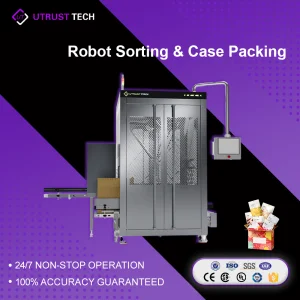
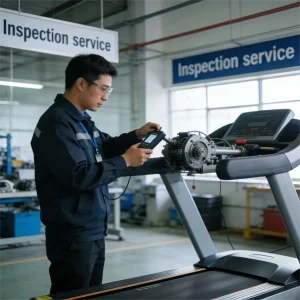
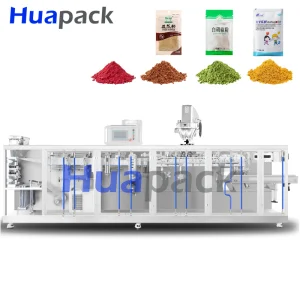
Explore our high-performance industrial machinery designed to streamline packaging and conveying lines globally.
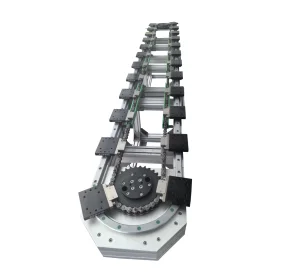
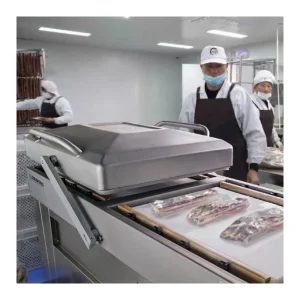
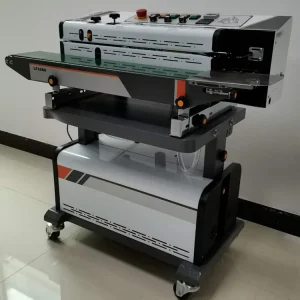
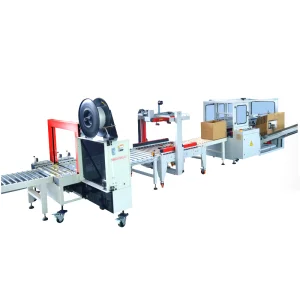
In today's fast-paced manufacturing landscapes, packaging lines require traceabilities that are not only robust but seamlessly integrated. Thermal Transfer Printing (TTP) and Thermal Transfer Overprinting (TTO) represent the gold standard for applying high-resolution batch codes, expiration dates, barcodes, and complex nutritional tables directly onto flexible packaging materials, labels, and cartons. Unlike traditional inkjet markers, which are prone to ink splatters, nozzle clogging, and volatile solvent release, thermal transfer technology operates by precisely heating a ribbon, melting ink onto the substrate with unmatched edge-definition and durability.
As global supply chains tighten, the integration of these printing technologies with downstream packaging machinery—such as vertical form-fill-seal (VFFS) systems, automatic pouch fill-sealers, and high-speed conveying networks—has become a non-negotiable metric for plant productivity. The modern factory floor is an ecosystem where high-volume data handling must match millisecond-level physical synchronization. This synergy ensures zero label misalignment, minimal ribbon consumption, and sustained uptime.
Information Gain Insight: While many procurement managers view thermal transfer printers as standalone accessories, leading manufacturers understand that the performance of a TTO printer is capped by the mechanical stability, tension control, and vibrational isolation of the parent packaging machine. Partnering with integrated OEM solution providers yields up to 35% higher printhead longevity.
Evaluating the top global suppliers requires analyzing performance characteristics beyond raw DPI. The total cost of ownership (TCO) is driven by ribbon saving algorithms, printhead pressure dynamics, and multi-protocol connectivity. Industry leaders rely on parameters such as digital ribbon drive systems, which replace wear-prone mechanical clutches with high-resolution stepper motors to maintain constant tension and optimize ribbon consumption.
Global procurement metrics show a shift from piecemeal equipment sourcing to unified end-of-line integration. High-throughput sectors, including dairy, pharmaceutical, fresh food, and precision hardware, require systems that work out of the box with zero custom programming delay. Below is an overview of the key performance dynamics across various applications when integrating thermal transfer printing with modern automation gear:
| Industry Sector | Typical Packaging Substrate | TTO Integration Challenge | Econe Machinery Integrated Solution |
|---|---|---|---|
| Food & Beverage | BOPP, PET, Polyethylene films | High speeds (up to 400 bpm) and washdown cleaning processes | IP65-rated enclosures paired with continuous-motion high-speed conveyors. |
| Pharmaceutical | Tyvek pouches, cold-form foil blisters | Zero-defect regulatory demands, compliance with FDA 21 CFR Part 11 | Vision-integrated sorting modules validating printing quality before case packaging. |
| Chemical & Agro | Thick woven bags, heavy PE bags | Abrasive environments, chemical contact degradation | Heavy-duty ribbon formulations combined with automated weighing & sachet filling. |
| E-commerce Logistics | Carton boxes, shipping sleeves | Varying package sizes, real-time localized shipping data | Automatic case erectors integrated with print-and-apply labeling engines. |
Thermal transfer technology splits into two core categories: Flat-Head and Near-Edge. Flat-head technology utilizes a conventional heating element situated away from the edge of the substrate-facing assembly, making it ideal for standard industrial label printers operating at moderate speeds. Near-edge technology, conversely, positions the heating resistors at the very edge of the printhead, allowing the printhead to quickly disengage from the ribbon. This is the dominant technology for inline TTO devices integrated with high-speed packaging machinery, enabling speeds of up to 1000 mm/s. Near-edge systems also support variable-speed lines by utilizing digital encoding feedback to adjust the heat profile in real-time, preventing print fade and smudging during acceleration or deceleration phases.
Ningbo Econe Machinery Co., Ltd. is a professional Industrial Packaging Machinery Manufacturer specializing in automated packaging systems, conveying equipment, and end-of-line automation solutions for global manufacturing industries. Based in Ningbo, China, the company focuses on the design, engineering, and production of integrated packaging machinery that helps manufacturers improve productivity, reduce labor costs, and optimize packaging efficiency.
With extensive experience in industrial automation, Econe Machinery provides a comprehensive range of solutions including automated conveying systems, product feeding equipment, weighing and counting systems, bagging solutions, wrapping systems, labeling integration, inspection systems, case handling equipment, and customized end-of-line packaging automation. These systems are widely applied in food processing, consumer goods, pharmaceuticals, chemicals, electronics, hardware, and industrial manufacturing sectors.
Econe Machinery emphasizes custom design, developing systems tailored to specific factory layouts and operational metrics to maximize throughput.
Utilizing high-grade stainless steels, CNC-machined structural parts, and reliable electrical controls to maintain uptime in harsh conditions.
Serving clients across Asia, Europe, North America, and the Middle East, ensuring machinery meets local electrical and safety codes.
The company emphasizes engineering innovation, production reliability, and flexible customization. Its technical team works closely with customers to develop packaging solutions tailored to specific production requirements, factory layouts, and operational objectives. From standalone equipment to fully integrated packaging lines, Econe Machinery supports projects throughout planning, manufacturing, installation, and commissioning stages.
Equipped with modern manufacturing facilities and strict quality control procedures, Ningbo Econe Machinery is committed to delivering durable, efficient, and user-friendly equipment that meets international standards. The company continuously invests in automation technologies and intelligent manufacturing solutions to help customers adapt to evolving market demands.
Serving clients across Asia, Europe, North America, South America, the Middle East, and other international markets, Ningbo Econe Machinery Co., Ltd. strives to be a reliable partner for businesses seeking advanced packaging automation, conveying systems, and end-of-line production solutions that enhance operational performance and long-term competitiveness.
A transparent look inside the advanced manufacturing facilities, processing floors, and system verification setups.
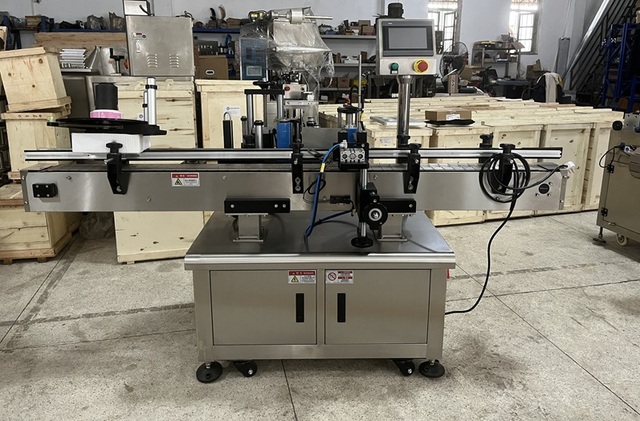
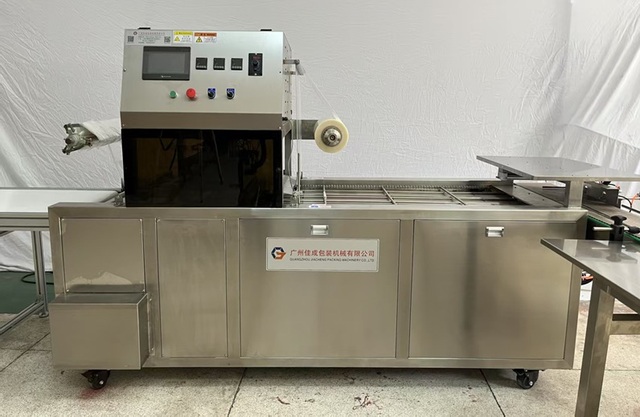
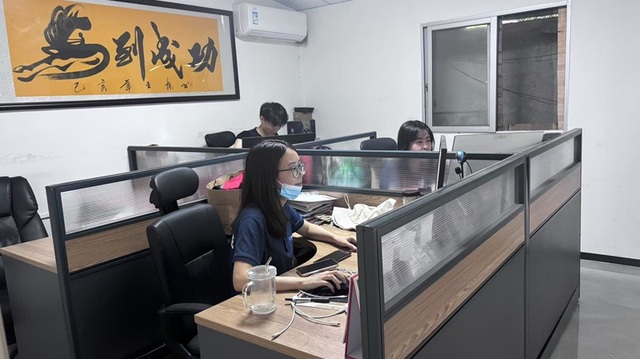
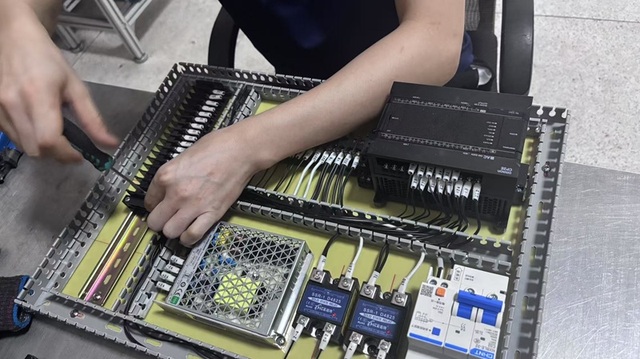
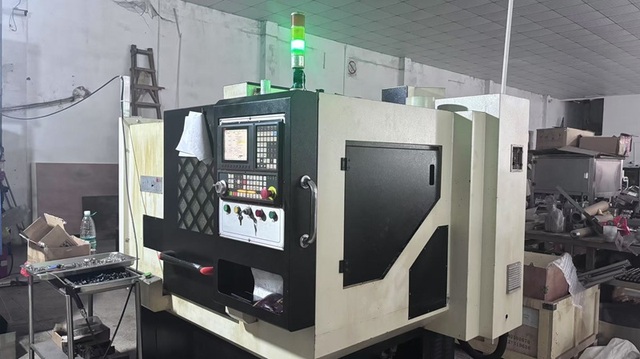
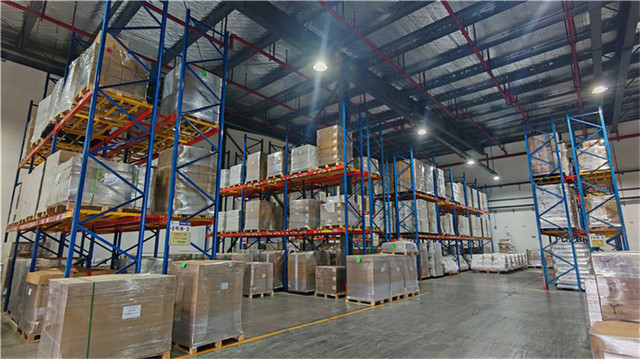
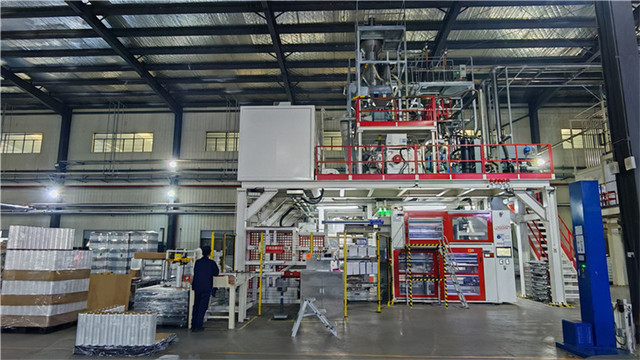
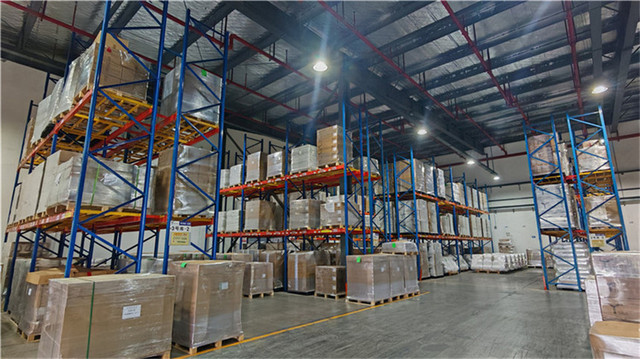
In-depth insights into equipment setup, performance metrics, and operational stability.
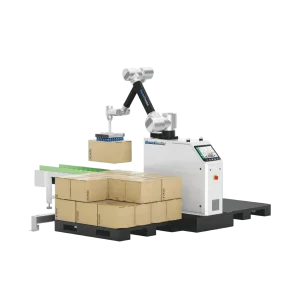
Further expand your facility with intelligent robotic material handling, case handling, and bagging solutions.


 Econe Machinery