Explore our leading collection of industrial systems engineered for food preservation, marking, and pallet automation.
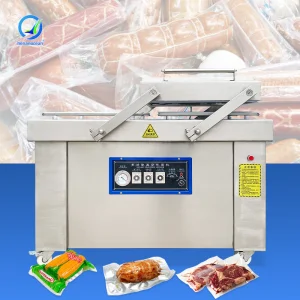
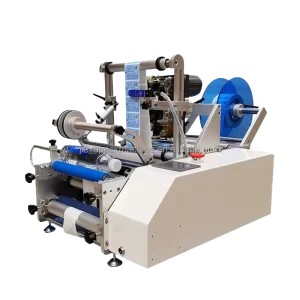

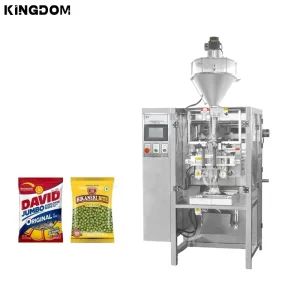
In modern industrial processing, Tray Sealing Machines have evolved from simple packaging tools to the backbone of food safety, freshness retention, and structural brand representation. Global industries ranging from fresh agricultural sectors to sterile pharmaceutical environments rely on advanced hermetic seals to protect their investments and extend shelf life.
Choosing the correct Chinese manufacturer requires understanding how equipment matches up against rigorous E-E-A-T (Experience, Expertise, Authoritativeness, Trustworthiness) criteria. A premium manufacturer does not merely weld structural frames; they design and engineer integrated systems featuring high-precision thermodynamic sealing parameters, micro-gas environment control, and absolute mechanical repeatability.
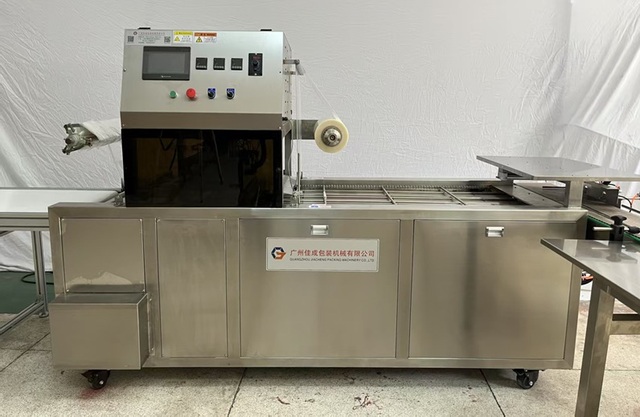
By leveraging advanced gas purge technology, Modified Atmosphere Packaging (MAP), and vacuum skin processes, these machines guarantee oxygen reduction limits below 0.5%. This technical superiority translates directly to prolonged supermarket display cycles, reduced waste, and elevated safety for global consumer markets.
Providing custom sealing heads equipped with multi-zone PID controllers to manage heat dispersion within ±0.5°C tolerance margins. This eliminates film burning and weak micro-fissures.
Integrating high-efficiency servo motors to dictate precise tray transport indexing, cutting mechanisms, and continuous speed adjustments.
Tracing the path towards intelligent packaging networks, smart materials, and high-efficiency mechanical designs.
Next-generation tray sealing lines utilize real-time telemetry sensors to track thermal variance, mechanical torque, and pneumatic pressure drops. Systems predict part degradation before downtime occurs, scheduling maintenance autonomously through cloud platforms.
Environmental standards demand the elimination of plastic waste. Advanced sealing dies now execute ultra-precise contour cutting along the tray flange, reducing film scrap by up to 15% through high-density nested cavities.
Moving beyond static gas mixtures, smart MAP systems dynamically analyze the gas composition prior to sealing. Real-time adjustments occur per cycle to offset fluctuations in input gas pressures, securing identical environments in every tray.
How specialized tray sealing configurations adapt to the distinct production constraints of diverse commercial sectors.
Handling poultry, meat, and seafood presents high microbial risks. The integration of high-pressure vacuum skin packaging (VSP) molds the barrier film securely around the product. This locks in structural juices, prevents purge, and halts bacterial propagation. Clean-in-place (CIP) and washdown stainless steel structures (IP69K rating) are mandatory to endure heavy daily sanitation cycles with aggressive foaming agents.
Convenience foods require visual shelf appeal combined with secure seals. Dual-compartment trays, alternating sauces, and variable food heights require custom-molded tooling plates. Advanced sealing machines utilize multi-stage gas purging, replacing ambient air with tailored CO₂ and N₂ configurations to protect sensory properties and prevent ingredient mixing during transit.
Medical-grade tray sealers prioritize validation. The system must register sealing temperature, dwell times, and mechanical seal pressure for every package to satisfy ISO 11607 validation guidelines. Tooling is meticulously crafted to ensure particle-free cutting, preventing plastic micro-shards from compromising cleanrooms or surgical tray components.
Unlike proteins, fresh fruits and vegetables respire. Continuous oxygen depletion leads to anaerobic decay, while excessive air accelerates ripening. Modern solutions require micro-perforated breathable films coupled with precise gas flushing. This forms a balanced Equilibrium Modified Atmosphere Packaging (EMAP) ecosystem, keeping lettuce, berries, and ready-cut vegetables crisp and free from yellowing.
Cheese and fermented products like kimchi continue to emit carbon dioxide. This outgassing can warp or rupture traditional packaging. Specialized tray sealing equipment incorporates high-barrier films with one-way degassing valves or complex breathing laminates, balancing pressure while maintaining a secure external oxygen barrier.
Non-food consumer items benefit from structural rigidity and theft prevention. High-throughput heat sealing machines bind sturdy PET or PVC blister materials directly to paperboard backings. This ensures clean, tamper-evident retail presentation, reduces shoplifting risks, and stands up to demanding logistical handling.
Combining heavy-duty machinery design, digital workflows, and global logistics to reduce cost of ownership.
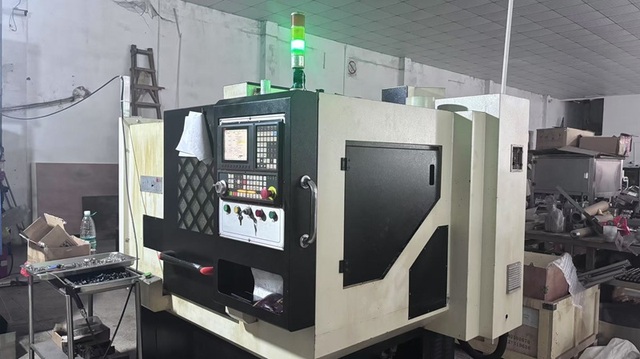
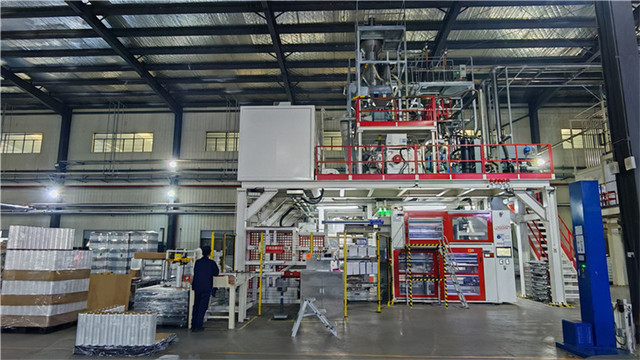
China's packaging manufacturing ecosystem has transformed. Leading manufacturers leverage Factory 4.0 methodologies, characterized by automated robotic welding lines, CNC machining blocks for tooling production, and standardized vertical component warehouses. This proximity to high-grade steel mills and electronics ecosystems results in a stable supply chain immune to minor market fluctuations.
Moreover, the incorporation of advanced modular assembly practices ensures that specialized systems can be configured, tested, and shipped in shortened lead times compared to Western counterparts. Digital twin simulations analyze prospective tooling variations virtually before manufacturing begins, bypassing traditional trial-and-error cycles and reducing tooling production time by 40%.
Through robust supply chain integration, Chinese factories provide consistent access to premium materials: anodized aluminum tooling blocks, corrosion-resistant SUS304/SUS316 stainless steel frame structures, and pneumatic components from international tier-1 suppliers. This ensures that the primary machinery architecture retains high resale value and mechanical integrity throughout decades of intensive industrial usage.
Ultimately, this localized scale translates to lower procurement costs for global enterprises. Companies secure custom, high-speed automated packaging systems that perform at equal or superior parameters to European machinery while optimizing initial capital expenditure (CAPEX).
Aligning manufacturing standards to global regulatory frameworks to ensure seamless operation and worker safety.
Leading manufacturers design systems that align with CE directives, UL electrical protocols, and CSA requirements. Machines undergo testing to certify that pressure vessels, electrical panels, and safety interlocks operate safely in any plant.
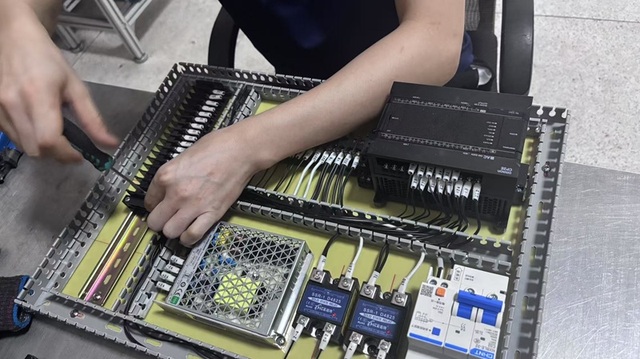
By using remote VPN connections, technicians can log into PLC control centers directly from the assembly floor in China. They run software diagnostics, modify recipe parameters, and coordinate with site engineers to minimize downtime.
To prevent localized single-source dependencies, manufacturers incorporate standardized pneumatic actuators, PLC processors, and sensors from global brands like SMC, Festo, Siemens, and Omron, facilitating rapid local sourcing.
Procurement teams seeking to optimize their packaging automation must look beyond the initial purchase price. The Total Cost of Ownership (TCO) serves as the primary metric. Key considerations include: mechanical component lifespan, film-cutting scrap rates, energy consumption metrics, and the availability of plug-and-play modular upgrades.
Developing a detailed Factory Acceptance Testing (FAT) protocol in collaboration with the manufacturer ensures all parameters are verified before shipment. The machine must run your exact production trays, films, and product configurations at full speed for consecutive hours. Verify sealing hermeticity, oxygen levels, film registration alignment, and safety gate interlocks to guarantee a smooth transition from delivery to daily production.
A tray sealing machine is part of a larger production flow. A forward-thinking procurement approach prioritizes upstream and downstream integration. Ensure the sealer's PLC can communicate with conveyor protocols, checkweighers, automated metal detectors, and robotic palletizers. Choosing open-protocol architectures prevents future vendor lock-in and allows seamless system reconfiguration as demand grows.
Ensure that the manufacturer provides detailed manuals, electrical schematics, and mechanical assembly drawings in English. This documentation empowers your in-house engineering team to handle basic diagnostics, maintenance cycles, and component swap-outs independently, sustaining peak long-term operational efficiency.
A professional industrial packaging machinery manufacturer specializing in automated systems and end-of-line solutions.
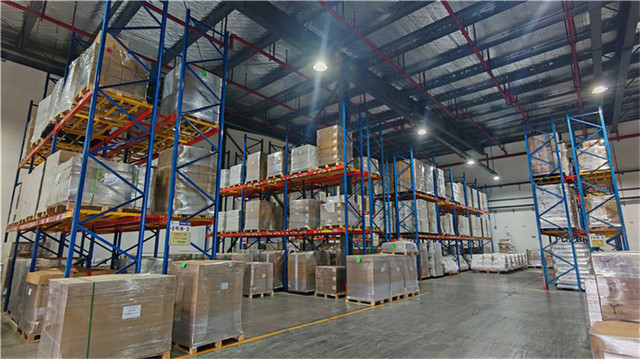
Ningbo Econe Machinery Co., Ltd. is a professional Industrial Packaging Machinery Manufacturer specializing in automated packaging systems, conveying equipment, and end-of-line automation solutions for global manufacturing industries. Based in Ningbo, China, the company focuses on the design, engineering, and production of integrated packaging machinery that helps manufacturers improve productivity, reduce labor costs, and optimize packaging efficiency.
With extensive experience in industrial automation, Econe Machinery provides a comprehensive range of solutions including automated conveying systems, product feeding equipment, weighing and counting systems, bagging solutions, wrapping systems, labeling integration, inspection systems, case handling equipment, and customized end-of-line packaging automation. These systems are widely applied in food processing, consumer goods, pharmaceuticals, chemicals, electronics, hardware, and industrial manufacturing sectors.
The company emphasizes engineering innovation, production reliability, and flexible customization. Its technical team works closely with customers to develop packaging solutions tailored to specific production requirements, factory layouts, and operational objectives. From standalone equipment to fully integrated packaging lines, Econe Machinery supports projects throughout planning, manufacturing, installation, and commissioning stages.
Equipped with modern manufacturing facilities and strict quality control procedures, Ningbo Econe Machinery is committed to delivering durable, efficient, and user-friendly equipment that meets international standards. The company continuously invests in automation technologies and intelligent manufacturing solutions to help customers adapt to evolving market demands.
Serving clients across Asia, Europe, North America, South America, the Middle East, and other international markets, Ningbo Econe Machinery Co., Ltd. strives to be a reliable partner for businesses seeking advanced packaging automation, conveying systems, and end-of-line production solutions that enhance operational performance and long-term competitiveness.
Addressing core technical questions, troubleshooting parameters, and procurement queries from global manufacturing engineers.
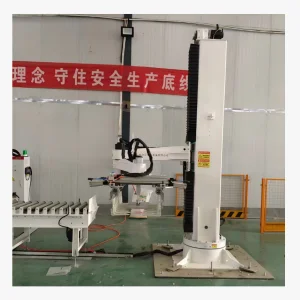
Complete your automated packaging line with high-speed material handling, palletization robots, and diagnostic inspection systems.


 Econe Machinery