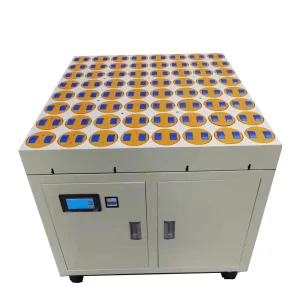
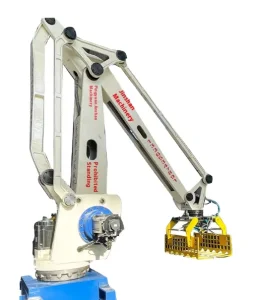
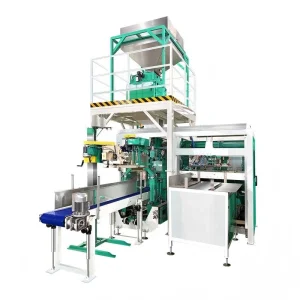
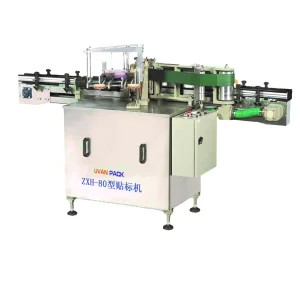
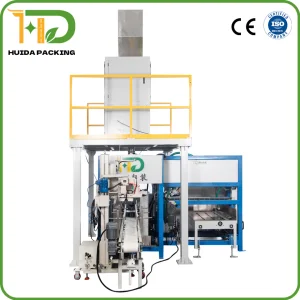
Discover our core industrial machinery designed to build automated, highly reliable manufacturing and logistical processes.
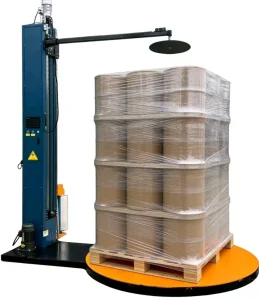
In the complex global supply chain ecosystem, the integrity of palletized goods during transit represents the boundary between profitability and catastrophic cargo loss. As manufacturing volumes expand, factories and global exporters face the persistent challenge of ensuring structural load containment while simultaneously controlling materials consumption and adhering to safety and environmental standards. Under the European Union’s CE (Conformité Européenne) directives, pallet wrapping machinery is no longer viewed merely as secondary end-of-line packaging hardware; rather, it is a critical safety system requiring strict compliance with mechanical, electrical, and operational risk mitigation standards.
Ningbo Econe Machinery Co., Ltd. stands at the forefront of this industrial transition. As a professional industrial packaging machinery manufacturer, we specialize in high-efficiency, automated packaging systems, conveying setups, and end-of-line automation solutions. Based in Ningbo, China, Econe integrates engineering precision with modern technology to deliver wrapping solutions that dramatically reduce total packaging costs (TCO) while ensuring complete regulatory compliance. Our machinery is designed to address the dynamic challenges of logistics, optimizing the distribution process for industries spanning food processing, chemicals, consumer goods, pharmaceuticals, and manufacturing.
By shifting the focus from simple manual film wrapping to automated mechanical systems with powered pre-stretch carriages, exporters can achieve massive improvements in throughput. This whitepaper analyzes the engineering aspects, international standards, commercial trends, and integration roadmaps that make CE-certified pallet wrappers an essential asset for modern industrial operations.
Understanding regional import demands, legal safety frameworks, and the physics of container transport.
CE Certification ensures the equipment complies with the Machinery Directive 2006/42/EC. This limits operational risks via emergency stops, physical containment guards, and automated tension sensors.
Compliance with the Low Voltage Directive (2014/35/EU) and Electromagnetic Compatibility (2014/30/EU) guarantees safe operation within high-voltage factory environments without interfering with nearby industrial computers.
European EUMOS 40509 test protocols dictate structural safety for cargo transport. CE-compliant wrapping systems precisely control containment force, ensuring pallets do not collapse during maritime shipping.
Exporters shipping goods into the European Union, the United States, and highly regulated markets in the Asia-Pacific region are increasingly facing inspections related to packaging compliance. Non-compliant wrapping results in cargo rejections, expensive rework at international ports, and increased insurance premiums. By standardizing on CE-certified automatic wrappers manufactured by industrial pioneers like Econe Machinery, factories establish a defensible baseline of safety, preventing cargo damage and ensuring compliance during cross-border shipping.
The primary source of waste in end-of-line packaging is the sub-optimal application of stretch film. Manual wrapping typically yields a stretch ratio of 10% to 20%, resulting in loose containment forces, punctures, and excessive film waste. In contrast, modern automatic systems utilize motorized rollers to stretch the film prior to application.
Econe Machinery integrates advanced pre-stretch modules that stretch film up to 300%+. This converts 1 meter of raw film into 4 meters of usable wrapping material. Consequently, film consumption decreases, saving resources and reducing packaging costs.
| Parameter | Manual Wrapping | Semi-Automatic Turntable | Fully Automatic Rotary Arm | Orbital Ring Wrapping |
|---|---|---|---|---|
| Throughput (Pallets/Hr) | < 10 | 20 - 45 | 50 - 90 | 100+ |
| Film Pre-Stretch Ratio | 10% - 30% | 150% - 250% | 250% - 350% | 300% - 400% |
| Containment Force Consistency | Highly Variable | High (PLC Controlled) | Excellent (Dynamic Tension) | Ultra-High (Variable Speed) |
| Labor Requirement | 100% Dedicated Manual | Operator loading required | Unattended (In-line system) | Unattended (High-Speed) |
| Optimal Applications | Small batches, light loads | Medium factories, heavy loads | Large-scale production lines | Unstable, extra-long products |
Choosing between system types depends on production throughput and load stability:
How the combination of AI inspection, IoT telemetry, and modular conveyor designs is reshaping the modern automated factory.
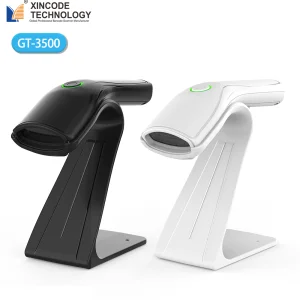
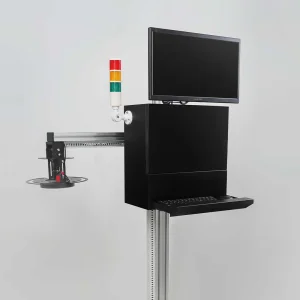
Integrating tools like the DOCOD XV01 AI-powered visual inspection system allows manufacturers to verify barcode readability and film integrity in real time, alerting operators of defects before shipment.
Synchronizing palletizers and conveyor networks ensures material flow from the production line to the logistics bay. System tracking prevents traffic bottlenecks and optimizes sorting.
Embedded sensors monitor film usage, pre-stretch tension, and power draw per pallet cycle. This provides metrics that help exporters meet global sustainability mandates.
Econe Machinery’s automation setups focus on connectivity. Incorporating Ethernet communication cards, PLC controllers, and HMI touchscreens allows our wrapping systems to easily exchange data with enterprise resource planning (ERP) platforms and warehouse management systems (WMS). This connectivity gives businesses visibility into end-of-line packaging operations.
Different materials and product types require custom end-of-line packaging designs. Here is how Econe Machinery tailors solutions for various industries:
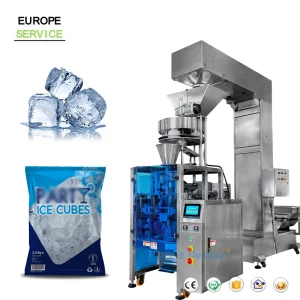
Cold chain logistics require wrapping materials that withstand high moisture levels and temperature drops down to -30°C. Our systems wrap pallets with adjustable tension curves, securing heavy items like filled bottles and canned foods while preventing condensation build-up.
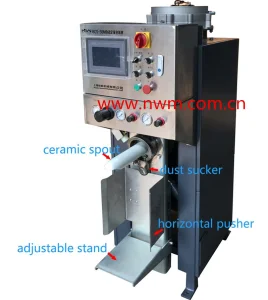
In chemical and dry mortar industries, bagging lines must handle dust exposure. Bagged materials like dry mortar, sand, and powder require secure wrapping to prevent contents from shifting. Econe's systems apply wrap patterns that reinforce corners and secure heavy bags, helping them withstand transport movement.
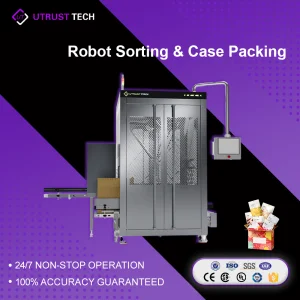
High-volume distribution centers require fast processing. Speed is critical. By pairing parcel sorting systems, robotic case packers, and high-speed stretch wrappers, warehouses can build a continuous process. This setup safely wraps diverse shapes and weight profiles, keeping dispatch bays running smoothly.
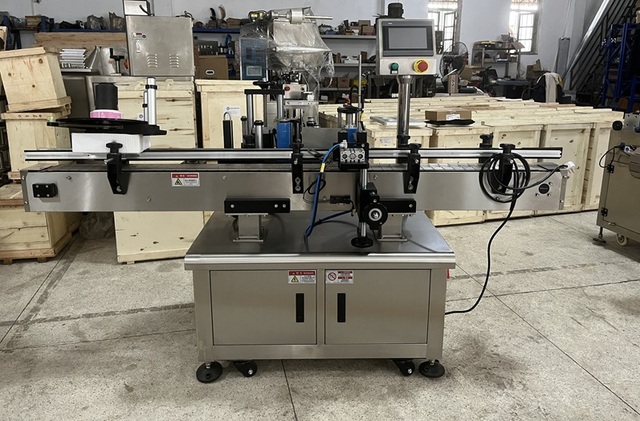
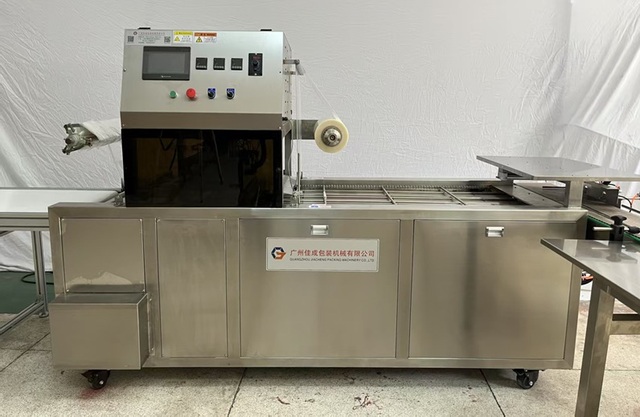
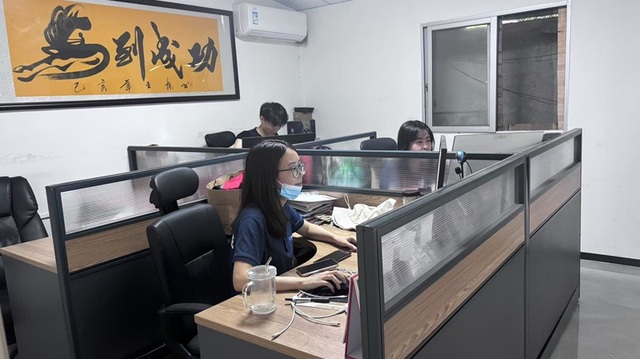
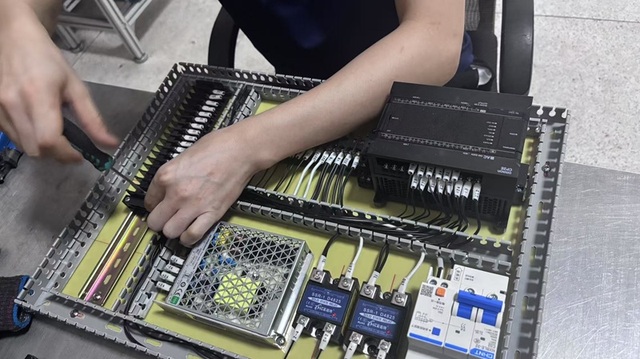
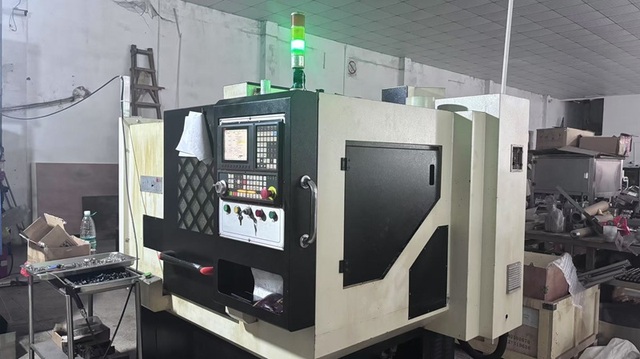
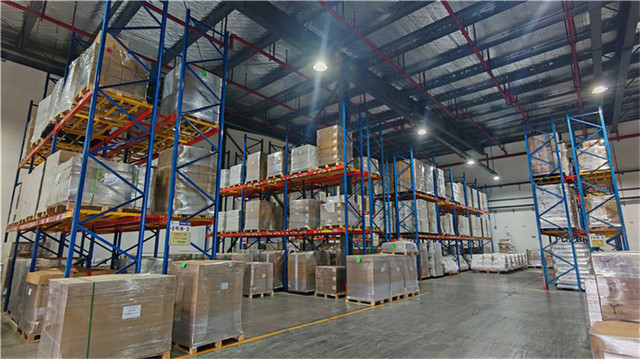
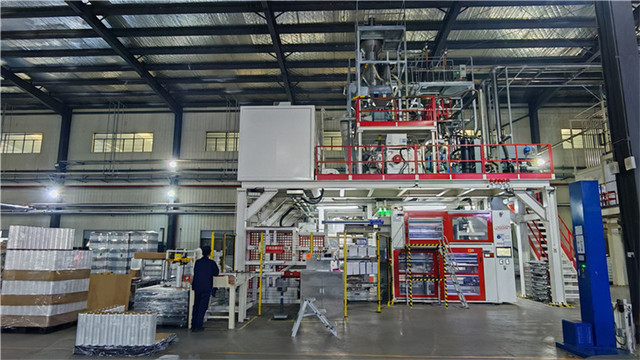
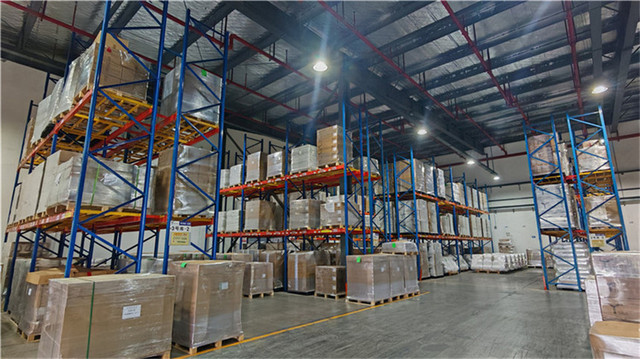
A inside look at Ningbo Econe Machinery's engineering facilities, showing quality control and advanced assembly of end-of-line machinery.
Answers to common questions regarding CE certification, load containment calculation, and film utilization optimization.
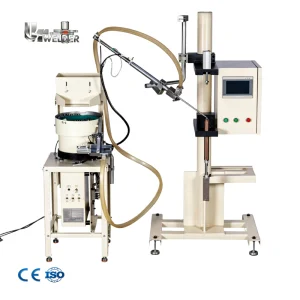
Additional systems to streamline feeding, bagging, and quality control processes across your production line.
 Econe Machinery