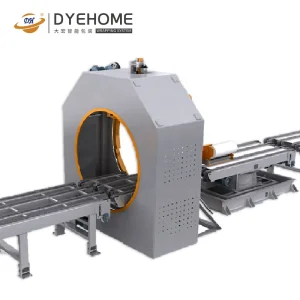
High-precision systems engineered to work hand-in-hand with state-of-the-art stretch hood packing machinery.
Understanding the physics of high-efficiency elastic containment and load unitization.
Over the past decade, the landscape of heavy-duty industrial shipping logistics has transformed radically. Standard processes like traditional turntable rotary stretch wrapping and energy-intensive shrink wrapping are yielding market share to Stretch Hood Packaging technology. Unlike stretch wrappers that rely on rotational friction and layers of overlapping thin film, stretch hooding uses a continuous, seamless tube of gusseted elastic film. This tube is mechanically gathered, stretched three-dimensionally over a heavy pallet load, and released to return to its original form, creating an incredibly secure hold.
By leveraging the inherent elasticity of high-performance polymer blends (primarily Metallocene LLDPE and EVA), a stretch hood wrapper applies multi-directional tension: vertical tension pulling down to lock the load firmly to the pallet structure, and horizontal force holding individual units together. This dual-axis containment minimizes shifting during long-haul transport and reduces structural fatigue failures common in palletized loads.
From an environmental perspective, stretch hooding presents a monumental leap forward. Traditional shrink hood setups require gas or electric heat tunnels to shrink pre-bagged LDPE film over product configurations. These systems pull high energy loads and pose clear factory fire hazards. Stretch hooding operates entirely cold, using the material's mechanical memory to wrap loads. It eliminates carbon emissions related to thermal heating and reduces overall plastic mass per unit palletized. For high-volume producers, shifting to stretch hooding is a vital step toward meeting Scope 1 and Scope 2 environmental reduction mandates.
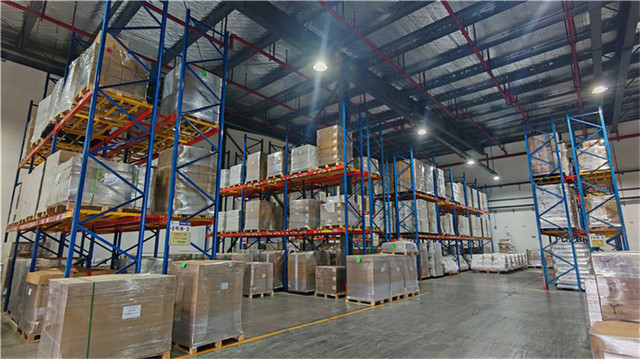
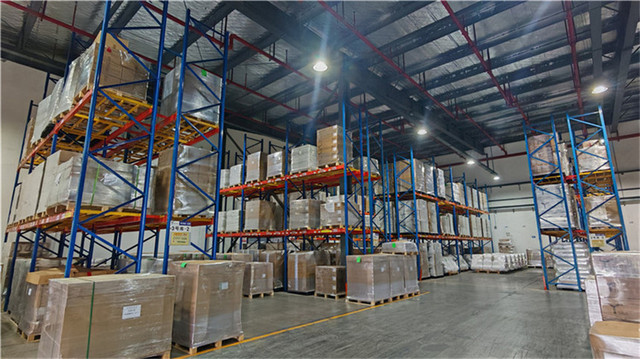
As factories move toward lights-out, fully autonomous material handling models, reliability is critical. Stretch hooding prevents typical downtime triggers like loose tails triggering optical laser scanners, uneven wrapping profiles jamming conveyor guides, or loose wrapping tearing on warehouse racking.
Key technical parameters procurement officers evaluate when optimizing their end-of-line packaging.
Industrial procurement teams no longer purchase packaging film by weight; instead, they purchase based on structural stability metrics. High-containment stretch hooding ensures chemical powders, heavy aggregate construction bags, or delicate domestic home appliances remain perfectly stationary. System engineers carefully calculate the residual tension required to ensure structural stability without crushing internal packaging materials.
When shipping building stones, dry-mix concrete bags, or sharp electronic packaging, normal film is prone to rupturing. Premium stretch hood formulations incorporate metallocene-based catalysts to achieve high dart-impact strength. This high-density protection prevents structural splits from expanding, preserving load integrity even under harsh transport conditions.
Outside storage is standard practice in industrial sectors like cement manufacturing and outdoor agricultural distribution. High-grade stretch hoods incorporate UV inhibitors directly into the co-extruded film layers (typically 3-layer or 5-layer co-extrusion). This locks out solar degradation for up to two years, keeping water, humidity, and dirt completely separated from the cargo.
How Ningbo Econe Machinery integrates high-performance automation into global shipping systems.
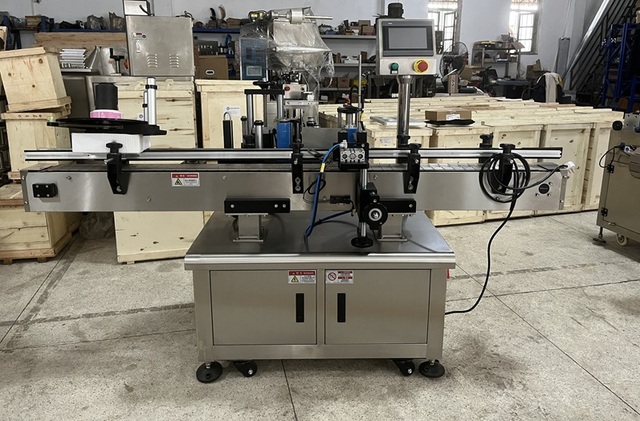
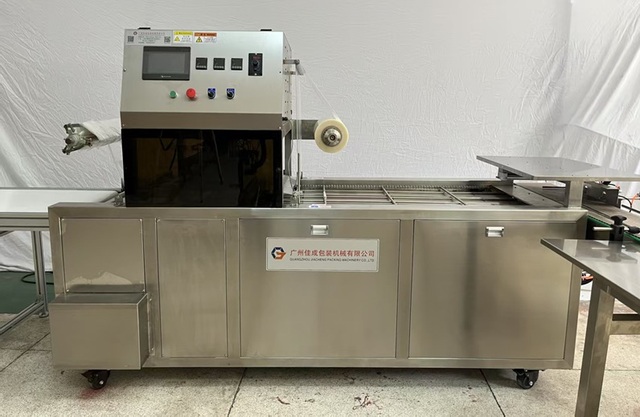
Ningbo Econe Machinery Co., Ltd. is a leading Industrial Packaging Machinery Manufacturer specializing in automated packaging systems, conveying equipment, and end-of-line automation solutions for global manufacturing industries. Based in the logistics hub of Ningbo, China, Econe designs, engineers, and manufactures integrated packaging systems that help businesses improve productivity, reduce labor costs, and optimize packaging efficiency.
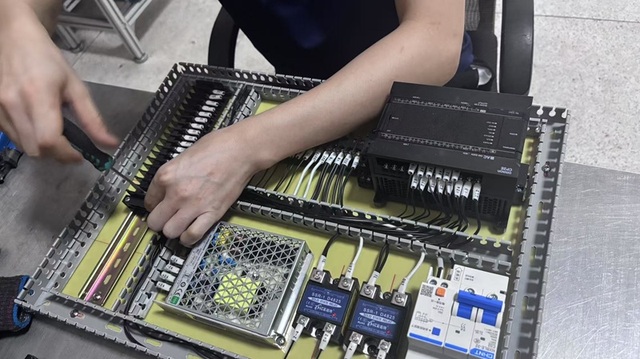
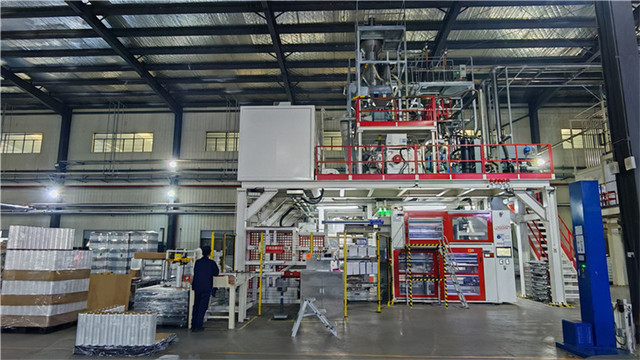
By blending China's Factory 4.0 advanced manufacturing capabilities with European component standards, Econe delivers premium-grade engineering. Integrating components from world-class providers like Siemens PLCs, Festo pneumatics, Sick sensors, and SEW-Eurodrive motors ensures Econe machinery operates seamlessly on factory floors worldwide. Econe's intelligent stretch hooding and end-of-line wrapping systems are engineered for uninterrupted operation in high-demand industrial environments.
Econe Machinery's focus on engineering innovation and flexible customization is visible at every stage, from initial design to final setup. Their technical team works closely with global clients to develop packaging systems tailored to specific line speeds, weight constraints, and product configurations. Their technical expertise ensures that their systems—from standalone equipment to turnkey lines—integrate seamlessly with upstream manufacturing and downstream warehousing setups.
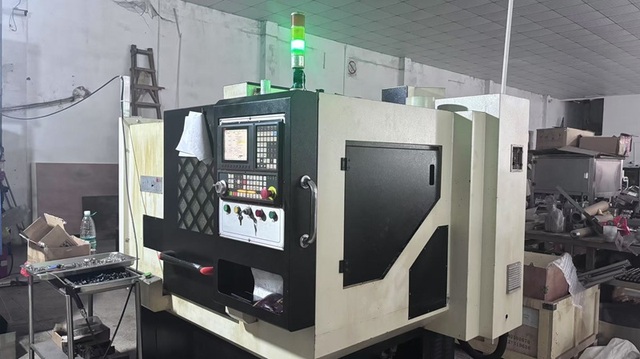
Modern production facilities and strict quality control protocols ensure all Econe equipment complies with CE and international industrial safety standards. For global procurement officers, partnering with Econe offers a balanced blend of reliable build quality, fast project execution, and long-term cost efficiency.
How different industries implement stretch hood systems to resolve logistics challenges.
High-speed lines packing raw plastics, resins, or chemical powders into bags face challenges with shifting, dust, and environmental exposure. Stretch hood systems seal all 5 sides of the load, preventing powder leaks and protecting materials from moisture during outdoor storage.
Heavy loads of cement, bricks, and roof tiles can shift and damage standard stretch wrap. The high-tension containment forces of stretch hooding secure irregular, abrasive shapes, preventing load shifting on flatbed delivery trucks.
Condensation can damage canned foods and agricultural products wrapped in standard materials. Stretch hood systems can be configured with ventilated films to allow heat dissipation and air circulation, preventing mold and keeping products dry.
Expert answers to common engineering, procurement, and setup questions.
A stretch wrapper wraps layers of thin, prestretched film around a rotating pallet load. A stretch hood machine uses a gusseted sleeve of thicker, elastic film that is mechanically opened, stretched, and pulled down over the load in a single vertical motion. This creates an airtight, five-sided protective layer with excellent vertical holding force, whereas standard stretch wrap leaves the top open unless a separate sheet dispenser is used.
Yes. Most modern stretch hood machines are engineered to fit smoothly into automated end-of-line configurations. Econe Machinery specializes in designing systems with standardized PLC protocols, allowing the wrapping unit to communicate with upstream palletizers, labeling systems, and automated guided vehicles (AGVs) on the warehouse floor.
Stretch hood systems operate using specialized elastic films made from Metallocene Linear Low-Density Polyethylene (mLLDPE) blended with Ethylene Vinyl Acetate (EVA). The LLDPE provides puncture resistance and elasticity, while EVA enhances elasticity and recovery force, ensuring the film holds its tension over long transport cycles.
Stretch hood packaging reduces TCO in three main ways: it eliminates the heat energy costs of shrink systems, cuts plastic film consumption by up to 40% compared to heavy-wrap configurations, and speeds up throughput. This efficiency translates into significant energy and material savings over high-volume production cycles.
Yes. Because stretch hood systems operate cold without needing heat shrink tunnels, they are ideal for cold-storage or blast-freezing facilities. Special film blends can be selected to maintain elasticity at temperatures below freezing without cracking or losing holding force.
High-throughput machinery and equipment engineered to optimize modern production facilities.
 Econe Machinery