In modern industrial logistics, protective packaging serves as the definitive shield between manufacturing precision and transport vulnerability. Global supply chains mandate that products, whether food components, chemical formulations, heavy electronics, or automotive parts, survive severe mechanical stress and varying atmospheric conditions during transit.
Shrink wrapping has evolved from basic heat-sealing methods into a highly engineered technology stack. Utilizing precise polymer dynamics—primarily through biaxially oriented Polyolefin (POF) or durable Low-Density Polyethylene (LDPE) films—contemporary shrink wrappers produce tightly bound, hermetically secure enclosures. This approach optimizes pallet load integrity, protects against dust and moisture, and provides crucial visual proof of tampering.
As sustainability requirements intensify worldwide, manufacturers face the challenge of reducing film thickness while maintaining tensile strength. This requires wrapping machinery that can manage precise temperature control, film tension, and sealing timing without compromising structural safety.
A professional Industrial Packaging Machinery Manufacturer specializing in automated packaging systems, conveying equipment, and end-of-line automation solutions for global manufacturing industries.
Based in Ningbo, China, Econe Machinery designs, engineers, and produces integrated packaging systems that improve plant productivity, reduce manual labor costs, and optimize packing line speeds.
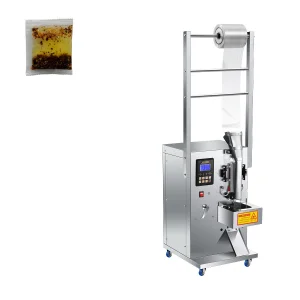
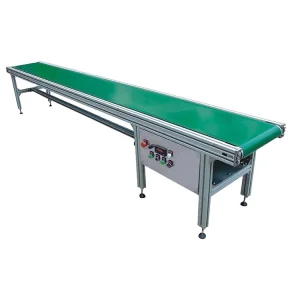
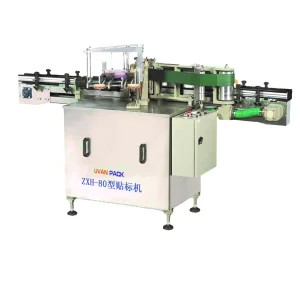
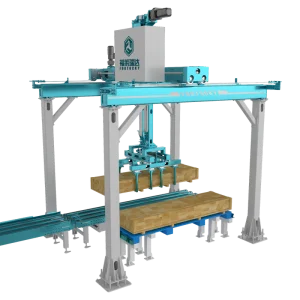
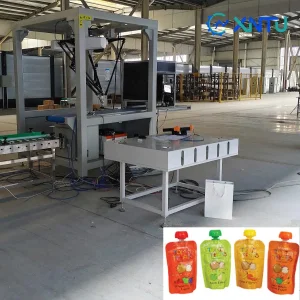
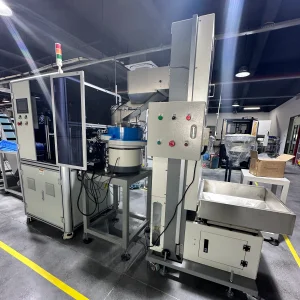
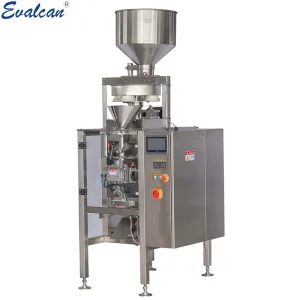
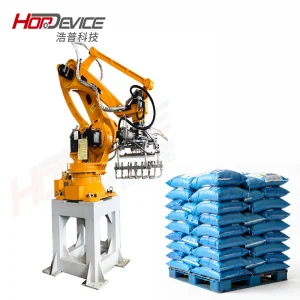
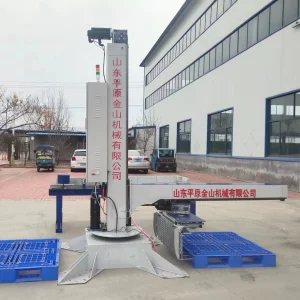
We provide a comprehensive range of systems: automated conveying, product feeding, weighing, counting, bagging, wrapping, labeling, inspection, case handling, and robotic palletization.
Our systems comply with CE and FDA standards. Working across Europe, North America, South America, Asia, and the Middle East, we build reliable lines that help businesses remain competitive.
China's industrial manufacturing ecosystem offers unique scale and structural advantages. At Ningbo Econe Machinery, we combine local supply chain efficiency with advanced engineering practices to deliver high-performance wrapping solutions.
Our localization strategy centers on structural reliability and components built to global standards. By fabricating our frames from high-grade structural stainless steel and using world-class control parts (Siemens PLCs, Festo Pneumatics, Sick Sensors), we deliver high reliability at competitive price points.
Our Ningbo location near major deep-water ports simplifies transport logistics. We can manage rapid component sourcing, construct large-scale systems, and export globally, reducing deployment times for international operations.
Industrial shrink wrapping must handle varied dimensions, speeds, and environmental demands depending on the sector. Below is an overview of how our solutions address these distinct requirements:
| Target Industry | Specific Challenges Addressed | Optimal Film & Sealing Style | Required Automation Interfacing |
|---|---|---|---|
| Food & Beverage | Resisting washdown procedures, protecting against bacteria, and running at high speeds. | Biaxially oriented POF film; L-Sealer / continuous side sealer. | Stainless steel conveyors, rotary tables, and washdown-safe tunnels. |
| Consumer Goods | Visual retail packaging quality and quick changeovers for varied product shapes. | Thin, high-clarity POF film; chamber or automatic L-Bar wrapping. | Multi-lane feeding systems, collators, and smart cartoning machinery. |
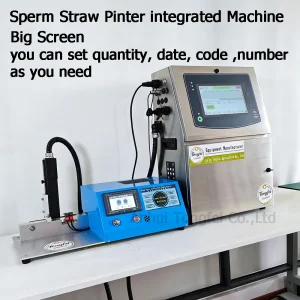
| Pharmaceuticals | Strict batch tracking, serial numbers, heat-sensitive products, and secure seals. | Low-temperature POF shrink film; high-speed continuous motion wrapping. | Vision inspection systems, batch coders, and reject gates. |
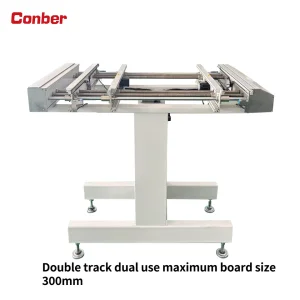
| Electronics & SMT | Preventing ESD (electrostatic discharge), managing moisture, and gentle handling. | Anti-static specialty films; horizontal shrink wrapping systems. | Dual-track SMT conveyors, ESD belts, and pick-and-place robots. |
| Logistics & Distribution | Managing diverse item geometries and securing heavy loads for transport. | Heavy-gauge LDPE shrink/stretch film; transit heat tunnels. | Robotic palletizers, case packers, and warehouse management software (WMS). |
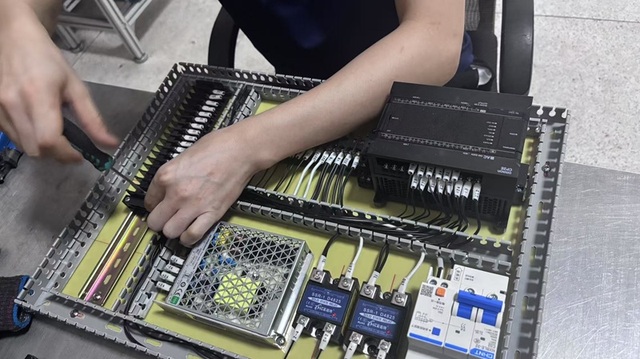
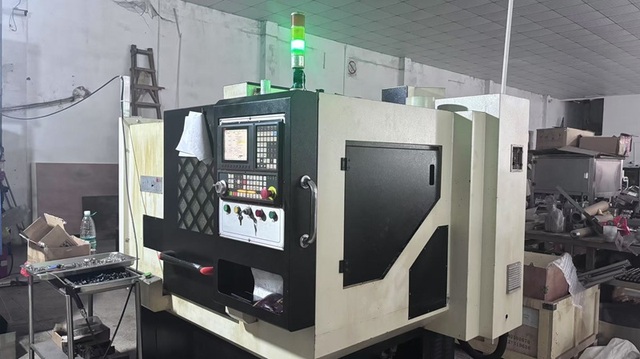
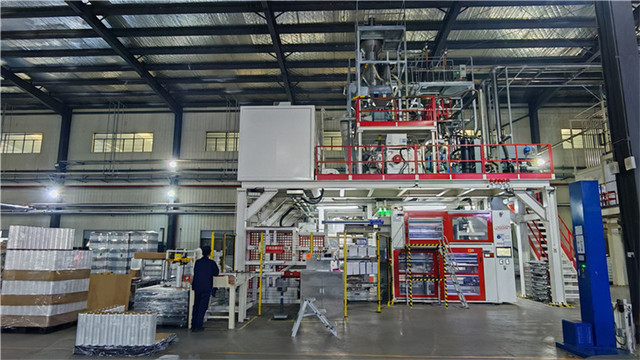
Our plant features modern machining centers, precision laser cutting, and test assembly bays. Every system undergoes rigorous test cycles using our customers' actual packaging materials before export.
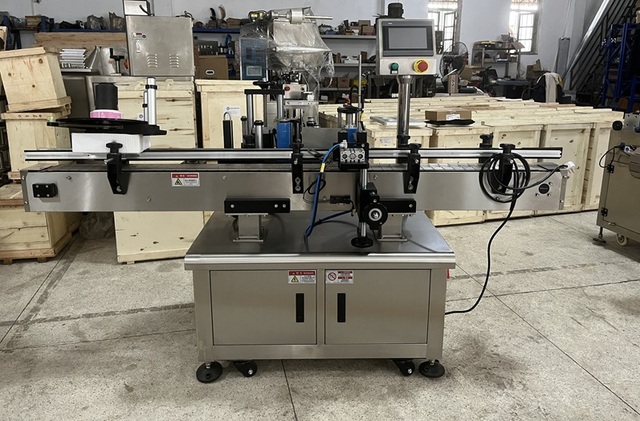
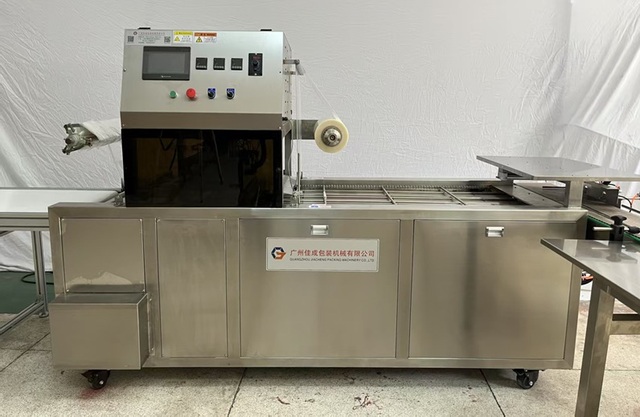
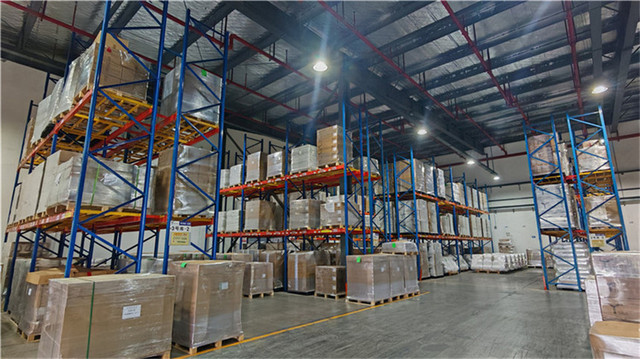
Modern packaging lines are increasingly integrated and software-driven. Legacy, standalone machinery that requires manual adjustments is being replaced by intelligent, connected networks that adapt to changes in product flow in real time.
Replacing traditional pneumatic cylinders with servo motors allows for precise control of jaw movements. This helps ensure consistent sealing pressure and reduces maintenance down-time.
Modern heat tunnels must accommodate bio-based films (like PLA) and PCR (Post-Consumer Recycled) materials. This requires precise, multi-zone PID temperature controls to prevent issues with thinner or less heat-resistant films.
IO-Link sensors monitor heating element resistance, motor currents, and pneumatic pressure. The system alerts operators before components wear out, helping to prevent unscheduled shutdowns.
When purchasing wrapping systems, focusing only on the initial purchase price can lead to higher long-term costs. Global procurement managers calculate TCO by looking at five key variables:
TCO = Purchase Price + (Film Waste/yr) + (Energy Draw * Rate/yr) + (Labor Cost/yr) + (Downtime Loss/yr)
By using smart film-tension systems and energy-efficient heating tunnels, Econe machinery is designed to help reduce these ongoing operational expenses.
When sourcing secondary packaging systems, evaluating key technical parameters helps ensure the machinery aligns with your factory goals. Consider these key factors:
Ensure the wrapping system can match your maximum upstream output. For lines running over 60 packs per minute, continuous motion wrappers are usually preferred over L-Bar sealers.
Choose a system that can run the standard film types used in your region, whether it is high-clarity POF for retail or thicker LDPE for transit stability.
Opt for machinery that supports standard communication protocols (like EtherNet/IP or Profinet) so it can share data with your existing line control systems.
Technical questions regarding operating specs, film limits, and structural options for Econe wrapping and packaging lines.
 Econe Machinery