The packaging machinery industry is on the brink of transformation. As technology advances, companies must adapt to new trends and consumer demands. Understanding what is the future of packaging machinery is crucial for industry professionals. This insight helps in making informed decisions that can drive growth.
Emerging technologies will redefine how packaging is designed and produced. Automation and smart manufacturing are expected to play significant roles. Yet, some companies struggle to keep pace with these changes. This creates an opportunity for others to innovate and lead.
Consumers are more conscious of sustainability. Therefore, packaging solutions must evolve accordingly. However, challenges persist in creating eco-friendly materials that do not compromise quality. The future of packaging machinery will require a balance between efficiency and responsibility. Addressing these concerns will ultimately shape the industry's direction.
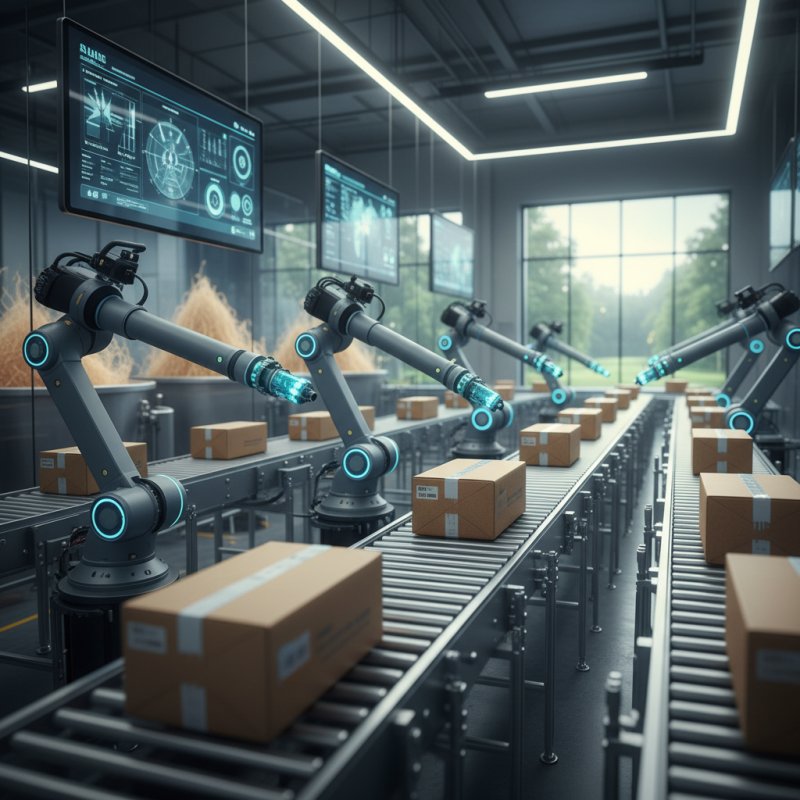
The evolution of packaging machinery has been nothing short of remarkable. From simple hand-operated tools to today's sophisticated automated systems, each era has contributed unique advancements. Early machines were often slow and labor-intensive. They relied on human skills, which introduced variability in quality. Over time, the demand for efficiency and consistency drove innovations in design and technology.
Modern packaging machinery integrates robotics and AI. This has transformed production lines into smart environments. However, this technology doesn't come without challenges. Maintenance can be complex. Staff must be trained to operate and troubleshoot new systems. Outdated machines can become bottlenecks, impacting overall productivity.
Tips for understanding these changes: Stay informed about industry trends. Attend trade shows and webinars. Engage with experts in packaging technology for insights. Continuous learning is vital as machinery and techniques evolve. Embrace the changes but remain aware of potential pitfalls in integration and training. Each advancement offers opportunities, yet can also introduce risks that need careful management.
| Year | Innovation | Impact on Industry | Key Features |
|---|---|---|---|
| 1950s | Introduction of Automation | Increased Efficiency | Reduced manual labor, faster production |
| 1970s | Development of Flexible Packaging | Diverse Packaging Options | Lightweight materials, extended shelf life |
| 1990s | Advent of Digital Printing | Customization in Packaging | High-quality prints, short runs |
| 2000s | Emphasis on Sustainability | Eco-Friendly Practices | Biodegradable materials, recyclability |
| 2020s | Integration of IoT | Smart Packaging Solutions | Real-time tracking, predictive maintenance |
The future of packaging machinery is being shaped by several key technologies. Automation stands out as a dominant force. Robotic systems are improving efficiency and precision in packaging lines. They can handle various products without human intervention. This change may reduce labor costs but requires skilled technicians for maintenance.
Another crucial technology is smart packaging. Sensors and RFID tags are revolutionizing how products are tracked. These advancements enhance supply chain transparency. However, the integration of these technologies introduces complexities. Companies need to navigate data management and cybersecurity challenges.
Sustainability is also driving innovation. Manufacturers are focusing on eco-friendly materials and processes. This trend is reshaping design and production. Yet, not all sustainable solutions are feasible for every business. Balancing cost and environmental impact remains a tough challenge. Embracing these technologies requires careful consideration and strategic planning.
Sustainability is reshaping the packaging machinery industry. Companies are increasingly prioritizing eco-friendly materials. This shift influences the design and production processes. Packaging machines must now accommodate recyclable and biodegradable materials. Manufacturers face challenges in adapting to these new requirements.
Energy efficiency is another critical trend. Machines need to consume less power while maintaining performance. Users are looking for ways to reduce their carbon footprint. Innovations in technology can help create more efficient designs. However, not all solutions are proven or widely adopted yet.
Investing in sustainable machinery involves risks. It requires upfront costs and potential disruptions. Moreover, not every company understands the long-term benefits. Leaving these considerations unchecked may lead to regrets later. Balancing sustainability with operational efficiency is complex. This challenge urges industry leaders to rethink their strategies.
Automation and robotics are revolutionizing the packaging industry. These technologies increase efficiency and reduce labor costs. According to a report by Smithers Pira, the global packaging automation market is projected to grow at a CAGR of 7.8% from 2021 to 2026. This growth highlights the increasing reliance on robotic solutions in production lines.
The integration of robotic arms enhances precision and speed in packaging processes. They can operate in various environments, adapting to multiple product types. This flexibility leads to shorter production times, which is crucial for meeting consumer demand. However, while many companies invest heavily in automation, some may underestimate the need for skilled operators. Proper training is essential for maximizing a system’s potential.
Tip: Focus on training your workforce to adapt to automation. This helps bridge the skills gap and ensures that operators understand the machinery they work with.
Embracing smart packaging technologies is also vital. Smart sensors and IoT connectivity provide real-time data, enabling better decision-making. However, reliance on technology can introduce risks. Issues like system malfunctions and cybersecurity threats require ongoing assessments. A balanced approach, considering both automation benefits and potential pitfalls, is necessary for future success.
Tip: Regularly audit your automation systems. Identify weaknesses and enhance your cybersecurity measures. This keeps your operations resilient and secure in a rapidly evolving industry.
This chart illustrates the projected growth of the packaging machinery market from 2019 to 2024, highlighting the increasing importance of automation and robotics in modern packaging solutions.
The future of packaging machinery faces several challenges. Sustainability is a pressing concern. Companies must innovate to reduce waste. This means incorporating biodegradable materials and energy-efficient designs. However, achieving these goals can be complex. Many existing machines are not built for eco-friendly production. Adapting them requires significant investments and engineering expertise.
Technological advancements are also transforming the industry. Automation and robotics enhance efficiency. These technologies reduce labor costs and increase precision. Yet, integrating new systems can be daunting. Training staff to use complex machinery is essential. The learning curve may slow down operations initially.
Balancing innovation with practicality is crucial. Every new feature must offer tangible benefits. Striking this balance is not always easy. Moreover, as consumer needs evolve, packaging designs must keep pace. Understanding these dynamics is vital for successful operations. Companies should stay informed and be ready to adapt. Future packaging machinery will reflect a blend of creativity and functionality.
: The demand for efficiency and consistency has pushed advancements in design and technology.
Modern machines integrate robotics and AI, improving speed and accuracy compared to labor-intensive early tools.
Maintenance can be complex, and staff require training to operate new technology effectively.
Continuous learning helps companies adapt as machinery evolves and avoids pitfalls in integration.
Robotic systems enhance efficiency and precision, but skilled technicians are needed for their upkeep.
Companies prioritize eco-friendly materials, impacting design and requiring adaptation in production processes.
Machines must consume less power while still performing well to reduce overall carbon footprints.
Upfront costs and potential disruptions can make companies hesitant to adopt sustainable solutions.
Companies face challenges in data management and must address cybersecurity issues with new tech.
Ignoring these trends may lead to regrets as balancing efficiency with environmental concerns is complex.
The future of packaging machinery is poised for significant transformation driven by technological advancements and evolving market demands. Understanding this future involves examining the historical evolution of packaging machinery and the key technologies that are currently shaping its trajectory. Innovations such as automation and robotics are leading the way in enhancing efficiency and flexibility in packaging solutions, enabling industries to adapt to the fast-paced nature of modern production.
Moreover, sustainability trends are increasingly influencing the design and development of packaging machinery, as companies seek eco-friendly alternatives and materials to meet consumer and regulatory expectations. However, challenges remain, including the need for continuous innovation and the integration of new technologies to address these demands effectively. Ultimately, what is the future of packaging machinery will be defined by its ability to merge efficiency, sustainability, and advanced technology in a rapidly changing landscape.
Econe Machinery