Top 10 Benefits of Automated Packaging Systems for Businesses?

Time:2026-07-18 Author:Henry
0%

Automated packaging systems have gained significant attention in recent years. Many businesses are eager to discover what are the benefits of automated packaging systems. Industry expert Dr. Emily Harper states, "Automated packaging not only boosts efficiency but also enhances product safety." This reflects the growing recognition of automation in packaging.

Companies increasingly rely on these systems to streamline operations. Automation reduces labor costs and minimizes human error. It also speeds up production times, which is critical in today’s fast-paced market. For example, an automated line can process thousands of packages per hour. This efficiency translates directly to improved profitability.

Yet, there are challenges to consider. Initial costs can be high, and not every business may see an immediate return on investment. Additionally, technology may require ongoing adjustments to maintain optimal performance. Investigating what are the benefits of automated packaging systems reveals both positive impacts and areas for improvement. More businesses should weigh these factors when exploring automation options.
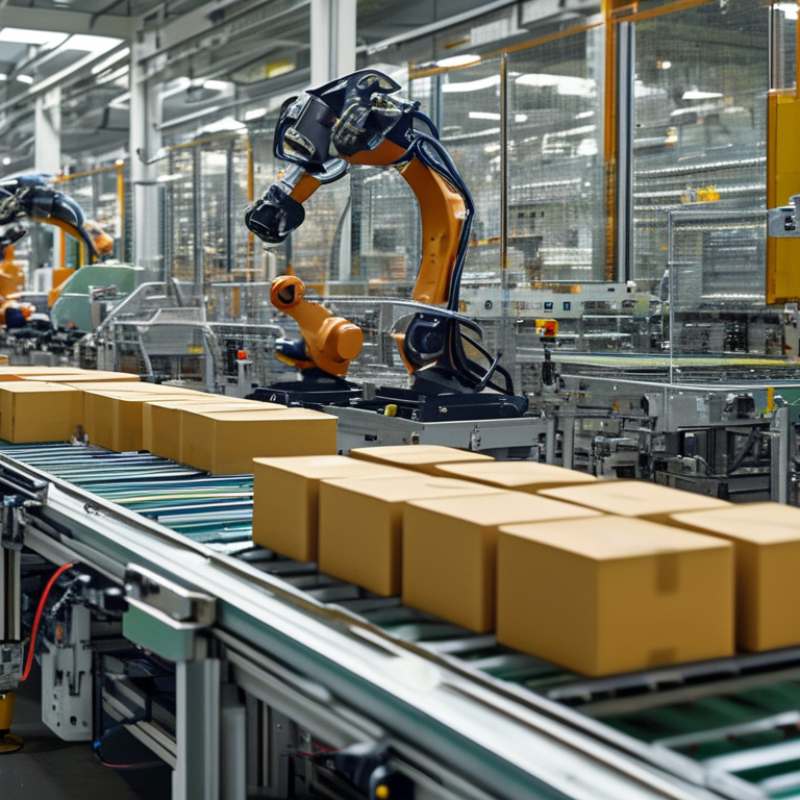
Top 10 Benefits of Automated Packaging Systems for Businesses?

Benefits of Increased Efficiency with Automated Packaging Systems

Automated packaging systems have revolutionized efficiency in various industries. Recent studies indicate that businesses can achieve a 25% increase in productivity by implementing these systems. This improvement is due to reduced manual intervention, allowing staff to focus on higher-value tasks. Automation minimizes human error, which is a significant factor in packaging mistakes. According to industry reports, errors in manual packaging can cost companies between $1,500 to $3,000 per incident.


Further, automated systems operate at a consistent speed. This ensures that production lines maintain output levels without the dips caused by human fatigue. In fact, automation can increase packaging throughput by up to 30%. This efficiency translates to quicker turnaround times, essential in today’s fast-paced market. Data shows that companies leveraging automated solutions see reduced labor costs by nearly 20%.


However, adopting automated systems isn't without challenges. Initial investment can be high. Plus, the transition requires employee retraining. Some companies report short-term disruption during implementation, highlighting a need for careful planning and execution. Balancing automation with human oversight is crucial. Despite its drawbacks, the trend towards automation appears steady. The benefits are substantial, pointing to a future where efficiency is paramount.

Cost Savings Associated with Reducing Labor in Packaging Processes

Automated packaging systems offer significant cost savings by reducing the need for manual labor. By automating packaging processes, businesses can minimize labor costs. This shift reduces the number of employees needed on the production line. Companies can redirect these savings towards other critical areas, such as research and development. This is a strategic move many companies find beneficial.

Moreover, automation helps in maintaining consistency and efficiency. Labor-intensive packaging can lead to errors, inconsistencies, and waste. Automated systems provide precision that manual work often lacks. However, implementing these systems comes with challenges. There can be initial costs and a learning curve for staff. Some employees may resist changes, fearing job loss.

Despite these concerns, the long-term benefits of automation typically outweigh the drawbacks. Companies can see quicker returns from saved labor costs and increased output. Investing in training helps smooth transitions. Embracing technology may initially seem daunting. Still, adapting to automated packaging processes can enhance overall productivity and profit margins.

Improved Product Consistency and Quality through Automation

Automated packaging systems have revolutionized the way products are packed and delivered. One major advantage is the improvement in product consistency. Consistency is critical in maintaining quality across batches. Research indicates that businesses using automated systems report a 25% increase in packaging uniformity. This reliability enhances customer satisfaction and trust in the brand.

Quality control becomes more efficient with automation. Sensors and cameras in packaging equipment can detect defects at high speeds. According to a study by the Institute of Packaging Professionals, automated systems reduce packaging errors by 50%. This reduction can significantly decrease product recalls and associated costs, offering businesses a competitive edge.

Tip: Regularly assess your automation systems. Ensure they adapt to changes in product designs or materials to maintain quality.

Reflecting on implementation challenges is essential. Initial costs for automated systems can be high. However, the long-term benefits often outweigh the initial investment. Businesses must critically evaluate their processes to ensure smooth integration of these technologies.

Tip: Train staff thoroughly on new systems. Human error can occur during transitions, impacting quality.

Enhanced Flexibility and Scalability for Dynamic Business Needs

Automated packaging systems have become essential for businesses seeking enhanced flexibility and scalability. With consumer demands fluctuating rapidly, companies must adapt quickly. Research indicates that businesses utilizing automated solutions can increase their throughput by as much as 40%. This capability allows them to respond effectively to changing market conditions.

Another crucial aspect is the adaptability of automated systems. They can be programmed to handle a variety of products with minimal downtime. According to a report from the International Society of Automation, 76% of industrial companies reported improved operational efficiency after adopting automated packaging. This efficiency enables businesses to scale their operations without overhauling their entire production line.

While automation offers significant benefits, it is not without challenges. Integration into existing workflows can be complex. Employees may require additional training, which can temporarily disrupt operations. Striking a balance between automation and human oversight is essential for maximizing the benefits of these systems, ensuring businesses remain competitive while managing transition hurdles.

Top 10 Benefits of Automated Packaging Systems for Businesses

Reduction of Material Waste and Environmental Impact in Packaging

Automated packaging systems have gained popularity due to their ability to reduce material waste. In traditional packaging, nearly 30% of materials can go unused or become waste. This number highlights a significant risk for businesses seeking sustainability. Automated systems can optimize material usage by precise measurements and minimizing excess.

Research shows that companies adopting these systems can reduce their environmental impact. According to a report by the Sustainable Packaging Coalition, companies that implement automated solutions have cut material waste by up to 50%. This transition not only lowers costs but also enhances brand reputation. Sustainability is no longer optional; it is essential for attracting eco-conscious consumers.

However, the shift to automation isn’t flawless. Businesses often face upfront costs and the need for staff training. Integrating new technology requires time and resources. Every operation has its challenges, and companies must evaluate whether the long-term benefits justify the initial investments. Balancing efficiency with environmental responsibility is crucial for successful implementation.

FAQS

: What are the productivity benefits of automated packaging systems?

: Companies can achieve up to a 25% increase in productivity with automated packaging.

How does automation reduce packaging errors?

Automation minimizes human error, a major cause of packaging mistakes, which can be costly.

What is the impact of automation on labor costs?

Businesses can reduce labor costs by nearly 20% when adopting automated solutions.

Can automated systems maintain consistent production speed?

Yes, automated systems operate consistently, avoiding dips caused by human fatigue.

What challenges do businesses face when implementing automation?

The initial investment can be high, and staff may need retraining during the transition.

How does automation affect material waste in packaging?

Automated systems can cut material waste by up to 50% by optimizing usage and minimizing excess.

Why is sustainability important for companies today?

Sustainability attracts eco-conscious consumers and enhances brand reputation, making it essential for businesses.

Are there short-term disruptions when transitioning to automation?

Some companies report disruptions during the implementation phase, indicating a need for careful planning.

Is balancing automation and human oversight necessary?

Yes, a balance between automation and human oversight is crucial for successful operations.

Are the long-term benefits of automation always clear?

Companies need to evaluate if long-term benefits outweigh initial challenges and costs of automation.

Conclusion

Automated packaging systems offer numerous advantages that can significantly enhance business operations. One of the key benefits is increased efficiency, as these systems streamline the packaging process, allowing for higher production speeds and reduced manual labor. This leads to substantial cost savings, as businesses can lower labor expenses while maintaining output levels. Additionally, automation contributes to improved product consistency and quality, ensuring each package meets the same high standards.

Another important aspect is the enhanced flexibility and scalability that automated systems provide, allowing businesses to adapt quickly to changing demands. Furthermore, automated packaging helps reduce material waste and lessen environmental impact, making operations not only more efficient but also more sustainable. In summary, when considering what are the benefits of automated packaging systems, businesses can look forward to improved efficiency, cost-effectiveness, quality consistency, adaptability, and a positive environmental contribution.

Henry

Henry

Henry is a dedicated marketing professional with a profound expertise in the company's offerings. With years of experience in the industry, he possesses an impressive understanding of the market dynamics and consumer behaviors that drive success. Henry is committed to sharing his insights through......