What is Smart Packaging Automation and How Can It Benefit You?

Time:2026-07-28 Author:Mason
0%

Smart packaging automation has emerged as a transformative force in various industries. Renowned expert Dr. Emily Hart, a leading researcher in packaging technology, defines it succinctly: “Smart packaging automation allows businesses to adapt swiftly to market changes.” This technology streamlines operations, enhancing efficiency and responsiveness.

By integrating sensors and digital solutions, smart packaging offers real-time data monitoring. This innovation leads to better inventory management and reduces waste. Many companies have begun to notice significant cost savings and improvements in customer satisfaction. Yet, it is essential to remember that not every automation solution suits every business. Each organization must evaluate its unique needs before adoption.

In this ever-evolving landscape, understanding what is smart packaging automation is vital for staying competitive. The initial investment can be daunting, and not all systems deliver what they promise. Careful consideration and expert consultation are crucial. As we venture into this topic, let’s explore how smart packaging automation can truly benefit businesses while acknowledging the challenges that come with it.
What is Smart Packaging Automation and How Can It Benefit You?

What is Smart Packaging Automation?

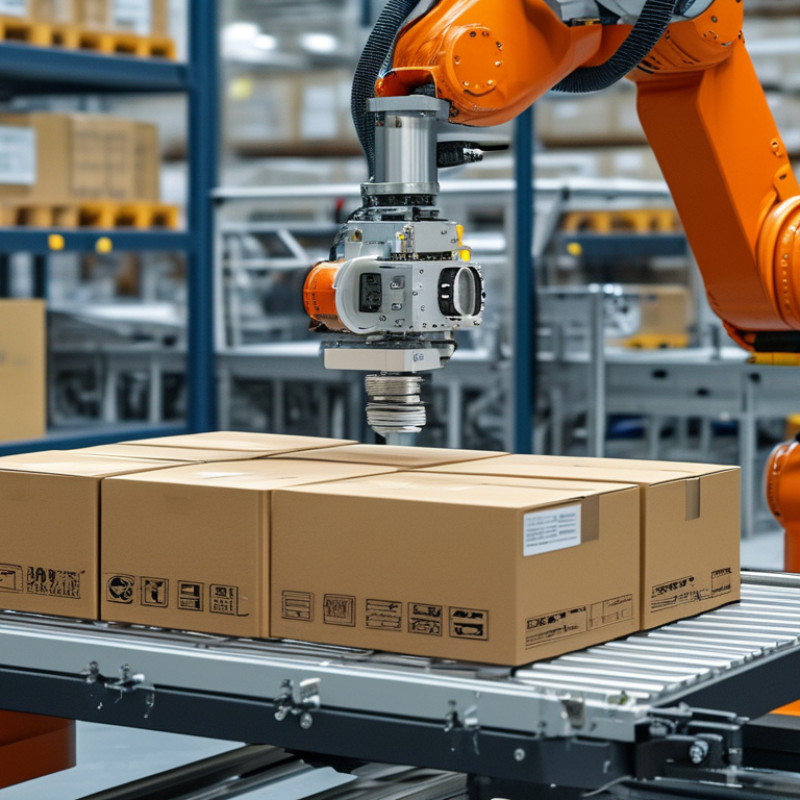
Smart Packaging Automation streamlines the packaging process through advanced technology. It integrates robotics with artificial intelligence to enhance efficiency. Manufacturers can save time and reduce errors. For smaller businesses, this might seem like a luxury. However, the benefits can outweigh the costs.

Automation improves consistency in packaging operations. It reduces human error and minimizes waste. With precise measurements and standardized processes, products are prepared faster. Companies can also track inventory in real-time, enhancing supply chain management. This feature is especially beneficial during peak seasons. Still, some may wonder about the initial investment and the learning curve involved.

There are challenges to consider. Not all systems guarantee successful integration with existing operations. Employees may need retraining, which requires time and resources. Adapting to new technologies can disrupt workflows initially. However, the long-term advantages of smart packaging are hard to ignore. Businesses can meet consumer demands and stay competitive in a rapidly evolving market.

Benefits of Smart Packaging Automation

Key Technologies Behind Smart Packaging Automation

Smart packaging automation is transforming the way we think about packaging processes. Key technologies play an essential role in this shift. They enhance efficiency and accuracy in production lines.

One prominent technology is IoT (Internet of Things). IoT devices can collect data during the packaging process. This data provides insights into operational efficiency. It also helps to detect issues in real-time. Improving accuracy leads to reduced waste, which is vital for sustainability efforts.

AI (Artificial Intelligence) is another critical component. AI algorithms optimize packaging designs based on consumer behavior. They predict market trends and enhance customer satisfaction. However, integrating these technologies requires proper training. Operators must adapt to new tools, which can be a hurdle.

Tips for success: Start with a pilot program. Test one technology before full-scale implementation. Monitor the results closely. Engage team members in the process. Their feedback is invaluable.

Consider potential challenges. Not all technologies suit every operation. Assess your unique needs carefully. This reflection can guide successful adoption. Embrace the journey of smart packaging automation. Balance innovation with practical considerations for the best outcome.

Benefits of Smart Packaging Automation for Businesses

Smart Packaging Automation is transforming how businesses approach their packaging processes. By integrating advanced technologies, companies can enhance efficiency and reduce costs. This innovation allows for real-time tracking and better inventory management. As a result, businesses can meet consumer demands quickly and effectively.

The benefits of Smart Packaging Automation are significant. It minimizes human errors and increases operational accuracy. Automated systems can handle packaging tasks at a faster rate. This not only saves time but also lowers labor costs. Additionally, the data collected during the packaging process can provide insights for improvement. Companies can make informed decisions based on real-time analytics.

Tips for implementing Smart Packaging Automation include evaluating your current processes. Identify areas where automation could save time. Also, ensure that your team is well-trained to use new technologies effectively. Regularly review performance metrics to gauge the impact of automation. This can help refine your systems constantly. Adopting smart packaging isn’t flawless, but it offers valuable opportunities for growth.

Challenges in Implementing Smart Packaging Solutions

Implementing smart packaging solutions presents various challenges for businesses. One significant hurdle is integrating advanced technologies seamlessly into existing operations. Research from the Packaging Strategies report indicates that about 30% of companies face difficulties in aligning their legacy systems with new smart technologies. This integration often requires significant investment and technical expertise, which may not be readily available.

Another issue is the need for employee training. A report by Smithers Pira highlights that nearly 40% of organizations cite skill gaps as a barrier when adopting smart packaging technologies. Workers must understand how to operate and troubleshoot new systems. This knowledge acquisition can lead to downtime during the transition phase, impacting productivity.

Supply chain complexities also complicate the implementation of smart packaging solutions. Various stakeholders, from suppliers to distributors, must be on board to ensure uniformity in processes. According to a study by McKinsey & Company, over 25% of companies struggled with coordination among partners during the rollout of smart packaging initiatives. Such challenges can slow adoption rates and introduce inconsistencies in product tracking and information sharing.

Future Trends in Smart Packaging Automation

Smart packaging automation is evolving rapidly. Future trends indicate a significant growth in this sector. According to a report by Smithers, the smart packaging market is projected to reach $45 billion by 2025. This highlights a rising demand for innovative packaging solutions. Technologies such as NFC and QR codes are becoming commonplace. They provide consumers with more information and enhance product experiences.

Brands are increasingly recognizing the importance of sustainability in packaging. A survey from Nielsen revealed that 66% of consumers are willing to pay more for sustainable packaging. This trend not only meets consumer preferences but also helps reduce environmental impact. Implementing smart technologies can lead to more efficient waste management and recycling systems.

Tip: To enhance your packaging, consider integrating IoT technology. This can help track product freshness and engage customers effectively. Also, examining your supply chain can identify areas for automation. Efficient workflows are essential for staying competitive. Remember, automated systems may require initial investments but can yield substantial long-term savings.

FAQS

: What is smart packaging automation?

: Smart packaging automation involves using advanced technologies to improve packaging processes. It enhances efficiency and accuracy in production.

How does IoT contribute to smart packaging?

IoT devices collect data during packaging. This data helps improve operational efficiency and allows for real-time issue detection.

What role does AI play in smart packaging?

AI optimizes packaging designs based on consumer behavior. It predicts market trends and aims to enhance customer satisfaction.

What challenges do businesses face when implementing smart packaging?

Businesses struggle with technology integration, employee training, and supply chain complexities during smart packaging adoption.

Why is employee training important in smart packaging?

Workers must learn new systems to operate them effectively. Skill gaps can slow down the transition and impact productivity negatively.

How can companies ensure successful implementation of smart packaging?

Start with a pilot program and closely monitor results. Engage team members for feedback to improve the process.

What future trends are anticipated in smart packaging?

The market for smart packaging is projected to grow significantly, with trends focusing on sustainability, IoT, and consumer engagement.

Why is sustainability becoming crucial in packaging?

Many consumers prefer sustainable packaging and are willing to pay more for it. This shift helps reduce environmental impact.

How can businesses benefit from automating their supply chains?

Automating supply chains can identify areas for improvement and create efficient workflows, enhancing competitiveness in the market.

Are there any downsides to automating packaging systems?

Initial investments may be high. Companies should reflect on their unique needs before adopting new technologies to avoid potential issues.

Conclusion

Smart packaging automation refers to the integration of advanced technologies into packaging processes to enhance efficiency, sustainability, and consumer engagement. Key technologies behind this automation include IoT devices, robotics, and AI, which streamline operations while ensuring high-quality packaging. The benefits for businesses are significant, ranging from increased productivity and reduced operational costs to improved customer satisfaction through personalized packaging experiences.

However, implementing smart packaging solutions comes with its challenges, such as the need for initial investment, workforce training, and integration with existing systems. Looking ahead, future trends in smart packaging automation indicate a growing emphasis on eco-friendly materials and enhanced data analytics, paving the way for more intelligent and responsive packaging systems in various industries. These advancements not only highlight what is smart packaging automation but also underscore its potential to revolutionize how products are packaged and delivered in the marketplace.

Mason

Mason

Mason is a seasoned marketing professional with a deep expertise in the company's offerings and a passion for driving brand awareness. With a strong background in digital marketing strategies, he has an innate ability to connect with diverse audiences and effectively communicate product benefits.......