In 2026, packaging will influence more than product protection. It will affect delivery speed, customer trust, margins, and environmental performance. As orders grow, manual packing methods often reveal hidden weaknesses. Boxes arrive damaged. Labels require rechecking. Storage space disappears quickly. Growth can become expensive when packaging decisions remain reactive.
This guide explores how to scale packaging operations for business growth through practical, measurable improvements. It considers packaging design, equipment, materials, workforce training, supplier coordination, and quality control. The focus remains operational. A successful scale-up should protect products while reducing unnecessary handling and material use. It should also support relevant safety, labeling, recycling, and transport requirements in each market.
Real packaging experience shows that automation is not always the immediate answer. A faster machine cannot correct poor carton sizes or unclear work instructions. Small trials can expose problems before large investments are made. Measure packing time, damage rates, material consumption, labor costs, and customer complaints. Then adjust the process.
No plan is perfect. Some assumptions will be wrong. A pilot may perform well in one warehouse and fail during seasonal demand. That is useful evidence, not defeat. Reliable decisions need documented tests, supplier verification, and regular review. Industry guidance, trained specialists, and customer feedback can strengthen the process. The following sections explain how growing businesses can build packaging systems that remain efficient, compliant, and adaptable as volumes change.
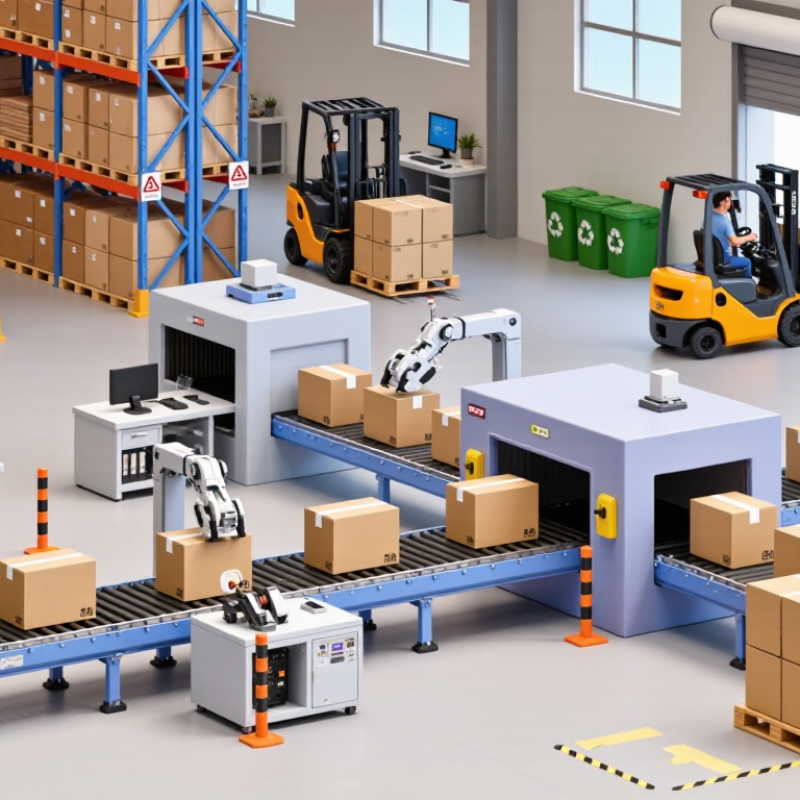
Scaling packaging in 2026 starts with a clear business question: what must packaging achieve? Define targets for protection, speed, cost, sustainability, and customer experience. A growing operation may need 20% more units, but not 20% more warehouse space. Set measurable requirements, such as reducing damage below 1.5% or packing each order within 45 seconds. These figures connect packaging decisions to daily operations. Vague goals create expensive experiments.
Customer research should guide package dimensions, opening experience, information, and disposal. Review support messages, return reasons, delivery photos, and purchase sizes. A customer receiving a crushed carton sees a quality problem, even if the product still works. Test three package sizes with real users. Record opening time, storage complaints, and perceived value. Keep accessibility visible. Small text and tight seals can frustrate older customers or users with limited hand strength.
Growth requirements also need capacity planning. Map monthly volume, seasonal peaks, supplier lead times, equipment limits, and backup materials. In one pilot, our forecast was too optimistic, leaving excess cartons and tying up cash. That mistake changed our process. We now model low, expected, and high demand before approving tooling. Document weight, dimensions, damage rate, labor minutes, and material usage. Review these results with operations, finance, and fulfillment staff. Their disagreements are useful. They expose assumptions that spreadsheets often hide.
Review daily output, machine availability, labor coverage, storage, and changeover time. Measure real production for four weeks. Rated capacity can mislead.
Frequent format changes interrupt the line and extend setup time. One carton change may consume 45 minutes per shift. That delay can erase material savings.
Include materials, overtime, maintenance, damaged goods, rework, utilities, and warehouse handling. Add replacement shipping and customer retention effects. Small costs accumulate.
Record output, downtime, labor hours, material use, and defects each day. Compare results by product size and shift. Patterns may appear within weeks.
Look for crowded packing tables, blocked aisles, delayed inspections, and unfinished orders. Walk the floor during the busiest shift. Reports may miss these details.
Staff see repeated jams, awkward movements, and cleaning delays directly. Their practical feedback may challenge comfortable assumptions. We underestimated cleaning time once.
Track damage rates, packing time, material usage, return reasons, and complaints. Compare different products and delivery conditions. One average can hide serious weaknesses.
Establish a baseline before making changes. Test one variable at a time and record results for four weeks. Keep weak results visible.
Use adjustable dimensions, modular inserts, and clear specifications. These features support product variations without excessive inventory. Flexibility still needs testing.
Review the data quarterly and adjust cautiously. Keep a buffer for seasonal demand and equipment repairs. Perfect forecasts do not exist.
Scaling packaging for business growth in 2026 requires a clear connection between packaging decisions and broader commercial goals. Businesses should first define their target customers, product requirements, sales channels, sustainability priorities, and expected growth. A thorough audit of current packaging capacity, material costs, labor, equipment, lead times, storage, and operational limitations can reveal inefficiencies and future risks. These insights provide a practical foundation for deciding how to scale packaging operations for business growth without sacrificing quality or customer experience.
A scalable packaging system should support different product sizes, order volumes, and distribution channels while remaining efficient and adaptable. Flexible supplier relationships, standardized workflows, reliable production planning, and consistent quality checks can help businesses respond to demand changes with less disruption. Performance should be measured through packaging costs, output speed, defect rates, material usage, delivery reliability, and customer feedback. Regular reviews allow companies to improve processes, prepare for future expansion, and maintain a packaging operation that grows sustainably with the business.

 Econe Machinery