In the world of packaging, downtime can be a significant challenge. Understanding why do packaging lines experience downtime is critical for manufacturers. As industry expert James Thompson, a packaging efficiency consultant, noted, "Every minute lost on the line can equate to lost revenue and customer trust." His insight highlights the urgency of addressing this issue.
Many factors contribute to downtime in packaging lines. Equipment malfunctions are common, causing unwanted interruptions. Human errors, often overlooked, can also lead to delays. Moreover, workflow inefficiencies remain a persistent problem in many facilities. These issues create a ripple effect, impacting productivity and ultimately the bottom line.
To combat these challenges, companies must analyze their operations closely. Regular maintenance is essential, yet is often neglected. Staff training plays a vital role as well, yet can be inconsistent. Reflecting on these shortcomings, manufacturers should evaluate their processes. They must find ways to minimize downtime and enhance efficiency, fostering a more resilient production environment.
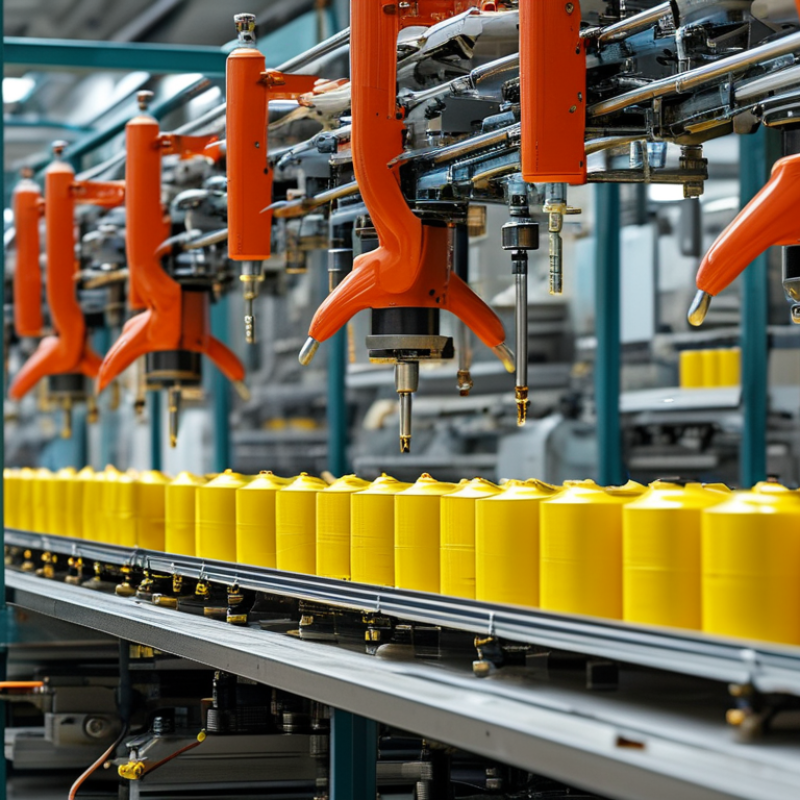
Common Mechanical Failures in Packaging Lines
Mechanical failures in packaging lines can lead to significant downtime. According to industry reports, nearly 30% of unplanned downtime in manufacturing results from mechanical issues. One of the most common failures is the malfunction of belt systems. Conveyors can slip, jam, or wear out, which brings the entire line to a halt.
Another frequent culprit is faulty sensors. In a recent survey, 25% of maintenance managers identified sensor failures as a primary source of downtime. These sensors play crucial roles in monitoring machine performance and ensuring the integrity of the packaging process. When they fail, systems may misread conditions, leading to unnecessary shut-downs for troubleshooting.
Additionally, worn bearings can cause unexpected failures. Maintenance experts note that regular inspection can prevent these issues. However, insufficient maintenance schedules often lead to larger problems. Without proper attention, equipment life decreases, resulting in recurring downtime. This cycle can significantly impact operational efficiency and financial performance in the long run.
Inefficient Workflow and Production Planning Issues
Inefficient workflow can lead to significant downtime in packaging lines. When teams lack clear roles, confusion arises. This can slow down production. For instance, if workers aren't trained properly, even simple tasks can take much longer. This creates staggered processes that hinder overall efficiency.
Production planning is another critical factor. Poor scheduling often results in mismatches between supply and demand. When machines sit idle, costs increase without any output. A lack of real-time data can exacerbate this issue. Teams may find themselves reacting rather than planning effectively. The result? Unnecessary delays multiply.
Therefore, consistent evaluation of workflow and production strategies is vital. Assessing areas of weakness allows teams to modernize processes. Implementing regular training can enhance worker productivity. Companies must adapt quickly to changes, ensuring processes run smoothly. This is essential for minimizing downtime in packaging lines.
10 Reasons Why Packaging Lines Experience Downtime
Insufficient Maintenance Practices Leading to Downtime
Insufficient maintenance practices critically impact packaging lines, causing unwanted downtime. Regular upkeep is essential for smooth operations. Neglecting scheduled maintenance leads to unexpected equipment failures. When machines break down, production halts. This results in costly delays and wasted resources.
Trained technicians should regularly inspect machines. They can spot wear and tear that operators might miss. Yet, many companies overlook these inspections. They may prioritize production over maintenance, thinking they save time. This short-sighted approach often backfires, leading to larger issues later.
Moreover, outdated equipment can be a hidden risk. Machines that run continuously without proper checks become more prone to failures. Adjusting or updating technology is often delayed due to budget constraints. Ignoring these needs can create a cycle of inefficiency. Regular investments in maintenance can ultimately enhance productivity and prevent downtime.
Operator Errors and Training Deficiencies Impacting Production
Operator errors and training deficiencies play a significant role in packaging line downtime. A report by the Packaging Machinery Manufacturers Institute (PMMI) indicates that improper operation accounts for 30% of production interruptions. When workers are not well-trained, they can struggle with machine settings and safety protocols. This often leads to avoidable errors and equipment damage.
Companies should prioritize training to enhance operational efficiency. A recent survey found that around 40% of employees felt they lacked proper training. Continuous education programs could help bridge this gap. Investing in training not only boosts operator confidence but also minimizes costly mistakes.
Inadequate communication is another concern. Operators must understand each machine's specific requirements. Clear, accessible manuals and ongoing support can mitigate confusion. However, many facilities still rely on outdated materials, creating room for error. By addressing these training and communication challenges, organizations can reduce downtime effectively.
Supply Chain and Material Shortages Affecting Operation Continuity
Supply chain disruptions are significant hurdles for packaging lines. In recent reports, it was highlighted that over 70% of companies have faced increased material shortages. This situation is not just about delays; it affects the entire production rhythm. Without consistent access to materials, packaging lines often halt unexpectedly, leading to costly downtime.
The manufacturing sector is hit particularly hard by these shortages. According to industry statistics from the National Association of Manufacturers, 50% of manufacturers reported that supply chain issues have directly impacted their operations. These disruptions can lead to inefficiencies that affect scheduling and labor costs. For instance, when a line stops due to a material shortage, it not only causes immediate production losses but also affects workforce morale, as employees remain idle.
Moreover, companies struggle to maintain inventory levels in an uncertain market. A study by Deloitte revealed that 80% of executives believe current supply chain conditions will only worsen. This revelation calls for a reevaluation of strategies. Should companies consider localizing supply sources to reduce vulnerabilities? The path forward may require innovative solutions to enhance reliability in an unpredictable environment.
FAQS
: Mechanical failures are a major cause. Nearly 30% of unplanned downtime comes from these issues.
Belt systems often malfunction, causing jams or slips. This can halt the entire production line.
Sensors can fail, leading to misread conditions. This results in unnecessary shut-downs for troubleshooting.
They can cause unexpected failures if not regularly inspected. Ignoring them often leads to larger issues.
Neglecting maintenance leads to breakdowns, causing costly delays. This wastes both time and resources.
They regularly inspect machines for wear and tear. Many companies, however, overlook these vital inspections.
Improper operation accounts for around 30% of interruptions. Lacking training can lead to avoidable mistakes.
Approximately 40% feel they lack proper training. This gap can lead to operational inefficiencies.
Operators need clear understanding of machine requirements. Outdated manuals can create more confusion.
Ignoring maintenance and updates can create inefficiencies. Regular investments in maintenance are crucial.
Conclusion
Downtime in packaging lines can significantly impact productivity and efficiency, prompting the question: why do packaging lines experience downtime? One major factor is common mechanical failures, such as equipment malfunctions and breakdowns, which can halt production unexpectedly. Additionally, inefficient workflow and production planning issues lead to misalignment in operations, resulting in wasted time and resources.
Insufficient maintenance practices also play a critical role, as neglecting routine checks can cause systems to fail. Furthermore, operator errors and training deficiencies can hinder performance, where a lack of proper training may contribute to mistakes that disrupt the production process. Lastly, supply chain and material shortages can affect the continuity of operations, causing delays and extended downtime. Addressing these issues is essential for optimizing packaging line performance and minimizing interruptions.

 Econe Machinery