Packaging machine performance is crucial for companies in various industries. Understanding what affects packaging machine performance is necessary for improving efficiency and reducing costs. According to Dr. Sarah Peterson, a leading expert in packaging technology, "Optimal performance is a result of precise engineering and understanding workforce capabilities." Her insights emphasize the importance of both machine design and human factors.
Several elements influence machine performance. These include design quality, maintenance routines, and operator training. Each factor plays a significant role in how effectively packaging machinery operates. For example, poorly maintained machines can lead to frequent breakdowns and delays. Likewise, insufficiently trained operators may struggle to maximize efficiency.
Challenges persist in optimizing these areas. Many companies overlook regular maintenance, leading to reduced performance. Focusing solely on machinery without considering human input can also hinder productivity. Addressing these gaps may require deeper industry reflection. Ultimately, achieving top performance demands a balanced approach, recognizing the multifaceted factors that shape success.
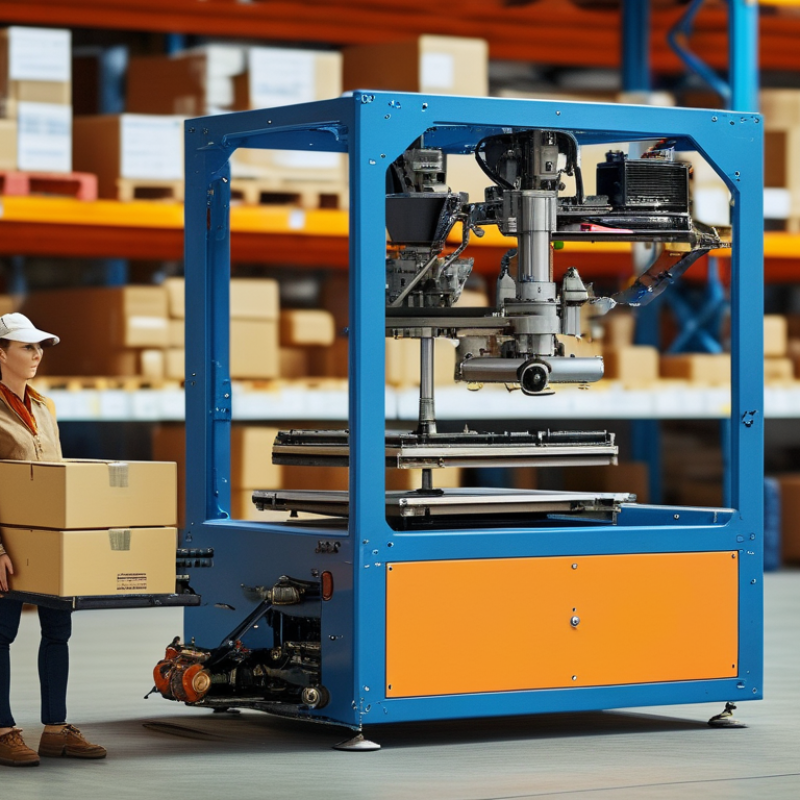
Factors Influencing Packaging Machine Efficiency in Global Markets
Packaging machine performance is influenced by multiple factors that global buyers must consider. One major element is machine design. A well-engineered machine can lead to less downtime and higher productivity. However, some designs may prioritize speed over reliability. This trade-off can impact overall efficiency. Buyers should assess whether the machine's capabilities align with their operational needs.
Another crucial factor is the type of material used in packaging. High-quality materials contribute to better sealing and reduced waste. On the other hand, poor material choices can lead to increased spoilage or damage during transport. Furthermore, maintenance practices play a pivotal role. Regular servicing ensures machines run smoothly, yet many companies neglect this, resulting in unexpected failures.
Training for operators is also vital. Skilled operators can maximize the machine's potential. Without proper training, mistakes can happen, causing delays in production. Additionally, the integration of technology, such as automation and data analytics, can enhance performance. But not all companies take full advantage of these advances. Each of these factors can significantly affect packaging machine efficiency in the global marketplace.
What Affects Packaging Machine Performance for Global Buyers? - Factors Influencing Packaging Machine Efficiency in Global Markets
| Factor |
Description |
Impact on Efficiency (%) |
Example |
| Machine Design |
Ergonomic and modular design influences ease of operation and maintenance. |
20% |
Flexibility to switch between packaging types. |
| Automation Level |
Higher automation reduces manual intervention, increasing speed. |
30% |
Fully automated systems versus semi-automated. |
| Maintenance Practices |
Regular maintenance schedules prevent downtimes. |
15% |
Scheduled checks every month. |
| Operator Training |
Well-trained operators can run machines more efficiently and handle issues. |
25% |
Certification courses for operators. |
| Material Quality |
High-quality materials ensure fewer jams and better sealing. |
10% |
Using durable films for packaging. |
Key Technical Specifications Impacting Machine Performance
When considering packaging machine performance, several key technical specifications come into play. Speed is often a primary factor. Machines that can operate at 100-200 packages per minute often suit high-demand industries. However, speed should not compromise service life or precision. Regular reports indicate that about 25% of packaging failures stem from improperly calibrated machines.
Additionally, automation levels significantly influence performance. Fully automated machines generally reduce labor costs and minimize human error. Automation can improve consistency and efficiency, yet integration with existing systems is crucial. Unsuccessful integration may lead to increased downtime. Studies show that 30% of companies experience challenges during this phase.
Material compatibility is another critical specification. Different packaging materials impact machine function and output quality. Certain machines handle specific materials better, affecting shelf life and safety. For example, using the wrong type of film can lead to sealing issues. Insights from industry reports highlight that nearly 40% of production delays relate to material mismatches. Addressing these technical specifications is vital for optimizing machine performance in a competitive landscape.
Material Compatibility and Its Effects on Packaging Quality
Material compatibility plays a crucial role in packaging quality. Different materials react differently during the packing process. For instance, plastic may cling to certain products, affecting their quality. On the other hand, some materials may not seal correctly, leading to leaks and spoilage. These issues often arise when companies overlook material properties.
Understanding the interaction between materials is essential. Some packages may require specific coatings or treatments to enhance compatibility. A mismatch can result in degraded product quality, prompting buyers to reconsider their material choices. Evaluating the relationship between materials ensures that packaging is not only effective but also maintains product integrity.
In practice, it’s not always straightforward. Test runs can reveal unforeseen issues. For example, a sealing challenge may emerge only after the production line scales up. Companies must remain vigilant and willing to adapt. Continuous testing and feedback loops are necessary to improve the packaging process. Ultimately, a focus on material compatibility leads to better quality packaging outcomes.
Maintenance Practices That Enhance Machine Longevity
Proper maintenance practices are crucial to enhance the longevity of packaging machines. Regular cleaning is often neglected, yet it significantly impacts performance. Dust and debris can accumulate, leading to mechanical failures. Establishing a routine cleaning schedule can help mitigate these issues. Operators should pay close attention to intricate parts, ensuring they remain free of obstructions.
Lubrication is another essential component of machine maintenance. Insufficient lubrication can cause increased friction. This leads to wear and tear of parts, ultimately shortening the machine's lifespan. Regularly checking and replenishing lubricants can prevent costly breakdowns. Users should also consider the type of lubricant that best suits their machine’s components.
Monitoring machine performance consistently allows for early detection of potential problems. Machine operators should familiarize themselves with normal operating sounds and vibrations. Any deviations can indicate underlying issues that require immediate attention. Documenting maintenance activities also creates a reliable history to inform future practices. By cultivating a proactive approach, buyers can ensure their packaging machines remain efficient and reliable for years to come.
Market Trends Shaping Packaging Machine Innovations
The packaging machine sector is undergoing significant transformations driven by evolving market trends. A report by MarketsandMarkets predicts that the global packaging machinery market will reach $55.6 billion by 2026, with a CAGR of 4.4%. This growth is influenced by the increasing demand for automation and efficiency across industries. Companies are looking for ways to streamline operations and reduce labor costs.
Sustainability is another critical trend shaping innovations in packaging machines. Many manufacturers are adopting eco-friendly materials and processes to meet consumer expectations. For instance, a survey by Smithers Pira indicates that 72% of consumers prefer sustainable packaging. Machines that can accommodate biodegradable materials are gaining popularity. Enhanced machinery designs are also essential for reducing waste during production. However, the transition poses challenges, such as the need for retraining personnel and higher initial investment costs.
Moreover, advancements in technology are prompting a shift towards smart packaging solutions. The incorporation of IoT and AI enables real-time monitoring and data analysis. According to a study by Mordor Intelligence, the smart packaging market is expected to reach $31.5 billion by 2026. While these technologies enhance efficiency, they introduce complexity that companies must navigate. Adapting to these innovative trends requires ongoing research and investment for effective implementation.
Factors Affecting Packaging Machine Performance
FAQS
: Regular cleaning prevents dust and debris buildup, which can cause mechanical failures and reduce performance.
Insufficient lubrication increases friction, leading to wear and tear. This shortens the machine’s lifespan.
Operators should watch for normal operating sounds and vibrations. Deviations may signal underlying issues needing attention.
By adopting eco-friendly materials and processes, manufacturers can meet consumer preferences for sustainable packaging.
Challenges include the need to retrain personnel and afford higher initial investment costs for new technologies.
The market is shifting towards automation and smart technologies, driven by efficiency and performance demands.
Documenting maintenance activities creates a reliable history, which informs future practices and improves machine reliability.
By regularly checking and replenishing lubricants, operators can avoid increased friction and potential breakdown issues.
Smart packaging utilizes IoT and AI for real-time monitoring, enhancing efficiency but requiring careful navigation of complexity.
As technology evolves, ongoing research ensures companies adapt effectively to trends, maintaining competitiveness in the market.
Conclusion
The performance of packaging machines is influenced by a variety of factors, which global buyers must consider when evaluating their options. Key elements include technical specifications such as speed, accuracy, and automation capabilities, which directly impact efficiency. Additionally, material compatibility plays a crucial role, as the chosen materials can affect the overall quality of the packaged product.
Regular maintenance practices are vital for enhancing machine longevity and ensuring optimal operation. Moreover, staying attuned to market trends can provide insights into innovations that improve packaging performance. Understanding what affects packaging machine performance not only aids in making informed purchasing decisions but also helps in adapting to evolving market demands and technologies.

 Econe Machinery