Maximize Efficiency in End of Line Packaging Operations in 2026?

Time:2026-07-13 Author:Amelia
0%

In 2026, maximizing efficiency in end of line packaging operations is crucial for businesses. As market demands shift, manufacturers must explore innovative strategies. They need to understand how to optimize end of line packaging operations effectively. This involves a deep dive into technology, workforce training, and sustainable practices.

Operating at the end of the packaging line can be tricky. Different variables, such as equipment reliability and product types, can affect efficiency. It’s important to analyze current processes. Small adjustments may lead to significant improvements. Companies should also consider automation, but it’s not a one-size-fits-all solution. Each operation has unique challenges, requiring tailored strategies.

Data plays a vital role in optimizing operations. Tracking performance metrics can uncover bottlenecks and inefficiencies. However, reliance on data can be double-edged. It's essential to balance technology with human insight. Employees must feel empowered to share their feedback. This combination can foster a culture of continuous improvement, ensuring that companies stay competitive in the evolving market landscape.
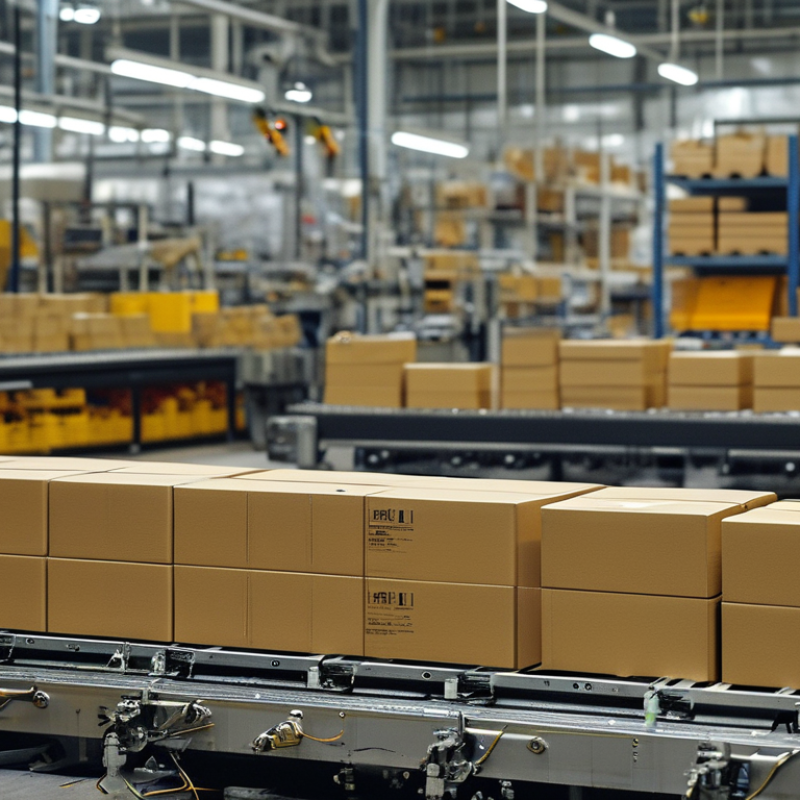
Maximize Efficiency in End of Line Packaging Operations in 2026?

Trends Shaping End of Line Packaging Operations by 2026

In 2026, the landscape of end-of-line packaging operations will transform significantly. Automation and advanced robotics will play a major role in increasing efficiency. Manufacturers will rely on smart machines to perform repetitive tasks faster and with fewer errors. These developments will reduce labor costs and enhance overall productivity.

Sustainability will also influence packaging choices. Businesses will seek eco-friendly materials that meet consumer expectations. This shift will require a balance between cost and environmental impact. Companies should invest in researching sustainable alternatives, which can be a complex process.

Tips: Regularly evaluate your current packaging processes. Identify areas of waste and inefficiency. This will help you stay competitive. Engage your team in brainstorming sessions. Their insights can lead to innovative solutions. Remain adaptable to technological advancements. Embrace change, but allow time for reflection on the challenges faced.

Technological Innovations Enhancing Packaging Efficiency

In 2026, technological innovations will significantly enhance packaging efficiency at the end of production lines. According to a recent industry report, automation in packaging can increase productivity by up to 30%. This shift reduces labor costs while ensuring precision and consistency. Automated systems handle packaging processes faster than manual methods. These advancements help maintain high quality, which is critical for brand reliability.

Artificial intelligence plays a crucial role in optimizing packaging operations. AI systems analyze real-time data to predict bottlenecks and adjust workflows. They can adapt quickly to changes in production demands. A 2023 study suggests that companies using AI see a 25% increase in operational efficiency. However, not all organizations have embraced these technologies fully. Some still rely on outdated processes that limit their potential.

Sustainability is another significant focus for future packaging. Eco-friendly materials and energy-efficient machines are becoming essential. A recent survey states that 70% of consumers prefer brands using sustainable packaging. However, finding the right balance between efficiency and sustainability can be challenging. Not every solution meets the rigorous standards required today. There’s a need for ongoing evaluation and adaptation in the evolving landscape of packaging operations.

Maximize Efficiency in End of Line Packaging Operations in 2026? - Technological Innovations Enhancing Packaging Efficiency

Technology Efficiency Improvement (%) Implementation Cost (USD) Estimated ROI Period (Months)
Automated Robotic Systems 30 150000 12
Smart Packaging Solutions 25 80000 10
IoT Integration 20 60000 8
Data Analytics for Process Optimization 35 120000 14
AI-Powered Quality Control 28 90000 11

Sustainability Practices in End of Line Packaging

Sustainability in end-of-line packaging is evolving rapidly. By 2026, companies are expected to prioritize eco-friendly practices. According to a recent industry report, nearly 75% of consumers prefer products with sustainable packaging. This shift indicates a strong market demand for environmental responsibility.

Implementing sustainable materials can significantly reduce waste. Currently, plastic waste from packaging accounts for about 30% of global pollution. Transitioning to biodegradable or recyclable materials is crucial. Many companies are exploring options like plant-based plastics and recycled paper. However, challenges remain in sourcing these materials without compromising product integrity or increasing costs.

Automation also plays a role in sustainable packaging. Efficient machinery minimizes energy consumption and waste during production. The industry's push for smart packaging solutions aims to track resource usage more effectively. Yet, companies must evaluate if the initial investments in technology yield substantial long-term benefits. Balancing sustainability with operational efficiency is a continuous process that needs reflection and adjustment.

Workforce Training and Skill Development for Packaging Experts

In the rapidly evolving landscape of packaging operations, workforce training and skill development are essential. To meet the demands of 2026, companies must invest in their people. A well-trained workforce can address complex challenges. Training programs should focus on both technical skills and soft skills. Teamwork can enhance efficiency. Workers familiar with new technologies will outperform those who are not.

Hands-on training is crucial. Simulated environments allow workers to practice skills without the pressure of real-time production. This reduces errors and boosts confidence. Regular workshops can keep the workforce updated on industry trends. Engaging employees through interactive sessions can enhance retention of knowledge. Customized training plans can address specific skill gaps.

However, not all training initiatives succeed. Monitoring progress is vital. Some employees may resist change and need extra support. Feedback sessions can identify what’s working and what isn’t. Continuous improvement should be a core principle. Investing in the workforce is investing in the future of efficient packaging operations. The right training leads to a more competent and motivated team.

Automation Strategies for Streamlining Packaging Processes

As we approach 2026, the packaging industry is shifting towards automation to maximize efficiency in end-of-line operations. Implementing automation strategies can significantly streamline processes. Consider the use of robotic arms for palletizing tasks. These machines enhance speed and accuracy. However, their integration can be challenging. Training staff to work alongside robots is essential for seamless transitions.

Automated conveyor systems also play a vital role. They reduce manual handling and minimize product damage. Still, not every facility is equipped for this technology. Assessing existing infrastructure is critical before investing in new systems. On the other hand, software solutions for inventory tracking and quality control can improve decision-making. But, reliance on technology can lead to potential risks such as data breaches or system failures.

Moreover, it's crucial to constantly evaluate the performance of automation strategies. Gathering feedback from operators can highlight unforeseen issues. This reflection helps in adapting systems to meet evolving demands. Moving towards automation does not guarantee success. Continuous improvement and learning from setbacks are essential to fully harness its benefits.

FAQS

: What impact does automation have on packaging efficiency?

: Automation can increase packaging productivity by up to 30%. It ensures precision and reduces labor costs effectively.

How does artificial intelligence optimize packaging operations?

AI analyzes real-time data to predict bottlenecks. It adjusts workflows according to production changes, improving efficiency by 25%.

Why is sustainability important in packaging?

Many consumers prefer sustainable packaging. Balancing efficiency with eco-friendliness is a challenge that requires ongoing evaluation.

What should workforce training focus on?

Training must cover technical and soft skills. Teamwork and familiarity with new technologies enhance overall efficiency.

How essential is hands-on training in packaging?

Hands-on training allows practice in safe environments. It reduces errors and builds confidence among workers.

What challenges can arise during automation integration?

Training staff to work with robots can be difficult. Not all facilities are ready for automated systems, which complicates implementation.

What role do regular workshops play in workforce development?

Workshops keep employees updated on industry trends. Interactive sessions improve knowledge retention and engagement in training.

How can training initiatives fail?

Some employees may resist changes. Continuous monitoring and feedback are vital for addressing issues in training programs.

Why is feedback important in automation practices?

Feedback from operators can reveal unforeseen issues. It allows for necessary adjustments to meet changing demands and improve performance.

What is a potential risk of relying on technology in packaging?

Dependence on technology may lead to risks like data breaches or system failures, which can impact operations.

Conclusion

The article "Maximize Efficiency in End of Line Packaging Operations in 2026" delves into critical trends and innovations poised to shape packaging practices in the coming years. It emphasizes how to optimize end of line packaging operations through the integration of cutting-edge technologies that enhance efficiency. Key highlights include the adoption of automation strategies that streamline processes, ensuring faster and more accurate packaging workflows.

Additionally, the piece underscores the importance of sustainability practices in packaging, aligning with global environmental goals. It also addresses the need for workforce training and skill development, preparing packaging experts to effectively utilize these new technologies and practices. Overall, the article presents a comprehensive overview of essential approaches to achieving maximum efficiency in end of line packaging operations by 2026.

Amelia

Amelia

Amelia is a seasoned marketing professional with a wealth of expertise in our company’s core offerings. With an unwavering passion for driving growth and innovation, she plays a pivotal role in shaping our marketing strategies and enhancing brand visibility. A key aspect of her responsibilities......