In the modern manufacturing landscape, maintaining quality is critical. One key challenge faced by many companies is how to improve packaging consistency across production batches. Inconsistent packaging can lead to customer dissatisfaction and increased returns. Therefore, companies must focus on their processes and practices.
Achieving consistent packaging requires expertise and awareness of potential pitfalls. Factors such as material variations, machine settings, and operator techniques can all affect the final product. Attention to detail is necessary in every step, from sourcing materials to executing the packaging. Emphasizing training for staff and regular equipment maintenance can mitigate these issues.
Additionally, implementing quality control checks is essential. These checks should be frequent, but they must also be reliable and actionable. Reflecting on past packaging errors can guide improvements. A culture that promotes feedback and continuous improvement will ultimately enhance consistency. Each step taken toward resolving these challenges is valuable for building customer trust and brand reputation.
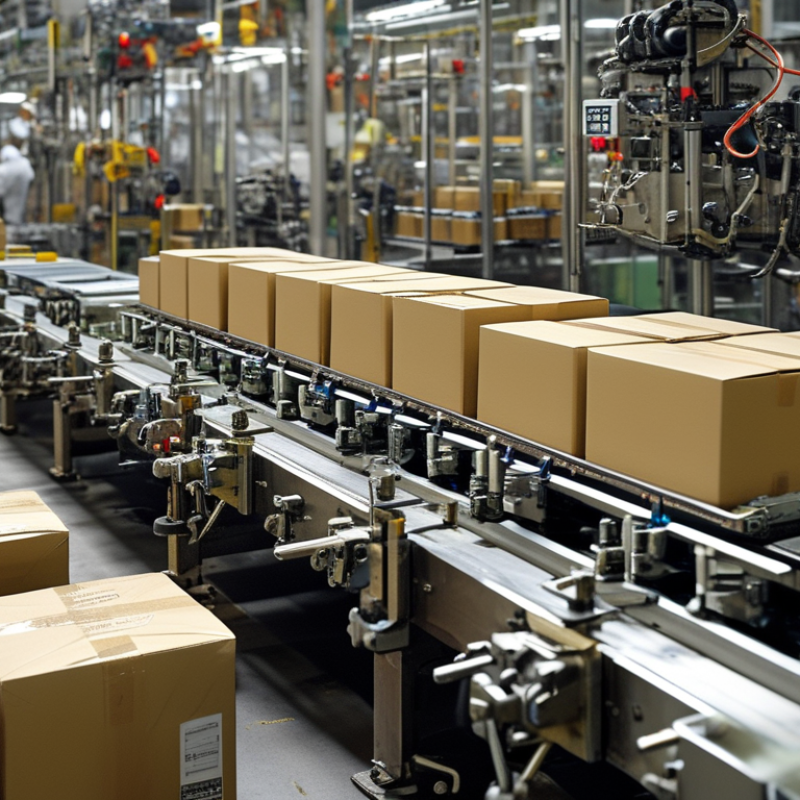
Packaging consistency is crucial in production. It ensures that each product meets quality standards. When packaging varies, customers may receive different experiences. This inconsistency can lead to dissatisfaction. It raises concerns about quality and reliability. Trust is essential in any brand-customer relationship.
Inconsistent packaging can stem from various factors. Staff might not follow protocols or machines could malfunction. Each batch of products may carry slight differences. This can confuse consumers and harm brand reputation. Companies should invest in training for their staff. They need to understand the significance of uniformity in packaging. Regular maintenance of machines is equally important. Without proper oversight, even small errors can lead to significant issues downstream.
Evaluating packaging processes is essential. Regular audits can reveal weaknesses in current systems. It is beneficial to gather feedback from consumers. They often see what production teams miss. Addressing these concerns can enhance overall quality. Continuous reflection on packaging methods ensures better results in the long run. This commitment to consistency is a path toward customer satisfaction and loyalty.
| Batch Number | Production Date | Packaging Material | Weight Consistency (grams) | Visual Inspection Score |
|---|---|---|---|---|
| 001 | 2023-01-15 | Recycled Paper | 250 | 4.5 |
| 002 | 2023-01-30 | Biodegradable Film | 248 | 4.8 |
| 003 | 2023-02-12 | Plastic | 252 | 4.0 |
| 004 | 2023-02-25 | Glass | 247 | 4.7 |
| 005 | 2023-03-10 | Aluminium | 250 | 4.6 |
Packaging consistency is a crucial element in manufacturing, impacting both product quality and consumer satisfaction. Research indicates that inconsistencies in packaging can lead to a 15% increase in returns and complaints. To improve consistency, identifying key factors is essential. One primary factor is the raw materials used; variations in quality can significantly affect the final package. A study found that 70% of packaging defects originate from material inconsistencies.
Another factor is the machinery used during production. Different machines may operate with varying degrees of precision. Calibration and regular maintenance are vital. A survey revealed that companies investing in smart manufacturing technologies have improved their packaging consistency by 25%. It highlights the necessity for equipment reliability.
Additionally, employee training plays a significant role. Inadequate skills can lead to human error, which can compromise packaging quality. A report showed that 68% of packaging issues stem from operator mistakes. Continuous training and development can help mitigate these risks. It’s important to focus on these critical areas while reflecting on processes often taken for granted.
This chart illustrates the consistency scores across different production batches. A higher score indicates better consistency in packaging performance.
Implementing Standard Operating Procedures (SOPs) for packaging processes is crucial for improving consistency across production batches. According to a study by Smithers Pira, over 40% of packaging errors can be traced back to inadequate procedures. Establishing clear SOPs helps mitigate these errors. SOPs should cover every aspect of the packaging process, from materials used to sealing techniques. Detailed guidelines create a reliable framework for workers to follow, which enhances uniformity.
Training is another essential component. The International Organization for Standardization (ISO) emphasizes the importance of worker training in maintaining quality standards. Employees who understand procedures can implement them effectively, reducing variability. It's important to periodically assess these training sessions for effectiveness. Regular feedback can help identify persistent gaps in knowledge that could lead to inconsistencies.
Despite the evident benefits, creating these SOPs can be challenging. Many companies struggle with employee buy-in. Workers may resist change, preferring familiar methods. This resistance can create inconsistency in the long run. Companies need to address such concerns by clearly communicating the advantages of SOPs. Continuous reflection on these processes is essential for ongoing improvements. An adaptive approach allows for real-time updates based on production feedback, ultimately leading to better packaging consistency.
Using technology to improve packaging quality control can significantly enhance consistency across production batches. A variety of tools are available, from automated inspection systems to data analytics platforms. These technologies help detect defects early and maintain the required packaging standards.
One effective approach is integrating machine vision systems. These systems can identify inconsistencies in size, shape, and color. They can operate at high speeds, ensuring that packaging meets quality standards without slowing down production. Implementing this technology minimizes human error and allows for real-time adjustments. However, it's vital to train personnel adequately to interpret the data generated.
Another helpful strategy is to utilize statistical process control (SPC). SPC monitors and controls the packaging process through data collection and analysis. It pinpoint irregularities before they escalate into major issues. This proactive approach can be invaluable in maintaining packaging integrity. Continuous assessment and parameter adjustments lead to smoother operations.
Embracing technology fosters an environment of adaptability. Innovating packaging methods boosts quality assurance. As you implement these tools, keep an open mind about potential failures. Analyze shortcomings critically and be ready to make necessary changes. This reflection is crucial for long-term success.
Regular audits play a crucial role in maintaining packaging consistency across production batches. They uncover discrepancies and highlight areas needing improvement. Conducting these audits at set intervals ensures that every aspect of the packaging process is scrutinized. This includes materials, machinery, and labor practices. Over time, this consistent review fosters a culture of accountability within the team.
Feedback loops are equally important. They enable employees to share observations on packaging practices. When employees feel their insights are valued, they are more likely to contribute positively. This collaborative approach enhances overall operational efficiency. Encouraging insights also leads to innovative solutions that might not surface in a traditional hierarchy.
Improving packaging consistency demands diligence. Regular audits help identify root causes of inconsistencies. When issues are detected early, they are often easier and less costly to resolve. Employee feedback provides an additional layer of insight. It can highlight problems that may not be apparent during audits. By fostering an environment of open communication, organizations can drive continuous improvement in their packaging processes.
: Technology improves quality control by ensuring consistency in production batches through automated systems and data analytics.
Machine vision systems detect inconsistencies in size, shape, and color quickly, reducing human error and enhancing efficiency.
SPC monitors the packaging process and identifies irregularities early, preventing major issues and maintaining packaging integrity.
Regular audits uncover discrepancies and areas for improvement, fostering accountability and ensuring all aspects of packaging are reviewed.
Feedback loops allow employees to share insights, leading to innovative solutions and enhancing overall operational efficiency.
By promoting open communication and regularly analyzing operations, organizations can identify issues and drive ongoing improvements.
Ensuring packaging consistency across production batches is crucial for maintaining product quality and brand reputation. To improve packaging consistency, it's essential to first understand the significance of uniformity and its impact on the overall production process. Identifying key factors such as material variations, environmental conditions, and machine calibration can help pinpoint specific areas that need attention.
Implementing standard operating procedures (SOPs) is vital for establishing clear guidelines for packaging processes. Leveraging technology, such as automation and advanced quality control systems, can further enhance consistency by minimizing human error and ensuring precise measurements. Additionally, conducting regular audits and establishing feedback loops are essential for continuous improvement. By following these strategies on how to improve packaging consistency across production batches, manufacturers can achieve higher quality standards and enhance customer satisfaction.

Econe Machinery