10 Best Ways to Improve Packaging Line Efficiency?

Time:2026-06-11 Author:Aria
0%

The efficiency of packaging lines is crucial for manufacturers seeking to optimize operations. Industry reports indicate that effective packaging line management can enhance productivity by up to 30%. Understanding how to improve packaging line efficiency is not just beneficial but necessary in today’s competitive market.

Many companies struggle with outdated equipment and inefficient workflows. A survey by a leading packaging organization revealed that 60% of packaging operations experience bottlenecks. These delays can cost businesses significantly, emphasizing the need for innovative solutions. Techniques such as automation and process analysis can lead to meaningful improvements.

Investing in employee training and equipment upgrades may also yield surprising results. However, many organizations overlook these essential components. Continuous evaluation of packaging processes is vital. By actively seeking feedback and being willing to adapt, companies can achieve sustained enhancements in their packaging efficiency.
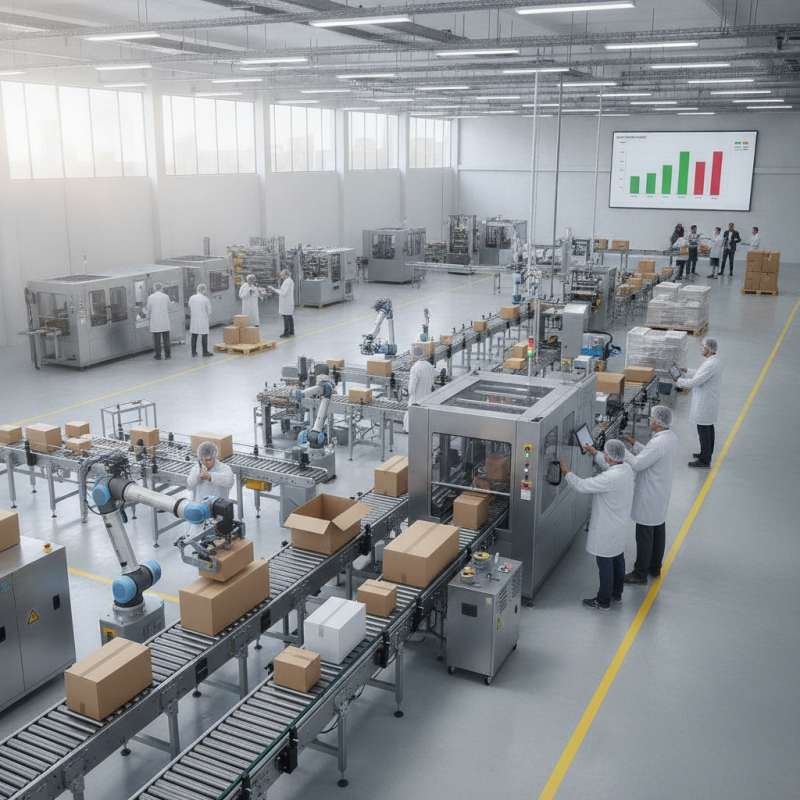
10 Best Ways to Improve Packaging Line Efficiency?

Assessing Current Packaging Line Performance Metrics

Evaluating your current packaging line performance is crucial for enhancing efficiency. Start by analyzing key performance metrics such as throughput, downtime, and waste. Gather data over a set period to identify trends and problem areas. This quantitative analysis provides a concrete baseline for improvement.

To refine your assessment process, consider employing real-time monitoring tools. These can capture valuable metrics instantaneously, giving you a clearer picture of productivity. Look for inconsistent patterns or unexpected downtimes. These insights can illuminate underlying issues, which might require further investigation.

Tip: Regular team meetings can foster a culture of continuous improvement. Engage your staff in discussions about efficiency challenges. They may offer practical solutions based on their hands-on experience.

Reviewing performance metrics may reveal unanticipated outcomes or areas of concern. Perhaps machine calibrations are inconsistent, or specific tasks take longer than expected. Each detail matters. Reflect on these findings, and remember that improvement is an ongoing journey rather than a destination.

Identifying Bottlenecks in the Packaging Process

In any packaging line, identifying bottlenecks is crucial for improving efficiency. Bottlenecks can occur at various stages, from filling to labeling. Observing these areas closely can reveal hidden delays. Employees often notice minor issues that may go untracked, such as equipment malfunctions or slow operators, making their input invaluable.

Data collection is vital when pinpointing these bottlenecks. Utilize monitoring tools to gather real-time information. For instance, track the time each station takes to complete its task. Employees may feel overwhelmed during peak hours, leading to slower performance. This stress can further exacerbate delays and lower productivity.

Regularly reviewing workflows can also highlight inefficiencies. Lean practices often suggest evaluating processes for waste. Are certain tasks redundant? Could manual handling be automated? Reflecting on these questions can drive significant improvements.

Consider these insights to enhance your packaging line. Addressing bottlenecks can ultimately streamline operations and boost output.

Implementing Automation Technologies for Enhanced Speed

Automation technologies have become central to improving packaging line efficiency. By integrating systems like robotics and conveyor belts, manufacturers can noticeably enhance speed and consistency. These solutions minimize human error, ensuring products are packaged quickly and accurately. As automation becomes more advanced, it’s worth considering how it impacts workflow and labor dynamics.

One helpful tip is to assess your current operations. Look for bottlenecks that slow down the packing process. Simple adjustments, like adding automated labeling, can significantly reduce time. Training staff to work alongside machines is also crucial. A skilled workforce can troubleshoot issues that arise during automated operations, ensuring smooth production flow.

Incorporating real-time monitoring systems can enhance efficiency as well. These tools provide insight into machine performance and product quality. However, remember that automation isn’t a cure-all. Regular maintenance of machines is necessary; neglected equipment can lead to costly downtime. Reflect on the relationship between automation and your team. Strive for a balance that maximizes both technology and human input.

10 Best Ways to Improve Packaging Line Efficiency

Training Employees for Improved Operational Efficiency

Training employees is essential for enhancing operational efficiency in packaging lines. A recent report from the Association for Packaging and Processing Technologies indicates that well-trained employees can boost productivity by 15% to 30%. Effective training programs focus on best practices, safety protocols, and machine operation. This reduces errors and improves workflow.

Interactive training methods yield better results. Hands-on demonstrations and simulations engage employees more than traditional lectures. According to the American Society for Training and Development, organizations that invest in employee training see a 24% higher profit margin. These statistics highlight the financial benefits of investing in employee development.

Continuous training is vital. Packaging technology is evolving rapidly. Employees must stay updated to keep up with innovations and automation. Companies often overlook the need for ongoing education, which can lead to inefficiencies. A lack of training can create operational gaps. Therefore, it is crucial to develop a culture where learning is valued and integrated into daily routines. Regular assessments and feedback can help identify areas for improvement, ensuring operations run smoothly.

Regular Maintenance and Upgrades to Equipment and Software

Regular maintenance and upgrades to equipment and software are crucial for enhancing packaging line efficiency. Old machinery can slow down production and increase downtime. Scheduled maintenance minimizes unexpected breakdowns. Regular checks on belts, motors, and sensors ensure everything functions optimally.


When upgrading software, consider systems that integrate well with existing machinery. This synergy can greatly enhance speed and accuracy. Training staff on these systems is equally important. If employees are familiar with the technology, they can troubleshoot issues quickly.


Here’s a tip: keep a log of all maintenance activities. This document helps identify patterns over time. You might notice particular machines that need more attention. Also, regularly review your software for updates. Outdated systems could introduce inefficiencies you aren’t aware of. Remember, small changes can lead to significant improvements.

FAQS

: Why is assessing packaging line performance important?

: It enhances efficiency by identifying trends and problem areas through key metrics like throughput and downtime.

How can real-time monitoring tools help in performance assessment?

They provide instant metrics, revealing inconsistent patterns and unexpected downtimes for deeper insight.

What role do team meetings play in improving efficiency?

Regular team discussions foster continuous improvement and encourage staff to share practical solutions.

What can be the consequences of inconsistent machine calibrations?

They can lead to delays or errors in production, highlighting the importance of regular reviews.

How does employee training affect operational efficiency?

Well-trained employees can boost productivity significantly, reducing errors and improving workflow.

What training methods are most effective for packaging line employees?

Hands-on demonstrations and simulations engage employees better than traditional lectures.

Why is continuous training necessary in the packaging industry?

Rapid technology changes require employees to stay updated to prevent operational inefficiencies.

What should companies do to maintain their equipment effectively?

Scheduled maintenance minimizes breakdowns and keeps machinery functioning optimally for production needs.

How important is documentation of maintenance activities?

It helps identify patterns in equipment performance, indicating machines that may need more attention.

What risks come with outdated software in packaging lines?

They can introduce hidden inefficiencies and slow down production, affecting overall operations.

Conclusion

Improving packaging line efficiency is crucial for optimizing production and reducing operational costs. To achieve this, it is essential to first assess current performance metrics to identify areas for improvement. Understanding these metrics helps pinpoint bottlenecks in the packaging process, enabling targeted solutions. Implementing automation technologies can significantly enhance speed and accuracy, streamlining the workflow.

Additionally, investing in employee training is vital for fostering a workforce that operates with higher efficiency and reduces errors. Regular maintenance and upgrades to equipment and software ensure that the packaging line remains in optimal condition, thereby maximizing productivity. By focusing on these strategies, businesses can effectively learn how to improve packaging line efficiency and achieve greater operational success.

Aria

Aria

Aria is a dedicated marketing professional with a deep passion for innovative strategies and a keen understanding of our company's product offerings. With a wealth of experience in the industry, Aria excels at crafting engaging content that highlights the unique features and benefits of our......